Shell Grinding Mill Supplier: Key Factors in Choosing a Reliable Manufacturer
Introduction
The selection of an appropriate shell grinding mill is a critical decision that significantly impacts operational efficiency, product quality, and overall profitability in various industrial applications. As industries increasingly demand finer particle sizes and higher production capacities, the choice of grinding equipment becomes even more crucial. This comprehensive guide explores the essential factors to consider when selecting a reliable shell grinding mill manufacturer, ensuring you make an informed investment decision that aligns with your specific operational requirements.
Technical Specifications: The Foundation of Selection
Particle Size Requirements
The primary consideration when choosing a grinding mill should be its ability to meet your specific particle size distribution requirements. Different applications demand varying fineness levels, from coarse grinding to ultra-fine powder production. A reliable manufacturer should offer equipment capable of producing consistent particle sizes within your specified range.
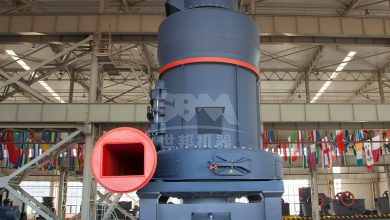
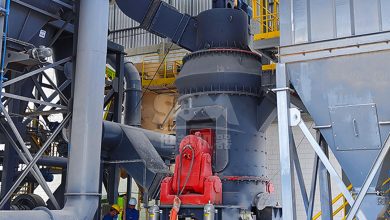
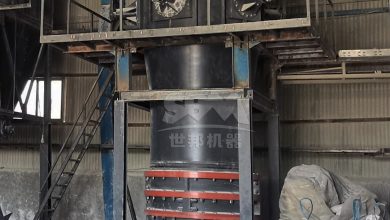
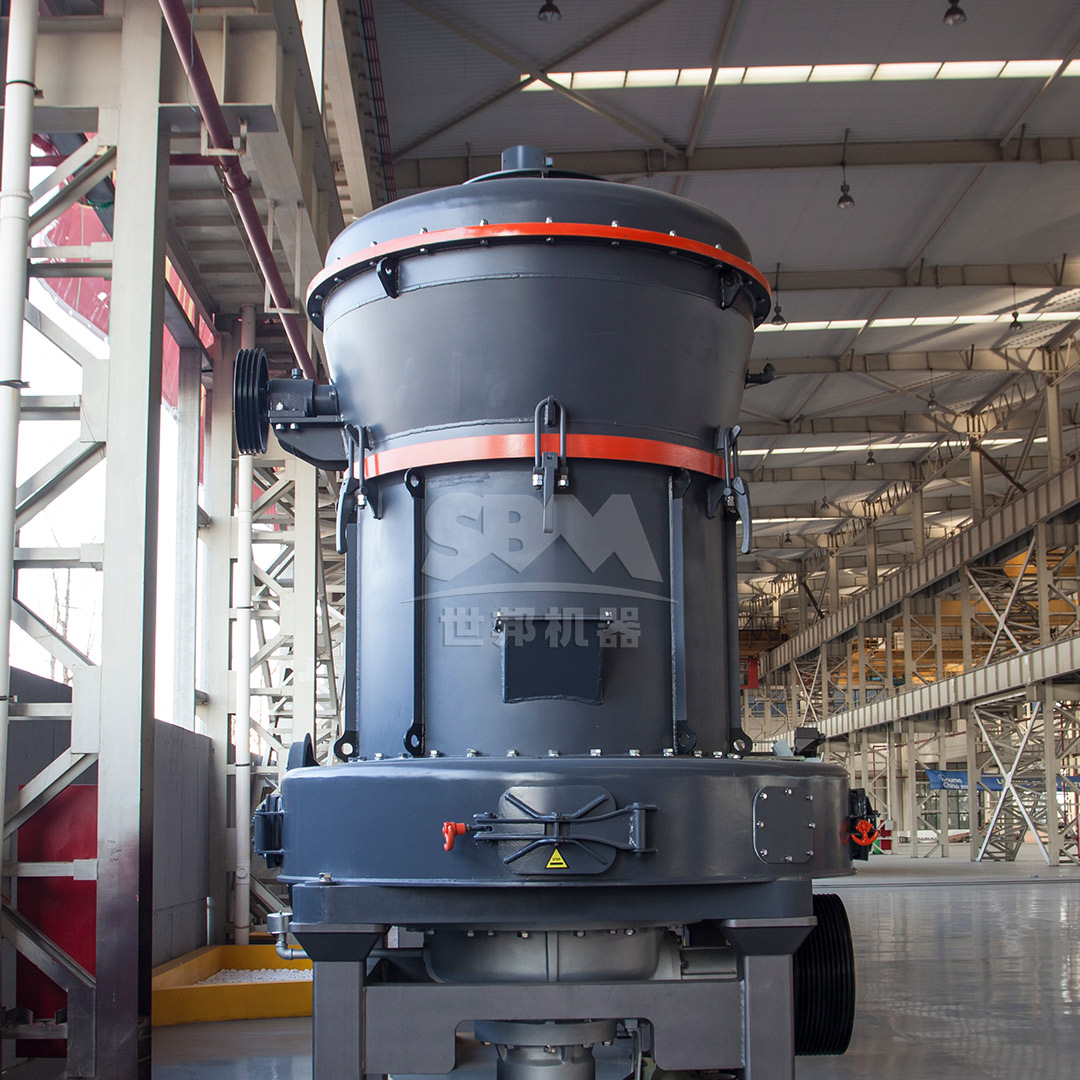
For ultra-fine grinding applications requiring particle sizes down to 5μm (D97), the SCM Ultrafine Mill represents an excellent solution. This advanced grinding system delivers output fineness ranging from 325 to 2500 mesh (D97≤5μm), making it suitable for high-value applications where precise particle control is essential. With an input size capacity of ≤20mm and throughput ranging from 0.5 to 25 tons per hour depending on the model, this equipment offers remarkable versatility across various material processing scenarios.

Throughput Capacity
Production capacity requirements must align with your operational goals. Underestimating capacity needs can lead to bottlenecks, while overestimating results in unnecessary capital expenditure and operational costs. A thorough analysis of current and projected production volumes is essential before selecting appropriate equipment.
Manufacturers offering multiple models with varying capacities provide the flexibility to scale operations as needed. For medium to high-capacity requirements, the MTW Series Trapezium Mill offers processing capacities from 3 to 45 tons per hour, accommodating input materials up to 50mm in size. This equipment produces output fineness between 30-325 mesh (down to 0.038mm), making it suitable for a wide range of industrial minerals and materials.
Technological Advancements and Innovation
Energy Efficiency
Modern grinding equipment should incorporate energy-efficient technologies to minimize operational costs. Advanced designs can significantly reduce power consumption while maintaining or even improving throughput rates. When evaluating manufacturers, consider their commitment to energy optimization through innovative engineering solutions.
The SCM Ultrafine Mill demonstrates exceptional energy efficiency, delivering twice the capacity of jet mills while reducing energy consumption by 30%. This efficiency is achieved through optimized grinding mechanics, intelligent control systems that automatically adjust to maintain target particle size, and advanced classification technology that minimizes recirculation of already-sized material.
Classification Precision
Precise particle classification is crucial for product quality consistency. Advanced classification systems ensure that only properly sized particles proceed to collection, while oversize material returns for further grinding. This prevents coarse particle contamination in the final product, maintaining strict quality standards.
The vertical turbine classifier in the SCM Ultrafine Mill exemplifies this precision, enabling accurate particle size cuts without coarse powder contamination. This technology ensures uniform product quality batch after batch, which is particularly important in applications where particle size distribution directly affects product performance.
Durability and Maintenance Considerations
Wear Part Design and Materials
The longevity of grinding components directly impacts maintenance frequency, operational downtime, and total cost of ownership. Manufacturers utilizing specialized materials and innovative designs for high-wear components provide significant advantages in demanding applications.
Both the SCM Ultrafine Mill and MTW Series Trapezium Mill incorporate specially formulated materials for rollers and grinding rings that extend service life multiple times compared to conventional designs. The MTW series further enhances durability through its anti-wear shovel blade design with combined replaceable segments and curved surface geometry that prolongs roller life.
Maintenance Accessibility
Equipment design should facilitate straightforward maintenance procedures to minimize downtime during service intervals. Modular components, accessible wear parts, and simplified replacement procedures contribute significantly to operational efficiency.
The bearing-free screw grinding chamber in the SCM Ultrafine Mill ensures stable operation while reducing maintenance requirements. Similarly, the MTW Series incorporates a complete gear transmission system with 98% transmission efficiency, saving space and reducing installation complexity.
Environmental Compliance and Operational Safety
Dust Control Systems
Effective dust collection is essential for both environmental compliance and workplace safety. Modern grinding mills should incorporate advanced dust control technology that exceeds regulatory requirements while maintaining operational efficiency.
The pulse dust collection systems in both the SCM and MTW series achieve collection efficiencies surpassing international standards. The MTW series further optimizes dust control through its arc air channel design, which reduces air flow energy loss while improving transmission efficiency, complemented by high-strength guard plates that protect the air channel working surface.
Noise Reduction
Noise pollution in industrial settings presents both regulatory and workplace safety concerns. Advanced grinding equipment should incorporate noise suppression technologies to create a safer, more comfortable working environment.
The SCM Ultrafine Mill operates at noise levels below 75dB through integrated soundproofing chamber design. This significant noise reduction enhances operator comfort and facilitates compliance with workplace noise regulations without compromising processing efficiency.
Manufacturer Expertise and Support Services
Technical Knowledge and Application Experience
A manufacturer’s depth of experience across various applications and materials indicates their ability to provide appropriate solutions for specific processing challenges. Look for suppliers with demonstrated expertise in your particular industry or material type.
Manufacturers offering comprehensive product lines with specialized models for different applications (such as mineral grinding, coal processing, slag treatment, and fine powder production) typically possess broader technical knowledge and can provide more tailored recommendations for your specific needs.
After-Sales Support and Service Availability
Reliable technical support, readily available spare parts, and responsive service capabilities are crucial considerations often overlooked during the selection process. Establish the manufacturer’s support infrastructure, including service network coverage, spare parts inventory, and technical assistance responsiveness.
Manufacturers with global distribution and service networks provide significant advantages for operations requiring minimal downtime. Confirm the availability of local technical support, training programs for your operational staff, and the manufacturer’s commitment to long-term equipment support throughout the machine’s lifecycle.
Cost Considerations Beyond Initial Purchase Price
Total Cost of Ownership Analysis
While initial equipment cost is an important factor, a comprehensive evaluation should consider the total cost of ownership, including energy consumption, maintenance requirements, wear part replacement costs, and potential production losses due to downtime.
Equipment with higher initial costs but superior energy efficiency, reduced maintenance requirements, and extended component life often delivers significantly lower total cost of ownership over the equipment’s operational lifespan. The advanced designs of both the SCM and MTW series contribute to reduced operational expenses through multiple efficiency and durability enhancements.
Return on Investment Calculation
Quantifying the return on investment requires analyzing multiple factors beyond equipment cost, including production efficiency improvements, product quality enhancements, energy savings, reduced maintenance expenses, and potential revenue increases from improved product characteristics.
Advanced grinding systems typically demonstrate favorable ROI through multiple channels, including the ability to command premium prices for consistently high-quality products, reduced operational expenses, and increased production capacity that supports business growth without proportional increases in operational costs.
Future-Proofing Your Investment
Scalability and Flexibility
Your grinding equipment should accommodate future changes in production requirements, material characteristics, or product specifications. Modular designs that allow for capacity expansion or modification provide significant advantages as operational needs evolve.
Manufacturers offering equipment with adjustable operational parameters, interchangeable components, and upgrade paths help protect your investment against changing market conditions or processing requirements. The availability of multiple models within product series facilitates capacity scaling as production demands increase.
Technology Integration Capabilities
Modern grinding equipment should support integration with plant automation systems, process control networks, and data collection infrastructure. This enables real-time performance monitoring, predictive maintenance scheduling, and optimization of operational parameters based on actual production data.
The intelligent control systems in advanced grinding mills like the SCM Ultrafine Mill provide automatic feedback control of product particle size, while expert-level automatic control systems in other models support remote/local operation switching and real-time monitoring of operational parameters, reducing manual intervention requirements.
Conclusion
Selecting the appropriate shell grinding mill manufacturer requires careful consideration of multiple technical, operational, and support factors. By thoroughly evaluating equipment specifications, technological features, durability characteristics, environmental compliance, manufacturer expertise, and total cost implications, you can make an informed decision that aligns with both current requirements and future operational goals.
The SCM Ultrafine Mill and MTW Series Trapezium Mill represent examples of advanced grinding technology that incorporate multiple innovations addressing the key selection criteria discussed. When partnered with a manufacturer demonstrating strong technical expertise, comprehensive support services, and commitment to continuous improvement, such equipment can deliver significant operational advantages and contribute substantially to processing efficiency and product quality.
Ultimately, the most reliable manufacturer will not only supply equipment meeting your technical specifications but will also serve as a long-term partner committed to optimizing your grinding operations through ongoing technical support, process improvement recommendations, and responsive service throughout the equipment lifecycle.