Role of Anthracite Grinding Mills in Expanding Application Fields of Anthracite
Introduction: The Evolving Value of Anthracite
Anthracite, the highest rank of coal, has long been prized for its high carbon content, low volatile matter, and superior calorific value. Traditionally, its primary application was as a premium fuel for domestic heating and metallurgical processes. However, the true potential of anthracite extends far beyond combustion. The key to unlocking this potential lies in advanced processing technology, specifically, precision grinding. Modern anthracite grinding mills are not merely size reduction equipment; they are sophisticated engineering systems that transform raw anthracite into high-value functional materials with tailored properties. This article explores how advanced grinding technology is pivotal in expanding anthracite’s application fields, driving innovation in industries from advanced materials to environmental protection.
The Critical Link: Particle Size and Performance
The transition of anthracite from a bulk fuel to a high-performance material is intrinsically linked to its particle size distribution, morphology, and surface area. Coarse anthracite is limited in its reactivity and application scope. Fine and ultrafine grinding dramatically increases the specific surface area, enhancing chemical reactivity, adsorption capacity, and dispersibility. Furthermore, controlled grinding can produce particles with specific shapes and surface characteristics crucial for advanced applications. The choice of grinding technology directly determines these final product attributes, making the mill the cornerstone of value addition.
Expanding Application Fields Through Precision Grinding
1. Carbon Additives and Conductivity Agents
Finely ground anthracite is an excellent, cost-effective carbon additive. In the steel and foundry industries, ultrafine anthracite powder is used as a recarburizer, providing a clean, low-sulfur carbon source to adjust the carbon content in molten iron and steel. Its consistent quality and purity are essential for producing high-grade alloys.
More innovatively, processed anthracite finds use as a conductive additive in lithium-ion battery anodes and other electrochemical devices. When ground to a precisely controlled micron or sub-micron level, anthracite particles can form efficient conductive networks within composite materials, improving electron transfer while offering a more economical and stable alternative to some synthetic carbons.
2. High-Performance Adsorbents and Filter Media
Activated carbon is a well-known adsorbent, but its production is energy-intensive. Certain grades of finely pulverized anthracite, with its inherent microporous structure and chemical stability, serve as effective precursor materials or even direct adsorbents for water and gas purification. Grinding to a specific fineness optimizes the pore accessibility and adsorption kinetics. It is used in filters for municipal water treatment, industrial wastewater processing, and flue gas desulfurization systems.
3. Reinforcing Fillers in Polymer Composites
The quest for stronger, lighter, and more durable composite materials has opened a new avenue for anthracite. Ultra-fine anthracite powder, with its high hardness, thermal stability, and carbonaceous nature, can be used as a functional filler in rubber, plastics, and coatings. It can improve mechanical properties like wear resistance and tensile strength, enhance thermal conductivity, and provide UV stabilization, offering a performance boost over conventional mineral fillers.
4. Specialty Construction Materials
In the construction sector, ground anthracite is utilized in high-density concrete for radiation shielding and as a lightweight aggregate when processed into cenospheres. It is also a key component in the production of carbon-based refractories, where its fine particle size ensures a dense, thermally stable matrix capable of withstanding extreme temperatures in furnaces and kilns.
Technological Imperatives for Anthracite Grinding
To meet the diverse and stringent requirements of these new applications, grinding mills must excel in several areas:
- Precise Particle Size Control: The ability to produce a narrow, consistent particle size distribution from coarse (30 mesh) to superfine (2500 mesh) is non-negotiable.
- Energy Efficiency: Grinding, especially to ultrafine sizes, is energy-intensive. Modern mills must maximize throughput while minimizing specific energy consumption.
- Product Purity: The grinding process must not introduce contaminants. Wear-resistant materials and sealed designs are critical.
- System Intelligence & Stability: Automated control systems ensure consistent product quality and stable, continuous operation with minimal manual intervention.
Recommended Solutions for Advanced Anthracite Processing
Selecting the right grinding equipment is paramount for success in these expanding fields. Based on the target fineness and capacity, we recommend the following solutions from our portfolio:
For Ultrafine Applications (325-2500 mesh): SCM Series Ultrafine Mill
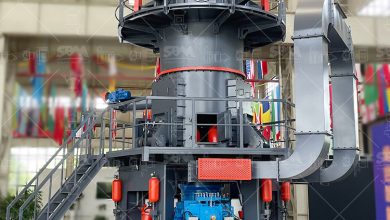
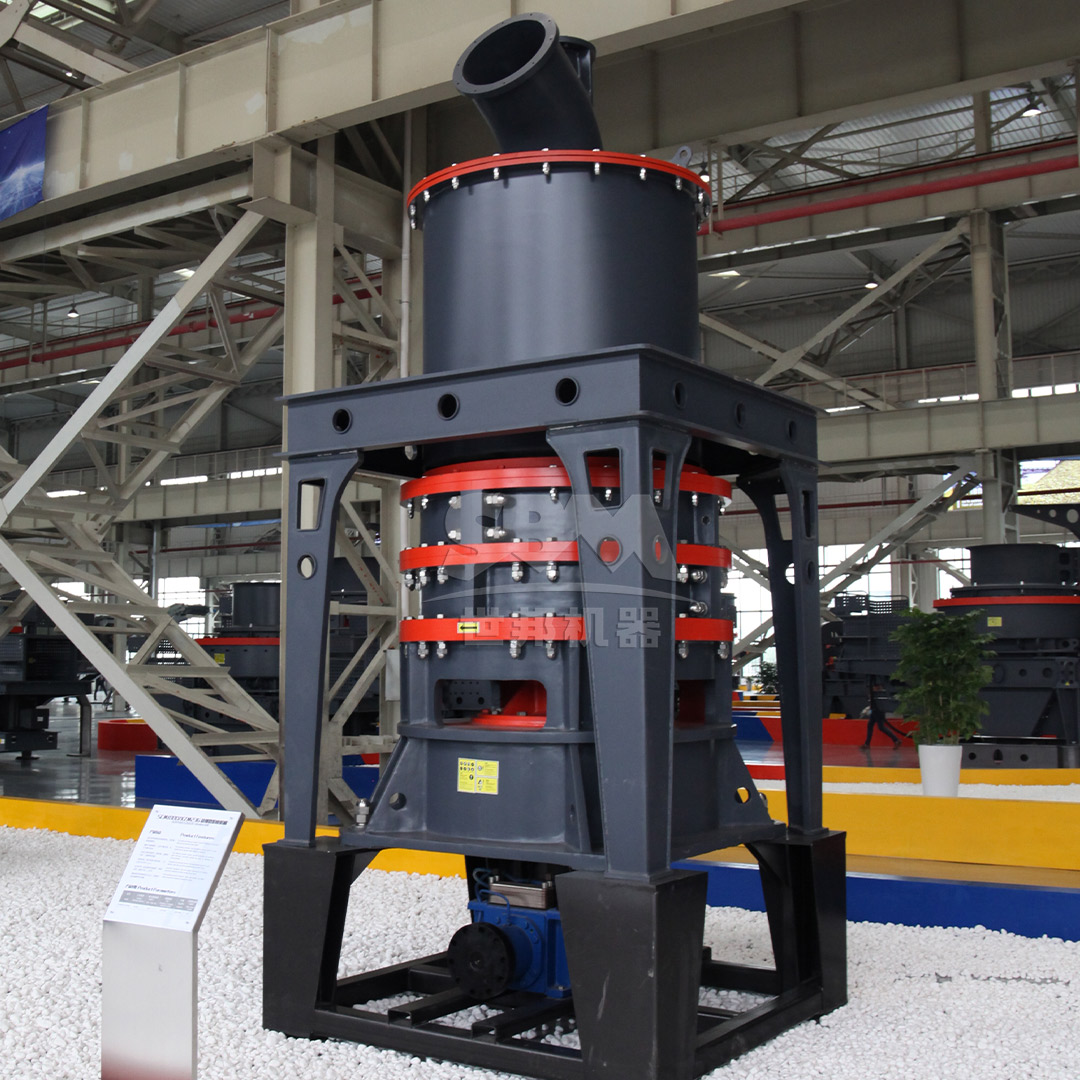
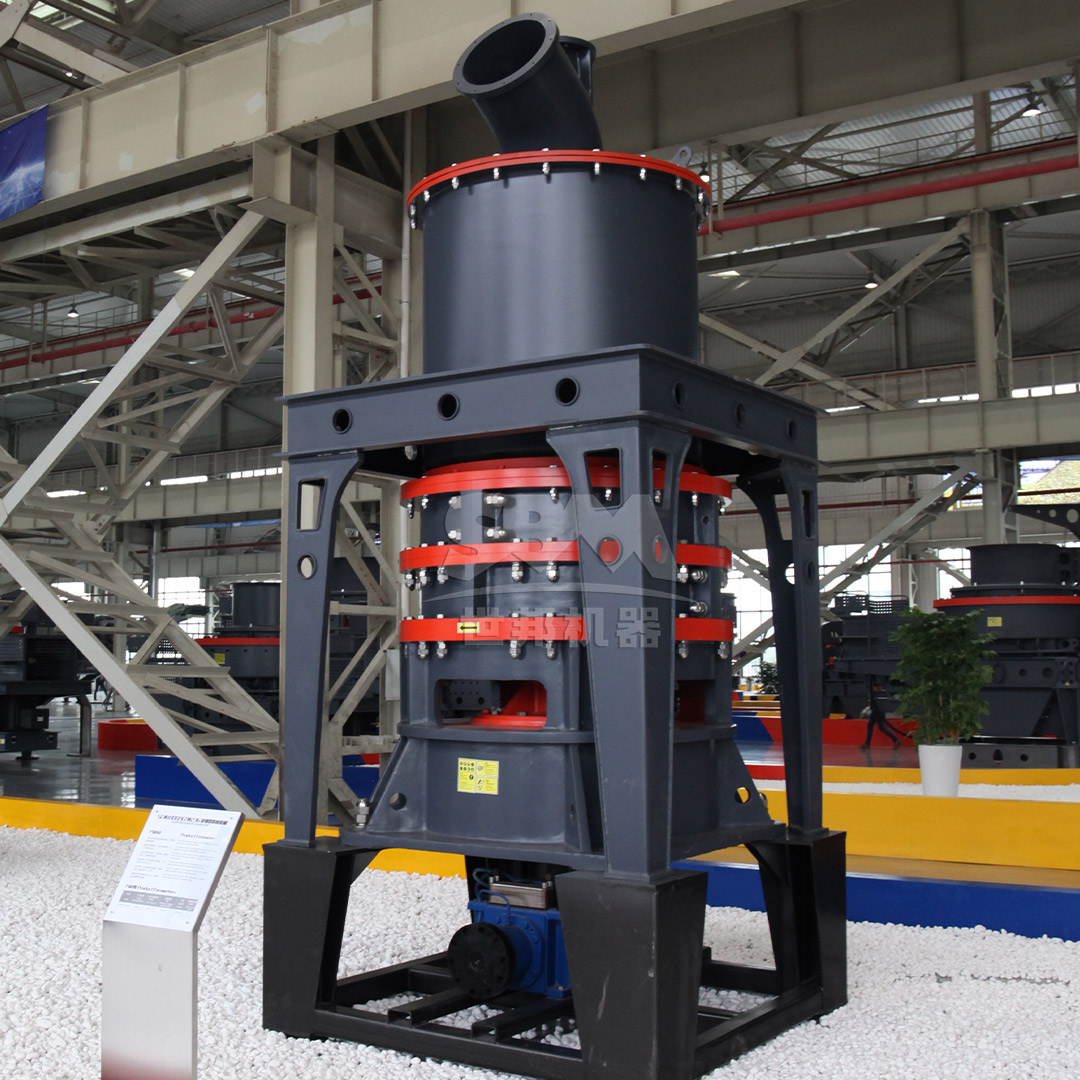
When the application demands the highest fineness—such as for conductive additives, high-end polymer fillers, or specialty ceramics—the SCM Series Ultrafine Mill is the ideal choice. Engineered for high efficiency and precision, it features a vertical turbine classifier that ensures sharp particle size cuts with no coarse powder mixing. Its special material rollers and rings offer exceptional durability, significantly extending service life and protecting product purity. With capacities ranging from 0.5 to 25 tons per hour and energy consumption up to 30% lower than comparable jet mills, the SCM series, particularly models like the SCM1250 (2.5-14 t/h, 185kW), provides a cost-effective and reliable path to producing premium ultrafine anthracite powders.
For High-Capacity Fine Grinding (30-325 mesh): MTW Series European Trapezium Mill
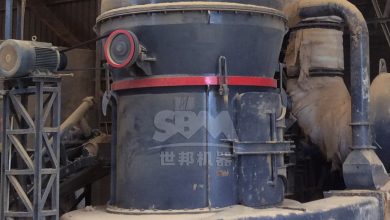
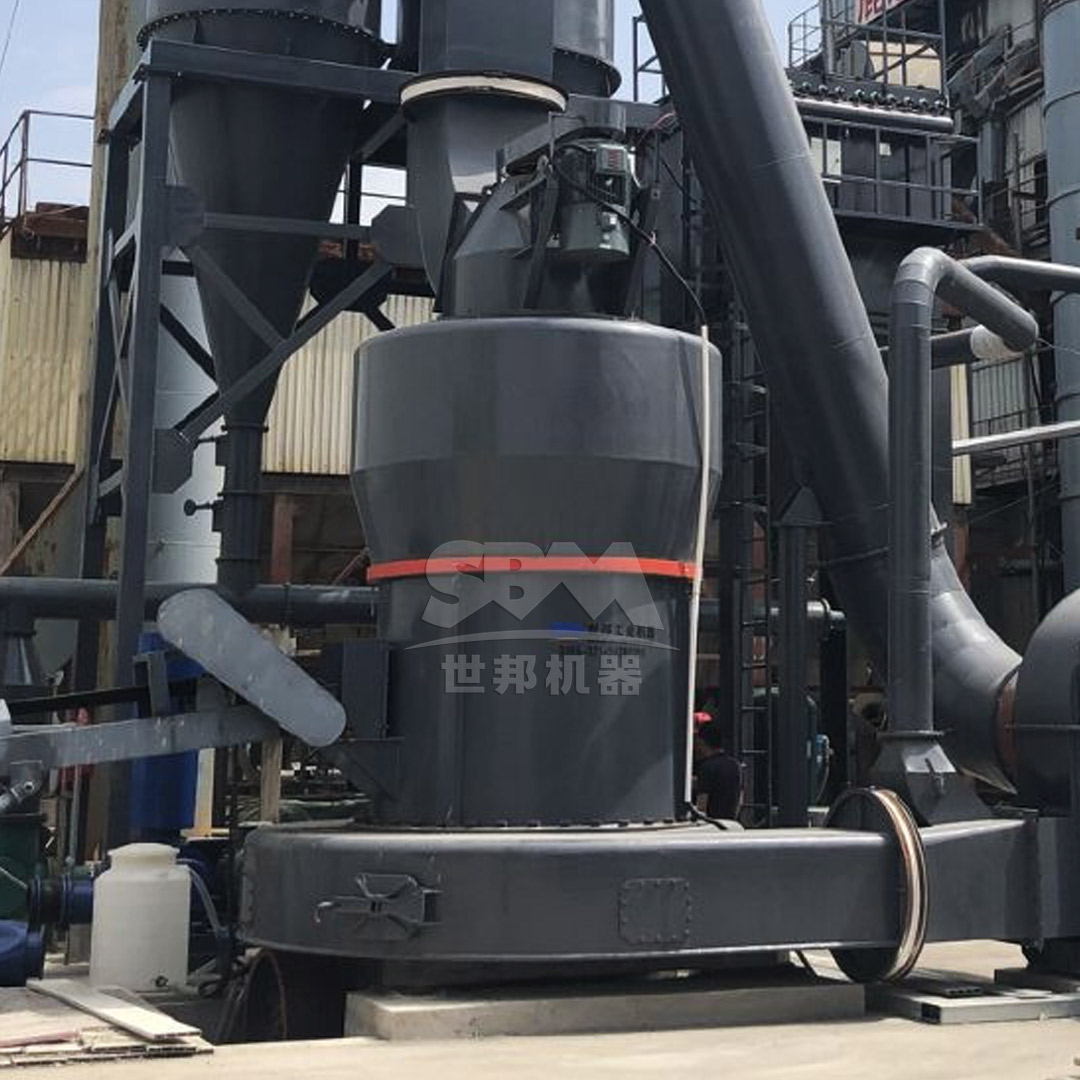
For applications requiring high-volume production of fine anthracite powder—such as for carbon additives in metallurgy or adsorbent precursors—the MTW Series European Trapezium Mill offers unparalleled efficiency and robustness. Its innovative design includes an anti-wear shovel and a curved grinding roller, which drastically reduce maintenance costs and extend component life. The integral bevel gear drive achieves a remarkable 98% transmission efficiency. With a large feed size (up to 50mm) and high capacities (3-45 tons per hour), models like the MTW215G (15-45 t/h, 280kW) are built for large-scale, continuous operation, making them perfect for transforming raw anthracite into consistent, high-quality fine powder for industrial markets.
Conclusion: Grinding as a Gateway to Innovation
The narrative of anthracite is being rewritten, from a traditional fuel to a versatile, high-value industrial material. This transformation is engineered at the grinding stage. Advanced milling technology, exemplified by solutions like the SCM Ultrafine Mill and the MTW European Trapezium Mill, provides the precise control, efficiency, and reliability needed to tailor anthracite’s physical properties for tomorrow’s challenges. By investing in the right grinding technology, producers can not only enhance the value of their anthracite resources but also actively participate in and drive innovation across a spectrum of advanced industries, securing a competitive edge in the evolving materials landscape.