
Recycled Ceramic Powder: Slurry Production from Waste Ceramic Powder
Introduction to Ceramic Waste Recycling
The global ceramic industry generates substantial amounts of waste throughout manufacturing processes, including production rejects, trimmings, and processing residues. Traditional disposal methods such as landfilling not only consume valuable land resources but also represent significant economic and environmental costs. The transformation of waste ceramic materials into valuable recycled ceramic powder through advanced grinding technologies presents a sustainable solution that aligns with circular economy principles.
Recycled ceramic powder serves as a versatile raw material for numerous applications, particularly in slurry production for coatings, construction materials, and advanced ceramic composites. The quality and performance of these end-products are directly influenced by the particle size distribution, purity, and morphological characteristics of the recycled powder, making the selection of appropriate grinding equipment crucial to the recycling process.

Technical Challenges in Ceramic Powder Recycling
Ceramic materials present unique challenges in the recycling process due to their inherent hardness, brittleness, and varying composition. The Mohs hardness of most ceramic materials ranges from 6 to 9, requiring robust grinding equipment capable of handling abrasive materials without excessive wear. Additionally, the presence of glazes, pigments, and other surface treatments in waste ceramics necessitates careful processing to maintain powder purity.
The production of ceramic slurry demands precise control over particle size distribution, as this directly affects slurry viscosity, stability, and final product characteristics. For most slurry applications, a particle size range of 325 to 2500 mesh (45-5μm) is optimal, providing adequate surface area for chemical reactions while maintaining manageable viscosity levels. Achieving this fine particle size distribution consistently requires advanced grinding technology with precise classification capabilities.
Grinding Technology for Ceramic Powder Production
The transformation of waste ceramic materials into high-quality powder requires specialized grinding equipment designed to handle hard, abrasive materials while achieving the desired fineness and particle size distribution. Conventional grinding systems often struggle with the hardness of ceramic materials, resulting in excessive wear, contamination, and inconsistent product quality.
Advanced grinding systems specifically engineered for hard materials offer significant advantages in ceramic recycling applications. These systems incorporate wear-resistant components, precise classification mechanisms, and energy-efficient designs that optimize the recycling process while minimizing operational costs. The selection of appropriate grinding technology depends on the specific characteristics of the ceramic waste, desired output specifications, and production capacity requirements.
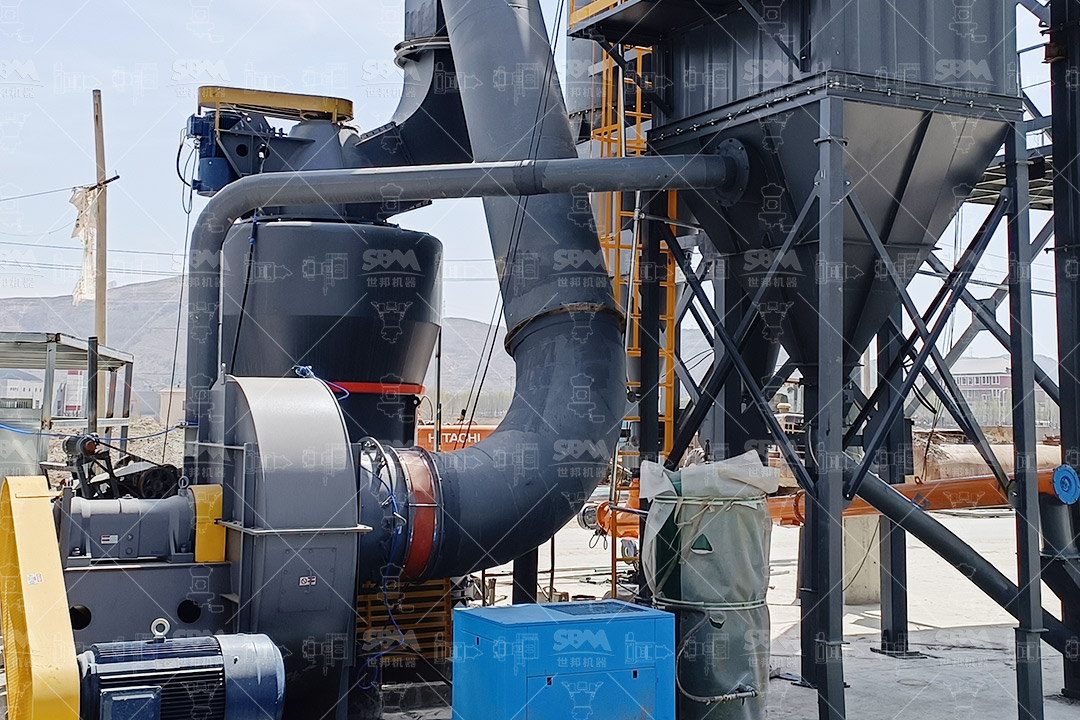
SCM Ultrafine Mill: Optimal Solution for Fine Ceramic Powder
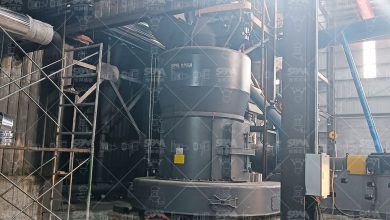
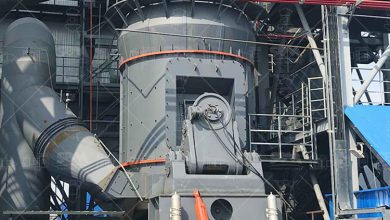
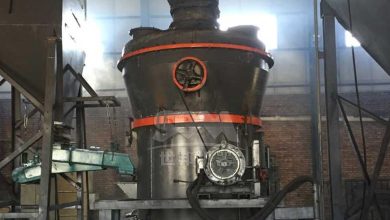
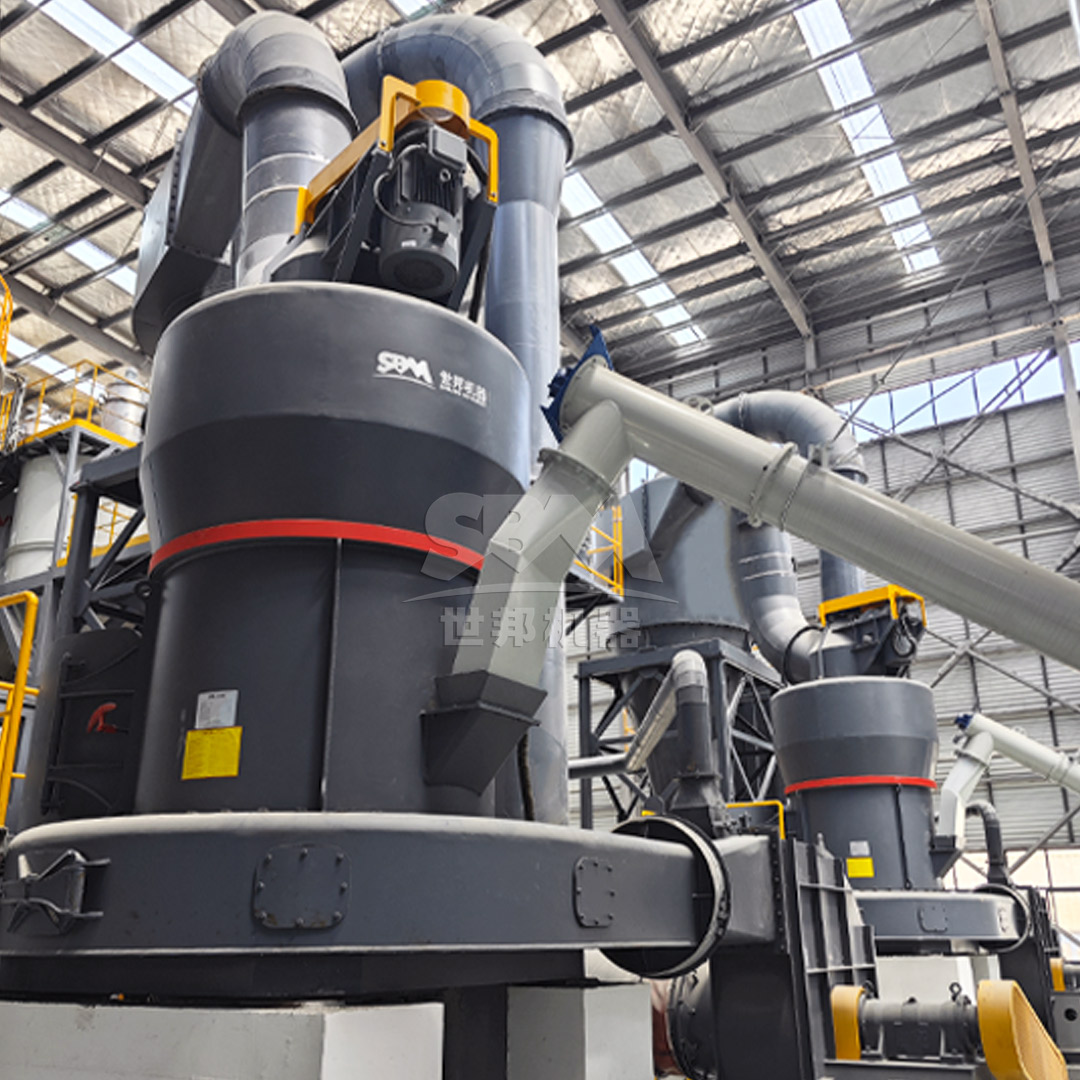
For applications requiring ultra-fine ceramic powder with precise particle size control, the SCM Ultrafine Mill represents an ideal solution. This advanced grinding system is specifically designed to process hard, abrasive materials like ceramic waste into powders ranging from 325 to 2500 mesh (D97≤5μm), making it perfectly suited for high-quality slurry production.
The SCM series incorporates several technological innovations that address the specific challenges of ceramic recycling:
- High-Efficiency Grinding Mechanism: The triple-layer grinding ring design, driven by a powerful main motor, ensures thorough and efficient size reduction of ceramic materials through centrifugal force distribution and progressive grinding stages.
- Precision Classification System: The vertical turbine classifier enables precise particle size separation, ensuring consistent product quality without coarse particle contamination.
- Enhanced Durability: Specially hardened roller and grinding ring materials provide exceptional wear resistance when processing abrasive ceramic materials, significantly extending component lifespan.
- Environmental Compliance: Integrated pulse dust collection system exceeds international standards for dust control, while sound insulation design maintains noise levels below 75dB.
With models ranging from the SCM800 (0.5-4.5 ton/h capacity) to the SCM1680 (5.0-25 ton/h capacity), the SCM series offers scalable solutions for operations of various sizes. The system’s energy efficiency – delivering twice the capacity of jet mills with 30% lower energy consumption – makes it particularly suitable for cost-effective ceramic recycling operations.
MTW Series Trapezium Mill: Versatile Solution for Medium-Fine Applications
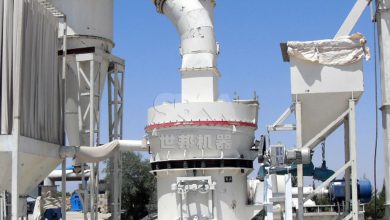
For recycling operations requiring ceramic powder in the 30-325 mesh range, the MTW Series Trapezium Mill provides an excellent balance of production capacity, energy efficiency, and operational reliability. This robust grinding system handles input materials up to 50mm in size, reducing the need for extensive pre-processing of ceramic waste.
Key features that make the MTW series suitable for ceramic recycling include:
- Anti-Wear Shovel Design: Modular shovel plates with curved geometry minimize maintenance requirements and extend service life when processing abrasive ceramic materials.
- Optimized Air Flow Path: The curved air duct design reduces energy losses and improves material transport efficiency, while reinforced wear plates protect critical surfaces.
- Efficient Drive System: Cone gear transmission achieves 98% efficiency, reducing energy consumption and installation costs.
- Durable Housing Structure: The wear-resistant volute design with non-clogging configuration enhances air classification efficiency and reduces maintenance frequency.
The MTW series offers models with capacities from 3 to 45 tons per hour, accommodating operations from pilot-scale testing to full industrial production. The system’s combination of robust construction, operational efficiency, and precise particle size control makes it well-suited for producing ceramic powder for various slurry applications.
Slurry Production from Recycled Ceramic Powder
The transformation of recycled ceramic powder into functional slurry involves several critical processing steps beyond mere size reduction. Proper slurry formulation requires consideration of particle size distribution, surface chemistry, and the interaction between ceramic particles and liquid media.
Key factors in ceramic slurry production include:
- Particle Size Optimization: Achieving the appropriate balance between specific surface area and packing density to control slurry rheology
- Dispersion Stability: Implementing effective dispersion agents to prevent particle agglomeration and settlement
- Viscosity Control: Adjusting solid loading and additive composition to achieve desired flow characteristics
- Compatibility with Application Methods: Tailoring slurry properties for specific application techniques such as spraying, dipping, or casting
The consistent quality of recycled ceramic powder achieved through advanced grinding systems like the SCM Ultrafine Mill and MTW Trapezium Mill provides a reliable foundation for producing high-performance ceramic slurries with predictable behavior and performance characteristics.
Quality Control and Performance Testing
Ensuring the consistent quality of recycled ceramic powder requires comprehensive quality control protocols throughout the grinding and classification process. Key parameters that must be monitored and controlled include:
- Particle size distribution (PSD) using laser diffraction or sedimentation methods
- Specific surface area measured by BET nitrogen adsorption
- Chemical composition through X-ray fluorescence (XRF) analysis
- Morphological characteristics using scanning electron microscopy (SEM)
- Contamination levels from grinding media wear
Advanced grinding systems with integrated classification, such as the SCM Ultrafine Mill, facilitate consistent product quality through real-time monitoring and automatic adjustment of operational parameters. This capability is particularly valuable in ceramic recycling, where variations in feed material composition can impact grinding efficiency and product characteristics.
Economic and Environmental Benefits
The implementation of ceramic waste recycling programs utilizing advanced grinding technology delivers significant economic and environmental advantages:
- Raw Material Cost Reduction: Recycled ceramic powder can replace virgin materials in many applications, substantially reducing material costs
- Waste Disposal Cost Avoidance: Diverting ceramic waste from landfills eliminates associated disposal fees and environmental liabilities
- Energy Efficiency: Modern grinding systems consume significantly less energy than traditional processing methods, improving operational economics
- Environmental Compliance: Advanced dust collection and noise control systems ensure operations meet stringent environmental regulations
- Product Value Enhancement: High-quality recycled ceramic powder commands premium pricing in specialized applications
The return on investment for ceramic recycling systems is further enhanced by the durability and low maintenance requirements of equipment like the SCM Ultrafine Mill and MTW Trapezium Mill, which minimize operational disruptions and maintenance costs.
Applications of Recycled Ceramic Slurry
Ceramic slurry produced from recycled powder finds application across numerous industries, leveraging the unique properties of ceramic materials for diverse functional purposes:
- Protective Coatings: Ceramic slurry formulations provide wear-resistant, thermal barrier, and corrosion-protective coatings for industrial equipment
- Construction Materials: Modified ceramic slurries enhance the performance of cementitious materials, tiles, and architectural elements
- Advanced Composites: Ceramic powder serves as reinforcement or functional filler in polymer and metal matrix composites
- Catalyst Supports: The high surface area and thermal stability of fine ceramic powder make it ideal for catalyst carrier applications
- Electronic Components: Specially formulated ceramic slurries are used in thick film circuits, sensors, and other electronic devices
The versatility of applications underscores the value of high-quality recycled ceramic powder and the importance of selecting appropriate grinding technology to meet specific application requirements.
Future Trends in Ceramic Recycling Technology
The field of ceramic recycling continues to evolve, driven by technological advancements, regulatory pressures, and economic imperatives. Emerging trends that will shape future developments include:
- Integration of Artificial Intelligence: AI-driven optimization of grinding parameters for maximum efficiency and product quality
- Advanced Sensor Technology: Real-time monitoring of particle characteristics during grinding operations
- Hybrid Grinding Systems: Combination of different grinding mechanisms for improved efficiency and product control
- Circular Economy Integration: Development of closed-loop recycling systems within ceramic manufacturing clusters
- Specialized Additive Development: Customized dispersion and modification agents for specific ceramic slurry applications
Equipment manufacturers are responding to these trends with increasingly sophisticated grinding systems that offer enhanced control, efficiency, and integration capabilities. The continuing refinement of technologies like the SCM Ultrafine Mill ensures that ceramic recycling operations will remain economically viable and environmentally sustainable well into the future.
Conclusion
The production of high-quality ceramic slurry from waste ceramic materials represents a significant opportunity for sustainable manufacturing and resource conservation. Advanced grinding technologies, particularly the SCM Ultrafine Mill for ultra-fine applications and the MTW Trapezium Mill for medium-fine requirements, provide the technical foundation for efficient, cost-effective ceramic recycling operations.
By selecting appropriate grinding equipment and implementing comprehensive quality control protocols, manufacturers can transform ceramic waste into valuable raw materials for diverse applications. The economic and environmental benefits of ceramic recycling, combined with advancing technology and growing market acceptance, position this practice as an essential component of sustainable materials management in the 21st century.