Recycled Alumina Powder Processing: Using Alumina Grinding Mills to Partially Replace Bauxite
Introduction: The Shift Toward Sustainable Alumina Production
The global alumina industry faces increasing pressure to adopt more sustainable practices as environmental concerns and resource scarcity become more pressing. Traditional bauxite mining operations carry significant ecological footprints, including deforestation, soil erosion, and habitat destruction. In response, the processing of recycled alumina powder has emerged as a viable alternative that can partially replace virgin bauxite in many industrial applications.
Recycled alumina, sourced from industrial waste streams, spent catalysts, and post-consumer aluminum products, offers a sustainable pathway for alumina production. However, the effective utilization of these materials requires specialized grinding and processing equipment capable of transforming varied feedstocks into consistent, high-quality alumina powder suitable for industrial applications.

The Technical Challenges of Recycled Alumina Processing
Processing recycled alumina presents unique challenges that differ from conventional bauxite processing. The material characteristics of recycled alumina feedstocks vary significantly in terms of hardness, purity, moisture content, and particle size distribution. These variations necessitate flexible grinding systems capable of handling diverse input materials while maintaining consistent output quality.
Key technical considerations include:
- Variable hardness and abrasiveness of feed materials
- Contamination control and purification requirements
- Energy efficiency in grinding operations
- Precise particle size control for specific applications
- Dust control and environmental compliance
Traditional grinding equipment often struggles with these challenges, leading to inconsistent product quality, high maintenance costs, and excessive energy consumption. Specialized alumina grinding mills have been developed specifically to address these issues, offering improved performance and reliability in recycled alumina processing operations.
Advanced Grinding Solutions for Recycled Alumina
Modern alumina grinding technology has evolved significantly to meet the demands of recycled material processing. Several milling systems have proven particularly effective for transforming recycled alumina into high-value powder products.
Ultrafine Grinding Systems
For applications requiring extremely fine alumina powders, ultrafine grinding mills offer precise control over particle size distribution. These systems are particularly valuable for producing specialty alumina used in advanced ceramics, catalysts, and polishing compounds.
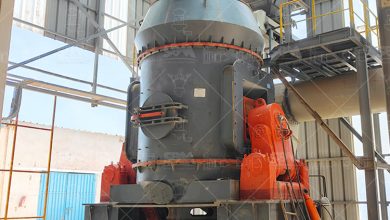
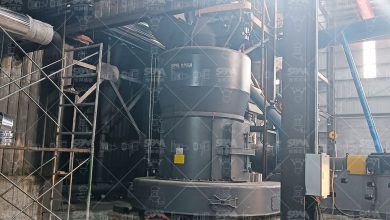
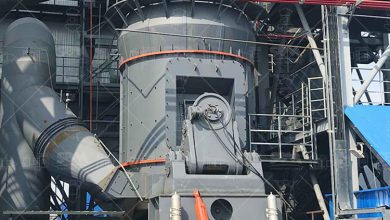
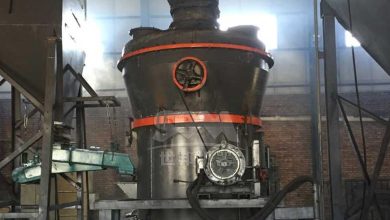
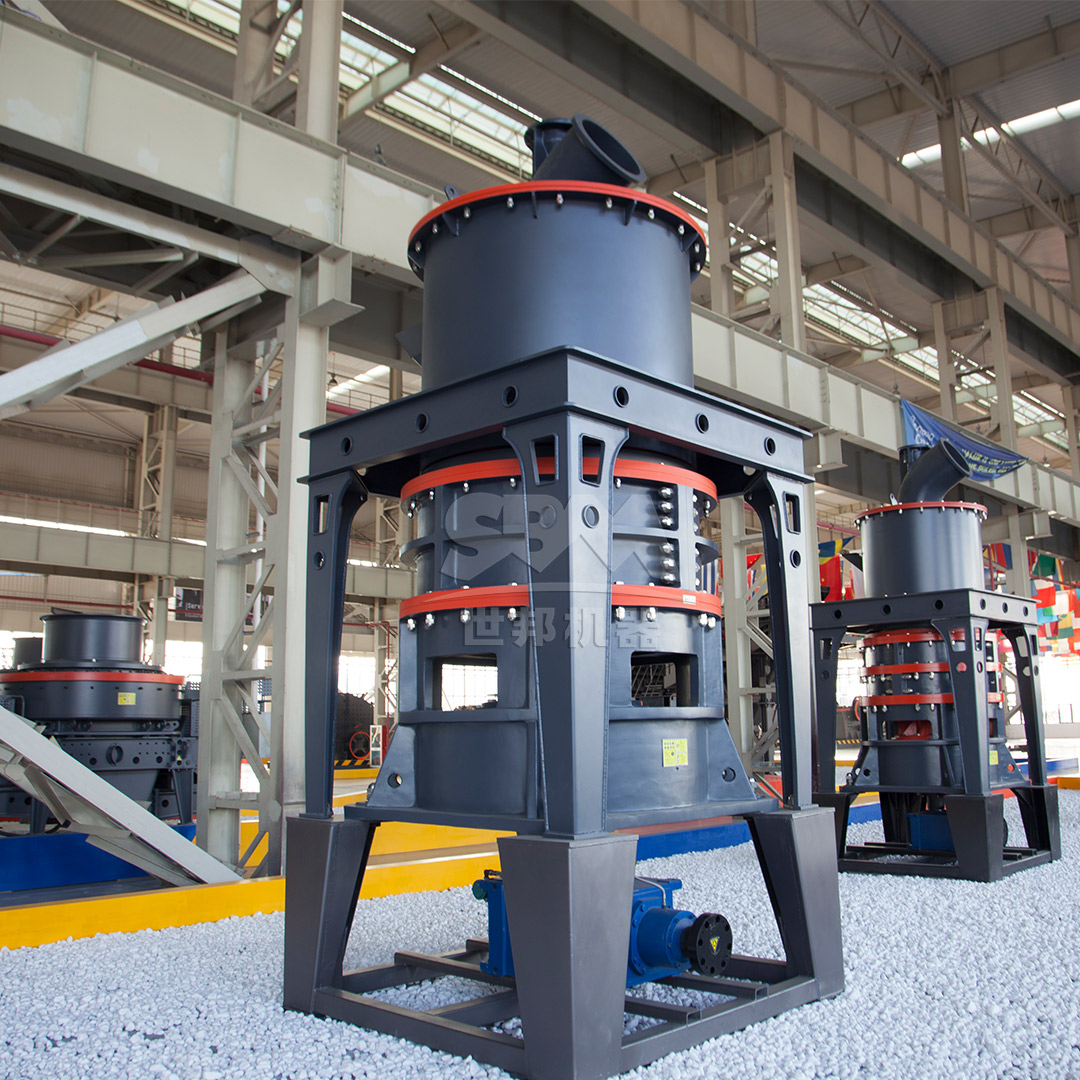
Our SCM Ultrafine Mill represents a technological breakthrough in this category, specifically engineered to handle the challenges of recycled alumina processing. With an output fineness range of 325-2500 mesh (D97≤5μm) and processing capacity of 0.5-25 tons per hour depending on model specifications, this system delivers exceptional performance for high-value alumina powder production.
The SCM series incorporates several advanced features that make it ideal for recycled alumina applications:
- High-efficiency grinding mechanism that reduces energy consumption by 30% compared to conventional systems
- Precision classification technology ensuring consistent particle size distribution without coarse particle contamination
- Enhanced durability through special material selection for grinding components, significantly extending service life
- Environmental compliance with pulse dust collection efficiency exceeding international standards and noise levels below 75dB
High-Capacity Processing Solutions
For large-scale operations requiring substantial throughput, high-capacity grinding systems provide the necessary processing power while maintaining energy efficiency and product quality.
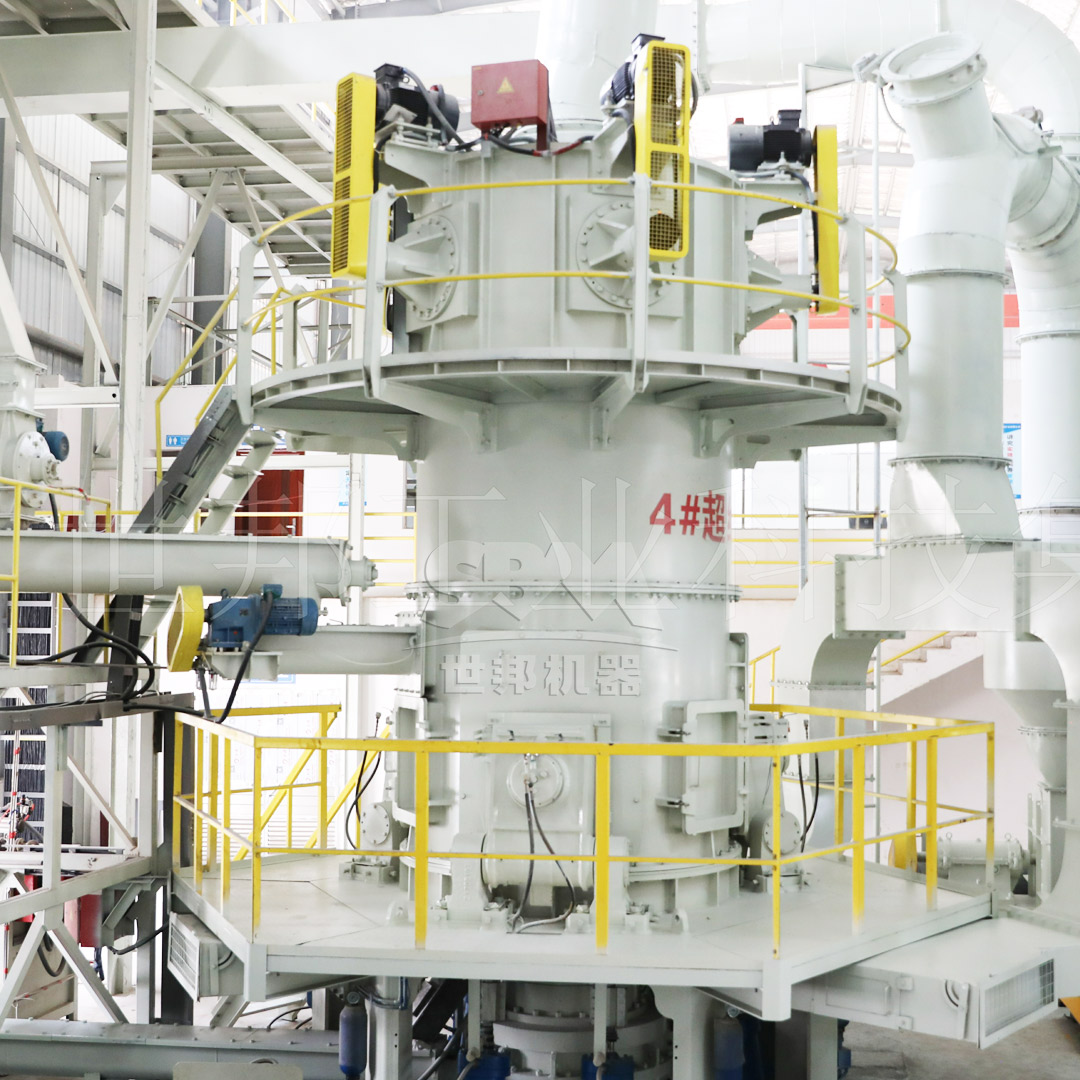
Our MTW Series Trapezium Mill offers an excellent solution for medium to large recycled alumina processing facilities. With input sizes up to 50mm and processing capacities ranging from 3-45 tons per hour, this system handles the volume requirements of industrial-scale operations while delivering consistent product quality in the 30-325 mesh range.
The MTW series incorporates several innovations specifically beneficial for recycled alumina processing:
- Anti-wear shovel design with combined shoveling plates that reduce maintenance costs
- Optimized curved air channel reducing air flow energy loss and improving transmission efficiency
- Integrated bevel gear transmission achieving 98% transmission efficiency with space-saving design
- Durable volute structure with non-blocking design improving air classification efficiency
Technical Comparison: Grinding Mill Performance in Alumina Applications
| Mill Type | Input Size | Output Fineness | Capacity Range | Energy Efficiency | Best Application |
|---|---|---|---|---|---|
| SCM Ultrafine Mill | ≤20mm | 325-2500 mesh | 0.5-25 t/h | 30% savings vs conventional | High-purity specialty alumina |
| MTW Trapezium Mill | ≤50mm | 30-325 mesh | 3-45 t/h | High transmission efficiency | Industrial-grade alumina |
| LM Vertical Roller Mill | ≤50mm | 30-325 mesh | 3-250 t/h | 30-40% savings vs ball mills | Large-scale production |
Economic and Environmental Benefits of Recycled Alumina Processing
The adoption of advanced grinding technology for recycled alumina processing delivers significant economic and environmental advantages over traditional bauxite-based production methods.
Economic Advantages
Modern alumina grinding mills substantially reduce operational costs through:
- Lower energy consumption per ton of processed material
- Reduced maintenance requirements and extended component life
- Higher processing efficiency and throughput
- Reduced raw material costs through use of recycled feedstocks
- Minimized waste generation and disposal costs
The SCM Ultrafine Mill, for instance, demonstrates how technological innovation translates to economic benefits. Its intelligent control system with automatic feedback for finished product granularity ensures optimal operation with minimal operator intervention, while the special material grinding rollers and rings provide service life several times longer than conventional components.
Environmental Benefits
The environmental advantages of recycled alumina processing extend beyond simple resource conservation:
- Reduction in mining-related environmental degradation
- Lower carbon footprint compared to virgin bauxite processing
- Decreased energy consumption throughout the product lifecycle
- Reduced waste sent to landfills
- Minimized water consumption in processing operations
Advanced grinding systems contribute significantly to these environmental benefits through their efficient operation and integrated environmental controls. The MTW Series Trapezium Mill, for example, incorporates multiple environmental protection features including optional multi-stage dust collection configurations that exceed national emission standards.
Implementation Considerations for Recycled Alumina Processing Facilities
Successfully integrating recycled alumina processing into existing operations requires careful planning and consideration of several key factors.
Feedstock Assessment and Preparation
The quality and consistency of recycled alumina feedstocks significantly impact processing efficiency and product quality. Implementing robust feedstock assessment and preparation protocols ensures optimal mill performance and product consistency.
System Integration and Scalability
Modern grinding systems must integrate seamlessly with existing material handling, classification, and packaging operations. The modular design of systems like the SCM Ultrafine Mill facilitates both initial implementation and future expansion as processing requirements evolve.
Quality Control and Certification
Establishing comprehensive quality control procedures is essential for ensuring that processed recycled alumina meets the specifications required for target applications. Advanced grinding systems with precise classification capabilities, such as the vertical turbine classifiers in the SCM series, provide the necessary control over critical quality parameters.
Future Trends in Alumina Processing Technology
The evolution of alumina grinding technology continues to address the changing needs of the industry, with several emerging trends shaping future developments:
- Increased automation and digitalization for improved process control and optimization
- Enhanced energy recovery systems to further reduce operational costs and environmental impact
- Advanced material science developing even more durable grinding components
- Integration with renewable energy sources to minimize carbon footprint
- Smart monitoring and predictive maintenance capabilities to maximize equipment uptime
Conclusion: The Path Forward for Sustainable Alumina Production
The processing of recycled alumina using advanced grinding technology represents a significant step toward more sustainable industrial practices. By partially replacing virgin bauxite with recycled materials, manufacturers can reduce their environmental impact while maintaining product quality and competitive positioning.
The development of specialized grinding equipment, such as the SCM Ultrafine Mill and MTW Series Trapezium Mill, has been instrumental in enabling this transition. These systems address the unique challenges of recycled alumina processing while delivering the performance, reliability, and efficiency required for commercial success.
As technology continues to advance and environmental regulations become increasingly stringent, the adoption of recycled alumina processing is likely to accelerate. Companies that invest in modern grinding technology today will be well-positioned to capitalize on this trend, achieving both economic and environmental benefits through more sustainable production methods.