Raymond Mill vs Vertical Roller Mill: Which Is Better for Dry Fluorite Grinding?
Introduction
Fluorite, also known as fluorspar, is a crucial industrial mineral with applications spanning metallurgy, ceramics, chemicals, and optics. The grinding process plays a pivotal role in determining the quality and value of fluorite powder. Among the various grinding technologies available, Raymond Mill and Vertical Roller Mill (VRM) are two prominent contenders for dry fluorite grinding operations. This comprehensive analysis examines the technical merits, operational characteristics, and economic considerations of both technologies to help processors make informed decisions.
Understanding Fluorite Grinding Requirements
Fluorite grinding presents unique challenges that demand specialized equipment. The mineral’s moderate hardness (4 on Mohs scale), brittleness, and varying color requirements necessitate precise control over grinding parameters. Key considerations include:
- Particle Size Distribution: Different applications require specific fineness ranges, from coarse grinding for metallurgical flux to ultra-fine powders for optical applications
- Color Preservation: Minimizing iron contamination is crucial for maintaining fluorite’s natural color characteristics
- Energy Efficiency: Grinding operations typically account for significant portions of processing costs
- Environmental Compliance: Dust control and noise reduction are essential for sustainable operations
Raymond Mill Technology Overview
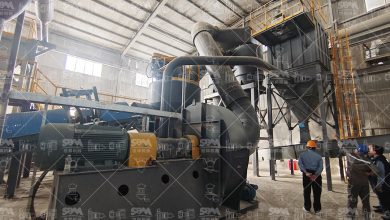
Raymond Mill, also known as pendulum roller mill, has been a workhorse in mineral processing for decades. The technology employs spring-loaded grinding rollers that rotate against a stationary grinding ring. Material is fed into the grinding zone and subjected to compressive forces between the rollers and ring.
Technical Characteristics
- Grinding Mechanism: Centrifugal compression with multiple grinding rollers
- Particle Size Range: Typically 30-325 mesh (600-45μm)
- System Configuration: Integrated grinding, classification, and collection systems
- Operation Principle: Material is fed through a central feed pipe and distributed by rotating plows to the grinding zone
Advantages for Fluorite Grinding
- Proven Reliability: Decades of operational experience across various minerals
- Easy Operation: Simple control systems require minimal specialized training
- Quick Adjustment: Fineness can be adjusted rapidly through classifier speed modification
- Lower Capital Cost: Generally more affordable initial investment compared to VRM systems
Limitations
- Higher Energy Consumption: Less efficient grinding mechanism increases operating costs
- Limited Fine Grinding Capability: Challenging to achieve ultra-fine products below 325 mesh
- Higher Wear Rates: Direct metal-to-metal contact accelerates component wear
- Larger Footprint: Requires more space compared to vertical mill configurations
- Grinding Mechanism: Bed compression with hydraulic roller pressure
- Particle Size Range: 30-600 mesh (600-20μm) with specialized models reaching finer sizes
- System Integration: Combined grinding, drying, classification, and transport functions
- Operation Principle: Material is fed to the center of a rotating table and distributed outward under centrifugal force
- Superior Energy Efficiency: 30-50% lower energy consumption compared to Raymond Mills
- Excellent Drying Capability: Integrated hot gas system can handle moist feed materials
- Compact Design: Vertical arrangement reduces footprint by up to 50%
- Reduced Wear: Material bed protection minimizes metal-to-metal contact
- Wide Fineness Range: Capable of producing both coarse and ultra-fine products
- Higher Capital Investment: More complex systems command premium pricing
- Operational Complexity: Requires skilled operators and maintenance personnel
- Longer Adjustment Times: Process parameter changes require more careful implementation
- Vibration Sensitivity: Proper bed formation is critical for stable operation
- Precision Grinding: Capable of producing fluorite powder in the range of 325-2500 mesh (45-5μm) with tight particle size distribution
- Energy Efficiency: 30% lower energy consumption compared to conventional systems while delivering twice the capacity of jet mills
- Advanced Classification: Vertical turbine classifiers ensure precise particle size cuts without coarse particle contamination
- Durability: Specially formulated wear materials for grinding components extend service life significantly
- Environmental Performance: Pulse dust collection exceeds international standards with noise levels below 75dB
- High Capacity: Processing capabilities from 3-250 tons per hour depending on model selection
- Integrated Design: Combined crushing, grinding, and classification functions reduce footprint by 50%
- Low Operating Costs: Non-contact grinding roller and table design extends wear part life up to three times
- Intelligent Control: Expert automatic control system supports remote operation and real-time parameter monitoring
- Environmental Compliance: Fully sealed negative pressure operation with dust emissions below 20mg/m³
- Small to Medium Operations: Raymond Mills often provide better ROI for operations below 5 tons per hour with limited product variety
- Large-Scale Operations: VRMs demonstrate superior economics for operations exceeding 10 tons per hour, with payback periods typically under 24 months
- High-Value Applications: Advanced vertical mills like our SCM series deliver the best economics for ultra-fine fluorite products despite higher initial investment
- Total Cost of Ownership: When considering energy, maintenance, and labor costs over a 5-year period, VRMs typically show 15-25% lower total operating costs
- 38% reduction in specific energy consumption
- 45% reduction in maintenance costs
- 22% improvement in product consistency
- 60% reduction in plant footprint
- Payback period of 18 months
- Hybrid Systems: Combining multiple grinding principles for optimal efficiency across particle size ranges
- Digitalization: AI-powered optimization and predictive maintenance systems
- Sustainability Focus: Technologies minimizing carbon footprint and water usage
- Modular Designs: Scalable systems allowing capacity expansion with minimal disruption
- Small to medium-scale operations (below 5 TPH)
- Applications requiring frequent product changes
- Operations with budget constraints or limited technical expertise
- Coarse to medium fineness requirements (30-200 mesh)
- Medium to large-scale operations (above 5 TPH)
- Applications demanding high energy efficiency
- Operations targeting consistent product quality with tight specifications
- Both coarse and fine grinding requirements (30-600 mesh)
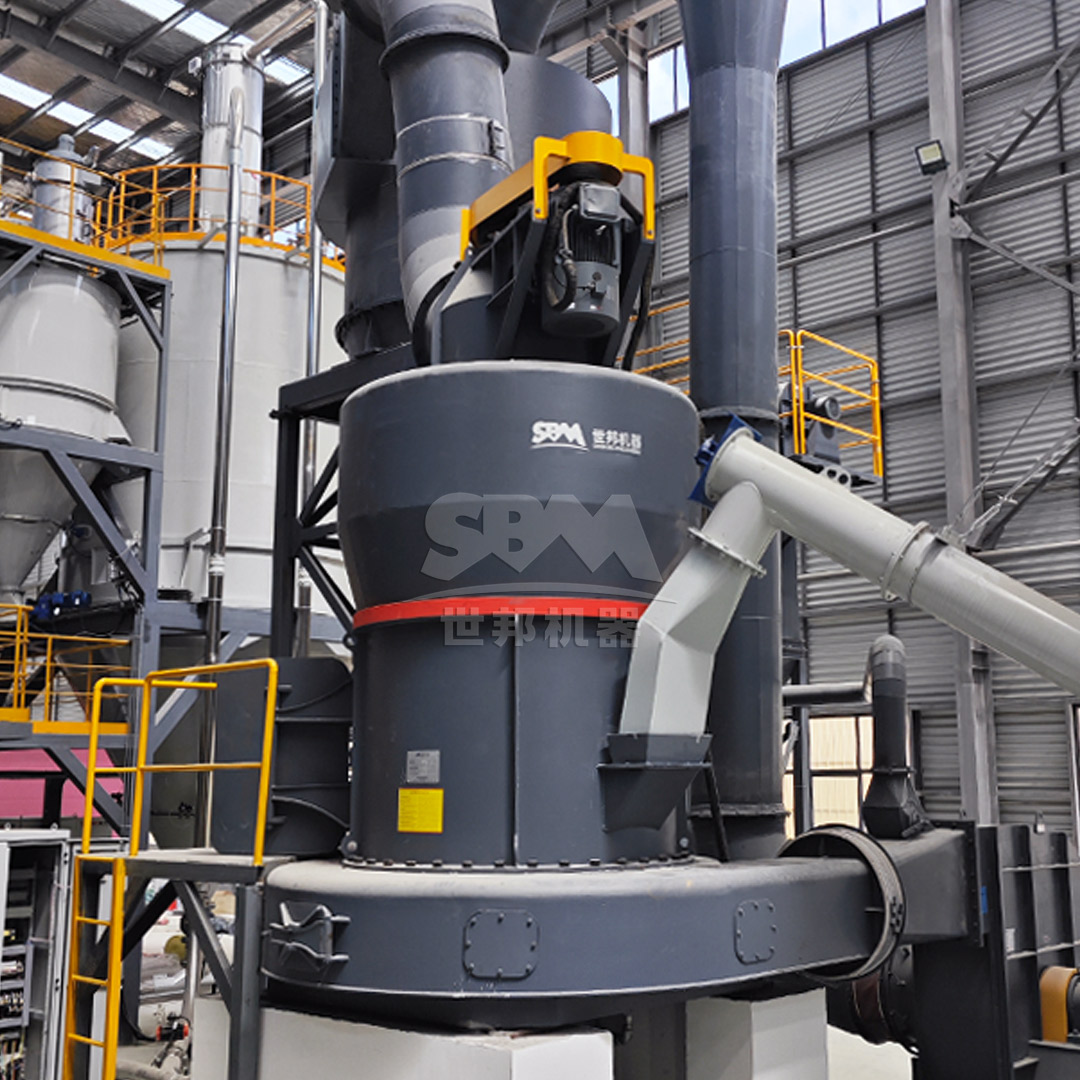
Vertical Roller Mill Technology Overview
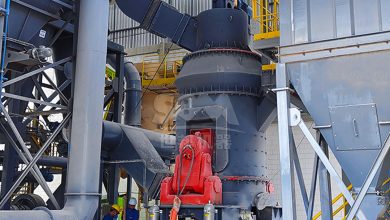
Vertical Roller Mills represent modern grinding technology that has gained significant traction in mineral processing applications. VRMs utilize a bed compression grinding principle where material is ground between a rotating table and hydraulically-loaded grinding rollers.
Technical Characteristics
Advantages for Fluorite Grinding
Limitations
Technical Comparison for Fluorite Applications
Grinding Efficiency and Energy Consumption
Vertical Roller Mills demonstrate clear advantages in energy efficiency for fluorite grinding. The bed compression mechanism employed by VRMs is inherently more efficient than the centrifugal compression of Raymond Mills. For typical fluorite grinding applications, VRMs consume 30-40% less energy per ton of product. This difference becomes increasingly significant as energy costs rise and environmental regulations tighten.
Product Quality and Control
Both technologies can produce quality fluorite powder, but VRMs offer superior control over particle size distribution. The integrated dynamic classifiers in modern VRMs provide sharper cuts and reduced oversize particles. For applications requiring strict particle size control, such as optical fluorite or high-purity chemical applications, VRMs deliver more consistent results.
Operational Flexibility
Raymond Mills offer advantages in operational flexibility, particularly for operations that frequently change product specifications. The simple adjustment mechanisms allow rapid changes in product fineness. VRMs, while capable of wider operating ranges, require more careful adjustment and stabilization when changing operating parameters.
Maintenance Considerations
Maintenance requirements vary significantly between the two technologies. Raymond Mills typically have lower maintenance costs per incident but may require more frequent attention. VRM maintenance is more complex but less frequent, with major component replacement occurring at extended intervals. For fluorite grinding, where abrasive wear is a concern, VRMs with specialized wear protection often demonstrate better long-term reliability.

Advanced Grinding Solutions for Fluorite
While both Raymond Mills and Vertical Roller Mills have their place in fluorite processing, modern operations increasingly favor advanced vertical mill technologies that combine the benefits of both approaches. Our company’s engineering team has developed specialized solutions specifically addressing the unique challenges of fluorite grinding.
SCM Ultrafine Mill for High-Value Fluorite Applications
For operations targeting high-value fluorite markets requiring ultra-fine products, our SCM Ultrafine Mill represents the pinnacle of grinding technology. This advanced system delivers exceptional performance for dry fluorite grinding with the following advantages:
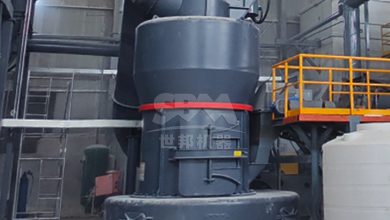
The SCM series employs a unique three-layer grinding ring design driven by the main motor. Fluorite material is dispersed to the grinding path by centrifugal force, undergoing progressive compression grinding through multiple stages. The final product collection through cyclone separators and pulse dust collection systems ensures maximum yield and minimal environmental impact.
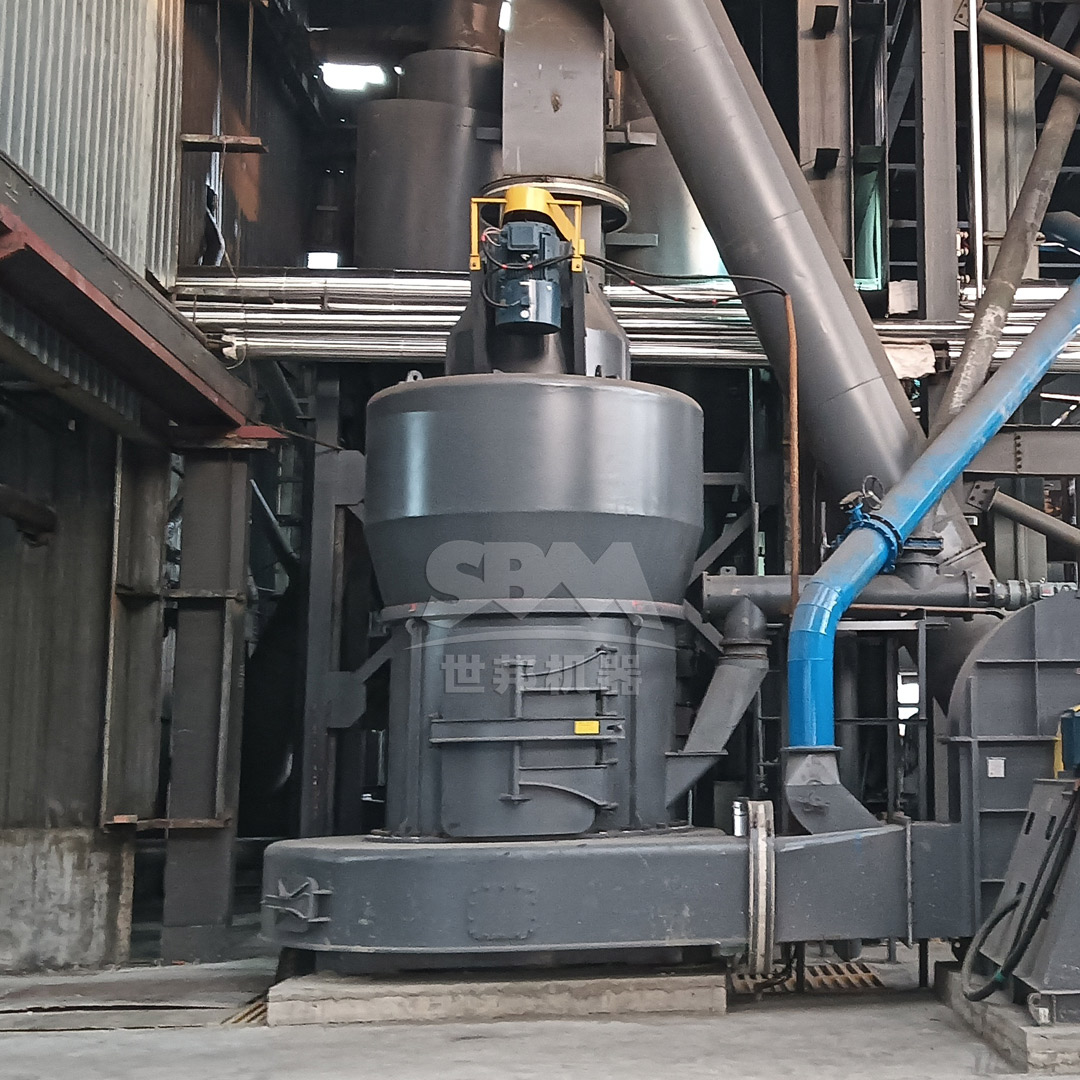
LM Vertical Roller Mill for High-Capacity Fluorite Operations
For large-scale fluorite processing operations requiring high throughput with moderate fineness requirements, our LM Vertical Roller Mill series offers uncompromised performance:
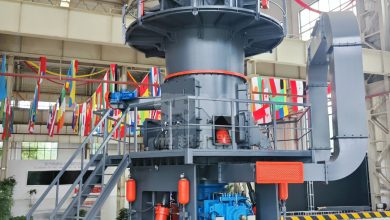
The LM series operates through a main motor driving the grinding table via a reduction gear. Fluorite material enters through the central feed chute and spreads uniformly under centrifugal force. Hydraulic grinding rollers apply compression force for bed comminution, with qualified fine powder carried by hot air to the classifier while coarse material returns to the grinding table for further processing.
Economic Analysis and Return on Investment
The selection between Raymond Mill and Vertical Roller Mill technologies must consider the complete economic picture beyond initial capital investment. Our analysis of multiple fluorite operations reveals that:
Case Study: Fluorite Processing Plant Upgrade
A recent project involving the upgrade of a 8 TPH fluorite grinding operation demonstrates the potential benefits of technology selection. The operation previously utilized multiple Raymond Mills to produce 200 mesh fluorite powder for the ceramics industry. By implementing a single LM190K Vertical Roller Mill from our product line, the operation achieved:
Future Trends in Fluorite Grinding Technology
The evolution of grinding technology continues to address the specific needs of fluorite processors. Emerging trends include:
Conclusion and Recommendations
The selection between Raymond Mill and Vertical Roller Mill technologies for dry fluorite grinding depends on multiple factors including production scale, product requirements, and economic considerations.
Raymond Mills remain a viable choice for:
Vertical Roller Mills deliver superior performance for:
For operations targeting ultra-fine fluorite products (above 325 mesh), specialized mills like our SCM Ultrafine Mill provide unmatched performance and economic benefits. Similarly, for high-capacity operations, our LM Vertical Roller Mill series offers the ideal combination of efficiency, reliability, and operational flexibility.
The ultimate selection should be based on a comprehensive technical and economic analysis considering the specific requirements of each fluorite processing operation. Our technical team remains available to conduct detailed evaluations and recommend the optimal grinding solution for your specific application.