Raymond Mill System Layout for Coal Powder Production
Introduction to Coal Powder Production Systems
The production of coal powder is a critical process in various industries, including power generation, cement production, and metallurgical applications. An efficient coal powder production system requires careful consideration of multiple factors, including raw material characteristics, desired output specifications, energy consumption, and environmental compliance. Raymond mill systems have emerged as one of the most effective solutions for coal grinding applications due to their robust design, operational efficiency, and adaptability to different coal types.
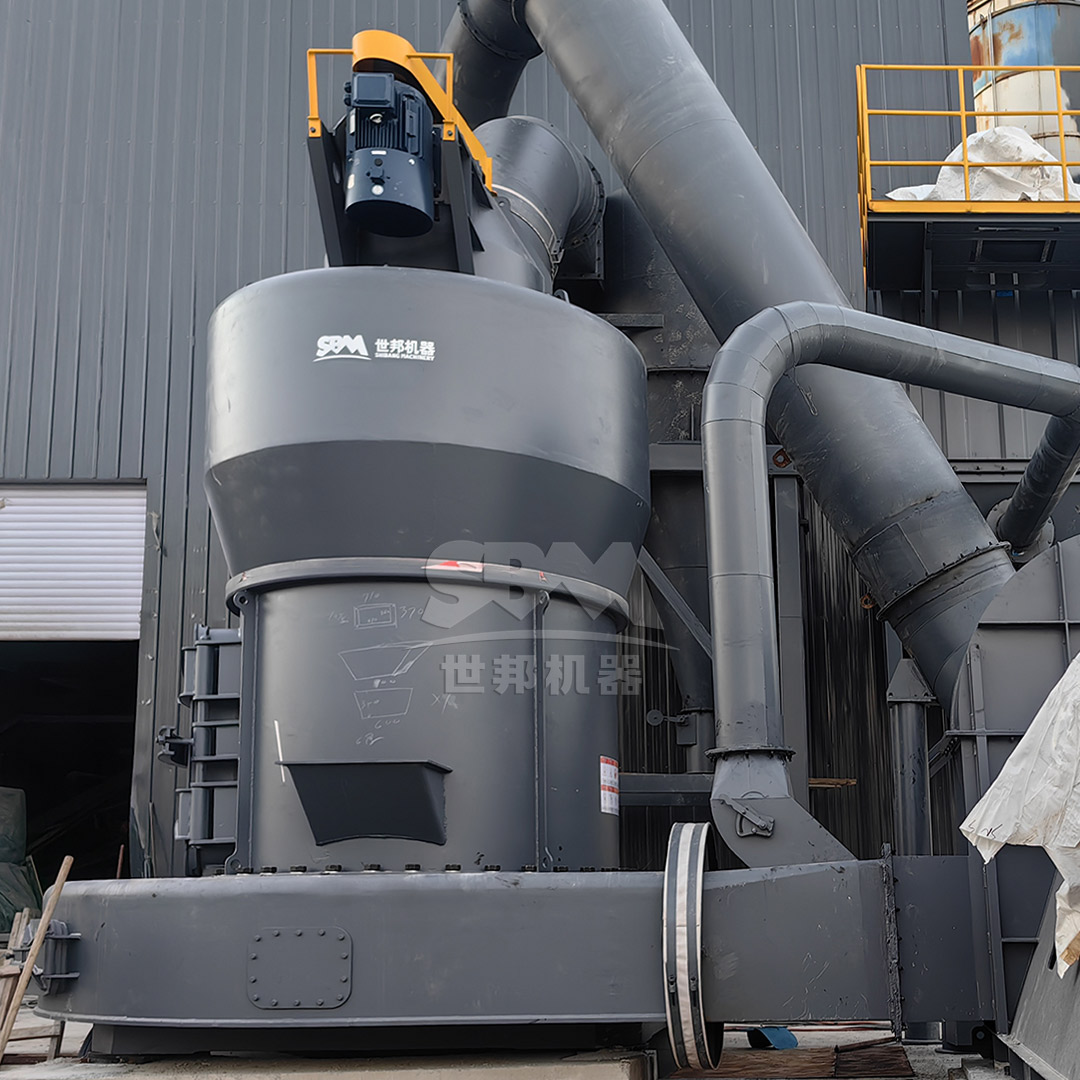
Modern coal powder production facilities typically incorporate a complete system layout that includes crushing, drying, grinding, classification, and collection stages. The heart of this system is the grinding mill, which determines the final product quality, production capacity, and overall operational economics. This article explores the optimal system layout for coal powder production using advanced milling technology, with particular focus on the integration of high-performance grinding equipment.
Key Components of Coal Powder Production System
Raw Material Preparation and Feeding
The first stage in coal powder production involves proper preparation of raw coal. This typically includes primary crushing to reduce coal lumps to manageable sizes (generally below 50mm), followed by drying to achieve optimal moisture content for grinding. The prepared coal is then fed into the grinding system through controlled feeding mechanisms that ensure consistent material flow and prevent system overload.
Modern feeding systems incorporate precision weigh feeders and belt conveyors with automated control loops that maintain optimal feed rates based on mill motor load and other operational parameters. Proper feeding is crucial for maintaining stable grinding conditions and achieving consistent product quality.
Grinding Mill Selection and Configuration
The grinding mill represents the core component of any coal powder production system. Selection of the appropriate grinding technology depends on multiple factors including required production capacity, target fineness, coal characteristics, and economic considerations. For coal powder production, vertical roller mills have gained significant popularity due to their higher energy efficiency compared to traditional ball mills and better drying capabilities.
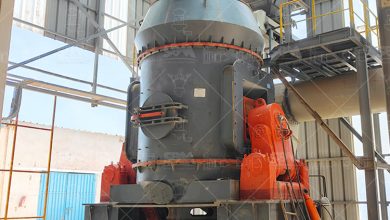
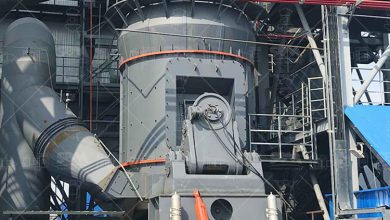
Vertical mills integrate multiple functions including grinding, drying, and classification within a single compact unit, reducing the overall system footprint and simplifying operational control. The grinding principle involves material being fed onto a rotating grinding table where it is ground between the table and grinding rollers. Simultaneously, hot gas introduced into the mill dries the coal and transports the ground powder to the classification system.
Classification and Product Collection
Following the grinding process, the coal powder-air mixture enters a classification stage where particles are separated based on size. Dynamic classifiers with adjustable rotor speeds allow precise control over the final product fineness. The classified fine powder is then transported to collection systems, typically comprising cyclones and baghouse filters.
Modern collection systems achieve filtration efficiencies exceeding 99.9%, ensuring minimal environmental emissions while maximizing product recovery. The collected coal powder is then conveyed to storage silos or directly to the point of use, such as burners in power plants or kilns in cement production.
Advanced Grinding Technologies for Coal Powder Production
Vertical Roller Mill Technology
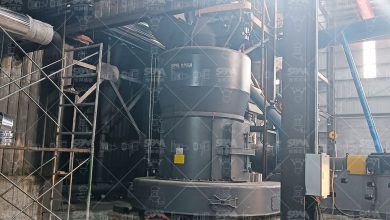
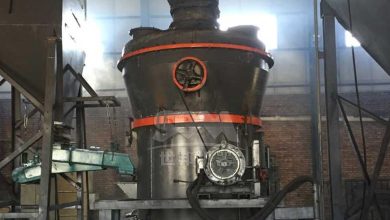
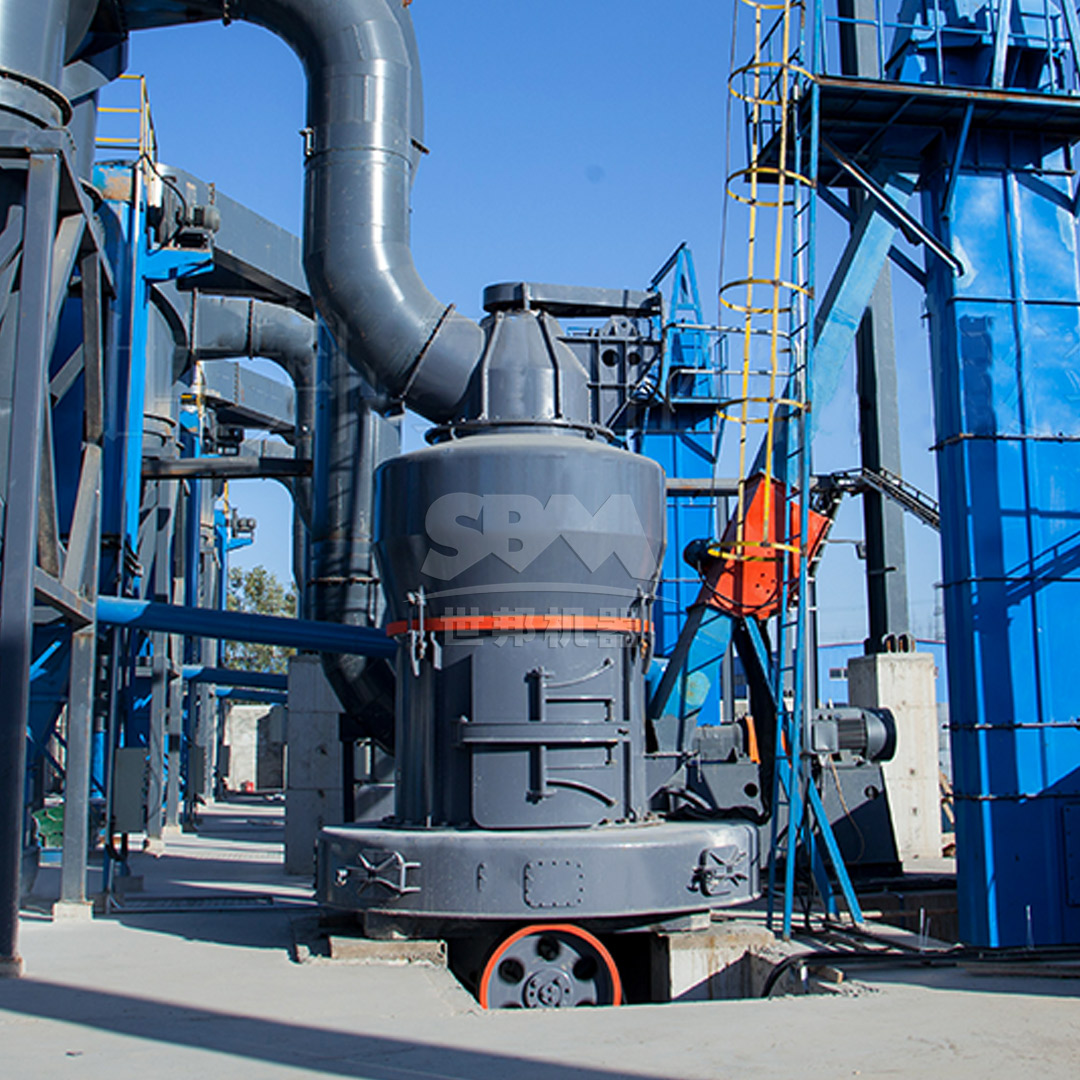
Vertical roller mills (VRMs) have become the preferred solution for coal grinding in modern industrial applications. These mills offer significant advantages over traditional grinding systems, including higher grinding efficiency, lower energy consumption, better drying capability, and more compact plant layout. The fundamental working principle involves material being ground between a rotating grinding table and two or more grinding rollers, with the ground material being transported by air to the classifier.
For coal powder production specifically, our LM Series Vertical Roller Mill offers exceptional performance characteristics. With input size capability up to 50mm and output fineness ranging from 30-325 mesh (special models achieving 600 mesh), this mill series provides the flexibility needed for various coal grinding applications. The integrated design combines crushing, grinding, and separation functions, reducing footprint by 50% and cutting infrastructure costs by 40% compared to traditional systems.
The LM Series demonstrates particularly strong advantages in coal grinding applications, with models specifically designed for coal (LM-M series) offering capacities from 3-90 tons per hour. Key technical benefits include non-contact design between grinding rollers and the grinding table, extending wear part life by 3 times, and energy consumption reductions of 30-40% compared to ball mill systems. The intelligent control system supports remote operation and real-time monitoring of operational parameters, minimizing manual intervention while maintaining consistent product quality.
High-Efficiency Classification Systems
Modern classification technology plays a crucial role in determining the final product quality in coal powder production. Dynamic classifiers with adjustable rotor speeds allow precise control over the cut point, ensuring consistent product fineness regardless of variations in feed material or operating conditions. Advanced classifier designs incorporate multiple rotors and optimized blade geometries to achieve sharp separation efficiency while minimizing pressure drop across the classifier.
For applications requiring ultra-fine coal powders, our SCM Series Ultrafine Mill represents an ideal solution. This advanced grinding system achieves output fineness ranging from 325 to 2500 mesh (D97 ≤ 5μm) with capacities from 0.5 to 25 tons per hour depending on model selection. The integrated vertical turbine classifier enables precise particle size control without coarse powder contamination, ensuring uniform product quality.
The SCM Series incorporates several innovative features specifically beneficial for specialized coal applications, including efficient energy utilization (30% lower energy consumption compared to jet mills), durable special material rollers and grinding rings with extended service life, and environmentally friendly operation with pulse dust collection efficiency exceeding international standards and noise levels below 75dB. The working principle involves a main motor driving a three-layer grinding ring rotation, with material dispersed to the grinding path by centrifugal force, progressively ground through roller compression, and finally collected by a cyclone collector and pulse dust removal system.
System Layout Considerations for Optimal Performance
Integrated System Design Approach
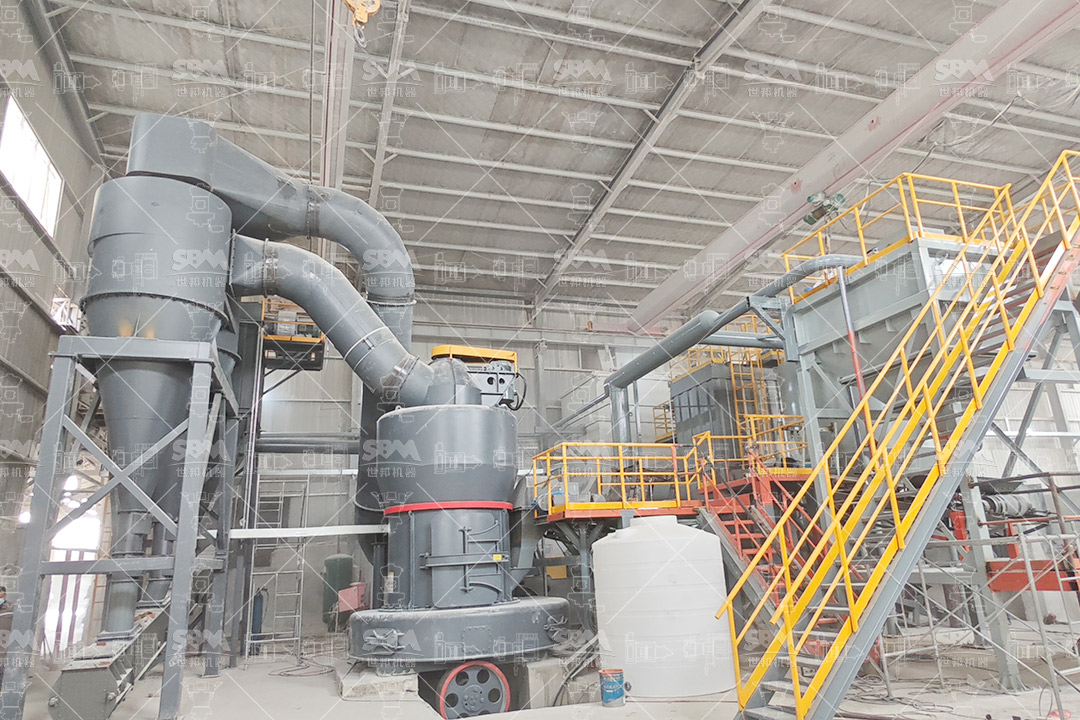
Designing an efficient coal powder production system requires an integrated approach that considers all components as part of a cohesive system rather than individual units. Key considerations include material flow optimization, energy efficiency maximization, operational reliability, and maintenance accessibility. The system layout should facilitate smooth material transfer between stages while minimizing pressure drops and potential blockage points.
Modern coal grinding systems increasingly adopt vertical arrangement of major components to reduce footprint and utilize gravity for material transport where possible. Proper insulation of hot gas ducts and thermal expansion accommodation are critical design aspects to ensure long-term operational reliability. Additionally, the layout should provide adequate access for maintenance activities, especially for wear part replacement in the grinding zone.
Automation and Control Systems
Advanced automation represents a critical element in modern coal powder production systems. Comprehensive control systems monitor and regulate all aspects of the grinding process, from raw material feeding to final product collection. Key controlled parameters include mill feed rate, grinding pressure, classifier speed, gas flow rate, and temperature profile throughout the system.
Modern distributed control systems (DCS) incorporate advanced control strategies such as model predictive control (MPC) to optimize system performance while maintaining operational constraints. These systems continuously adjust operating parameters to compensate for variations in coal characteristics and maintain consistent product quality. Remote monitoring capabilities enable expert support and troubleshooting without requiring physical presence at the plant site.
Environmental and Safety Considerations
Dust Emission Control
Coal powder production presents significant challenges in terms of dust emission control due to the combustible and potentially explosive nature of coal dust. Modern systems incorporate comprehensive dust collection systems typically comprising multiple stages of collection, including primary cyclones for coarse particle removal and high-efficiency bag filters for fine particle capture.
Pulse-jet baghouse filters with membrane filter media achieve filtration efficiencies exceeding 99.99%, ensuring emissions remain well below regulatory limits. Explosion protection measures including pressure relief vents, explosion suppression systems, and inert gas blanketing are integrated into the design to ensure safe operation under all conditions.
Noise Control Measures
Grinding systems generate significant noise from multiple sources including the mill drive, classifier, fans, and material transport. Modern system designs incorporate comprehensive noise control measures including acoustic enclosures for high-noise equipment, vibration isolation, and silencers on air ducts and vents.
Our grinding systems are designed with noise control as an integral consideration, with operational noise levels typically below 75-80 dB(A) at specified measurement points. This ensures compliance with workplace noise exposure regulations while creating a better working environment for operational staff.
Economic Considerations and Return on Investment
Capital and Operating Cost Analysis
The economic evaluation of coal powder production systems must consider both capital investment and long-term operating costs. While advanced grinding systems may require higher initial investment compared to conventional technologies, the significantly lower operating costs typically result in attractive payback periods.
Major operating cost components include energy consumption, wear part replacement, and maintenance labor. Vertical roller mills typically demonstrate 20-30% lower energy consumption compared to ball mills for similar applications, representing substantial savings over the system lifetime. Additionally, the longer wear part life and reduced maintenance requirements further contribute to lower operating costs.
Lifecycle Cost Optimization
Optimal system design considers the complete lifecycle cost rather than focusing solely on initial capital investment. This approach involves selecting equipment with demonstrated reliability, maintainability, and spare parts availability. System design should facilitate quick wear part replacement to minimize downtime during maintenance activities.
Our grinding systems are engineered with lifecycle cost optimization in mind, incorporating features such as quick-change roller assemblies, online condition monitoring capabilities, and remote diagnostic support. These features collectively contribute to higher system availability and lower total cost of ownership over the equipment lifetime.
Future Trends in Coal Powder Production Technology
Digitalization and Industry 4.0 Integration
The ongoing digital transformation of industrial processes is increasingly impacting coal powder production systems. Advanced digital technologies including IoT sensors, cloud computing, and artificial intelligence are being integrated into grinding systems to enable predictive maintenance, operational optimization, and remote operation.
Digital twins of grinding systems allow simulation of different operating scenarios and optimization of control strategies without disrupting actual production. Machine learning algorithms analyze operational data to identify optimal operating parameters for different coal types and product specifications, further enhancing system efficiency and product quality consistency.
Sustainability and Carbon Footprint Reduction
With increasing focus on environmental sustainability and carbon footprint reduction, coal powder production systems are evolving to minimize their environmental impact. Energy efficiency improvements remain a primary focus, with ongoing development of more efficient grinding technologies, waste heat recovery systems, and optimized system configurations.
Additionally, research is underway to develop technologies for co-processing of coal with alternative fuels and raw materials to reduce the overall carbon intensity of industrial processes. These developments will shape the next generation of coal powder production systems, balancing economic requirements with environmental responsibility.
Conclusion
The design and implementation of an efficient Raymond mill system for coal powder production requires careful consideration of multiple technical, economic, and environmental factors. Modern vertical roller mill technology offers significant advantages in terms of energy efficiency, operational flexibility, and product quality control compared to traditional grinding systems.
Our LM Series Vertical Roller Mill and SCM Series Ultrafine Mill represent advanced solutions tailored to the specific requirements of coal powder production across different capacity ranges and product specifications. These systems incorporate the latest technological innovations to deliver reliable, efficient, and environmentally compliant operation while minimizing total cost of ownership.
As the industry continues to evolve, ongoing technological developments in digitalization, automation, and sustainability will further enhance the performance and environmental profile of coal powder production systems, ensuring their continued relevance in an increasingly challenging industrial landscape.