Raymond Mill Structure, Components and Maintenance Guide
Introduction to Raymond Mill Technology
The Raymond mill, a cornerstone of industrial grinding for over a century, has evolved significantly from its original design. Today’s modern Raymond-type mills are sophisticated systems engineered for efficiency, precision, and reliability. This guide delves into the core structure, critical components, and essential maintenance practices for these mills, providing a comprehensive resource for operators and maintenance personnel. Furthermore, we will highlight how modern iterations, such as our advanced models, incorporate cutting-edge technology to surpass traditional limitations.
Core Structure and Key Components
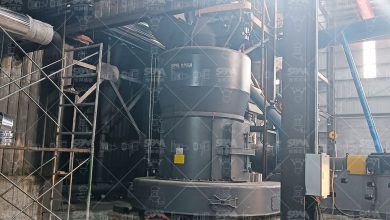
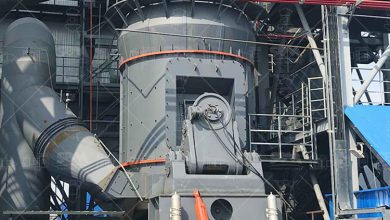
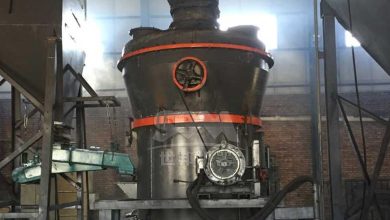
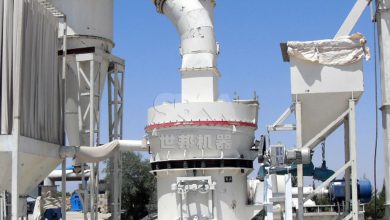
A modern Raymond mill is a complex assembly of several integrated subsystems. Understanding each component’s function is vital for optimal operation and troubleshooting.
1. Grinding Assembly
This is the heart of the mill where size reduction occurs.
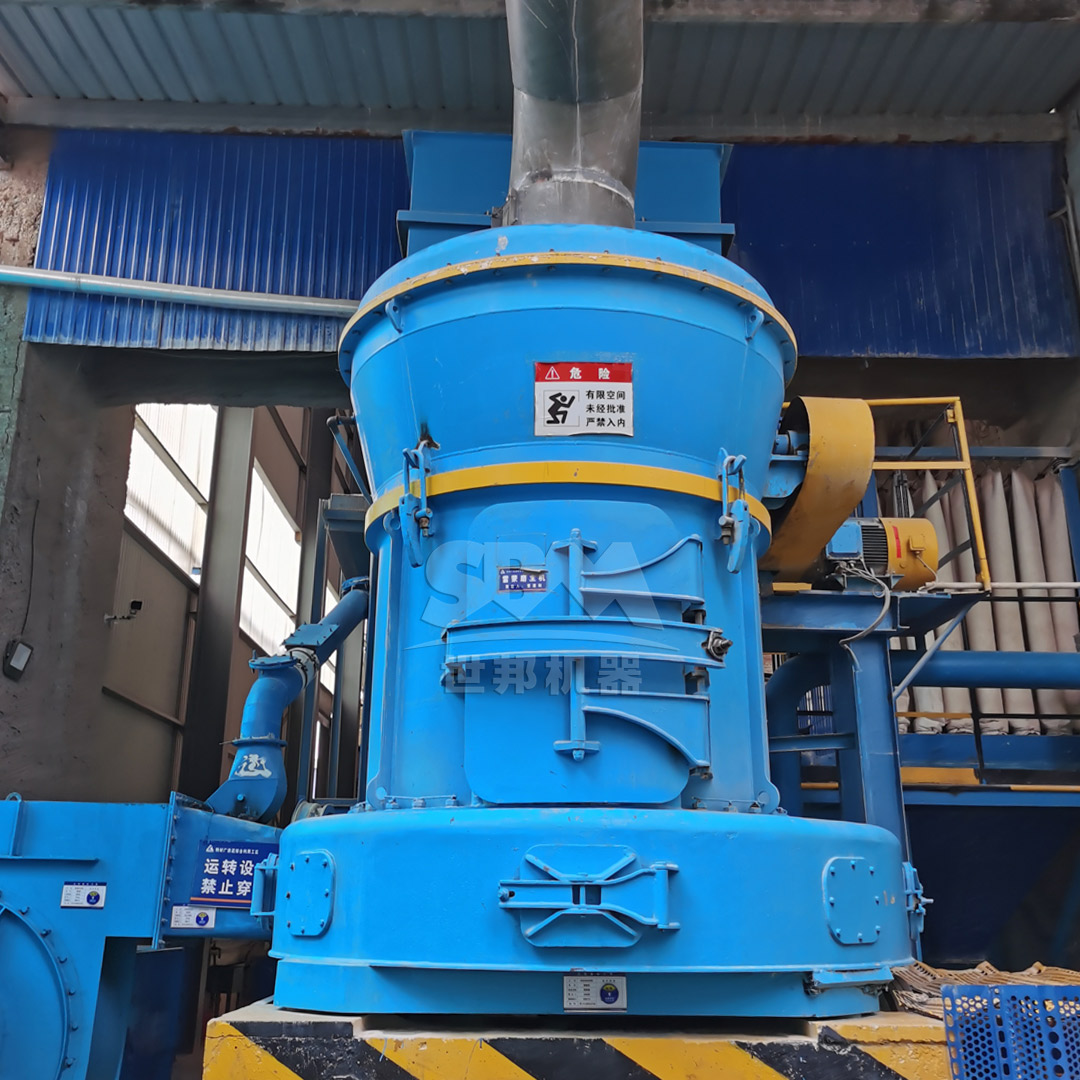
- Grinding Rollers and Rings: The primary wear parts. Material is fed between the rotating rollers and the stationary grinding ring (or bowl), where it is crushed by centrifugal force and pressure. Modern designs use special alloy materials to extend service life dramatically.
- Mainframe & Base: Provides the rigid structural foundation, housing the grinding chamber and supporting all other components. It must absorb vibration and operational stresses.
2. Drive and Transmission System
- Main Motor: Provides the primary power for the grinding assembly.
- Gearbox/Reducer: Steps down the motor speed to the optimal rotational speed for the grinding rollers or bowl. Advanced designs like the integral cone gear transmission in our MTW Series Trapezium Mill achieve up to 98% transmission efficiency, saving space and energy.
3. Classification System
This system separates fine, product-sized particles from coarse ones that require further grinding.
- Classifier (Separator): Typically a vertical turbine or dynamic classifier. It uses adjustable rotor speed to create a precise cut-point; only particles finer than the target size pass through to collection. High-precision classification is crucial for product uniformity.
4. Feeding and Conveying System
- Vibrating Feeder: Ensures a steady, controlled flow of raw material into the grinding chamber.
- Bucket Elevator/Screw Conveyor: Transports raw material to the feeder or mill inlet.
5. Powder Collection System
- Cyclone Collector: The primary collector, using centrifugal force to separate most of the finished powder from the air stream.
- Pulse Jet Baghouse Dust Collector: A final-stage, high-efficiency filter that captures ultrafine dust, ensuring emissions are well below environmental standards (often <20mg/m³). This is a standard feature in modern mills for environmental compliance.
- Induced Draft Fan: Creates the necessary airflow through the entire system, carrying the ground material from the mill to the classifiers and collectors.
Advanced Modern Alternatives: Enhancing Performance
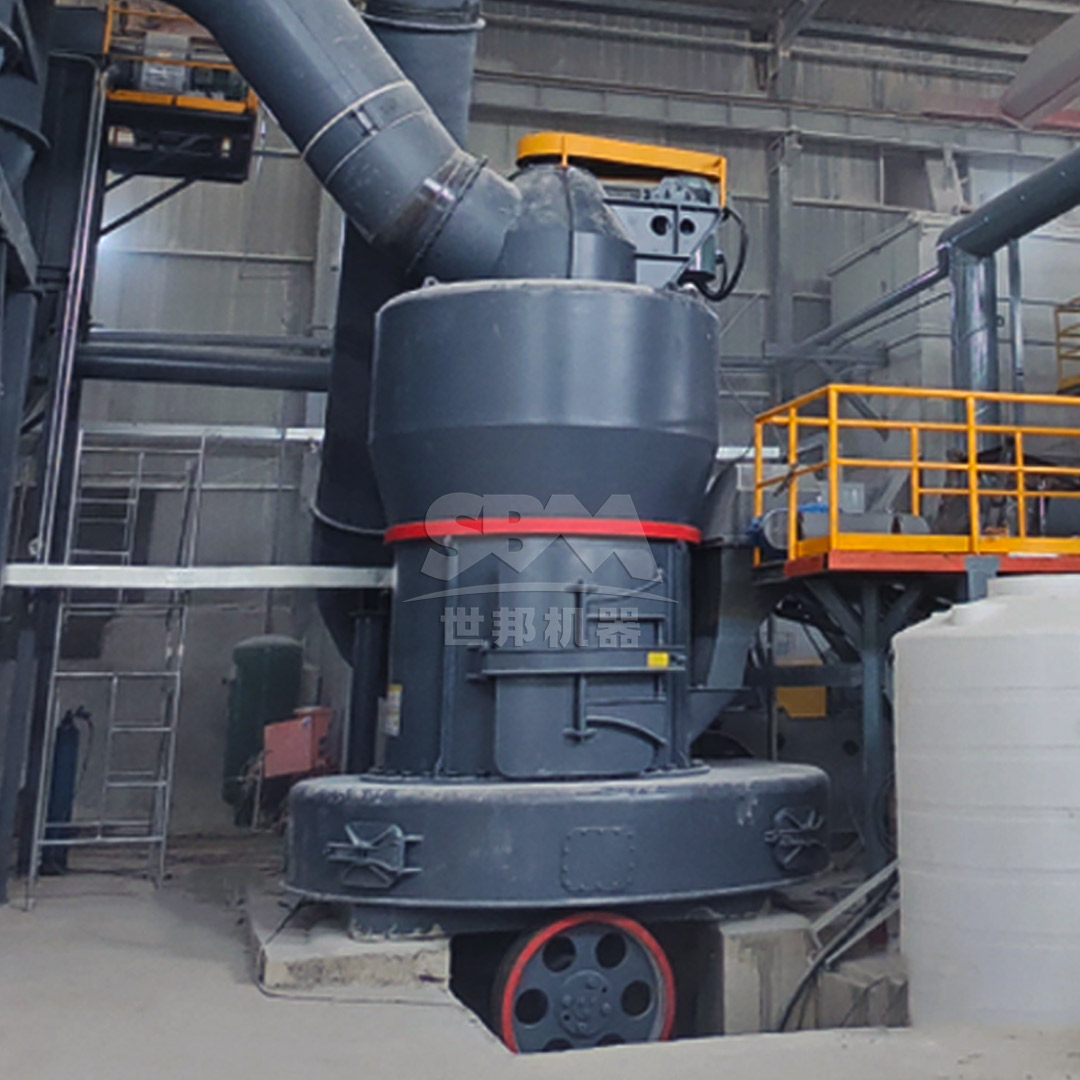
While traditional Raymond mills are effective for coarse to medium-fine grinding, achieving ultra-fine powders (below 325 mesh/45μm) with high efficiency requires more advanced technology. Our company’s engineering has led to the development of superior solutions that address these needs.
SCM Series Ultrafine Mill (45-5μm)
For applications demanding ultra-fine powders, the SCM Ultrafine Mill represents a significant leap forward. It is engineered to produce powders in the range of 325 to 2500 mesh (D97 ≤ 5μm), a fineness unattainable by standard Raymond mills.
- Superior Grinding Mechanism: Unlike the pendulum-style grinding of traditional mills, the SCM series often employs a multi-layer grinding ring and roller design for progressive, efficient comminution.
- High-Precision Vertical Turbine Classifier: Ensures accurate particle size cuts with no coarse powder contamination, guaranteeing a uniform final product.
- Exceptional Efficiency: With a capacity approximately double that of jet mills and energy consumption reduced by 30%, it sets a new benchmark for ultra-fine grinding economics. Its intelligent control system provides automatic feedback on product fineness.
- Durability & Eco-Friendliness: Special material rollers and grinding rings extend service life, while its pulse dust collector and soundproofing design ensure noise levels ≤75dB and minimal environmental impact.
Ideal for: High-value minerals, pharmaceuticals, advanced ceramics, and chemicals requiring ultra-fine powders.
MTW Series Trapezium Mill (600-45μm)
For high-capacity, medium to fine grinding (30-325 mesh), the MTW Series Trapezium Mill is the evolution of the classic Raymond mill. It incorporates numerous patented improvements for enhanced performance and lower operating costs.
- Innovative Wear-Resistant Design: Features a curved air duct that reduces energy loss and a bevel gear overall transmission system for compact, high-efficiency (98%) power delivery.
- Advanced Component Longevity: The modular wear-resistant shovel design significantly lowers maintenance costs and downtime. Its conical gear transmission is more durable and space-saving than traditional designs.
- Optimized Airflow and Collection: The curved duct and wear-resistant volute structure improve air conveyance and classification efficiency, reducing system resistance and power consumption.
Ideal for: Large-scale production of non-metallic minerals like limestone, calcite, dolomite, barite, and talc.
Essential Maintenance Guide
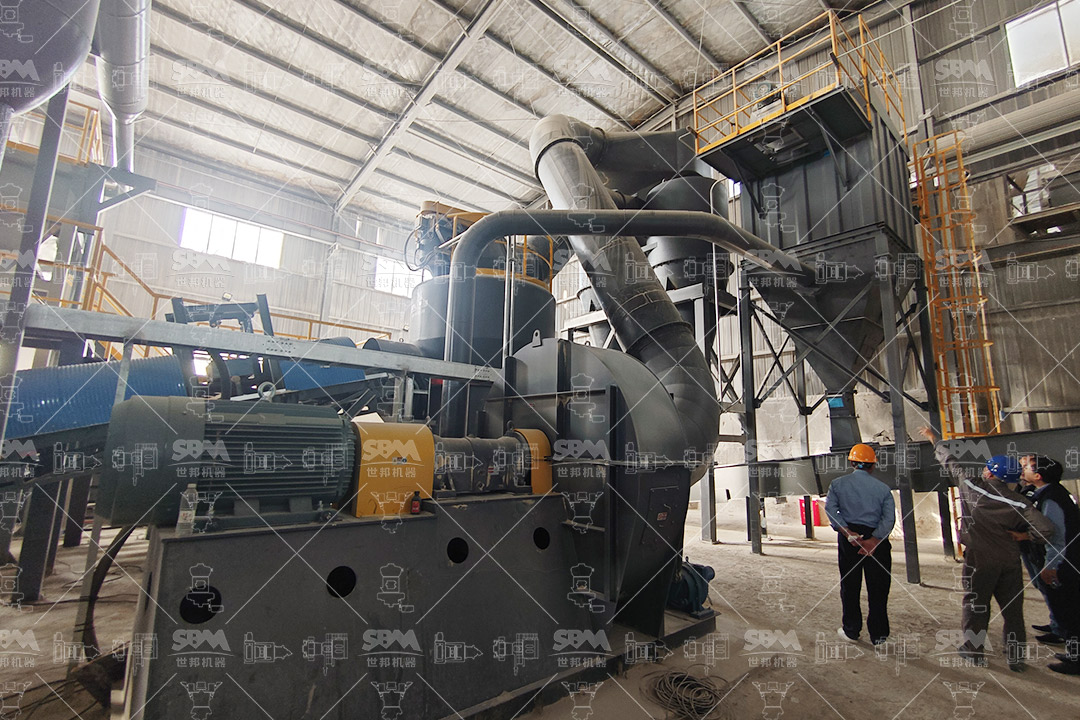
Proactive and regular maintenance is key to maximizing mill lifespan, ensuring consistent product quality, and preventing costly unplanned downtime.
Daily/Operational Checks
- Lubrication: Check oil levels in the gearbox, motor bearings, and roller bearings. Modern mills like our MTW and SCM series often feature centralized or automatic lubrication systems for easier maintenance.
- Vibration & Noise: Monitor for unusual vibrations or sounds from the grinding chamber, gearbox, or classifier, which can indicate imbalance, misalignment, or component wear.
- Feeder Operation: Ensure the vibrating feeder is delivering material consistently and without blockage.
- Pressure Drop: Monitor the differential pressure across the baghouse. A sudden increase may indicate bag blinding or a broken bag.
Weekly/Monthly Maintenance
- Wear Parts Inspection: Regularly inspect grinding rollers, grinding rings (or liners), and shovel blades. Measure wear and plan for replacements before failure occurs. Our SCM Mill’s special alloy components are designed for extended life, reducing change frequency.
- Classifier Inspection: Check the classifier blades and rotor for wear or buildup, which can affect particle size distribution.
- Bolt Tightening: Check and tighten all foundation, housing, and connection bolts, as vibration can cause them to loosen.
- Drive Belt Tension: If applicable, check and adjust belt tension on the main drive.
Quarterly/Annual Overhaul
- Complete Lubricant Change: Drain and replace oil in the gearbox and all lubrication points according to the manufacturer’s schedule.
- Bearing Inspection: Check all major bearings for wear, heat damage, and proper clearance.
- Electrical System Check: Inspect motors, starters, and control systems. Clean electrical cabinets and check connections.
- Dust Collector Service: Perform a thorough inspection of the baghouse. Replace filter bags as needed, check solenoid valves, and clean the housing.
- System Alignment: Verify the alignment of the main motor, gearbox, and grinding assembly.
Conclusion
Understanding the intricate structure and components of a Raymond mill is the first step toward efficient and reliable operation. Implementing a disciplined preventive maintenance schedule is the second. For operations pushing the boundaries of fineness or seeking higher throughput with lower operational costs, modern engineered solutions like our SCM Ultrafine Mill and MTW Series Trapezium Mill offer proven technological advantages. By selecting the right equipment and adhering to best-practice maintenance, producers can ensure optimal grinding performance, product quality, and long-term return on investment.