Raymond Mill Models and Their Suitable Grinding Materials
Introduction to Raymond Mill Technology
Raymond mill, also known as pendulum roller mill, has been a cornerstone of industrial grinding operations for over a century. This versatile grinding equipment has evolved significantly from its original design, incorporating advanced technologies to meet the demanding requirements of modern mineral processing, construction materials production, and chemical industries. The fundamental principle of Raymond mill operation involves the grinding of materials between rotating rollers and a stationary grinding ring, with centrifugal force ensuring continuous material feed and uniform particle size distribution.
Today’s Raymond mill systems encompass a wide range of configurations, each optimized for specific material characteristics and production requirements. From traditional pendulum mills to advanced vertical roller mills and ultra-fine grinding systems, the technology continues to advance, offering improved efficiency, finer particle size control, and reduced operational costs. Understanding the capabilities of different mill models and their compatibility with various grinding materials is essential for optimizing production processes and achieving desired product specifications.
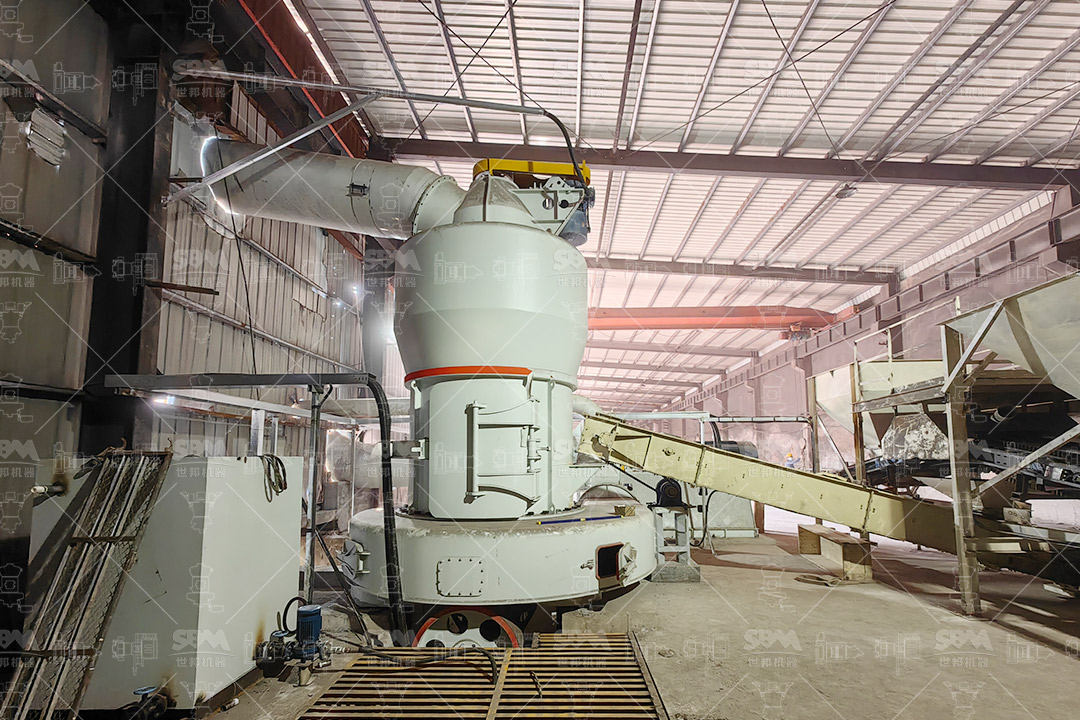
Major Raymond Mill Types and Their Technical Specifications
Traditional Pendulum Mills
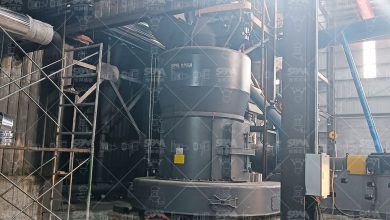
Traditional pendulum mills represent the foundational design of Raymond milling technology. These systems feature spring-loaded grinding rollers that swing outward due to centrifugal force, pressing against a stationary grinding ring. The MB5X Pendulum Mill exemplifies modern evolution of this design, incorporating advanced features such as稀油润滑系统 (thin oil lubrication system) and efficient dust collection technology. With capacity ranging from 2.7 to 83 TPH and output fineness between 30-325 mesh, these mills maintain their relevance in applications requiring medium-fine grinding of non-metallic minerals.
The technological advancements in pendulum mills include improved roller suspension systems, enhanced classifier designs for better particle size control, and integrated automation for operational stability. These mills typically handle materials with Mohs hardness below 7 and moisture content under 6%, making them suitable for processing limestone, dolomite, barite, and other industrial minerals where precise control over particle size distribution is required.
Vertical Roller Mills
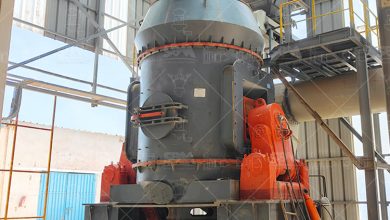
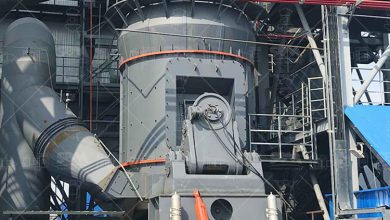
Vertical roller mills (VRMs) represent a significant advancement in grinding technology, offering higher efficiency and greater capacity compared to traditional pendulum mills. The LM Series Vertical Roller Mill exemplifies this category with its integrated design that combines crushing, grinding, drying, and classification in a single unit. With capacity ranging from 3 to 250 TPH depending on the model and material characteristics, these mills achieve output fineness between 30-325 mesh (with special configurations reaching 600 mesh).
The key advantages of vertical roller mills include their compact design (reducing footprint by up to 50% compared to ball mill systems), significantly lower energy consumption (30-40% reduction compared to ball mills), and ability for outdoor installation that substantially reduces civil construction costs. The non-contact design between grinding rollers and the table extends wear part life up to three times, while advanced control systems enable remote operation and real-time monitoring of critical parameters.
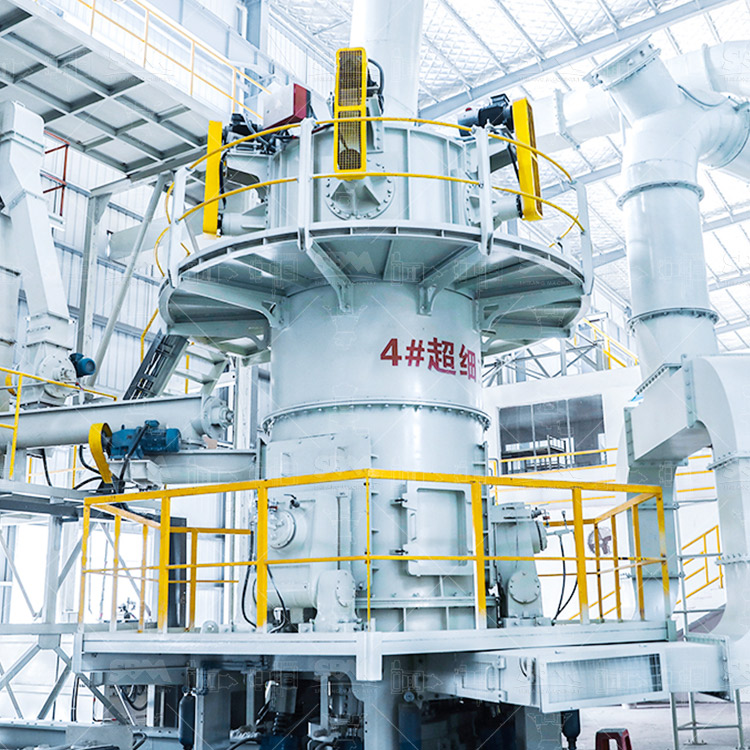
Ultra-Fine Grinding Mills
For applications requiring exceptionally fine powders, ultra-fine grinding mills provide the necessary technology to achieve particle sizes down to 5μm (D97). The SCM Ultrafine Mill represents this category with its ability to produce powders in the range of 325-2500 mesh. With capacity from 0.5 to 25 TPH and feed size up to 20mm, these mills incorporate advanced classification systems featuring vertical turbine classifiers that ensure precise particle size cuts without coarse powder contamination.
The technological features enabling ultra-fine grinding include multi-layer grinding ring designs, specialized roller and ring materials for extended service life, and intelligent control systems that automatically maintain target particle size. These mills typically achieve energy efficiency that doubles the capacity of jet mills while reducing energy consumption by 30%, making them particularly suitable for high-value additives, functional fillers, and specialty chemicals where particle size significantly influences product performance.
Material Compatibility and Selection Guidelines
Non-Metallic Minerals
Non-metallic minerals represent the most common application for Raymond mills, with specific mill configurations optimized for different mineral characteristics. For calcium carbonate grinding, both pendulum mills and vertical roller mills deliver excellent results, with fineness adjustable between 200-2500 mesh depending on the mill type. The MTW Series Trapezium Mill, with its output range of 30-325 mesh (extendable to 0.038mm), provides an optimal solution for ground calcium carbonate production in the paint, plastic, and paper industries.
Other non-metallic minerals such as barite, gypsum, talc, and kaolin each present unique grinding challenges that require specific mill configurations. Barite, with its high density, benefits from mills with powerful grinding force and wear-resistant materials, while kaolin’s plate-like structure requires gentle grinding action to preserve particle morphology. The curved blade design in MTW Series mills and wear-resistant蜗壳结构 (volute casing structure) significantly improve performance with these challenging materials while reducing maintenance costs by 30%.
Metallic Ores and Industrial Minerals
Metallic ores and industrial minerals with higher hardness values require mills with robust construction and specialized wear protection. Iron ore, manganese ore, and chromium ore typically have Mohs hardness between 5-6.5, necessitating mills with enhanced wear resistance and higher power capacity. The LM Series Vertical Roller Mills, with their non-contact grinding design and specialized material compositions, extend wear part life significantly when processing these abrasive materials.
For metallic ore grinding applications, the integration of pre-drying systems becomes crucial when processing materials with higher moisture content. The inherent drying capability of vertical roller mills, utilizing hot gas introduced beneath the grinding table, enables processing of materials with moisture content up to 15-20% without requiring separate drying equipment. This integrated approach significantly reduces both capital and operating costs for metallic ore processing operations.
Specialty Applications and Advanced Materials
Advanced materials and specialty applications present unique challenges that require customized mill configurations and operating parameters. For high-purity applications such as pharmaceutical excipients or electronic materials, mills with specialized interior surfaces and advanced sealing systems prevent contamination. The SCM Ultrafine Mill, with its precision classification system achieving D97 ≤ 5μm and pulse dust collection efficiency exceeding international standards, provides the necessary control for these demanding applications.
Waste valorization applications, including slag, fly ash, and construction waste recycling, benefit from mills with robust construction and adaptability to varying feed materials. The LM Series Vertical Slag Mills, specifically designed for granulated blast furnace slag with Bond work index ≤ 23 kWh/t and iron content ≤ 1%, achieve specific surface area ≥ 420 m²/kg while maintaining output moisture ≤ 1%. These specialized configurations enable value creation from industrial by-products while supporting circular economy initiatives.
Recommended Mill Solutions for Specific Applications
SCM Ultrafine Mill for High-Value Fine Powder Production
For operations requiring production of ultra-fine powders with tight particle size distribution, the SCM Ultrafine Mill represents an optimal solution. This mill series achieves output fineness between 325-2500 mesh (D97 ≤ 5μm) with capacity ranging from 0.5 to 25 TPH depending on the specific model and material characteristics. The technological advantages include vertical turbine classification for precise particle size cuts, special material rollers and grinding rings that extend service life several times, and intelligent control systems that automatically maintain target fineness.
The SCM series incorporates multiple model options to match specific production requirements, from the SCM800 with 0.5-4.5 TPH capacity and 75kW main motor power to the SCM1680 with 5.0-25 TPH capacity and 315kW main motor power. All models maintain consistent output fineness capability while scaling throughput to match operational needs. The environmental performance, with pulse dust collection efficiency exceeding international standards and noise levels ≤ 75dB, ensures compliance with stringent regulatory requirements while maintaining operator comfort.
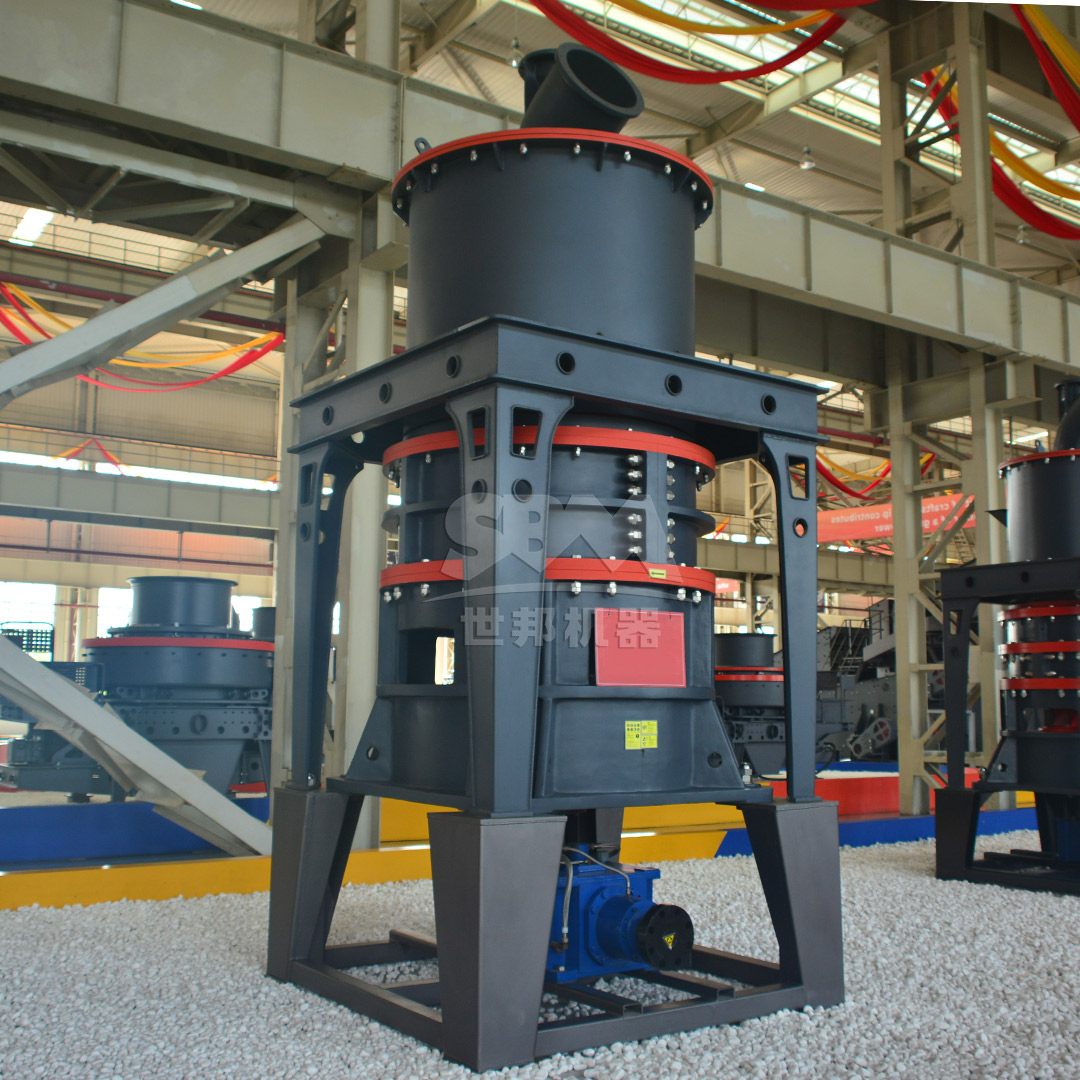
MTW Series Trapezium Mill for General Industrial Applications
For general industrial applications requiring robust performance and operational flexibility, the MTW Series Trapezium Mill provides an excellent balance of capacity, fineness control, and operational economy. With output fineness adjustable between 30-325 mesh (extendable to 0.038mm) and capacity ranging from 3 to 45 TPH, this mill series handles feed materials up to 50mm in size. The innovative design features include combined blade systems that reduce maintenance costs, curved air channels that minimize energy loss and improve transmission efficiency, and cone gear integral transmission achieving 98% transmission efficiency.
The MTW series offers multiple configuration options to match specific application requirements, from the MTW110 with 3-9 TPH capacity to the high-capacity MRN218 model handling 15-45 TPH. The wear-resistant volute structure without flow obstruction improves air classification efficiency while reducing maintenance costs by 30%. These features make the MTW Series particularly suitable for processing non-metallic minerals in construction materials, paint, and chemical industries where consistent quality and operational reliability are paramount.
Operational Considerations and Best Practices
Feed Material Preparation and Handling
Proper feed material preparation significantly influences mill performance, product quality, and operational costs. Optimal feed size, typically controlled below 20mm for ultra-fine mills and up to 50mm for vertical roller mills, ensures efficient grinding action and prevents unnecessary wear. Pre-crushing systems, such as jaw crushers or hammer mills, should be properly sized to maintain consistent feed characteristics. Moisture control represents another critical parameter, with most Raymond mills operating optimally with feed moisture below 6%, though specialized configurations can handle higher moisture content through integrated drying systems.
Feed distribution systems must ensure even material flow across the grinding zone to prevent localized wear and maintain consistent product quality. Vibrating feeders with variable speed control, often integrated with weighing systems for mass flow measurement, provide the necessary control for optimal mill operation. Regular inspection and maintenance of feed systems prevent unexpected downtime and ensure consistent mill performance throughout operational campaigns.
Wear Part Management and Maintenance Strategies
Effective wear part management represents a significant opportunity for optimizing operational costs and maintaining product quality. Grinding rollers, grinding rings, and classifier components experience varying wear rates depending on material abrasiveness, operating parameters, and specific mill design. The SCM Ultrafine Mill’s special material rollers and rings demonstrate significantly extended service life, while the MTW Series’ combined blade design reduces replacement frequency and associated maintenance costs.
Proactive maintenance strategies, including regular inspection schedules, wear measurement protocols, and strategic spare parts inventory, minimize unplanned downtime and maintain consistent product quality. Modern mills incorporate design features that facilitate maintenance activities, such as the MTW Series’ accessible wear parts and the LM Series’ modular roller assembly system enabling quick replacement. Implementing systematic maintenance procedures based on operational hours and material throughput rather than reactive approaches significantly improves overall equipment effectiveness.
Future Trends in Raymond Mill Technology
The evolution of Raymond mill technology continues to address industry demands for higher efficiency, improved product quality, and reduced environmental impact. Digitalization represents a significant trend, with advanced control systems incorporating real-time monitoring of critical parameters, predictive maintenance algorithms, and remote operation capabilities. These digital technologies enable optimization of grinding parameters based on feed material characteristics and target product specifications, improving consistency while reducing energy consumption and wear rates.
Sustainability initiatives are driving development of mills with lower specific energy consumption, reduced water usage in cooling systems, and improved dust collection efficiency exceeding regulatory requirements. The integration of grinding systems with renewable energy sources and waste heat recovery represents another emerging trend, particularly in energy-intensive applications. Material science advancements continue to deliver improved wear-resistant materials that extend component life while maintaining product purity, particularly important for high-value applications in pharmaceutical, food, and electronic industries.
Conclusion
Selecting the appropriate Raymond mill model for specific grinding materials requires careful consideration of material characteristics, production requirements, and operational constraints. From traditional pendulum mills to advanced vertical roller mills and ultra-fine grinding systems, each technology offers distinct advantages for specific applications. The SCM Ultrafine Mill stands out for high-value fine powder production with its precise classification and extended wear life, while the MTW Series Trapezium Mill provides robust performance for general industrial applications with its operational flexibility and maintenance-friendly design.
Understanding the compatibility between mill technologies and material characteristics enables optimal selection that balances capital investment, operational costs, and product quality. As Raymond mill technology continues to evolve, incorporating digitalization, advanced materials, and sustainability features, these grinding systems will maintain their critical role in industrial processes across diverse sectors. Proper implementation, including appropriate feed preparation, systematic maintenance, and operational optimization, ensures that Raymond mills deliver consistent performance and maximum value throughout their operational life.