Raymond Mill for Grinding 100 Mesh Ore: Large Capacity Industrial Grinding Equipment
Introduction to 100 Mesh Ore Grinding Requirements
The demand for finely ground minerals and ores at 100 mesh (approximately 150 microns) has grown significantly across various industrial sectors, including mining, construction materials, chemicals, and metallurgy. Achieving consistent 100 mesh particle size distribution requires specialized grinding equipment that can handle large volumes while maintaining precise control over final product specifications. This article explores the technical considerations for selecting appropriate grinding machinery and highlights advanced solutions for industrial-scale ore processing.
Understanding Mesh Size and Its Industrial Significance
The term “mesh” refers to the number of openings in a linear inch of screening material. A 100 mesh screen has 100 openings per inch, corresponding to particles of approximately 150 microns in size. This specific particle size is critical for numerous applications:
- Optimal liberation of valuable minerals in beneficiation processes
- Enhanced chemical reactivity in industrial processes
- Improved flow characteristics for material handling
- Consistent quality in final product manufacturing
Industrial operations requiring 100 mesh grinding must balance production capacity with energy efficiency, making equipment selection a crucial decision that impacts both operational costs and product quality.
Traditional Raymond Mill Technology
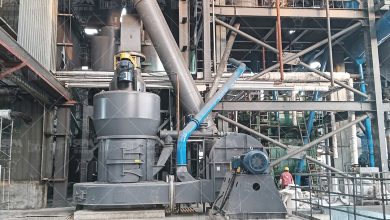
Conventional Raymond mill systems have been the workhorse of mineral grinding operations for decades. These systems typically employ a vertical structure with grinding rollers that apply centrifugal force against a grinding ring to pulverize materials. The original designs, while reliable, faced limitations in energy efficiency, maintenance requirements, and precision control over final particle distribution.
Traditional Raymond mills operate on the principle of grinding ring and roller compression, with internal air classification separating fine particles from coarse material that requires regrinding. While effective for many applications, these systems often struggle with achieving tight particle distribution curves and maintaining efficiency across varying ore hardness and moisture content.
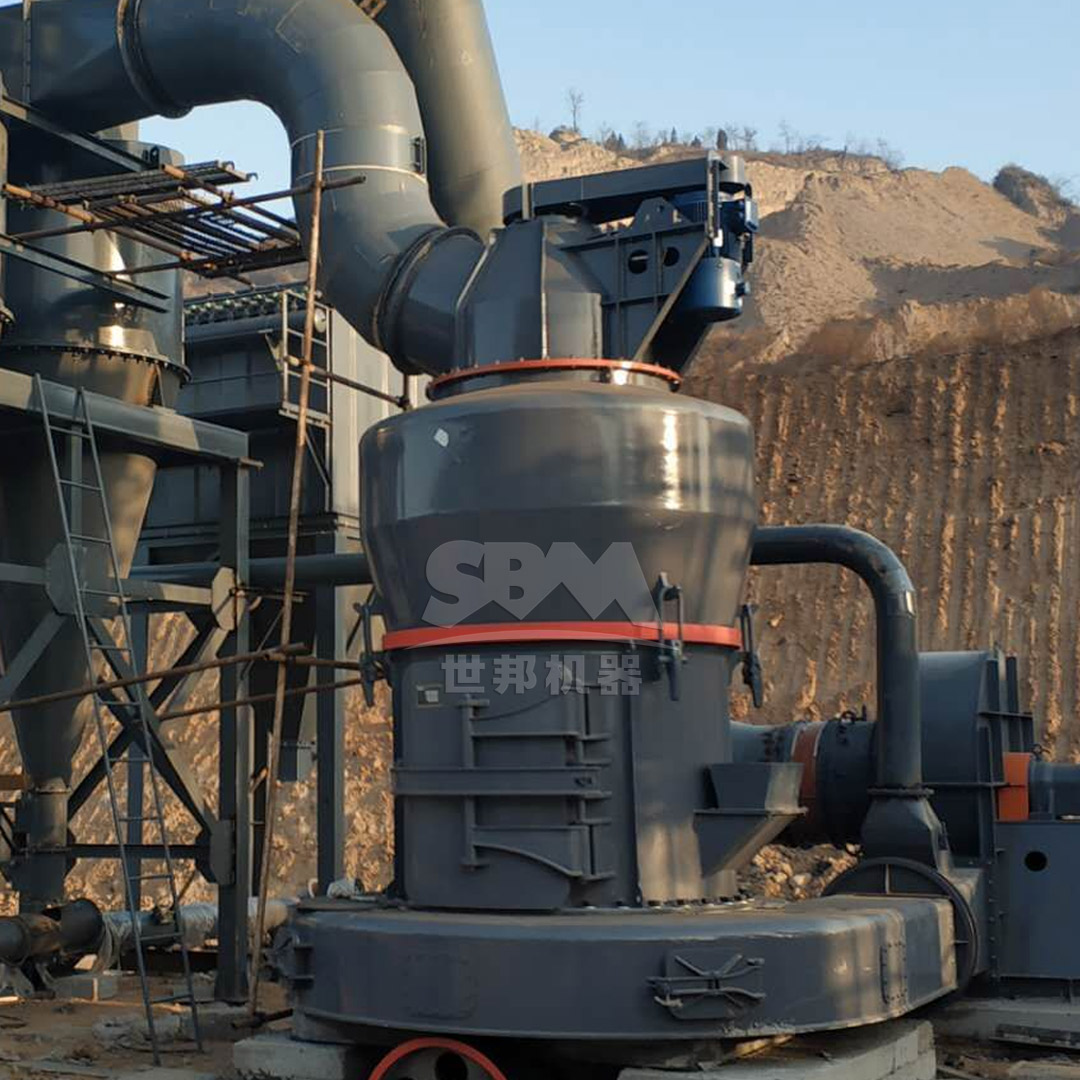
Advanced Grinding Solutions for Modern Requirements
Contemporary industrial operations demand more sophisticated approaches to ore grinding that address multiple operational parameters simultaneously. Modern grinding equipment must deliver:
- High throughput capacity with consistent product quality
- Energy efficiency to reduce operational costs
- Adaptability to varying ore characteristics
- Minimal maintenance requirements and downtime
- Environmental compliance with dust and noise emissions
MTW Series Trapezium Mill: Optimal Solution for 100 Mesh Grinding
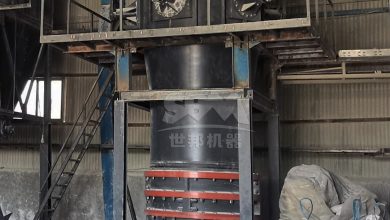
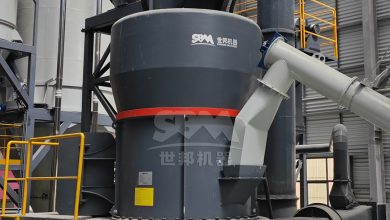
For operations requiring consistent 100 mesh output with high capacity, the MTW Series Trapezium Mill represents a significant advancement over traditional grinding technology. This European-style grinding mill incorporates multiple innovations that address the limitations of conventional systems while delivering superior performance for medium-to-large scale operations.
The MTW Series features a comprehensive technological package designed specifically for efficient production in the 30-325 mesh range, making it ideally suited for 100 mesh applications. Key advantages include:
- Advanced Wear Protection: The combination of segmented wear plates and curved blade design extends component life while reducing maintenance costs
- Optimized Airflow: Curved air duct technology minimizes pressure loss and improves material conveying efficiency
- High-Efficiency Transmission: Integrated cone gear transmission achieves 98% efficiency with compact footprint
- Enhanced Classification: Improved蜗壳structure eliminates flow resistance for better separation efficiency
With capacity ranging from 3-45 tons per hour depending on model selection, the MTW Series can accommodate varying production requirements while maintaining consistent 100 mesh output. The MTW215G model, with its 280kW main motor and 45 ton/hour capacity, is particularly well-suited for large-scale mining operations requiring high-volume 100 mesh production.

SCM Ultrafine Mill for Precision Applications
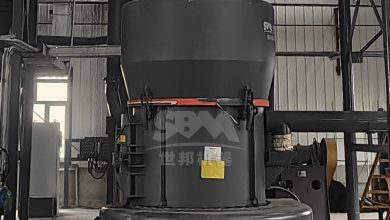
For operations that may require finer grinding capabilities beyond 100 mesh or exceptionally tight particle distribution control, the SCM Ultrafine Mill offers unparalleled performance in the 325-2500 mesh range (5-45 microns). While capable of producing much finer products, this system can be optimally configured for precise 100 mesh production with exceptional consistency.
The SCM Series incorporates several proprietary technologies that benefit 100 mesh grinding applications:
- High-Precision Classification: Vertical turbine classifiers provide exact particle size cuts with no coarse powder contamination
- Energy Efficiency: Operating at twice the capacity of jet mills with 30% lower energy consumption
- Durable Construction: Specially formulated roller and ring materials extend service life multiple times over conventional systems
- Environmental Performance: Pulse dust collection exceeding international standards with noise levels below 75dB
With models ranging from the SCM800 (0.5-4.5 ton/hour) to the SCM1680 (5.0-25 ton/hour), operations can select appropriate capacity while maintaining the flexibility to produce finer materials when market demands shift.
Technical Comparison: Selecting the Right Equipment
Choosing between grinding systems requires careful analysis of operational requirements and economic factors. The following comparison highlights key considerations for 100 mesh applications:
| Parameter | MTW Series Trapezium Mill | SCM Ultrafine Mill |
|---|---|---|
| Optimal Output Range | 30-325 mesh | 325-2500 mesh (configurable for 100 mesh) |
| Maximum Capacity | 45 ton/hour | 25 ton/hour |
| Energy Consumption | 30-40% lower than ball mills | 30% lower than jet mills |
| Footprint Requirements | Compact design | Space-efficient vertical structure |
| Maintenance Interval | Extended service life | Exceptional component durability |
Operational Considerations for 100 Mesh Grinding
Successful implementation of grinding systems for 100 mesh production requires attention to several operational factors:
Feed Material Characteristics: Ore hardness, moisture content, and feed size distribution significantly impact grinding efficiency and final product quality. The MTW Series accepts feed materials up to 50mm, reducing preliminary crushing requirements, while the SCM Series handles feeds up to 20mm with exceptional efficiency.
System Integration: Proper integration with feeding, classification, and collection systems ensures optimal performance. Both recommended mill series offer complete system solutions with integrated classification and dust collection.
Process Control: Modern grinding systems incorporate advanced control systems that automatically adjust operational parameters to maintain consistent product quality despite variations in feed material characteristics.

Economic Analysis: Cost Considerations for 100 Mesh Production
The total cost of ownership for grinding equipment extends beyond initial purchase price to include operational expenses, maintenance requirements, and production efficiency. Advanced systems like the MTW and SCM series offer significant advantages in multiple cost categories:
- Energy Consumption: High-efficiency designs reduce power requirements by 30-40% compared to conventional systems
- Maintenance Costs: Durable components and accessible maintenance points reduce both downtime and replacement part expenses
- Labor Requirements: Automated controls and monitoring systems minimize operational staffing needs
- Product Quality: Consistent particle size distribution reduces product rejection rates and improves market value
Case Study: Large-Scale Implementation
A mining operation in South America recently implemented an MTW215G trapezium mill for grinding copper ore to 100 mesh for flotation processing. The system achieved 42 ton/hour throughput with consistent product quality and 35% reduction in energy consumption compared to their previous ball mill circuit. The installation paid for itself in under 14 months through reduced operating costs and increased recovery rates.
Future Trends in Industrial Grinding Technology
The evolution of grinding technology continues to focus on energy efficiency, digital integration, and operational flexibility. Emerging trends include:
- Integration with IoT platforms for predictive maintenance and remote operation
- Advanced material science for extended component life
- Hybrid systems that combine multiple grinding principles for optimal efficiency
- Enhanced classification technologies for tighter particle distribution control
Conclusion
Selecting the appropriate grinding equipment for 100 mesh ore processing requires careful consideration of multiple technical and economic factors. The MTW Series Trapezium Mill and SCM Ultrafine Mill represent advanced solutions that address the limitations of traditional Raymond mill technology while delivering superior performance, efficiency, and reliability. By leveraging these modern grinding systems, industrial operations can achieve their production targets with optimized operational costs and consistent product quality.
For operations specifically focused on high-volume 100 mesh production, the MTW Series offers an ideal balance of capacity, efficiency, and operational simplicity. For applications requiring exceptional precision or the flexibility to produce finer materials, the SCM Series provides unparalleled performance with minimal operational adjustments.