Raymond Mill for 10TPH Dolomite Powder Production Line
Introduction
The production of dolomite powder is a critical process in numerous industries, including construction materials, glass manufacturing, agriculture, and ceramics. Dolomite, a calcium magnesium carbonate mineral, requires precise grinding to achieve the desired fineness and particle size distribution for its various applications. For a production target of 10 tons per hour (TPH), selecting the right grinding mill is paramount to ensure efficiency, product quality, and operational economy. This article delves into the technical considerations for a 10TPH dolomite powder production line, with a focus on the pivotal role of Raymond Mill technology and its modern evolution.
Dolomite Characteristics and Grinding Requirements
Dolomite (CaMg(CO3)2) typically has a Mohs hardness of 3.5 to 4, making it a moderately hard material. Its grinding behavior is influenced by factors such as feed size, moisture content, and the required final product specifications. For many industrial uses, dolomite powder is required in fineness ranges from 30 mesh (600μm) to 325 mesh (45μm) for fillers and extenders, and even finer grades (e.g., 600-2500 mesh) for high-value applications like high-performance plastics or coatings.
A 10TPH capacity line represents a medium-to-large scale operation where reliability, energy consumption, and maintenance costs become significant factors. The grinding system must handle a consistent feed of crushed dolomite (typically under 30mm) and transform it into a uniform powder with controlled top-size and minimal oversize particles.
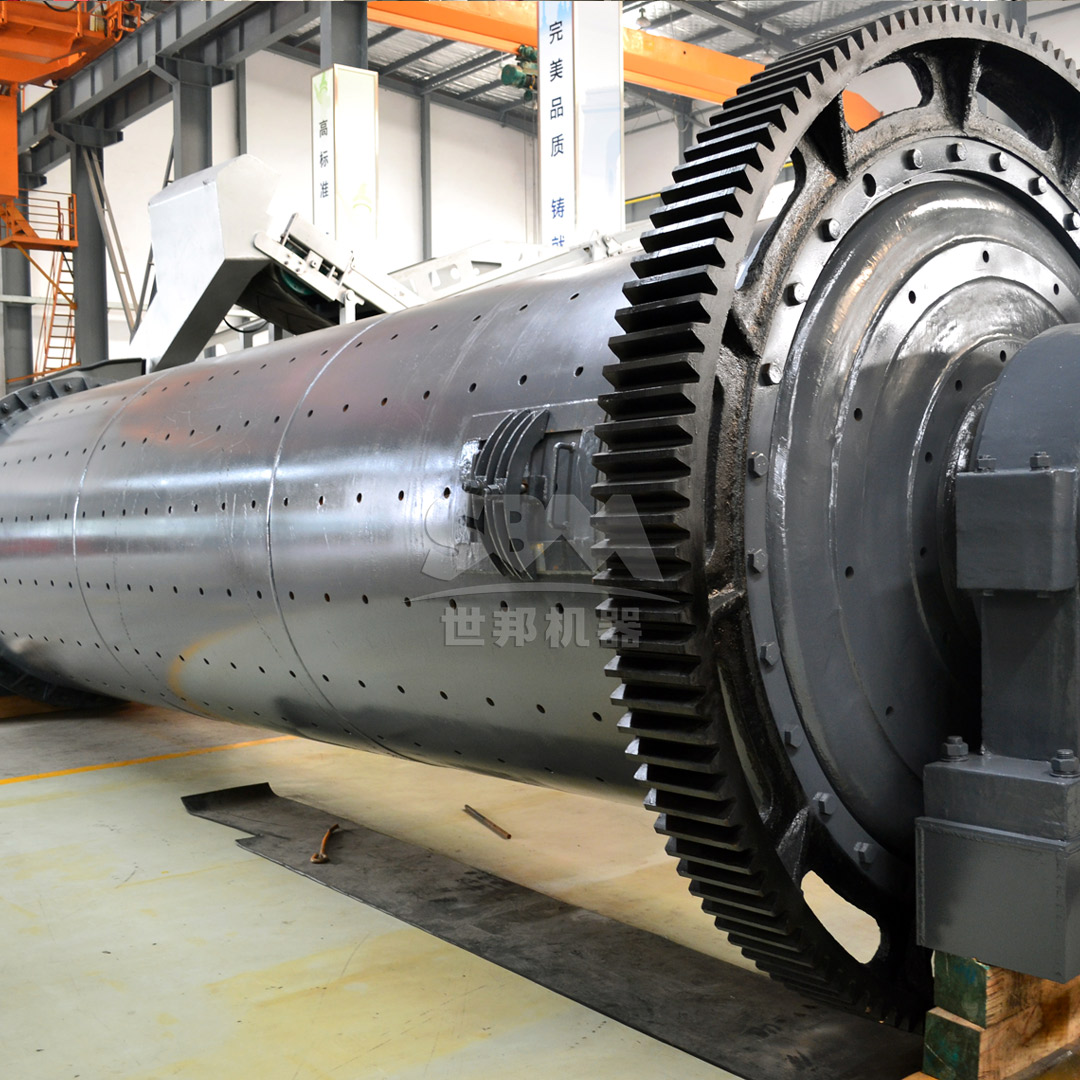
The Evolution of Raymond Mill Technology
The term “Raymond Mill” has historically referred to a specific type of pendulum roller mill. Today, it broadly encompasses a class of vertical roller mills that utilize spring-loaded or hydraulic-pressurized grinding rollers to crush materials against a stationary grinding ring. The classic design involves a central shaft with a rotating assembly (“spider”) from which rollers are suspended. Modern iterations have significantly improved upon the original concept.
Key advancements include:
- Efficient Classifier Systems: Integrated dynamic or turbo classifiers allow for precise particle size cut-point control without the need for external screening systems.
- Improved Grinding Mechanics: Curved grinding surfaces, optimized roller profiles, and advanced material science for wear parts have increased throughput and service life.
- Direct Drive Systems: Replacing traditional gear and belt drives with integral gearboxes or direct drives enhances transmission efficiency and reduces maintenance.
- Comprehensive Automation: PLC-based control systems monitor pressure, temperature, vibration, and power draw, enabling stable operation and automatic adjustment for feed variations.
Core Equipment Selection for a 10TPH Dolomite Line
Building a complete 10TPH dolomite powder production line involves more than just the grinding mill. A typical configuration includes:
- Crushing Stage: A jaw crusher or hammer mill to reduce raw dolomite from the quarry to a feed size suitable for the grinding mill (generally <30mm).
- Grinding Stage: The heart of the line – the grinding mill. For a 10TPH output targeting 30-325 mesh, a medium-to-large Raymond Mill (or its modern equivalent) is the ideal choice.
- Classification Stage: Often integrated within the mill housing. A high-efficiency classifier ensures only particles meeting the fineness requirement leave the grinding chamber.
- Product Collection: A cyclone collector followed by a baghouse pulse-jet dust collector (bag filter) ensures high collection efficiency (99.9%+) and environmentally compliant operation.
- Conveying & Storage: Bucket elevators, screw conveyors, and silos for raw material and finished product handling.
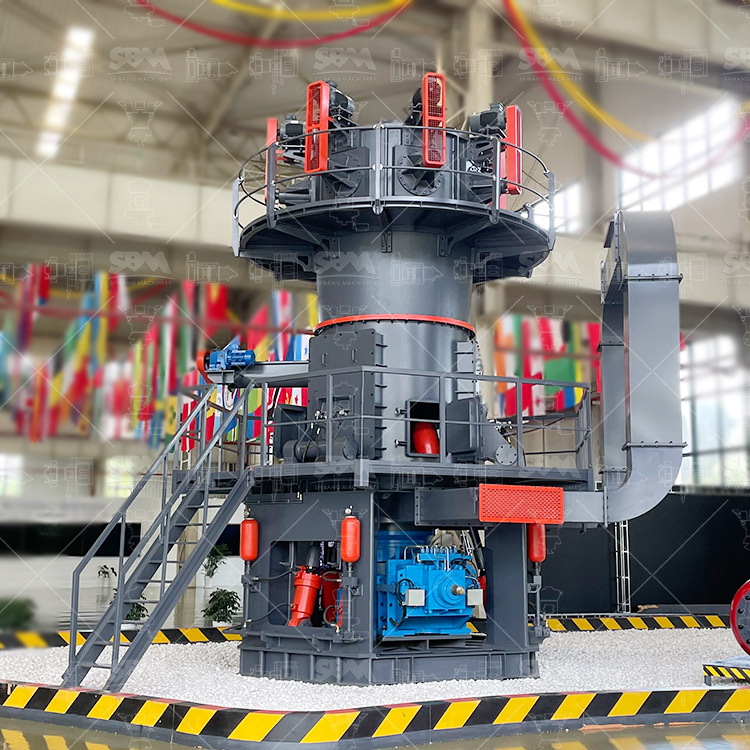
Recommended Mill for 10TPH Dolomite Grinding: MTW Series Trapezium Mill
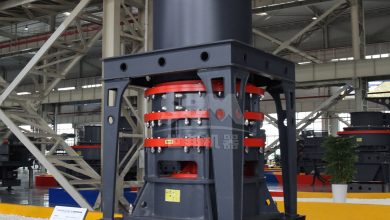
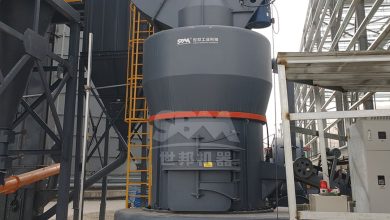
For a robust and efficient 10TPH dolomite powder production line targeting fineness between 30 and 325 mesh, our MTW Series Trapezium Mill stands out as an exemplary solution. This mill represents the next generation of Raymond Mill technology, incorporating numerous patents and design innovations specifically suited for medium-to-high capacity mineral processing.
The MTW Series is engineered to excel in your application for several key reasons:
- Perfect Capacity Match: Models such as the MTW138Z (6-17 TPH) or MTW175G (9.5-25 TPH) are ideally sized to reliably achieve your 10TPH target with operational headroom, ensuring consistent output even under varying feed conditions.
- Superior Wear Resistance & Lower OPEX: Its patented wear-resistant shovel blade design features combined replaceable tips, drastically reducing maintenance time and cost. The curved air duct minimizes turbulence and wear on the duct surface, leading to higher transmission efficiency and longer component life.
- Unmatched Transmission Efficiency: The bevel gear integral transmission system achieves an impressive 98% efficiency. This compact, direct-drive design not only saves energy but also reduces installation space and foundation costs compared to traditional drives.
- Precision Particle Control: The internally designed volute housing and efficient classifier system work in tandem to provide sharp particle size separation. This results in a uniform product with a narrow size distribution and no rogue coarse particles, which is critical for dolomite filler quality.
The working principle is both robust and efficient. The main motor drives the grinding rollers to rotate via the central shaft. The shovel blades scoop and evenly feed the material between the rollers and the grinding ring. The rollers, under centrifugal force, exert powerful pressure to crush the material. The ground powder is then carried by the air stream to the classifier, where qualified fine powder is collected while coarse powder falls back for regrinding.
Alternative for Higher Fineness: SCM Ultrafine Mill
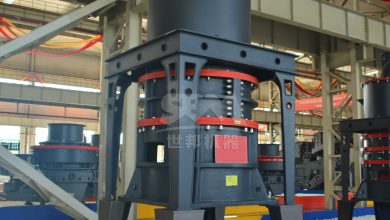
Should your product specification require ultrafine dolomite powder in the range of 325 to 2500 mesh (45-5μm), our SCM Ultrafine Mill is the definitive technology. While a Raymond-style mill like the MTW series is optimal for coarser grinds, achieving consistent sub-10-micron fineness at industrial scale demands a specialized mill.
The SCM Ultrafine Mill is designed for this exact purpose. Its core advantages for producing high-value dolomite powder include:
- Ultra-Fine Grinding Capability: It can reliably produce powder with a fineness of D97 ≤ 5μm (2500 mesh), opening doors to premium applications.
- High-Efficiency & Energy Saving: Its unique grinding chamber design and multi-layer grinding ring/roller configuration yield a capacity twice that of a jet mill while reducing energy consumption by approximately 30%.
- Exceptional Product Uniformity: The vertical turbine classifier provides extremely precise particle size cuts, ensuring a consistent product with no coarse powder contamination.
For a 10TPH line targeting ultrafine powder, multiple units of a model like the SCM1000 (1.0-8.5 TPH) would be configured in parallel. This modular approach offers excellent scalability and operational flexibility.
System Integration and Environmental Considerations
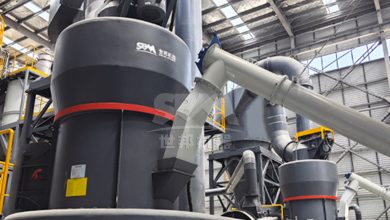
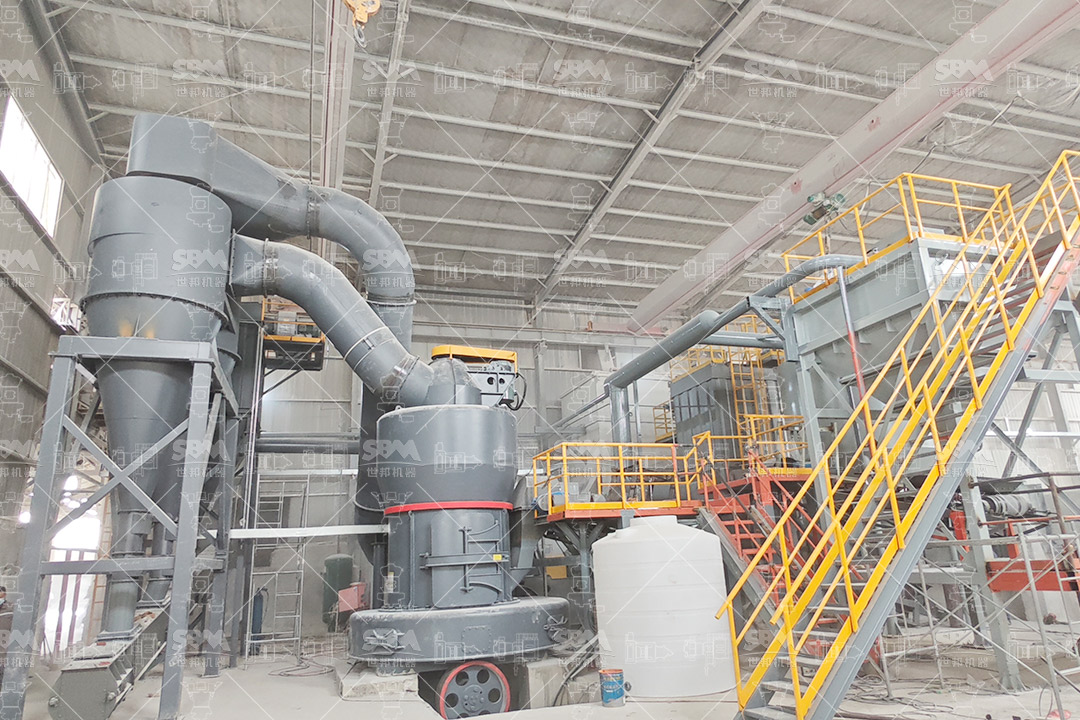
A successful production line is a seamlessly integrated system. Both the MTW and SCM mills are designed for systematic integration. They come with matched auxiliary equipment, including jaw crushers for primary size reduction, electromagnetic vibrating feeders, bucket elevators, and state-of-the-art pulse jet bag dust collectors.
Environmental compliance is non-negotiable. Our grinding systems are designed as negative-pressure operations. The entire grinding and classification process occurs within a sealed circuit. The pulse dust collector, with an efficiency exceeding international standards, ensures that dust emissions are kept well below 20 mg/m³. Furthermore, sound insulation measures keep operational noise levels at or below 75-80 dB(A), creating a better working environment.
Conclusion
Establishing a 10TPH dolomite powder production line is a significant investment that demands careful technological selection. While the classic concept of the Raymond Mill provides the foundational grinding principle, modern iterations like our MTW Series Trapezium Mill offer the reliability, efficiency, and precision required for profitable, large-scale operation in the 30-325 mesh range. For producers aiming at the ultrafine powder market, our SCM Ultrafine Mill delivers unparalleled performance. By choosing the correct mill technology and ensuring professional system engineering, producers can achieve optimal product quality, minimize operational costs, and maintain stringent environmental standards, securing a strong competitive position in the dolomite powder market.