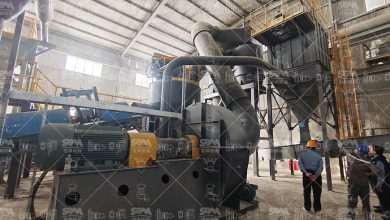
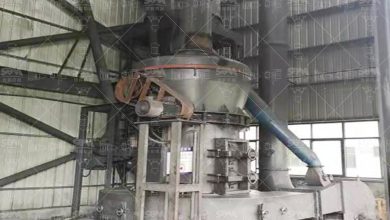
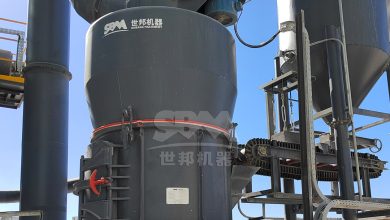
Raymond Mill Common Faults and Troubleshooting Solutions
Introduction
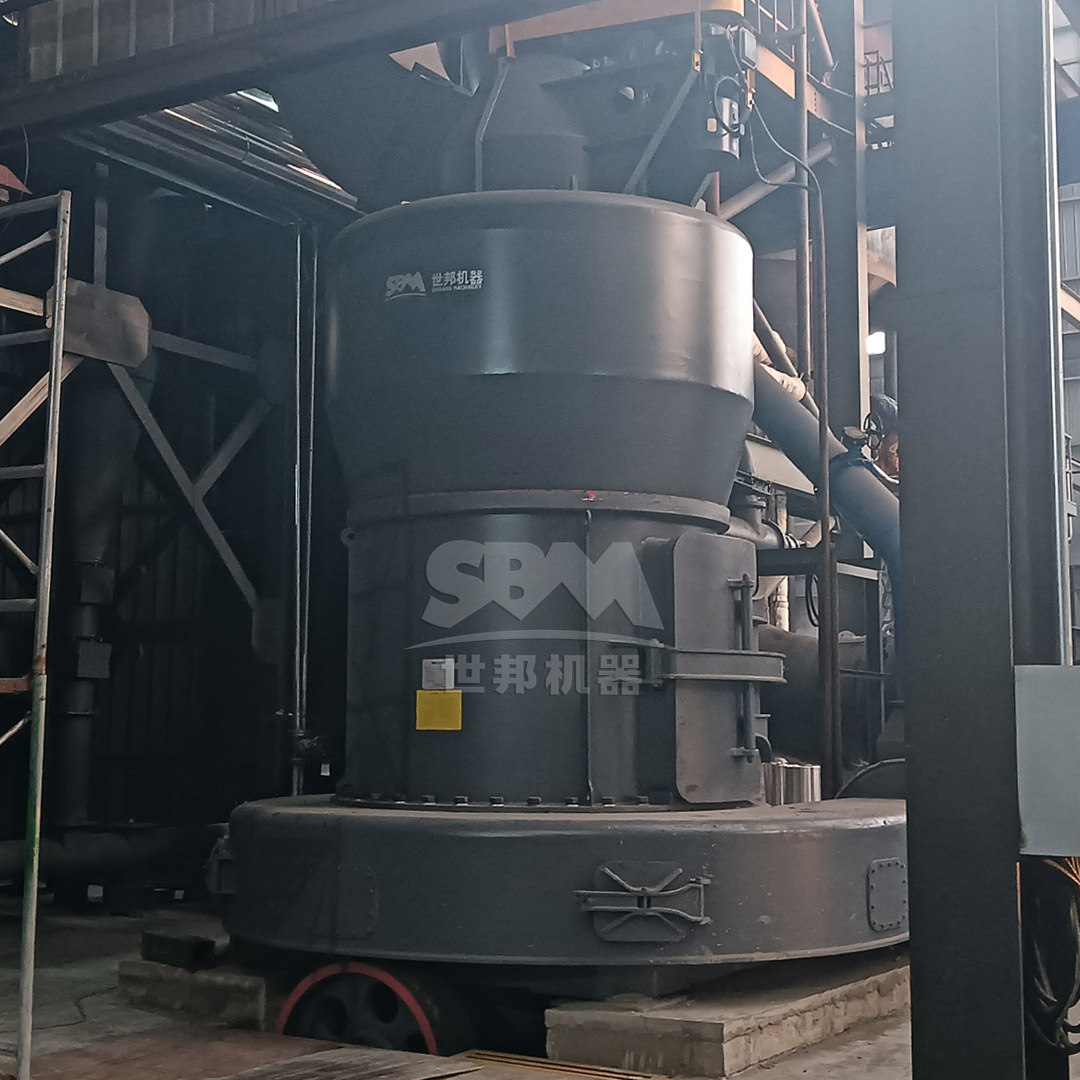
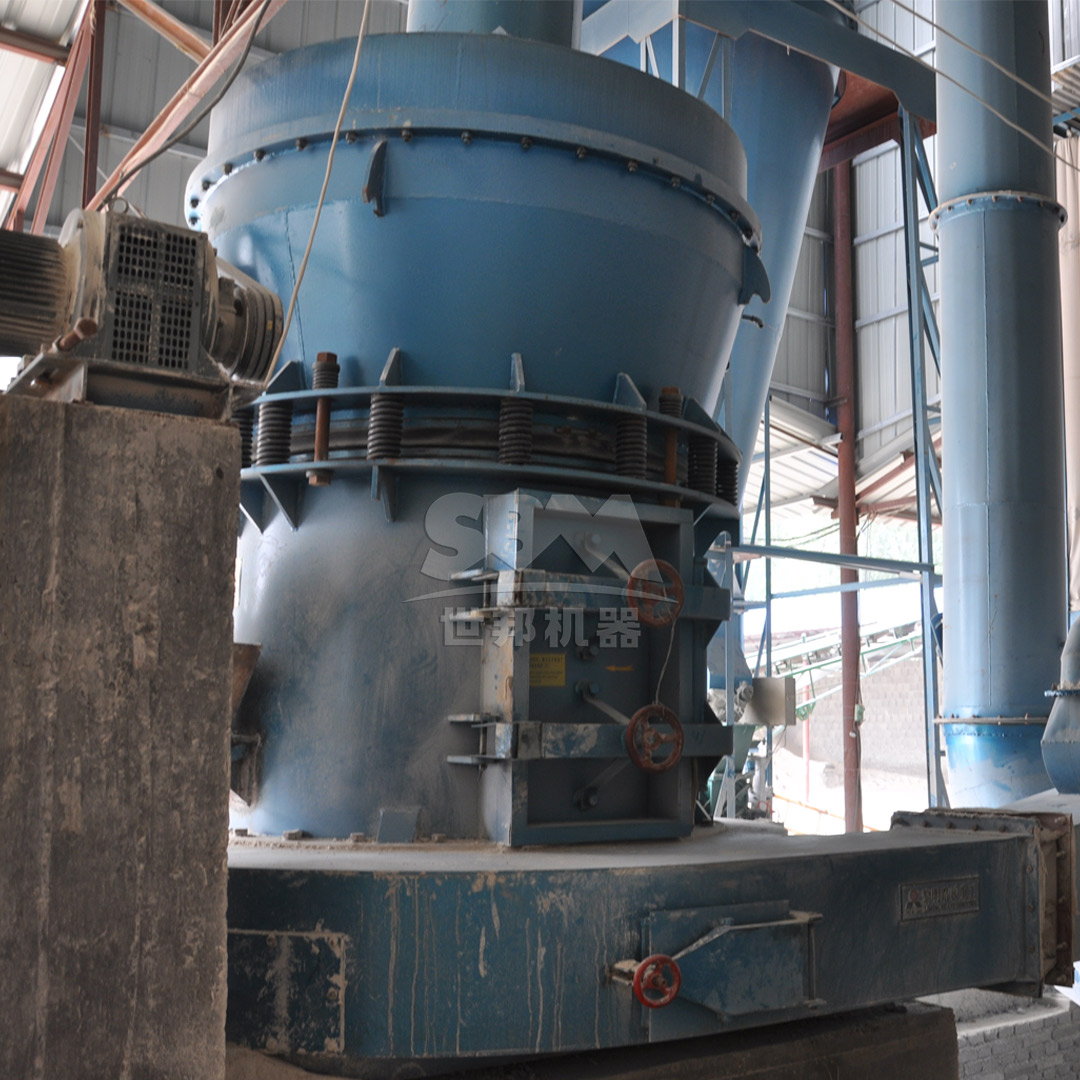
Raymond Mills, also known as pendulum roller mills, are a cornerstone of fine and medium-fine grinding across numerous industries, including mining, construction materials, chemicals, and metallurgy. Their reliability and efficiency are paramount for continuous production. However, like any complex mechanical system, they are susceptible to operational faults that can impact output quality, equipment lifespan, and overall productivity. This article provides a comprehensive guide to the most common faults encountered in Raymond Mill operation, their root causes, and practical troubleshooting solutions. A proactive maintenance approach, informed by this knowledge, is essential for minimizing downtime and ensuring optimal performance.
Common Faults, Causes, and Troubleshooting
1. Low Output or Reduced Production Capacity
Symptoms: The mill fails to reach its rated throughput; finished product collection is slower than expected.
Potential Causes & Solutions:
- Blocker in Feed Inlet: Check for and remove any large foreign material or compacted feed blocking the inlet.
- Worn Grinding Roller & Ring: This is the most common cause. Severe wear reduces grinding pressure and efficiency. Measure the wear. If beyond permissible limits (typically when roller diameter is reduced by 5% or more), replace the worn parts immediately. Using components made from special, high-wear-resistance materials can drastically extend service intervals.
- Incorrect Blade Adjustment of the Analyzer (Classifier): Improper classifier speed or blade angle can cause coarse particles to be prematurely carried to the product collector or fine particles to be recirculated excessively. Adjust the classifier motor frequency or blade angle according to the target fineness specifications.
- Insufficient Airflow: Leaks in the air duct, a clogged bag filter, or a malfunctioning fan can reduce the pneumatic conveying force. Inspect the system for leaks, clean or replace filter bags, and check the fan’s operation and blades.
2. Excessive Vibration and Abnormal Noise
Symptoms: The mill body shakes noticeably; loud grinding, knocking, or scraping noises are heard during operation.
Potential Causes & Solutions:
- Unbalanced Feed: Inconsistent feed size or rate can cause uneven loading on the grinding rollers. Ensure the feeder is calibrated and providing a steady, consistent flow of material within the specified size range.
- Worn or Damaged Bearings: Bearings on the main shaft, roller shafts, or classifier are critical. Noise and vibration often signal bearing failure. Stop the mill immediately, inspect bearings for wear, heat, or play, and replace them with high-quality, properly lubricated units.
- Loose Foundation Bolts or Connecting Bolts: Physical vibration can loosen critical fasteners. Conduct regular torque checks on all foundation, housing, and internal component bolts.
- Hard Foreign Objects in the Grinding Chamber: Metal pieces or extremely hard rocks can cause severe impact. Install and maintain effective magnetic separators or metal detectors in the feed line. If a foreign object is suspected, shut down and inspect the chamber.
- Severely Uneven Wear of Grinding Rollers: If one roller wears significantly faster than others, it creates an imbalance. Replace rollers in matched sets whenever possible.
3. Excessive Fineness or Inconsistent Product Granularity
Symptoms: The product is consistently finer than the set parameter, or the particle size distribution is wide and unpredictable.
Potential Causes & Solutions:
- Excessive Classifier Speed: A classifier rotating too fast will only allow the very finest particles to escape. Reduce the classifier motor’s rotational speed (RPM) or frequency (Hz) setting.
- Worn Classifier Blades or Improper Blade Angle: Worn or bent blades cannot create a precise cut-point. Inspect and replace blades as needed, ensuring they are set to the manufacturer’s specified angle.
- High System Airflow: Excessive fan speed or an overly open damper can pull coarse particles into the product stream. Adjust the fan damper or motor speed to achieve the correct air volume.
- Leakage in the Cyclone or Ductwork: Air leaks after the classifier can disrupt the air-powder separation, allowing coarse material to short-circuit into the product. Seal all joints and inspect for holes.
4. High Product Iron Content or Contamination
Symptoms: Finished powder shows elevated iron levels or visible metallic contamination, which is unacceptable for many applications like ceramics or high-purity chemicals.
Potential Causes & Solutions:
- Direct Metal-to-Metal Contact in Grinding Chamber: This occurs when the grinding roller liner or grinding ring is worn through to the base metal. This is a critical failure mode. Immediate shutdown and replacement of the worn parts is required. To prevent this, specify wear parts with exceptional durability. For instance, our MTW Series European Trapezium Mill features an anti-wear shovel design and curved grinding rollers that are specifically engineered to extend service life significantly and reduce the frequency of such catastrophic wear events.
- Ineffective Magnetic Protection: The magnetic separator in the feed hopper may be clogged, turned off, or of insufficient strength. Clean, activate, or upgrade the magnetic separator.
- Wear of Non-Grinding Components: Duct liners, classifier parts, or screw conveyors made of carbon steel can wear and contaminate the product. Use wear-resistant or ceramic liners in key areas.
Proactive Maintenance and Modern Solutions
While troubleshooting is reactive, the best strategy is proactive prevention through regular maintenance and investing in mills designed for reliability. A modern mill incorporates features that directly address the common faults listed above.
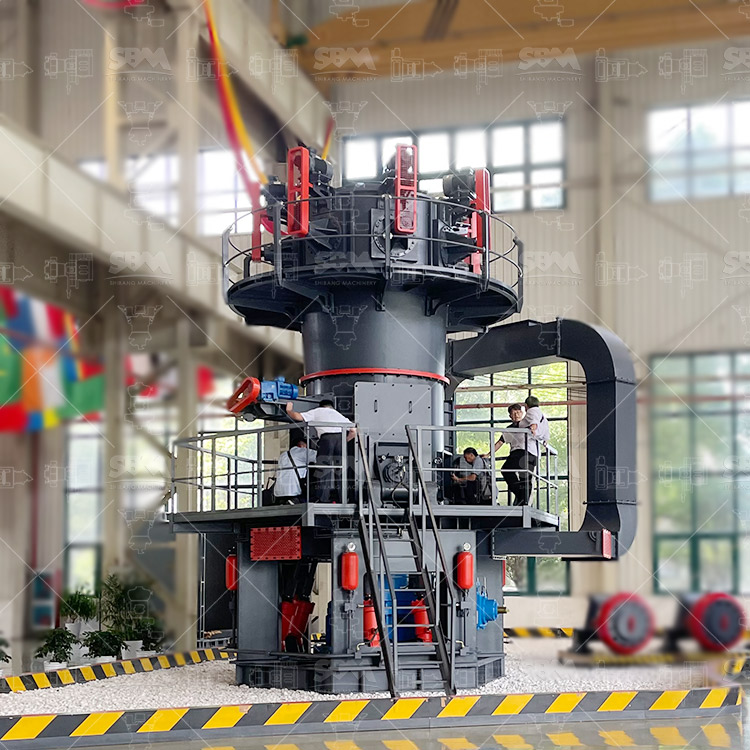
For operations requiring ultra-fine powders (325-2500 mesh), traditional Raymond Mills can be pushed to their limits, leading to rapid wear and instability. In such cases, upgrading to a mill designed for high-precision, fine grinding is advisable. Our SCM Series Ultrafine Mill is an excellent solution. It integrates a high-precision vertical turbine classifier that ensures a sharp particle size cut and uniform product, directly addressing fineness control issues. Furthermore, its special material rollers and rings offer service life several times longer than conventional materials, dramatically reducing downtime for part replacement and the risk of iron contamination. The intelligent control system with automatic granularity feedback also helps maintain consistent output quality with minimal manual intervention.
Conclusion
Effective operation of a Raymond Mill hinges on understanding the interplay between its mechanical components, airflow, and classification system. Common faults such as low output, vibration, fineness issues, and contamination typically stem from wear, imbalance, or incorrect adjustments. A systematic approach to troubleshooting—starting with the simplest checks like feed and airflow before moving to internal inspections—is crucial. Ultimately, pairing diligent, scheduled maintenance with robust, modern equipment designed for durability and precision, such as our MTW or SCM series mills, is the most reliable path to maximizing productivity, product quality, and the total lifespan of your grinding operation.