Quartz Powder Processing: Complete Grinding Mill Plant Workflow
Introduction
Quartz, one of the most abundant and versatile minerals on Earth, is a critical raw material for industries ranging from glass and ceramics to electronics and construction. The transformation of raw quartz ore into high-purity, precisely graded powder is a sophisticated process that demands a systematic approach and advanced machinery. A complete grinding mill plant is not merely a collection of equipment but an integrated system designed for efficiency, precision, and reliability. This article outlines the comprehensive workflow of a modern quartz powder processing plant, from raw material handling to final product packaging, highlighting the critical stages and technological considerations that ensure optimal product quality and operational economics.
1. Raw Material Preparation and Pre-Processing
The journey of quartz powder begins with the raw ore. This initial stage is crucial for protecting downstream grinding equipment and ensuring consistent feed quality.
1.1 Crushing and Primary Size Reduction
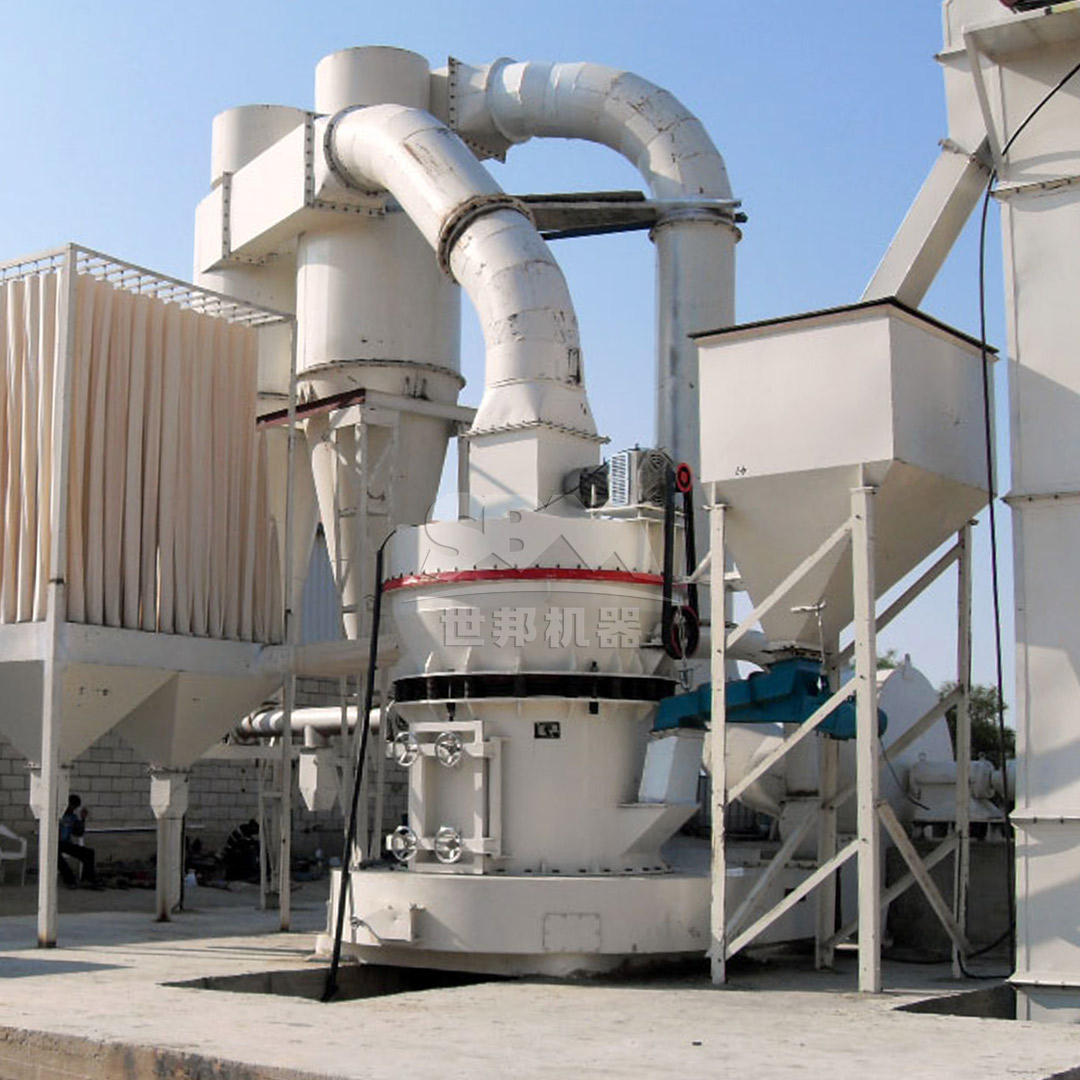
Large quartz rocks extracted from the quarry are first fed into a primary crusher, such as a jaw crusher, to reduce their size to a manageable diameter, typically below 150mm. Secondary crushing, often using a cone crusher or impact crusher, further reduces the material to a size suitable for the grinding mill feed, usually below 50mm. This step is vital for achieving high grinding efficiency and minimizing wear on the fine grinding mills.
1.2 Drying and Beneficiation
Depending on the moisture content and purity of the quartz ore, a drying and beneficiation stage may be necessary. Rotary dryers can remove surface moisture. Magnetic separators and flotation cells may be employed to remove iron impurities and other mineral contaminants, which is especially important for high-purity applications like semiconductor or solar-grade quartz sand.
2. Core Grinding and Classification Stage
This is the heart of the quartz powder processing plant, where the pre-processed material is transformed into fine or ultrafine powder. The selection of grinding equipment depends entirely on the target fineness (mesh size) and required production capacity.
2.1 Coarse to Medium Fine Grinding (30-325 Mesh / 600-45μm)
For applications requiring powder in the range of 30 to 325 mesh (approximately 600 to 45 microns), such as foundry sand, epoxy flooring, or certain ceramic bodies, robust and high-capacity mills are ideal.
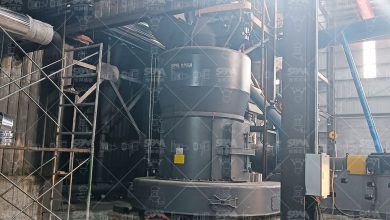
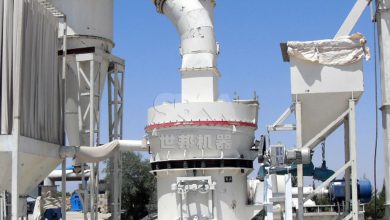
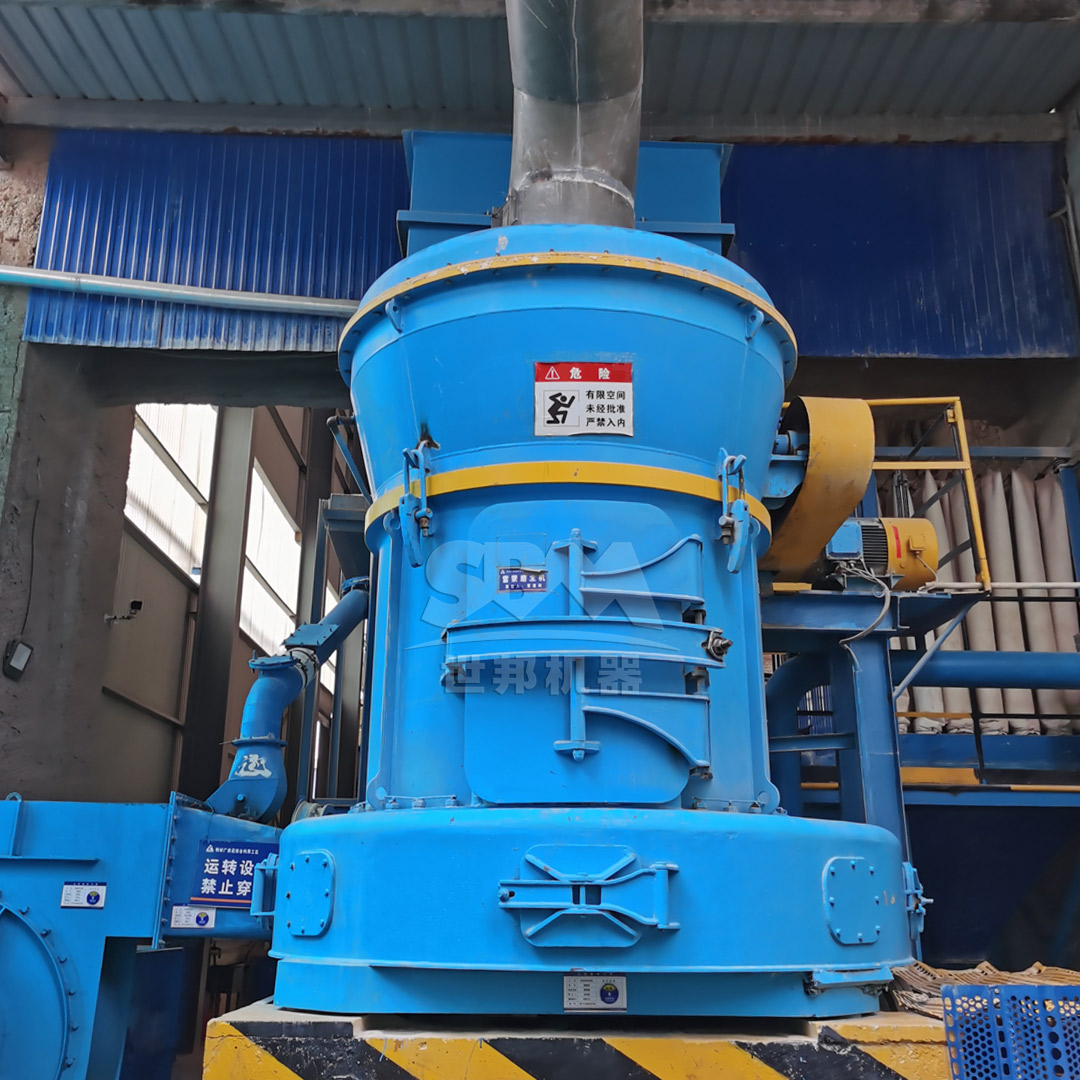
For this stage, our MTW Series European Trapezium Mill stands out as an exceptional solution. Engineered with an anti-wear shovel design and optimized arc air duct, it significantly reduces maintenance costs and improves transmission efficiency. Its integral bevel gear drive achieves up to 98% transmission efficiency, saving energy and space. With a capacity range of 3-45 tons per hour and the ability to handle feed sizes up to 50mm, the MTW series is built for large-scale, reliable production of consistently graded quartz powder.
2.2 Ultrafine and Superfine Grinding (325-2500 Mesh / 45-5μm)
Producing ultrafine quartz powder for high-tech applications like electronic encapsulants, high-performance ceramics, or specialty coatings requires mills capable of delivering extreme fineness with precise particle size distribution and low contamination.
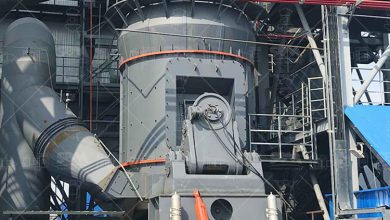
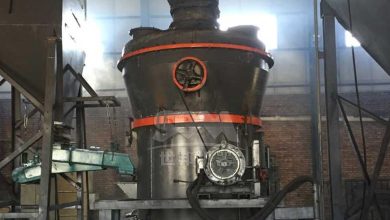
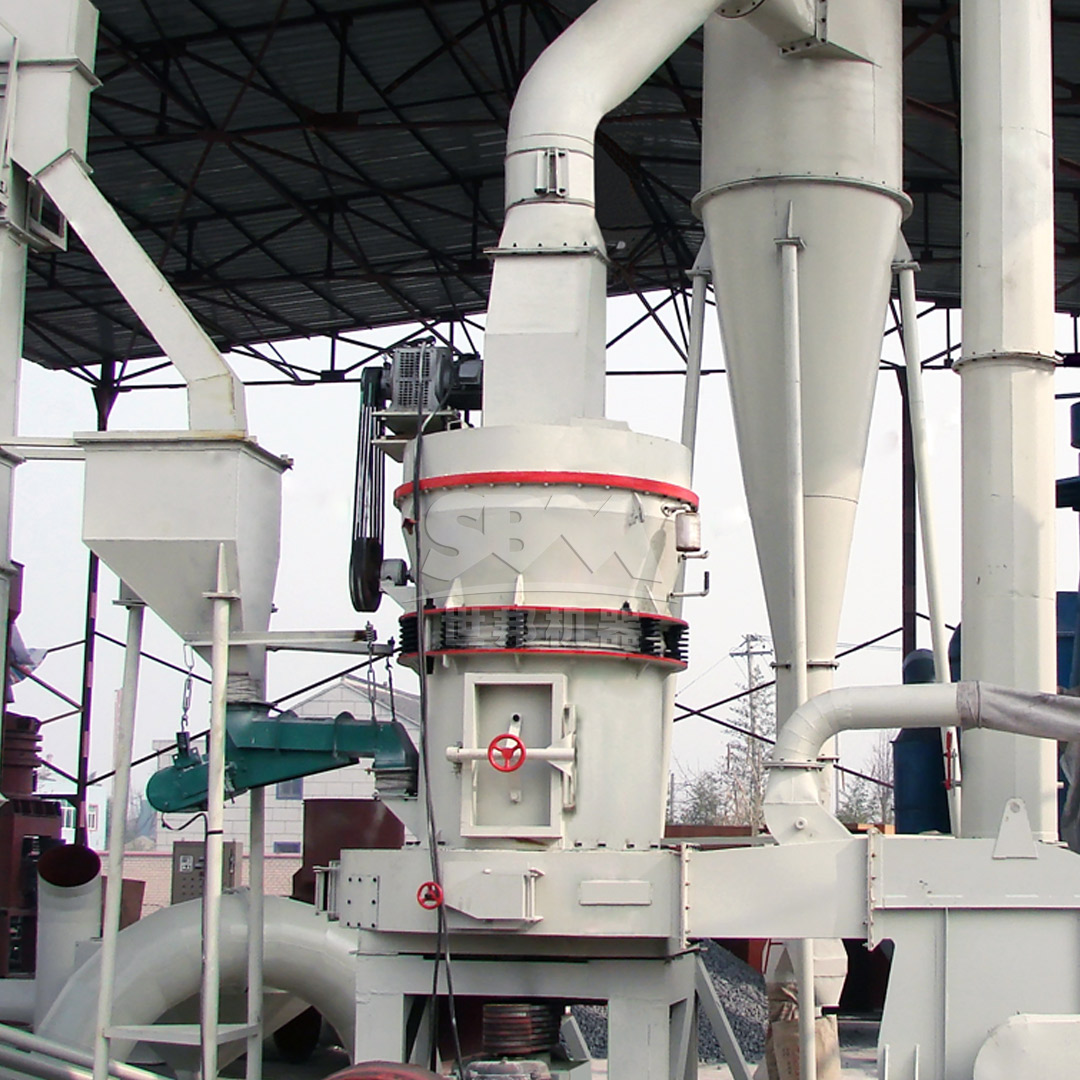
This is where our flagship SCM Series Ultrafine Mill excels. Specifically designed for producing powder between 325 and 2500 mesh (45-5μm), it combines high efficiency with energy savings, offering capacity twice that of jet mills while consuming 30% less energy. Its high-precision vertical turbine classifier ensures sharp particle size cuts and a uniform finished product without coarse powder mixing. The mill’s durable design, featuring special material rollers and rings, extends service life dramatically. Furthermore, its eco-friendly operation with high-efficiency pulse dust collection and soundproof design makes it a responsible choice for modern plants.
3. Post-Grinding Processing and Product Handling
Once the quartz is ground to the desired fineness, several post-processing steps are often required to meet final product specifications.
3.1 Classification and Sieving
Even with an integrated classifier, additional air classifiers or vibrating sieves may be used for ultra-tight particle size distribution control or to separate specific fractions for different product lines.
3.2 Surface Modification
For composite materials like plastics or rubber, quartz powder often undergoes surface treatment (e.g., silane coupling agents) in specialized mixers to improve its compatibility and bonding with the polymer matrix.
3.3 Dedusting, Collection, and Packaging
A robust dust collection system, such as a pulse-jet baghouse, is integral to the plant for environmental compliance and product recovery. The final powder is conveyed to storage silos via pneumatic systems. Automated packaging machines then bag the product in 25kg or 1-ton bags, ready for shipment.
4. System Integration and Control
A modern quartz powder plant is governed by a centralized Programmable Logic Controller (PLC) system. This control hub monitors and regulates:
- Feed Rate: Ensuring consistent and optimal feed to the grinding mill.
- Grinding Parameters: Adjusting classifier speed, grinding pressure, and air volume for real-time fineness control.
- Material Flow: Automating conveyors, feeders, and diverter valves.
- Safety and Environmental Controls: Monitoring temperature, pressure, and dust emission levels.
Conclusion
The production of high-quality quartz powder is a complex, multi-stage engineering challenge. Success hinges on selecting the right technology for each stage and integrating them into a seamless, automated workflow. From the robust size reduction of the MTW Series European Trapezium Mill for coarse grinding to the precision and efficiency of the SCM Series Ultrafine Mill for superfine products, the core grinding technology defines the plant’s capability and economic performance. By understanding this complete workflow—encompassing preparation, precision grinding, post-processing, and intelligent control—producers can design and operate plants that deliver superior quartz powder products consistently, efficiently, and sustainably to meet the exacting demands of global markets.