Quartz Ore Types and Their Industrial Applications: A Comprehensive Guide
Introduction
Quartz, one of the most abundant and versatile minerals on Earth, is a cornerstone of modern industry. Its chemical composition, primarily silicon dioxide (SiO₂), belies a remarkable diversity in physical forms, colors, and impurity profiles, which directly dictate its suitability for various high-tech and traditional applications. From the transparent purity of optical-grade crystals to the robust durability of quartzite used in construction, understanding the specific types of quartz ore is critical for sourcing the right material for your industrial needs. This guide provides a detailed overview of major quartz ore types, their defining characteristics, and their primary industrial uses, while also exploring the advanced processing technologies required to unlock their full value.
Major Types of Quartz Ore and Their Properties
1. Rock Crystal (Clear Quartz)
This is the pure, colorless, and transparent form of quartz. It is valued for its high SiO₂ content (often exceeding 99.9%) and optical clarity. The absence of significant metallic impurities makes it the premier raw material for applications requiring high chemical purity and excellent light transmission.
2. Milky Quartz
Characterized by its white, cloudy appearance caused by microscopic fluid or gas inclusions. While its purity can be high, the inclusions scatter light, making it unsuitable for optical applications. It is a major source for producing high-purity quartz sand and powder used in ceramics, glassmaking (especially container glass), and as a filler.
3. Rose Quartz
Its delicate pink to rose-red color is typically due to trace amounts of titanium, iron, or manganese. While primarily a gemstone, certain deposits with consistent coloration and properties are processed for use in decorative aggregates and specialty glass.
4. Smoky Quartz
Ranging from light gray to deep black, its color results from natural irradiation creating color centers around aluminum impurities. Beyond gem use, it finds application in certain ornamental and radiation-shielding contexts.
5. Amethyst
A purple variety colored by iron impurities and natural gamma ray exposure. Its primary industrial significance is as a semi-precious gemstone, though it is also studied for specific electronic properties.
6. Citrine
The yellow to orange-brown variety, colored by ferric iron impurities. Like amethyst, its main value is in jewelry.
7. Cryptocrystalline Quartz: Chalcedony, Agate, Jasper, Flint
This group consists of quartz with microscopically small crystals. Chalcedony is waxy and translucent; agate is banded chalcedony; jasper is opaque and colored by various mineral impurities; flint/chert is dense and fractures conchoidally. These are crucial for precision tooling, abrasives, and decorative stonework.
8. Quartzite
A metamorphic rock formed from sandstone through heat and pressure, resulting in a very hard, durable, and chemically inert material composed almost entirely of quartz grains fused together. It is a primary industrial source of quartz for aggregates, dimension stone, and as a raw material for producing ferrosilicon and silicon metal.
9. Vein Quartz and Pegmatitic Quartz
These are deposits of essentially pure quartz found in veins or within pegmatites. They are the most important sources for high-purity quartz (HPQ) used in the semiconductor, solar, and optical industries, as they often have the lowest inherent impurity levels.
Industrial Applications of Processed Quartz
The application of quartz is entirely dependent on its purity, particle size, and physical properties after processing.
- Semiconductor and Solar PV Industry: Requires ultra-high-purity quartz (99.999% SiO₂) to manufacture silicon metal, polysilicon, and crucibles for growing single-crystal silicon. Vein quartz is the preferred source.
- Glass and Ceramics: The largest consumer of quartz (as silica sand). Flat glass, container glass, fiberglass, and all types of ceramics use quartz as the primary source of SiO₂, which provides structural integrity and stability.
- Foundry and Metallurgy: High-purity quartz sand is used to create molds and cores for metal casting. Quartzite is a key raw material in ferrosilicon and silicon metal production.
- Chemicals and Fillers: Processed into sodium silicate, silicon tetrachloride, and other silicon-based chemicals. Fine-ground quartz acts as an inert filler in paints, plastics, adhesives, and rubber.
- Construction: Quartz sand and crushed quartzite are essential aggregates in concrete, mortar, asphalt, and as railway ballast. Engineered quartz stone is a major surfacing material.
- Electronics and Optics: Fused quartz from high-purity crystals is used for optical lenses, windows, UV lighting, and substrates for electronic circuits due to its thermal stability and transparency.
The Critical Role of Precision Grinding and Classification
Transforming raw quartz ore into a usable industrial product almost always involves a critical step: size reduction and classification. The target particle size distribution (PSD) and fineness are non-negotiable specifications that directly impact product performance in downstream applications. For example, the consistency of quartz powder used in epoxy resin fillers directly affects viscosity and mechanical strength, while the precise cut point for glass-making sand determines melting efficiency and final glass quality.
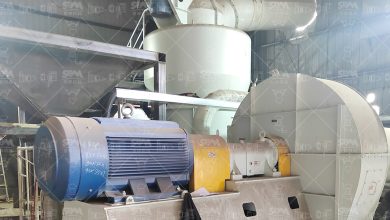
This demands grinding equipment that offers not only high throughput but also exceptional control over final particle size, low energy consumption, and minimal contamination from wear parts. Traditional ball mills, while robust, often lack the precision and energy efficiency required for modern, high-value quartz processing.
Advanced Processing Solutions for Quartz
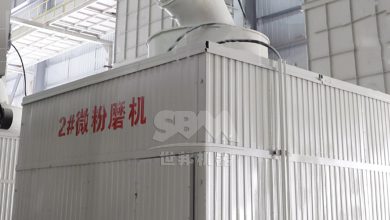
For producers aiming to maximize the value of their quartz deposits—particularly for high-purity applications or those requiring tightly controlled particle sizes—advanced milling systems are indispensable. Two standout technologies are particularly well-suited for the diverse hardness and abrasiveness of quartz ores.
Solution for High-Capacity, Coarse to Medium-Fine Grinding: MTW Series European Trapezium Mill
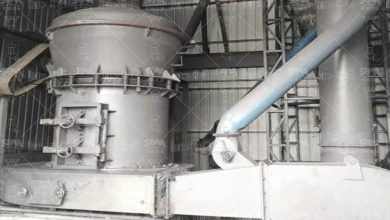
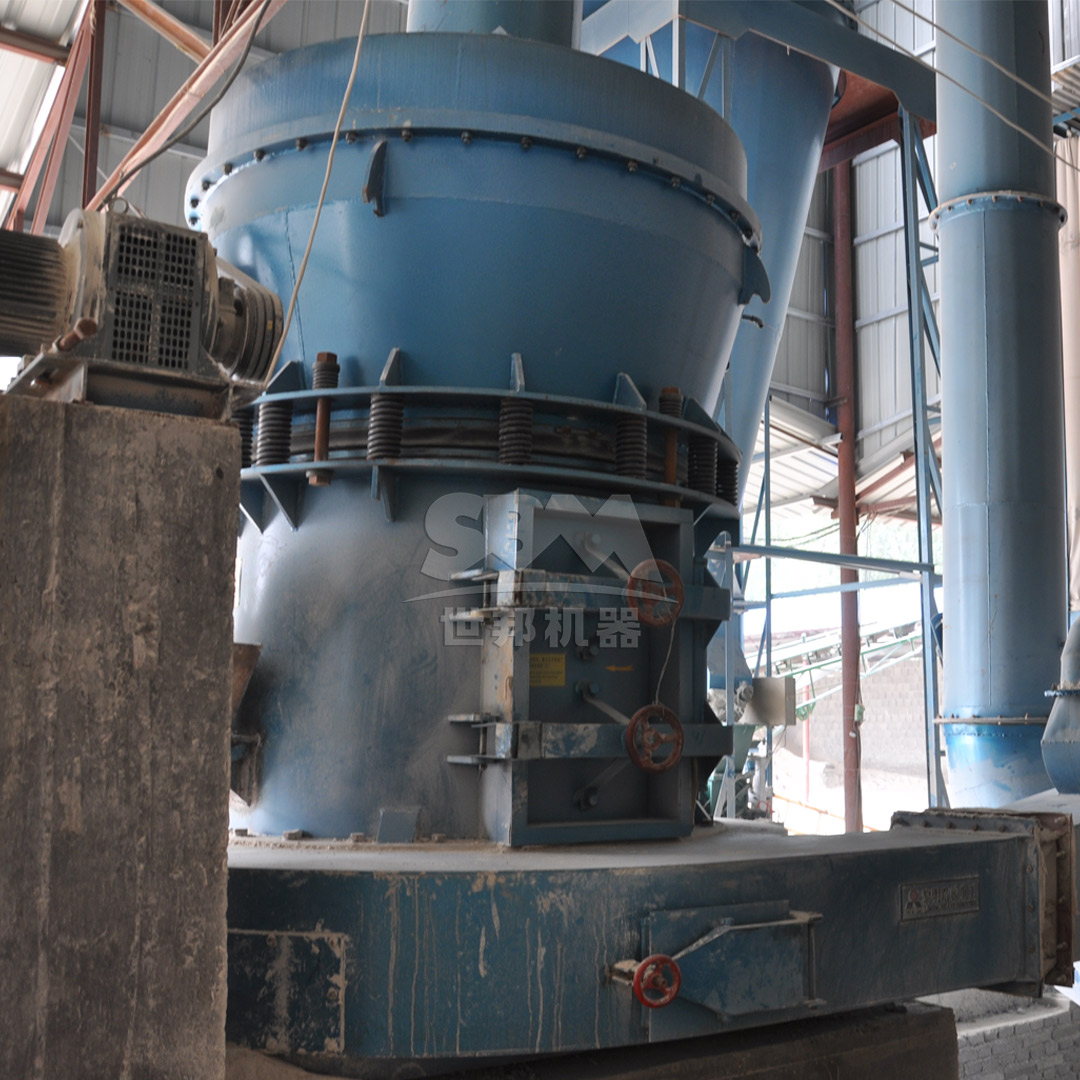
For processing quartzite or vein quartz into products in the 30-325 mesh (600-45μm) range for applications like foundry sand, glass batches, or construction aggregates, the MTW Series European Trapezium Mill is an industry-leading workhorse. Its robust design handles feed sizes up to 50mm with capacities ranging from 3 to 45 tons per hour. Key advantages for quartz processing include its anti-wear shovel design and wear-resistant volute structure, which significantly reduce maintenance costs when processing abrasive quartz materials. The integral bevel gear drive provides high transmission efficiency (up to 98%), translating to lower energy costs per ton of output—a critical factor in bulk mineral processing.
Solution for High-Value, Ultra-Fine Powder Production: SCM Series Ultrafine Mill
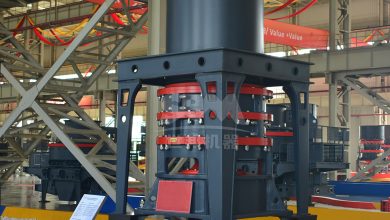
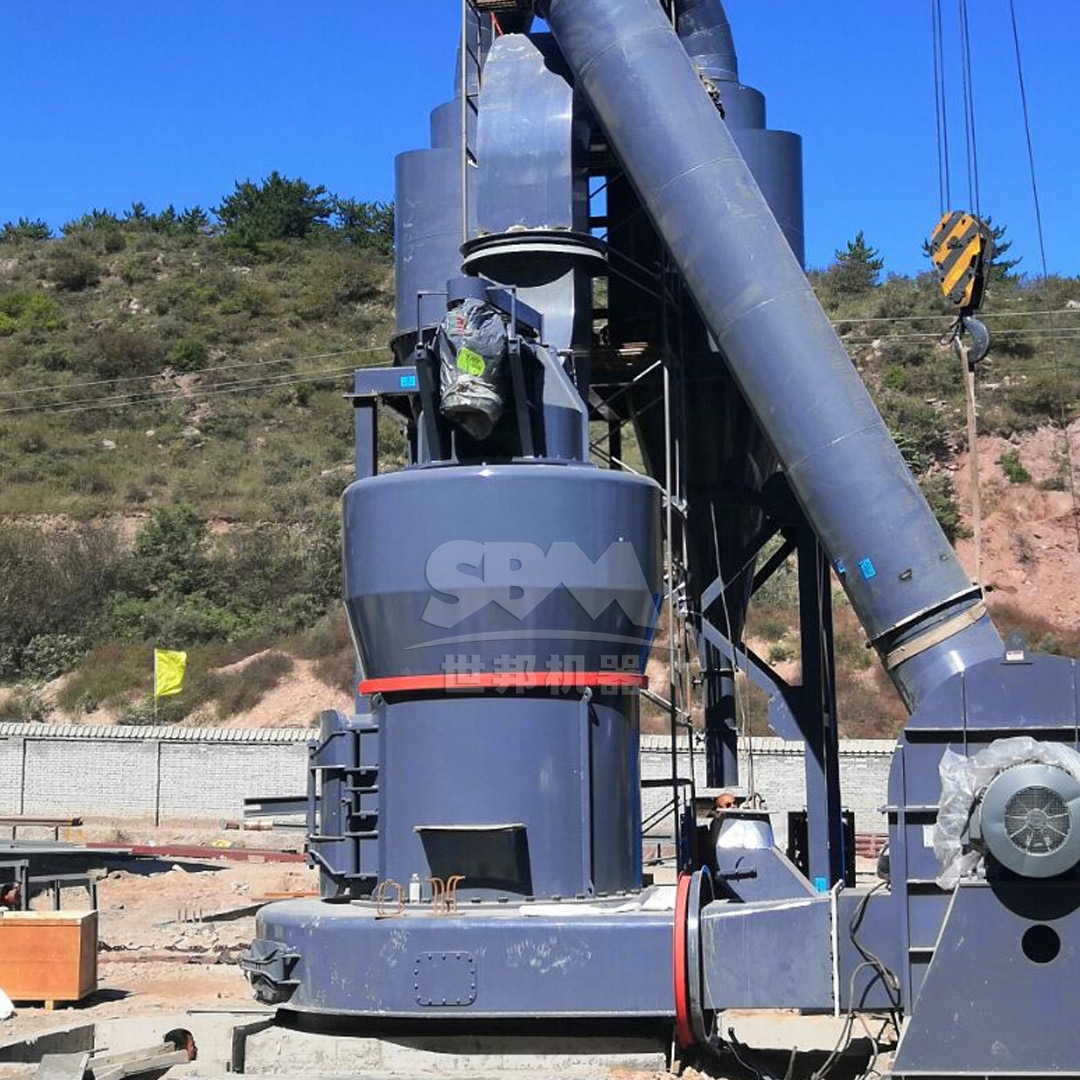
When the application demands ultra-fine quartz powders (325-2500 mesh / 45-5μm) for high-performance plastics, advanced ceramics, or specialty chemicals, the SCM Series Ultrafine Mill is the optimal choice. This mill excels in producing powders with a narrow, consistent particle size distribution, thanks to its high-precision vertical turbine classifier which ensures no coarse powder mixing. For quartz processors, its durable design featuring special material rollers and rings is paramount, extending service life several times over compared to conventional mills when grinding this abrasive material. Furthermore, its high efficiency and energy-saving operation—offering 30% lower energy consumption than jet mills—makes it a cost-effective solution for producing premium quartz powders. Models like the SCM1250 can deliver 2.5-14 t/h of finely controlled quartz powder, meeting the stringent requirements of the most demanding industries.
Conclusion
The journey from raw quartz ore to a vital industrial component is defined by both the innate quality of the deposit and the sophistication of the processing technology applied. Selecting the correct quartz type—be it high-purity vein quartz for semiconductors or consistent quartzite for glassmaking—is the first critical step. The second, equally crucial step is employing grinding and classification equipment that can deliver the required fineness, purity, and throughput with operational efficiency and reliability. By leveraging advanced milling solutions like the MTW Series for coarse-to-medium grinding and the SCM Series for ultra-fine powder production, processors can fully optimize their quartz resources to meet the precise and evolving demands of global industry.