Profit Analysis of Calcium Carbonate Processing: Is It a Profitable Business?
Introduction: The Lucrative World of Calcium Carbonate
Calcium carbonate (CaCO3) is one of the most versatile and widely used industrial minerals globally. From its role as a primary filler in plastics, paints, and paper to its essential function in construction materials, agriculture, and pharmaceuticals, the demand for high-quality calcium carbonate powder is robust and ever-growing. This article delves into a comprehensive profit analysis of establishing a calcium carbonate processing plant, examining the key factors that determine profitability, from raw material sourcing and processing technology to market positioning and operational efficiency. The central question we aim to answer is: Is calcium carbonate processing a profitable business venture?
Market Demand and Value Chain
The profitability of any mineral processing business is intrinsically linked to market demand. The global calcium carbonate market is projected to continue its steady growth, driven by expanding applications in packaging, automotive lightweighting (using filled polymers), and environmental technologies. The value chain begins with mining high-purity limestone or marble. The profit margin expands significantly as the raw stone is transformed into ground calcium carbonate (GCC) or precipitated calcium carbonate (PCC) of specific fineness and quality. Higher purity and finer particle sizes command premium prices in specialty markets. Therefore, the ability to produce a consistent, high-quality product across a range of mesh sizes is a critical determinant of market access and revenue potential.
Core Cost Factors in Calcium Carbonate Processing
A thorough profit analysis requires a deep understanding of the cost structure. The major cost centers include:
- Raw Material Acquisition: Cost of quarrying or purchasing limestone blocks. Proximity to high-purity deposits is a major geographical advantage.
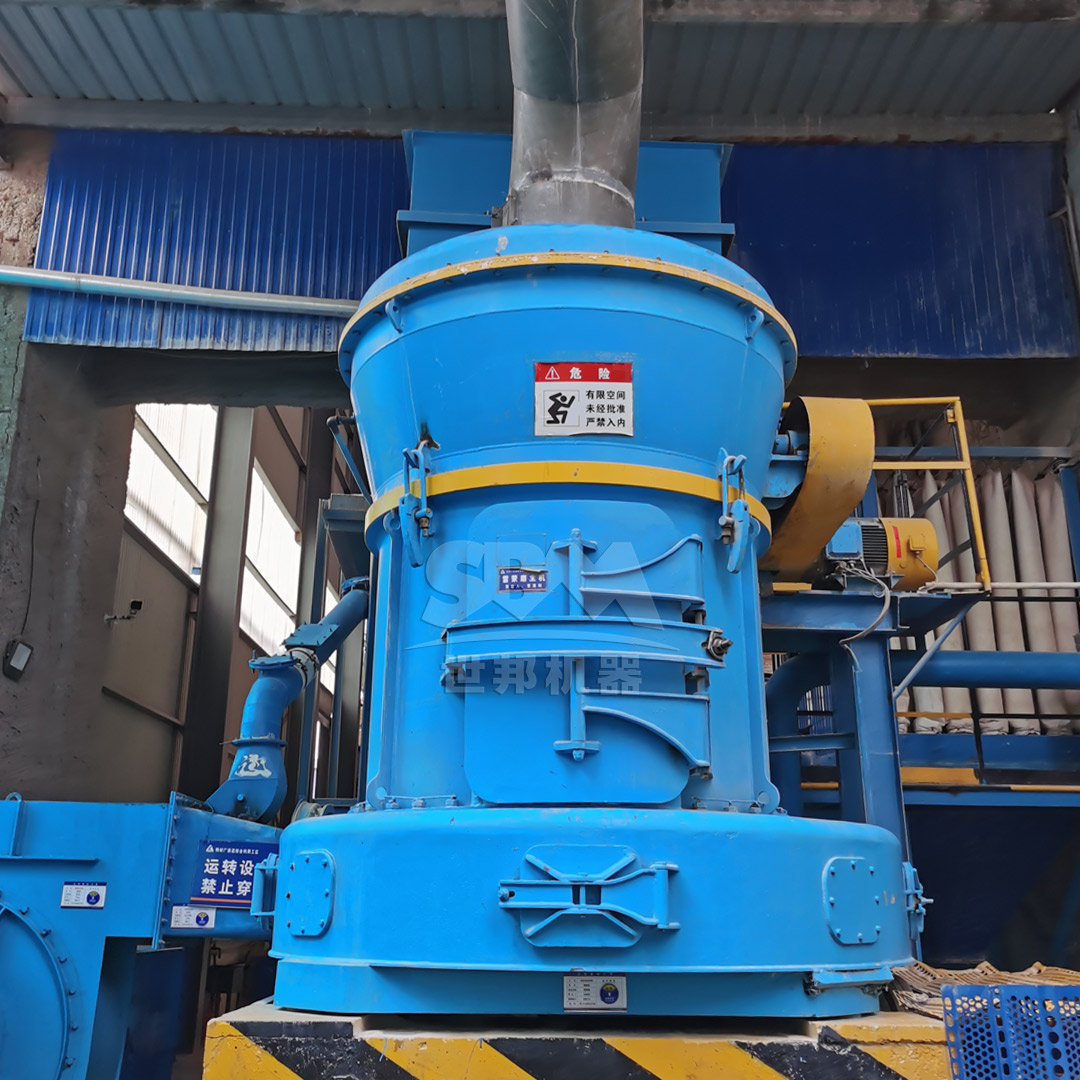
- Crushing and Grinding: This is the most energy-intensive stage. The choice of grinding equipment directly impacts electricity consumption (a dominant operational cost), maintenance downtime, and the quality of the final product.
- Classification and Separation: Precision in separating particles to the target fineness (e.g., 325 mesh, 800 mesh, 1250 mesh) is crucial for product specification and avoiding waste.
- Dust Collection and Environmental Controls: Modern plants must invest in efficient dust collection systems to meet environmental regulations and ensure a clean, safe working environment. Non-compliance can lead to fines and operational shutdowns.
- Labor, Maintenance, and Logistics: Skilled labor for operation, a proactive maintenance schedule to minimize downtime, and costs associated with packaging and transporting the final powder.
The Technological Linchpin: Selecting the Right Grinding Mill
The single most impactful decision on both operational cost and product quality is the selection of the grinding mill. Traditional ball mills, while robust, are often inefficient for fine and ultra-fine grinding, consuming excessive energy. The modern path to profitability lies in adopting advanced milling technology that offers high efficiency, precise classification, and lower total cost of ownership.
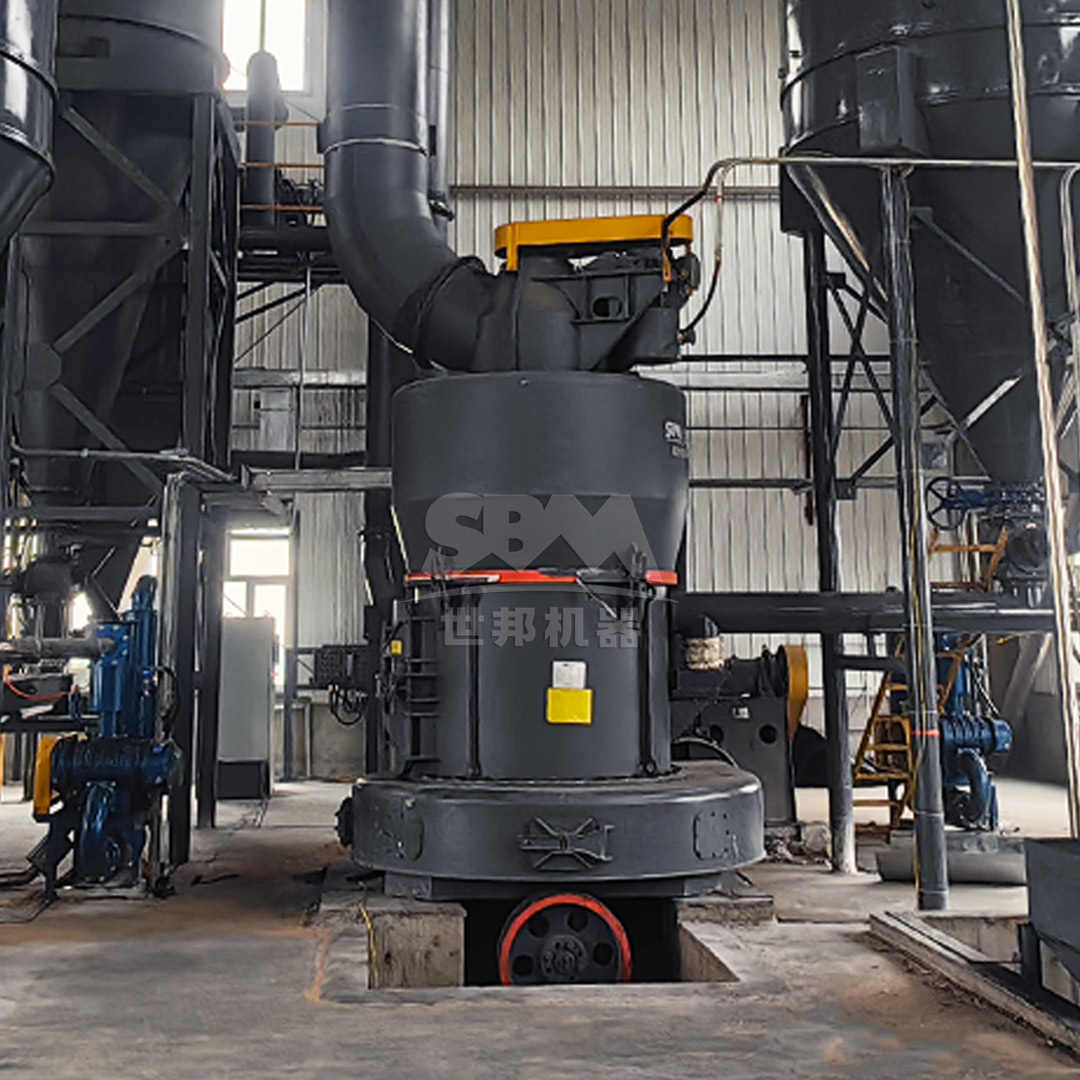
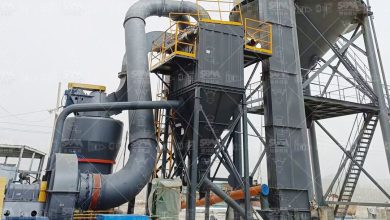
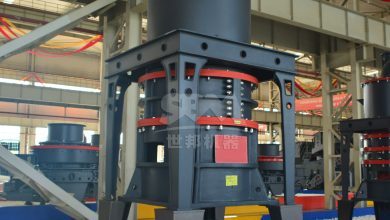
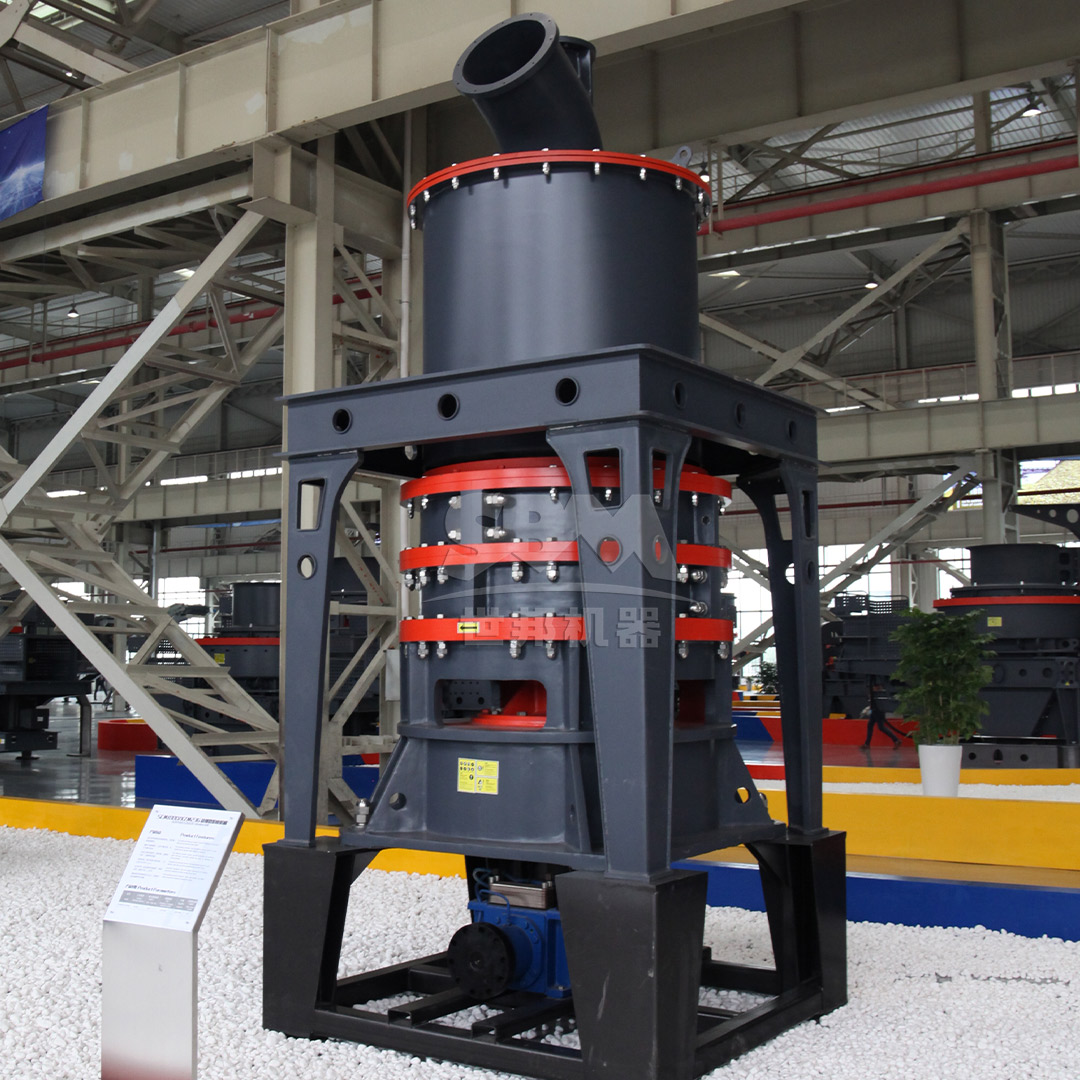
For producers targeting the high-value markets requiring ultra-fine calcium carbonate (from 325 to over 2500 mesh), the SCM Series Ultrafine Mill presents an optimal solution. This mill is engineered specifically for high-efficiency, low-energy consumption fine powder production. Its vertical turbine classifier ensures precise particle size cuts with no coarse powder mixing, guaranteeing a uniform and high-quality product essential for premium applications. With a capacity 2x that of jet mills and energy consumption 30% lower, it directly addresses the core cost factor of grinding. Furthermore, its durable design with special material rollers and rings extends service life, reducing maintenance costs and downtime. The integrated pulse dust collection system ensures eco-friendly operation, keeping the plant compliant and clean.
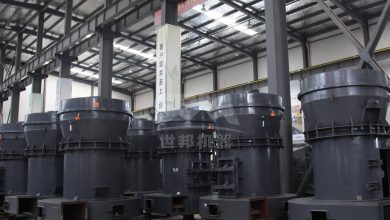
For large-scale production of coarser grades (30-325 mesh) or as a pre-grinding stage, the MTW Series European Trapezium Mill is a powerhouse of efficiency. Its integral bevel gear drive boasts a 98% transmission efficiency, saving significant energy. The anti-wear shovel and optimized arc air duct designs are built for durability and reduced maintenance costs—key factors in sustaining long-term profitability. With capacities ranging from 3 to 45 tons per hour, it can serve as the backbone of a high-volume processing plant, reliably producing consistent quality powder for construction, agriculture, and basic filler markets.
Profitability Projection and Key Considerations
Building a financial model requires combining the data points. Assume a plant with an MTW175G mill for mid-range product and an SCM1250 for ultra-fine product lines. The model must account for:
- Capital Expenditure (CAPEX): Cost of land, plant construction, milling equipment (like the SCM or MTW series), crushers, classifiers, and dust collectors.
- Operational Expenditure (OPEX): Dominated by power consumption for grinding. Here, the 30-40% energy savings of advanced mills versus traditional ball mills become a direct, recurring profit contributor. Other OPEX includes raw material, labor, maintenance parts, and packaging.
- Revenue: Based on selling price per ton for different product grades (finer powder = higher price). Sales volume is tied to mill capacity and market demand.
The payback period and internal rate of return (IRR) are highly sensitive to the efficiency of the core equipment. A mill that reduces energy use by 30% and increases output by leveraging higher capacity models (like the SCM1680 at 25t/h or MTW215G at 45t/h) accelerates the break-even point. Furthermore, the ability to reliably produce premium, ultra-fine powders opens doors to more profitable market segments, enhancing revenue per ton.
Conclusion: A Resoundingly Positive Outlook with the Right Technology
Is calcium carbonate processing a profitable business? The analysis strongly suggests yes, provided it is built on a foundation of operational excellence and technological sophistication. The market demand is stable and growing, but the margin for error is slim. Competition rewards those with the lowest operational costs and the highest product quality.
The critical differentiator is the grinding technology. Investing in high-efficiency, precision mills is not an expense but a strategic profit driver. Equipment like the SCM Series Ultrafine Mill and the MTW Series European Trapezium Mill directly target the largest cost centers (energy and maintenance) while enabling access to premium markets. They transform the processing plant from a simple commodity producer into a flexible, high-value powder engineering facility.
In conclusion, with careful market study, a solid business plan, and most importantly, the selection of right and efficient processing machinery from the outset, a calcium carbonate processing venture can be not only profitable but also a sustainable and growing business in the global industrial landscape.