Production Method of Coal Ash Slag as Concrete Admixture
1. Introduction: The Value of Coal Ash Slag in Modern Construction
The global construction industry is under increasing pressure to adopt sustainable and high-performance materials. Among the most promising supplementary cementitious materials (SCMs) is coal ash slag, a by-product of coal combustion in thermal power plants. When properly processed, this material transforms from an industrial waste into a valuable admixture that can significantly enhance the properties of concrete, including its workability, long-term strength, durability, and environmental footprint. The key to unlocking this potential lies in an efficient, controlled, and scalable production method that ensures consistent particle size, chemical reactivity, and physical characteristics.
2. Key Processing Stages for Coal Ash Slag
The transformation of raw coal ash slag into a high-quality concrete admixture involves several critical stages, each demanding precise engineering and equipment selection.
2.1. Pre-Processing and Drying
Raw slag often contains variable moisture content and may include unburned carbon or oversized agglomerates. Initial steps involve drying to a consistent moisture level (typically below 1%) and preliminary crushing or screening to ensure a uniform feed size for subsequent grinding. This stage is crucial for stabilizing the feed material and protecting downstream milling equipment.
2.2. The Core Stage: Fine and Ultrafine Grinding
This is the most critical phase in the production chain. The pozzolanic activity of slag is directly related to its specific surface area and particle size distribution. Finer particles provide more surface area for the pozzolanic reaction with calcium hydroxide in cement, leading to denser microstructure and improved strength. The target fineness for high-performance slag admixtures typically ranges from 400 to over 1000 m²/kg (Blaine), corresponding to a particle size distribution where a significant portion is below 10-20 micrometers.
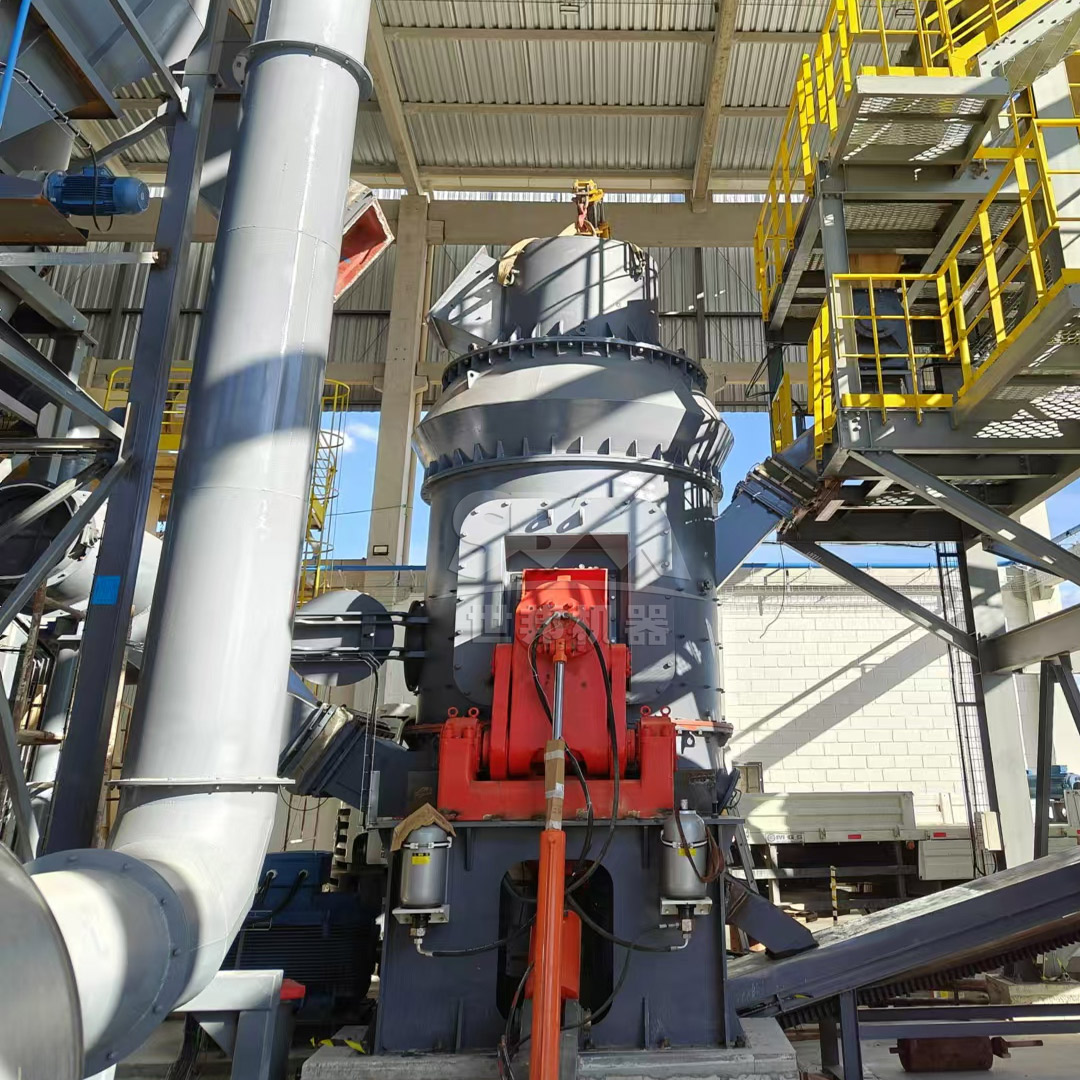
Selecting the right grinding technology is paramount. The equipment must offer high grinding efficiency, precise particle size classification, low energy consumption per ton of product, and robust operation to handle the abrasive nature of slag.
2.3. Classification and Collection
Following grinding, an efficient air classifier separates the fine product from coarse particles, which are recirculated back to the mill for further size reduction. A high-efficiency dust collection system, such as a pulse-jet baghouse, then captures the finished powder, ensuring a clean production environment and maximizing product yield.
2.4. Storage and Packaging
The processed slag powder is conveyed to silos for storage. Modern systems employ airslides and dense phase conveying to maintain powder fluidity. Packaging can be in bulk tankers for large-scale ready-mix concrete plants or in bags for smaller batch operations.
3. Critical Equipment for Efficient Slag Processing
The heart of any slag processing line is the grinding mill. Two primary technological paths exist, each suitable for different product fineness targets and capacity requirements.
3.1. For High-Capacity Production of Fine Slag Powder (325-45μm)
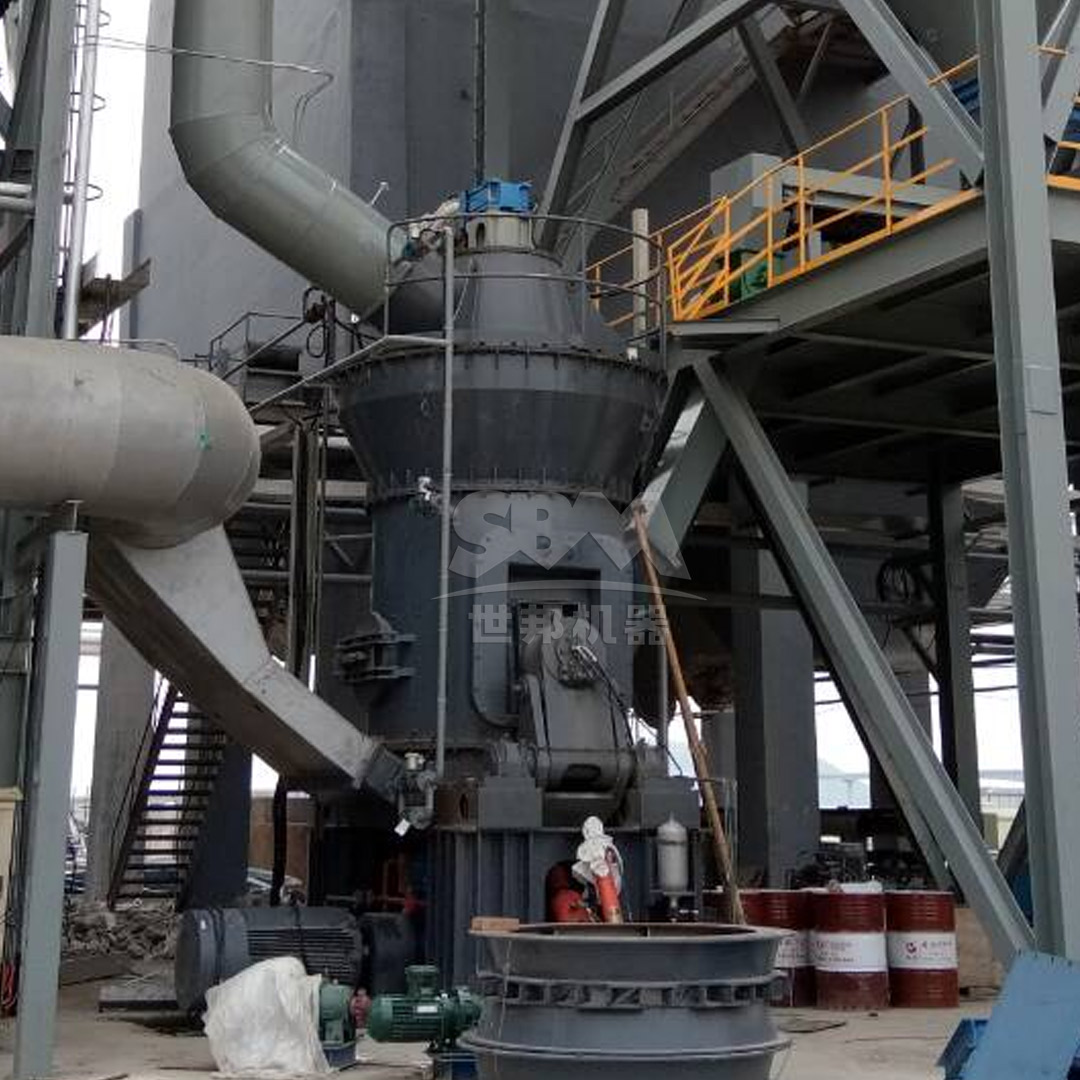
For projects requiring large volumes of slag powder with fineness in the range of 30-325 mesh (600-45μm), vertical roller mills and European-type trapezium mills represent the industry standard due to their integrated drying-grinding-classification design and exceptional energy efficiency.
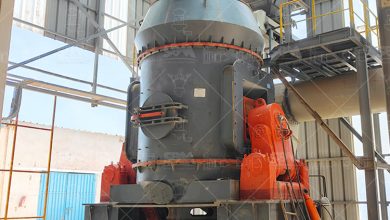
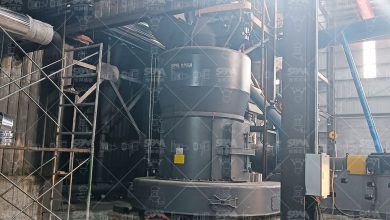
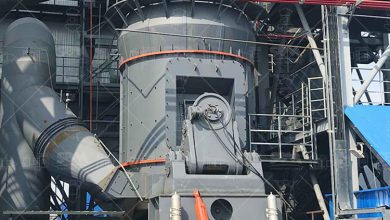
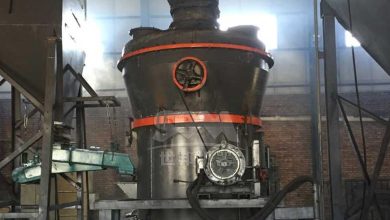
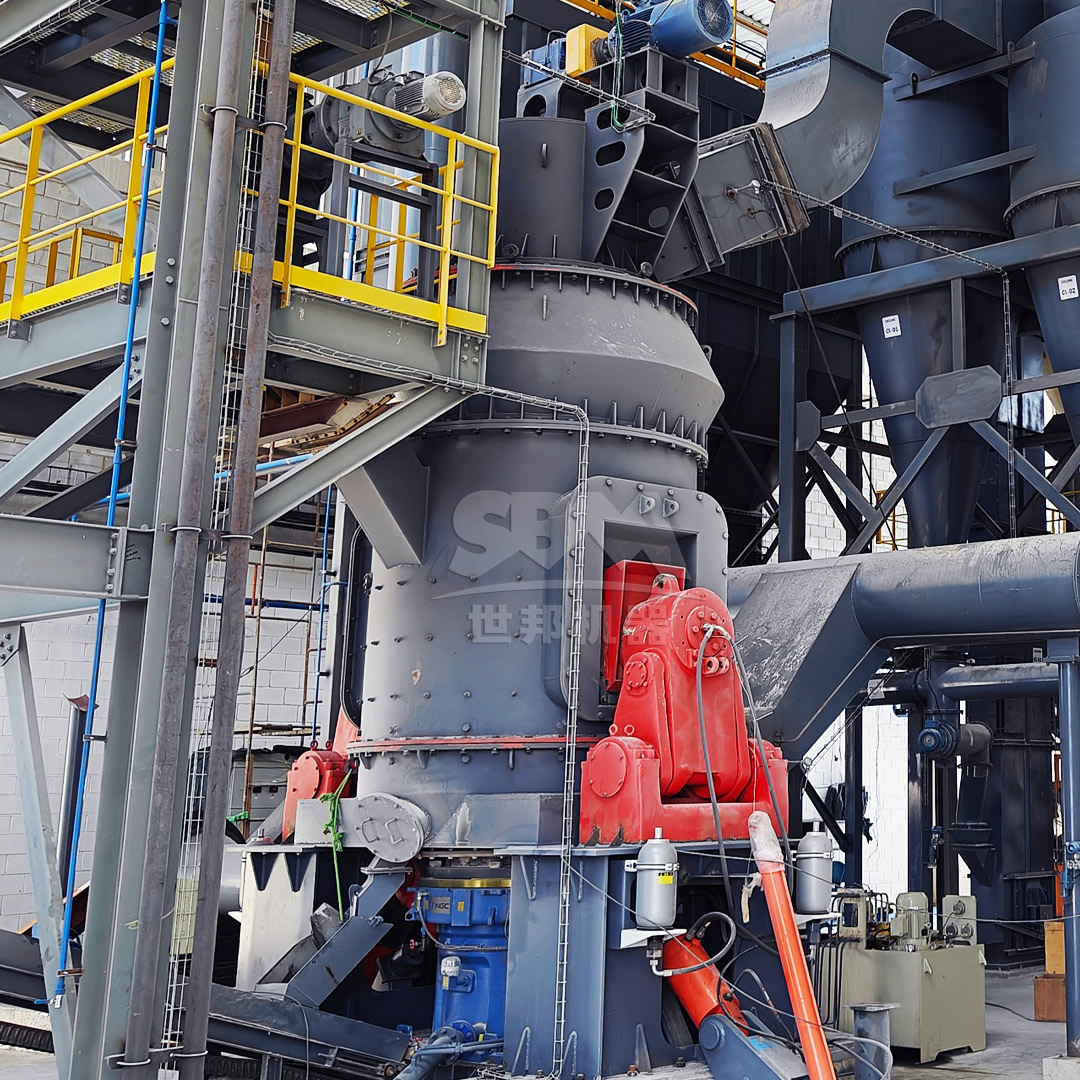
Our LM Series Vertical Roller Mill is ideally suited for this application. Its integrated design combines crushing, grinding, drying, and classifying in a single unit, reducing footprint by up to 50% compared to traditional ball mill systems. With a capacity range of 3-250 tons per hour and the ability to handle feed sizes up to 50mm, the LM series operates with 30-40% lower energy consumption. Its intelligent control system allows for real-time monitoring and adjustment of grinding pressure, classifier speed, and feed rate, ensuring a stable and optimal output of fine slag powder with consistent Blaine fineness. The fully sealed negative pressure operation guarantees dust emissions meet the strictest environmental standards.
3.2. For Premium Ultrafine Slag Powder Production (2500-325 mesh / 5-45μm)
When the application demands ultra-high pozzolanic reactivity or the production of ultra-high performance concrete (UHPC), grinding slag to an ultrafine level (2500-325 mesh or 5-45μm) is necessary. This requires specialized ultrafine grinding technology.
For this demanding task, we recommend our flagship SCM Series Ultrafine Mill. Engineered specifically for producing micron and sub-micron powders, the SCM mill achieves fineness from 325 to 2500 mesh. Its vertical turbine classifier provides high-precision particle size cutting, eliminating coarse powder mixing and delivering a uniformly fine product essential for maximizing reactivity. The mill features a durable design with special material rollers and rings, offering a service life several times longer than conventional mills. Furthermore, its energy-efficient operation consumes approximately 30% less power than jet mills of comparable output, making it a cost-effective solution for producing high-value ultrafine slag admixture.
4. Quality Control and Performance Metrics
A rigorous quality control protocol is essential. Key parameters monitored include:
- Fineness: Measured by Blaine air permeability apparatus or laser particle size analyzer.
- Chemical Composition: Ensuring low loss on ignition (LOI) and consistent levels of SiO₂, Al₂O₃, and CaO.
- Activity Index: The standard test comparing the compressive strength of mortar cubes containing 50% slag with control mortar cubes at 7 and 28 days.
- Moisture Content: Maintained at a very low level to prevent caking and ensure flowability.
5. Benefits of Using Processed Slag in Concrete
Incorporating finely ground coal ash slag into concrete delivers multifaceted benefits:
- Enhanced Durability: Reduces permeability, improving resistance to chloride ingress, sulfate attack, and alkali-silica reaction.
- Improved Workability: The spherical shape of slag particles improves the lubricity of the concrete mix.
- Higher Long-Term Strength: The pozzolanic reaction contributes to continued strength gain beyond 28 days.
- Thermal Control: Reduces the heat of hydration in mass concrete pours.
- Sustainability: Signantly lowers the clinker factor in cement, reducing CO₂ emissions and diverting industrial waste from landfills.
6. Conclusion
The production of high-quality coal ash slag admixture is a sophisticated process that hinges on advanced grinding technology. By moving beyond simple crushing to controlled fine and ultrafine grinding, producers can create a material that not only improves concrete performance but also drives the construction industry toward greater sustainability. Investing in the right processing equipment, such as the energy-efficient LM Series for high-volume fine grinding or the high-precision SCM Series for premium ultrafine products, is the foundational step in establishing a successful and future-proof slag valorization business. This approach turns an environmental liability into a high-performance engineering resource, closing the industrial loop and building a greener future.