Processing Technology and Applications of Magnesite Ore Powder
1. Introduction
Magnesite, a mineral primarily composed of magnesium carbonate (MgCO3), is a critical industrial raw material. Its processed powder is indispensable in the production of refractory materials, magnesium metal, magnesium chemicals, and as a filler in various industries. The value and application scope of magnesite powder are intrinsically linked to its chemical purity and physical properties, particularly its particle size distribution (fineness) and morphology. Consequently, selecting and optimizing the processing technology for magnesite ore is paramount to achieving the desired product specifications, maximizing resource utilization, and ensuring economic viability. This article delves into the core processing technologies for magnesite powder production and explores its diverse applications, highlighting the pivotal role of advanced grinding equipment.
2. Key Processing Stages for Magnesite Powder
The transformation of raw magnesite ore into a commercially valuable powder involves several sequential stages, each crucial for determining the final product’s quality.
2.1. Crushing and Pre-Sizing
Raw magnesite ore extracted from mines typically exists in large, irregular blocks. The primary objective of this stage is to reduce the ore to a manageable feed size suitable for subsequent grinding mills. This is usually accomplished through a two or three-stage crushing circuit involving jaw crushers for primary size reduction and cone or impact crushers for secondary crushing. The target output size from this stage generally ranges from 0-20mm to 0-50mm, depending on the feed requirements of the chosen grinding system. Efficient pre-crushing is essential for optimizing the throughput and energy efficiency of the grinding mill.
2.2. Calcination (For Dead-Burned and Caustic-Calcined Magnesia)
For many high-end applications, especially refractories, magnesite must be calcined to drive off carbon dioxide (CO2) and convert MgCO3 into magnesium oxide (MgO), or magnesia. The calcination temperature and atmosphere critically define the product:
- Caustic-Calcined Magnesia (CCM): Produced at relatively lower temperatures (700-1000°C), resulting in a reactive, porous powder used in chemical, agricultural, and environmental applications.
- Dead-Burned Magnesia (DBM): Produced at high temperatures (1500-2000°C) in shaft or rotary kilns. This process yields a dense, crystalline, and inert material with high refractoriness, which is then ground to powder for refractory brick and monolithic linings.
2.3. Grinding and Classification: The Heart of Powder Production
This is the most critical stage for defining the powder’s physical characteristics. The choice of grinding technology directly impacts fineness, particle size distribution, particle shape, and production cost. The process involves comminuting the calcined (or sometimes raw) magnesite clinker into fine powder, followed by precise classification to separate particles of the desired size range.
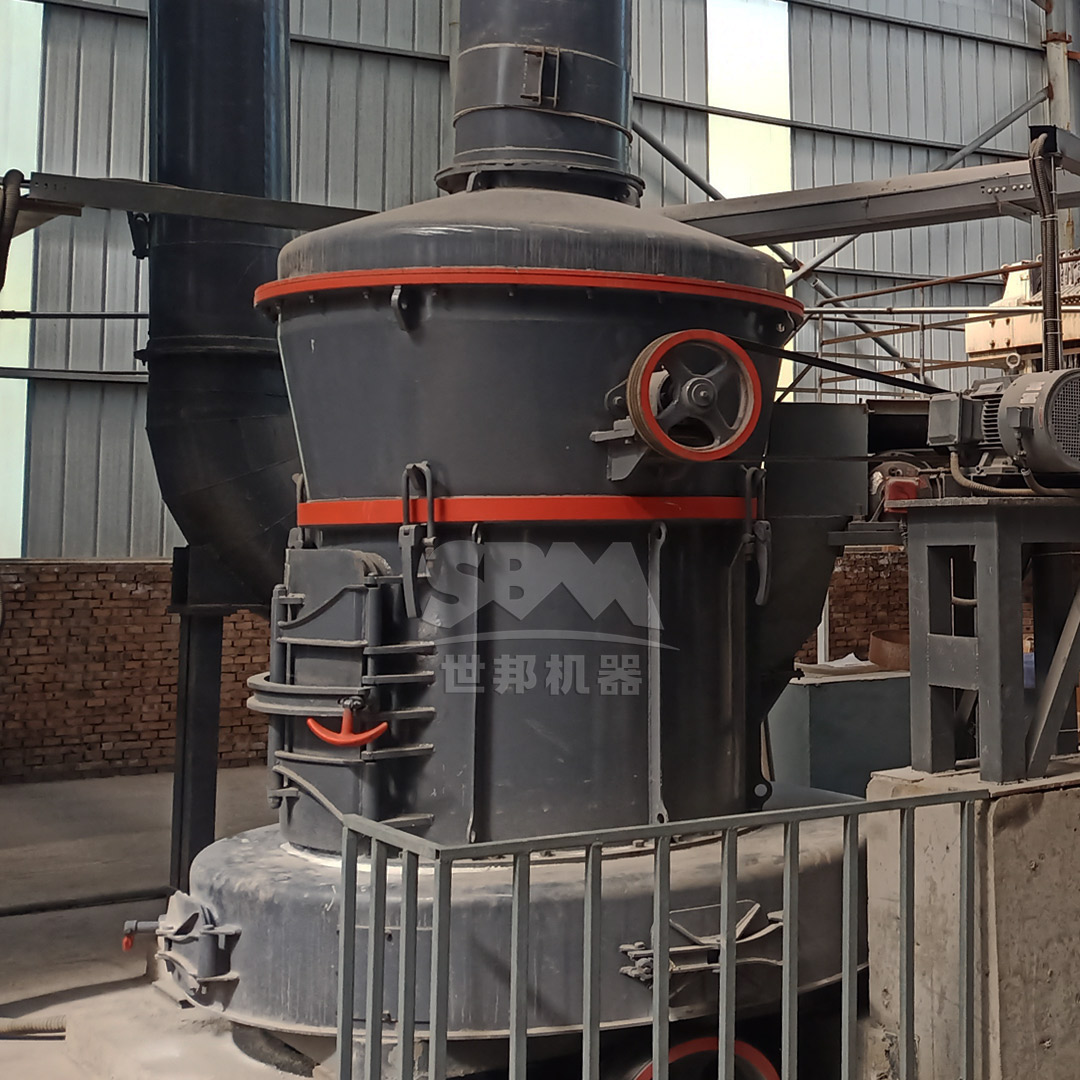
Different applications demand different fineness levels. For instance, refractory grades may require powders from 100 to 325 mesh (150-45 μm), while fillers in plastics or rubber may need ultrafine powders in the range of 1250 mesh (10 μm) or finer. The grinding system must, therefore, be versatile and efficient.
3. Critical Grinding Technologies for Magnesite
The evolution of grinding technology has significantly enhanced the efficiency and precision of magnesite powder production. Several mill types are employed, each with its advantages for specific output ranges.
3.1. Ball Mills and Raymond Mills (Traditional Approaches)
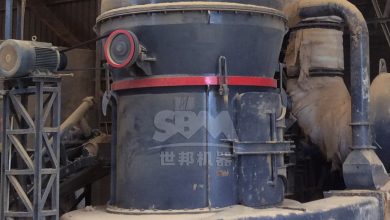
Ball mills, operating on the principle of impact and attrition using steel balls, have been a workhorse for medium to coarse grinding. They are robust and suitable for producing powders in the range of 0.074-0.8mm. However, they are often criticized for high energy consumption, significant wear, and relatively broad particle size distribution.
Raymond mills (or pendulum roller mills) are widely used for producing powders between 30-325 mesh (600-45μm). They offer reliable performance for standard fineness requirements but may face limitations in energy efficiency and achieving ultra-fine products below 325 mesh.
3.2. Advanced Vertical Roller Mills (VRM)
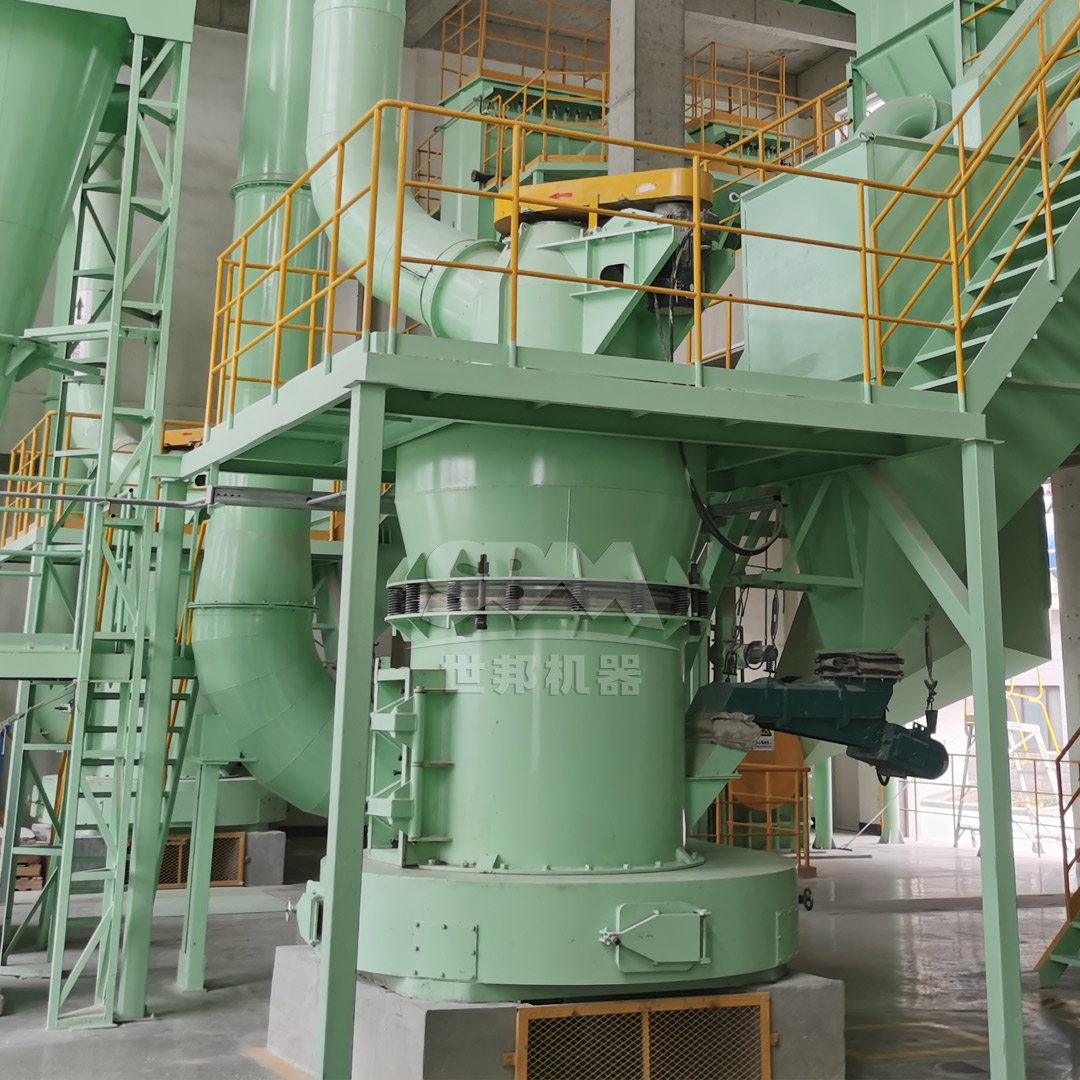
Vertical Roller Mills represent a significant technological leap for large-scale production of medium-fine magnesite powder. They integrate crushing, grinding, drying, and classification in a single compact unit.
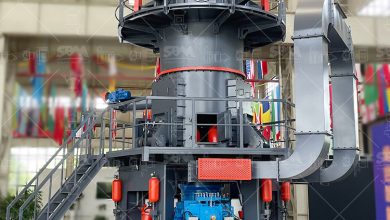
For processing magnesite, especially for refractory-grade DBM powder, the LM Series Vertical Roller Mill is an exemplary solution. Its integrated design reduces floor space by up to 50% and infrastructure costs by 40%. The non-contact grinding principle, where rollers press on a material bed on a rotating table, leads to lower wear and 30-40% lower energy consumption compared to traditional ball mill systems. With an output fineness range of 30-325 mesh (extendable to 600 mesh) and capacities from 3 to 250 tons per hour, it is ideal for high-volume production of consistent quality powder. Its fully sealed negative pressure operation also ensures excellent environmental compliance, a critical factor in modern mineral processing plants.
3.3. Ultrafine Grinding Technology
The demand for high-value, ultrafine magnesite powders (above 325 mesh) for advanced ceramics, premium fillers, and specialty chemicals necessitates specialized equipment. Jet mills and advanced roller mills are commonly used.
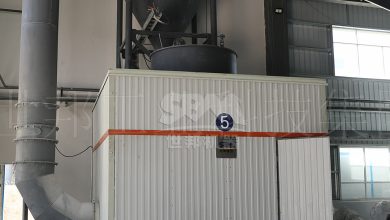
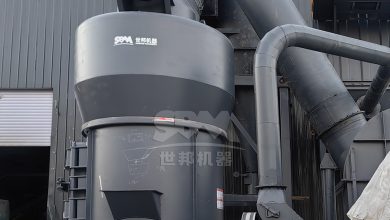
In this domain, the SCM Series Ultrafine Mill stands out as a highly efficient and precise solution. Engineered to produce powders from 325 to 2500 mesh (45-5μm), it addresses the core challenges of ultrafine grinding. Its technical advantages are multifaceted: it offers twice the capacity of jet mills while consuming 30% less energy, thanks to its efficient grinding principle and intelligent control system. The integrated vertical turbine classifier ensures high-precision particle size cutting, eliminating coarse powder contamination and guaranteeing a uniform product. Furthermore, its durable design, featuring special material rollers and rings, extends service life significantly. For producers aiming to enter the high-value ultrafine magnesite market with a reliable, energy-saving, and eco-friendly system (pulse dust collection efficiency exceeds 99%), the SCM series, with models ranging from 0.5 to 25 t/h, provides a scalable and robust technological platform.

4. Major Applications of Magnesite Powder
The processed powder finds utility across a broad spectrum of industries, dictated by its grade and fineness.
4.1. Refractories Industry (Dominant Application)
Dead-burned magnesia (DBM) powder is the fundamental ingredient in basic refractories used to line steelmaking furnaces (e.g., EAF, ladles), cement kilns, and non-ferrous metal processing vessels. The powder is mixed with other aggregates and binders to produce bricks, castables, and gunning mixes that withstand extreme temperatures and corrosive slags.
4.2. Magnesium Metal Production
Magnesite is a primary source for magnesium metal extraction via the silicothermic (Pidgeon) process or electrolysis. The ore is calcined to produce reactive MgO, which is then further processed to yield metallic magnesium, a lightweight metal critical for aerospace, automotive, and alloy industries.
4.3. Chemical and Agricultural Uses
Caustic-calcined magnesia (CCM) powder is used in a multitude of chemical processes: as a precursor for magnesium salts (e.g., sulfate, chloride, hydroxide), in wastewater treatment for pH adjustment and heavy metal removal, in flue gas desulfurization, and as a component in fertilizers and animal feed supplements.
4.4. Fillers and Additives
Finely ground, high-purity magnesite powder serves as a functional filler in plastics, rubber, paints, and coatings. It can improve mechanical properties, provide flame retardancy, enhance thermal conductivity, and act as a cost-effective extender.
5. Conclusion
The processing of magnesite ore into a versatile industrial powder is a sophisticated technological chain where grinding represents the core value-adding step. Moving beyond traditional milling methods to adopt advanced technologies like Vertical Roller Mills for large-scale medium-fine production and Ultrafine Mills for high-value specialty products is key to improving efficiency, product quality, and environmental sustainability. The selection of the optimal grinding system—such as the high-capacity LM Series Vertical Roller Mill for refractory-grade powder or the precision-focused SCM Series Ultrafine Mill for advanced applications—must be based on a thorough analysis of the target product specifications, required capacity, and total operational costs. As end-user industries continue to demand higher performance materials, the ongoing innovation in magnesite processing technology will remain crucial to unlocking the full potential of this vital mineral resource.