Processing Technology and Application Fields of Sepiolite
Introduction to Sepiolite
Sepiolite, also known as meerschaum, is a complex magnesium silicate clay mineral characterized by its unique fibrous structure, high specific surface area, porosity, and excellent adsorption properties. Its chemical formula is typically expressed as Mg4Si6O15(OH)2·6H2O. The natural abundance and versatile physicochemical characteristics of sepiolite have made it a valuable non-metallic mineral resource with applications spanning numerous industries. However, to unlock its full potential, sepiolite must undergo specific processing and beneficiation steps, with size reduction (comminution) being one of the most critical stages. The choice of grinding technology directly impacts the final product’s particle size distribution, surface activity, and, consequently, its performance in various applications.
Key Processing Stages for Sepiolite
The transformation of raw sepiolite ore into a functional industrial product involves several key stages:
1. Crushing and Primary Size Reduction
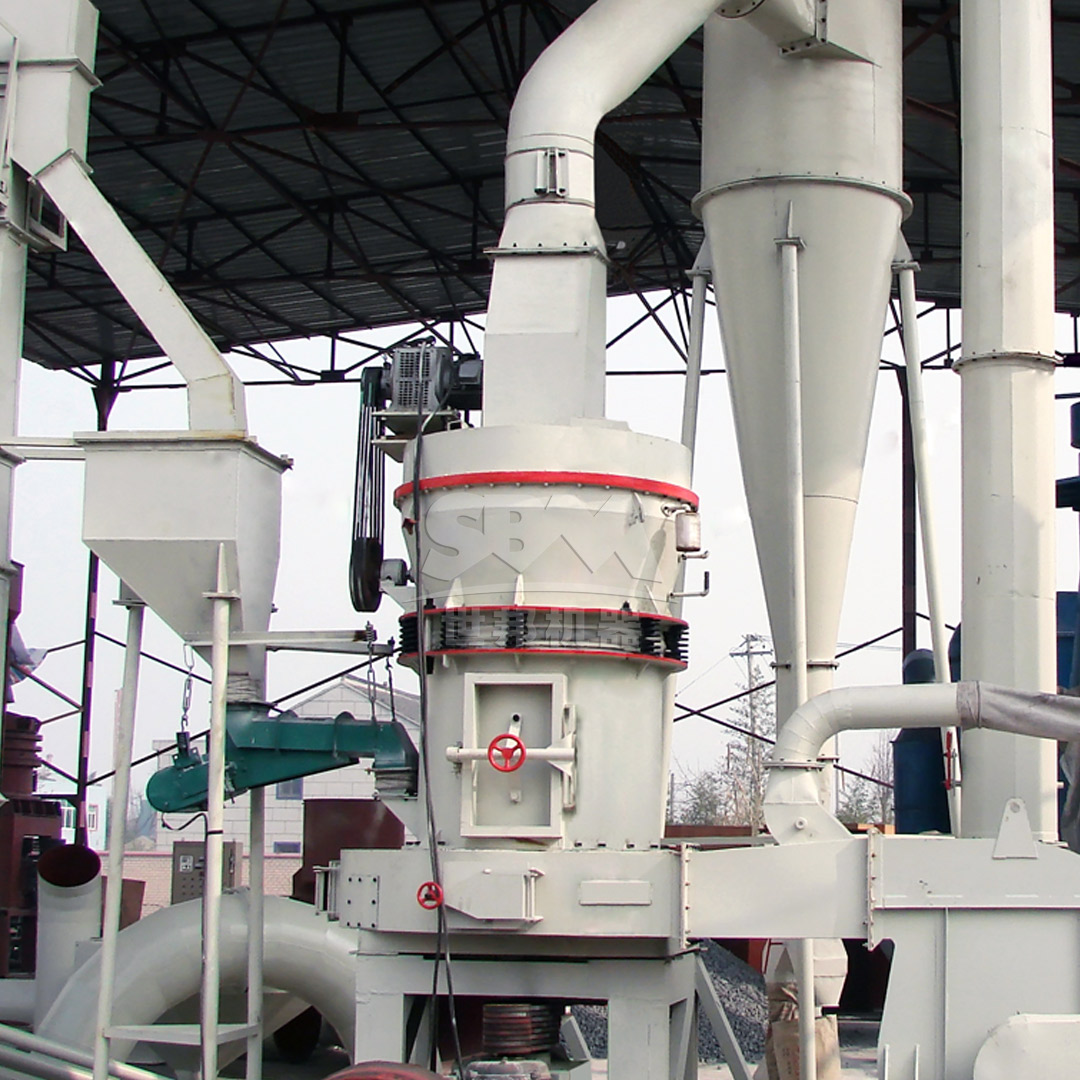
Raw sepiolite ore, often extracted in large lumps, first undergoes primary and secondary crushing to reduce its size to a manageable range, typically below 50mm. Jaw crushers and hammer mills are commonly employed for this purpose. Efficient primary crushing is crucial for preparing a uniform feed for subsequent fine grinding operations, ensuring optimal throughput and energy efficiency.
2. Drying
Sepiolite naturally contains a significant amount of free and bound water. Drying is an essential step to reduce moisture content, which prevents clogging during grinding, improves grinding efficiency, and stabilizes the final product. Rotary dryers or flash dryers are typically used.
3. Fine and Ultrafine Grinding
This is the core stage that activates sepiolite’s properties. The objective is to disaggregate the natural fiber bundles and achieve the desired fineness, which can range from coarse granules (10-100 mesh) for cat litter to superfine powders (over 1250 mesh) for high-performance nanocomposites. The grinding process must preserve the mineral’s fibrous structure while achieving a narrow particle size distribution. This requires precision grinding equipment with advanced classification systems.
4. Classification and Purification
After grinding, air classifiers or screens are used to separate particles according to size. Further purification steps, such as magnetic separation or chemical treatment, may be applied to remove impurities like quartz, calcite, or iron oxides, enhancing the product’s whiteness and chemical purity.
5. Surface Modification (Optional)
For specialized applications in polymers, coatings, or advanced adsorbents, sepiolite fibers may be surface-modified with silanes, surfactants, or other organic agents to improve compatibility with organic matrices or to tailor its surface chemistry for specific adsorption tasks.
Critical Role of Grinding Technology
The selection of grinding equipment is paramount. Traditional ball mills can cause over-grinding, damaging the fibrous structure and reducing aspect ratio. Modern grinding systems focus on applying shear and compression forces to efficiently separate the fibers while controlling heat generation to preserve crystal structure.
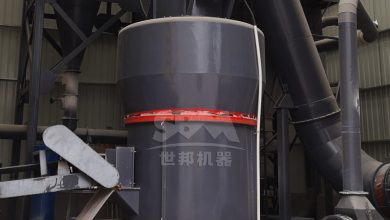
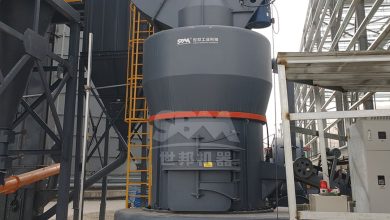
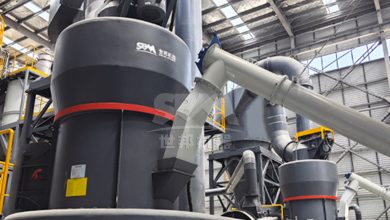
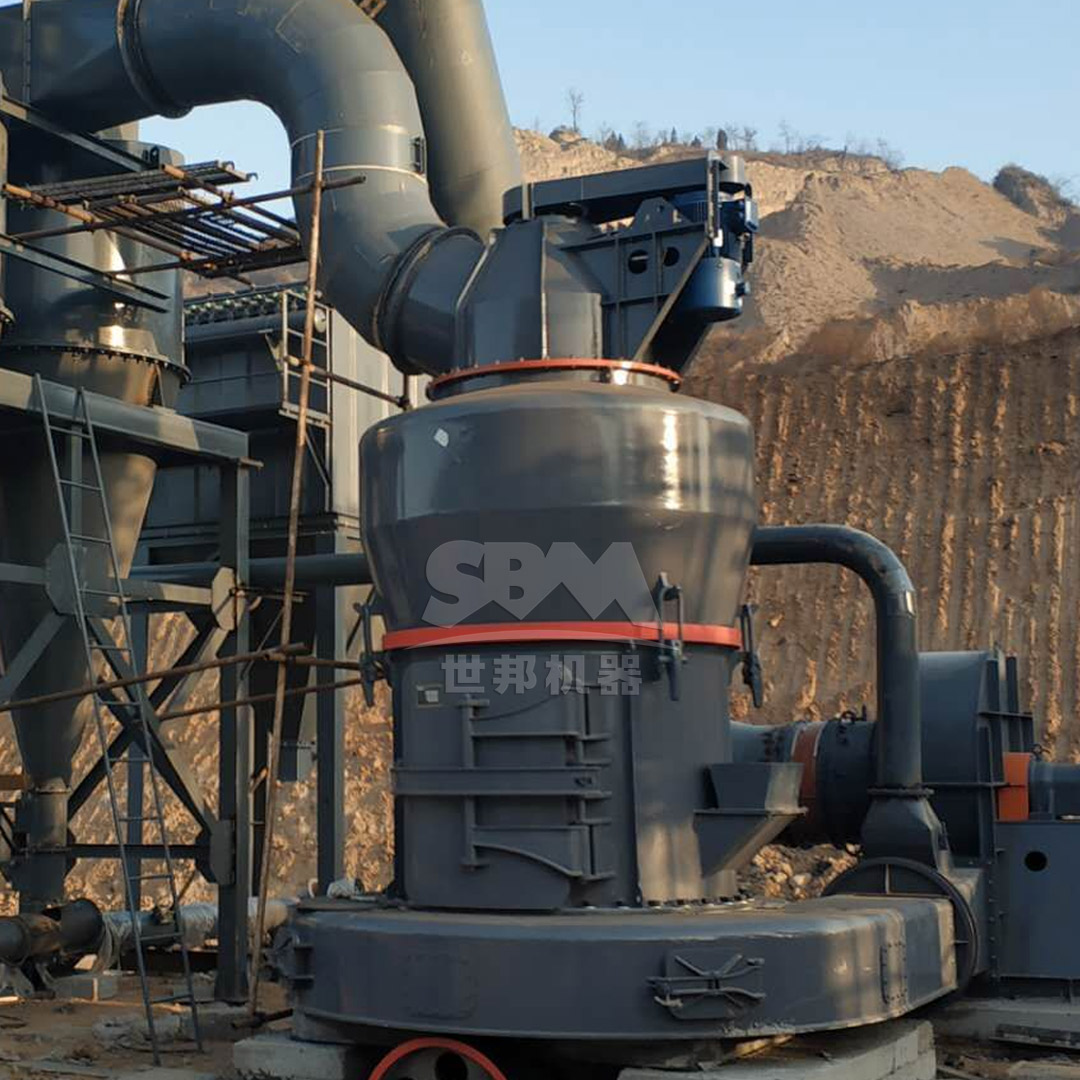
For high-volume production of sepiolite powders in the 30-325 mesh range (coarse to medium fineness), robust and efficient mills are required. Our MTW Series Trapezium Mill is exceptionally well-suited for this task. Engineered with a curved air duct that minimizes flow resistance and a high-efficiency impeller adjustable classifier, the MTW mill ensures uniform particle size with less energy consumption. Its wear-resistant design, featuring interchangeable shovel blades and grinding rollers, significantly reduces maintenance downtime and operational costs, making it an ideal choice for large-scale processing plants aiming for consistent quality in the construction, agriculture, or general filler markets.
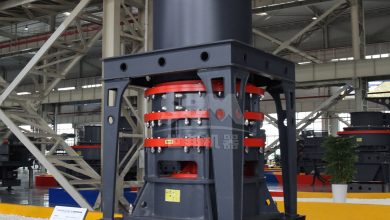
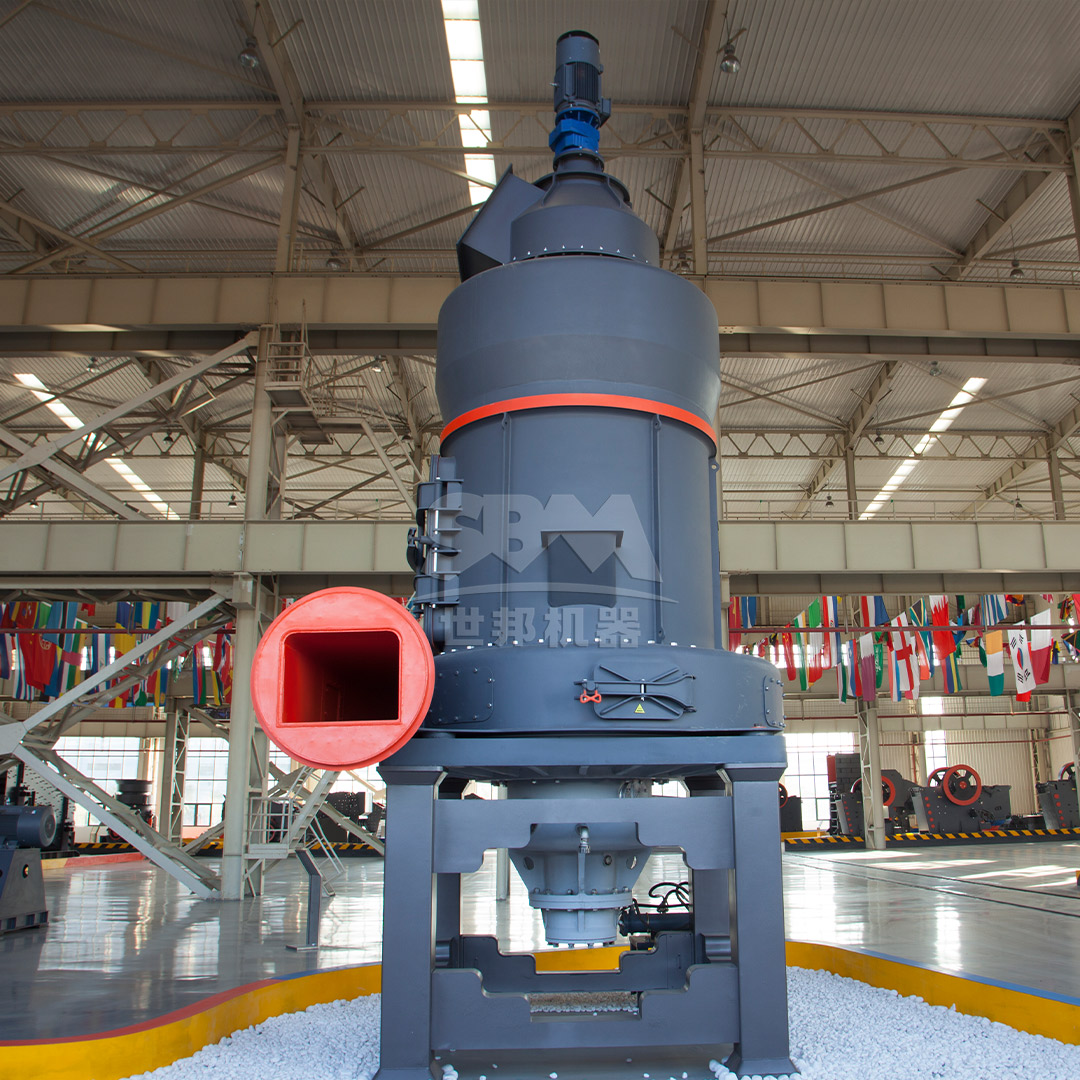
When the application demands ultrafine sepiolite powders (D97 ≤ 5μm or 2500 mesh) for high-value sectors like pharmaceuticals, advanced ceramics, or specialty adsorbents, the grinding technology must achieve exceptional fineness with precise cut points. This is where our SCM Series Ultrafine Mill excels. It integrates a vertical turbine classifier that provides accurate particle size separation, ensuring no coarse particles contaminate the final product. The grinding chamber’s unique design, coupled with high-precision roller and ring geometry, applies layered grinding principles to efficiently achieve ultrafine sizes while maintaining the integrity of the sepiolite fibers. With energy consumption up to 30% lower than traditional jet mills and a fully automated control system, the SCM series represents the cutting edge for producing premium-grade activated sepiolite powders.
Major Application Fields of Processed Sepiolite
The properties unlocked through proper processing dictate sepiolite’s diverse applications:
1. Adsorption and Environmental Remediation
Its high surface area and porosity make it an excellent adsorbent for oils, greases, and toxic substances. It is used in spill cleanup, industrial wastewater treatment, and as a carrier for pesticides and fertilizers (providing controlled release).
2. Polymer and Rubber Composites
As a reinforcing filler, sepiolite fibers improve the mechanical strength, thermal stability, and rheological properties of plastics, rubber, and sealants. Its nanofibrous nature can enhance barrier properties in packaging films.
3. Construction Materials
In plasters, mortars, and joint compounds, sepiolite acts as a rheological additive, providing anti-sagging and water retention properties. It is also used in lightweight aggregates and insulation materials.
4. Agriculture and Animal Husbandry
Beyond being a carrier, it improves soil structure and moisture retention. Its primary use is as a highly absorbent, odor-controlling agent in cat litter and animal bedding.
5. Pharmaceuticals and Cosmetics
Ultrafine, purified sepiolite is used as a suspending agent, viscosity modifier, and absorbent in pharmaceutical formulations, creams, and lotions.
6. Catalysis and Advanced Materials
Its structure provides a high-surface-area support for catalysts. It is also researched for use in energy storage, filtration membranes, and as a flame retardant additive.
Conclusion
The journey of sepiolite from a raw clay mineral to a high-performance industrial material is intrinsically linked to advanced processing technology. The grinding stage, in particular, is a decisive factor in defining product quality and application scope. Moving beyond conventional crushing methods to adopt precision grinding solutions like the MTW Series for general fineness and the SCM Ultrafine Mill for premium superfine products allows processors to maximize the value of sepiolite resources. By matching the sophisticated engineering of these grinding systems with the unique structural requirements of sepiolite, producers can reliably supply consistent, high-quality powders that meet the exacting demands of modern industry, from everyday construction and agriculture to cutting-edge nanotechnology and environmental science.