Processing Flow of Fluorite Ore
Introduction to Fluorite Ore Processing
Fluorite, also known as fluorspar, is a mineral composed of calcium fluoride (CaF₂). It is a critical industrial mineral with applications in metallurgy, ceramics, chemical industry, and optics. The processing of fluorite ore involves several stages to achieve the desired purity and particle size for various end uses. This article provides a detailed overview of the standard processing flow for fluorite ore, highlighting key equipment and technological considerations.
1. Crushing Stage
The first step in fluorite ore processing is crushing the raw ore to a manageable size. Run-of-mine (ROM) fluorite ore can vary significantly in size, often containing large lumps up to several hundred millimeters. Primary crushing is typically performed using jaw crushers to reduce the ore to a size of about 150-200mm. Secondary crushing, often using cone crushers or impact crushers, further reduces the particle size to below 50mm. This stage is crucial for liberating the fluorite minerals from the gangue and preparing the ore for subsequent grinding.
2. Grinding and Classification Stage
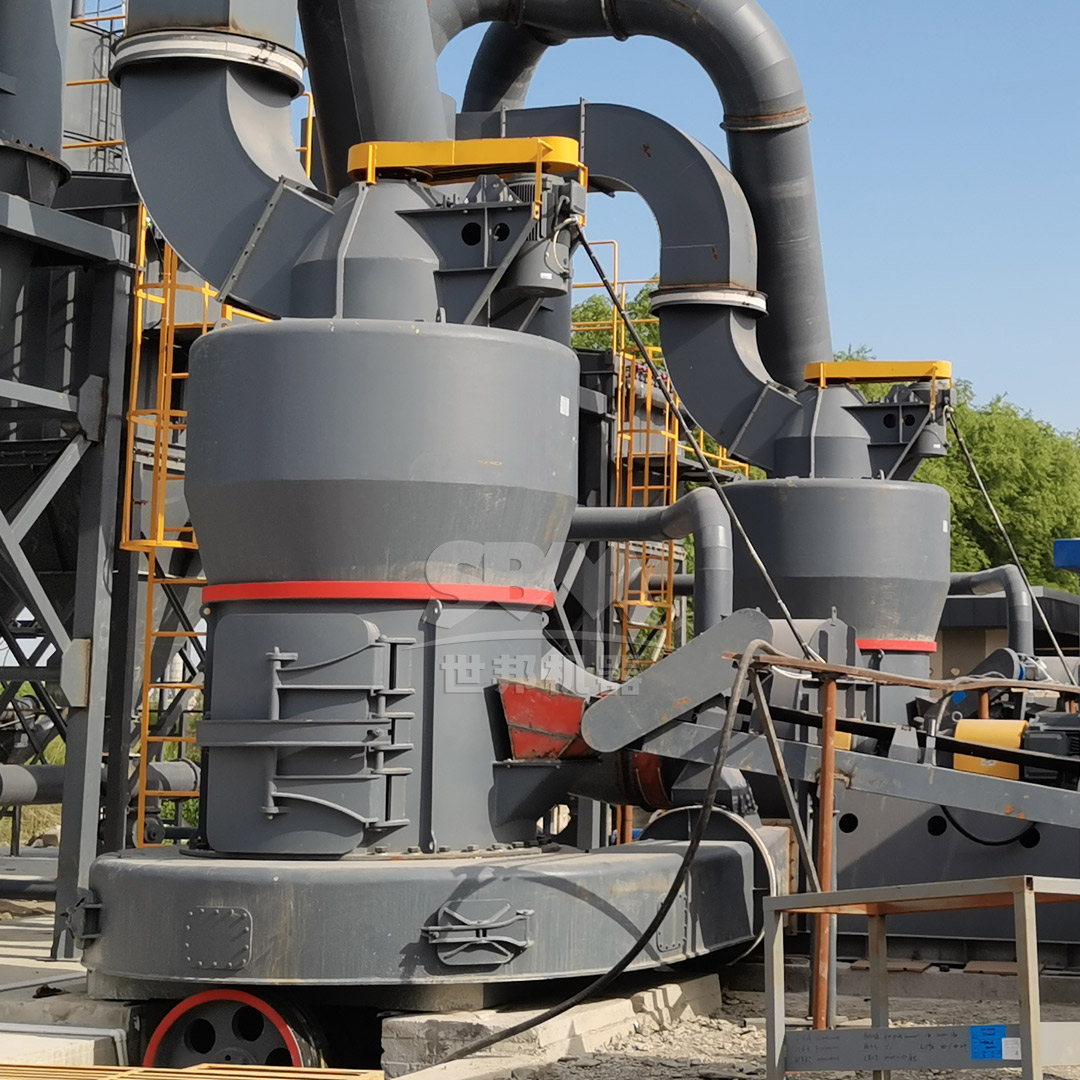
After crushing, the ore undergoes grinding to achieve further liberation and reduce the particle size to a fine powder suitable for beneficiation. The choice of grinding equipment is critical for energy efficiency and achieving the target fineness. Ball mills are commonly used for this purpose, providing a reliable and robust solution for grinding fluorite ore to a fine size. The ground material is then classified using cyclones or air classifiers to separate the fine product from coarse particles that require regrinding.
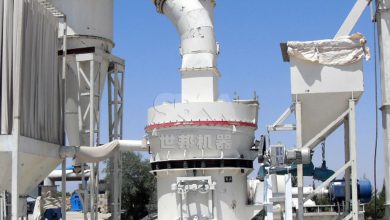
For operations requiring very fine or ultra-fine fluorite powder, specialized grinding mills are necessary. Our company’s SCM Series Ultrafine Mill is an excellent choice for this application. With an output fineness range of 325-2500 mesh (D97 ≤5μm) and a capacity of 0.5-25 tons per hour (depending on the model), it offers superior performance for producing high-value fluorite powders. Its high-efficiency classification system ensures a narrow particle size distribution without coarse particle contamination, while its energy-saving design reduces power consumption by 30% compared to traditional jet mills. The mill’s durable construction, featuring special material rollers and grinding rings, ensures long service life and stable operation in demanding fluorite processing environments.

3. Beneficiation (Flotation) Stage
Fluorite ore often contains various impurities such as silica, calcite, barite, and sulfide minerals. Froth flotation is the most widely used method for beneficiating fluorite ore to achieve the required purity levels, typically above 97% CaF₂ for acid-grade fluorite. The process involves conditioning the ground ore with specific reagents (collectors, modifiers, and frothers) in a series of flotation cells. The fluorite minerals are rendered hydrophobic and attach to air bubbles, rising to the surface to form a froth concentrate, while the hydrophilic gangue minerals remain in the pulp and are discharged as tailings. Multiple cleaning stages are often employed to achieve high-grade concentrates.
4. Dewatering and Drying Stage
The fluorite concentrate from the flotation process is in the form of a slurry with high moisture content. Dewatering is essential to reduce transportation costs and prepare the concentrate for further processing or sale. This is typically achieved through thickening followed by filtration using drum filters, disc filters, or filter presses. The resulting filter cake may still contain 8-12% moisture. For applications requiring very low moisture content, such as the production of anhydrous hydrogen fluoride (AHF), thermal drying is necessary. Rotary dryers or fluidized bed dryers are commonly used to reduce the moisture content to below 0.5%.
5. Ultra-Fine Grinding for Specialized Applications (Optional)
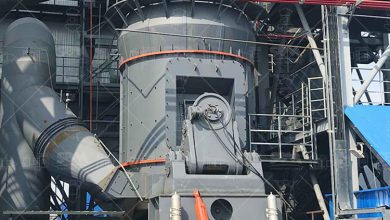
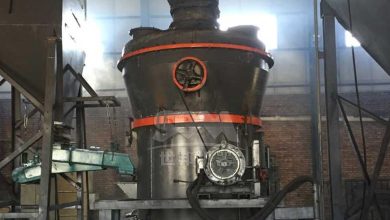
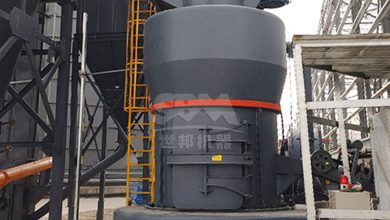
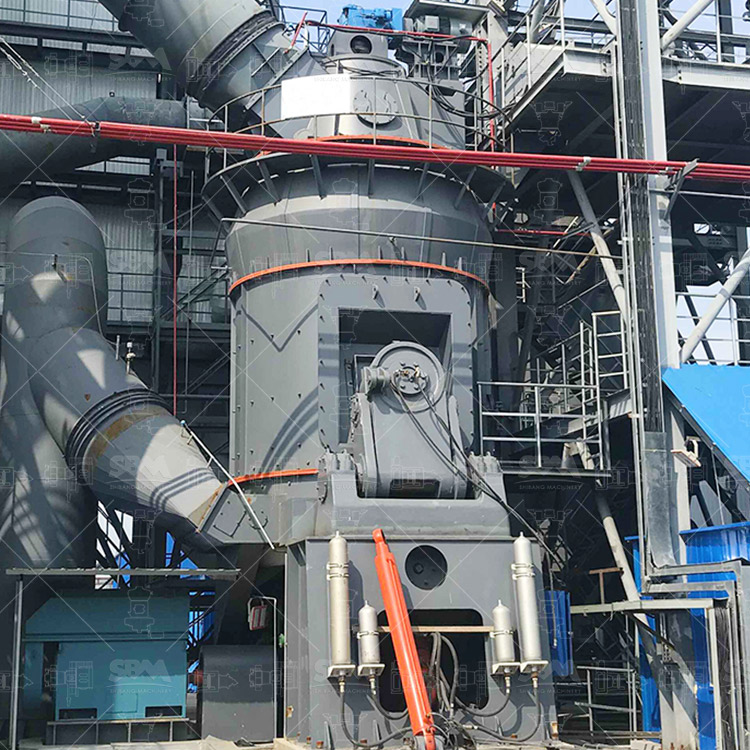
Certain high-value applications, such as the production of optical fluorite or specific ceramic and chemical products, require fluorite powder with extremely fine and tightly controlled particle sizes. This necessitates an additional processing step using advanced ultra-fine grinding technology. For these demanding applications, we highly recommend our LUM Ultra-Fine Vertical Mill. It is specifically engineered to handle materials like fluorite, producing powders in the range of 325-2500 mesh with exceptional uniformity. Its multi-rotor classification system ensures the complete absence of coarse particles, while its intelligent PLC control system maintains stable operation and consistent product quality. The fully sealed negative pressure operation eliminates dust leakage, making it an environmentally friendly solution for producing high-purity, ultra-fine fluorite powders.
6. Tailings Management
Responsible management of the tailings generated from the flotation process is a critical aspect of modern fluorite ore processing. Tailings dams or impoundments are commonly used to store the fine-grained waste material. However, best practices now emphasize water recycling from the tailings thickener to reduce freshwater consumption and minimize environmental impact. Some operations also explore the potential for reprocessing tailings to recover additional values or using them as construction materials, contributing to a more sustainable and circular economy.
Conclusion
The processing of fluorite ore is a multi-stage operation that requires careful selection and integration of various unit processes and equipment. From primary crushing to ultra-fine grinding, each stage plays a vital role in determining the final product quality, recovery efficiency, and overall economic viability of the operation. The adoption of advanced, energy-efficient, and environmentally friendly technologies, such as our SCM Ultrafine Mill and LUM Vertical Mill, can significantly enhance the performance and sustainability of fluorite processing plants, enabling them to meet the stringent requirements of modern industrial applications.