Processing Flow of Coal Series Kaolin
Introduction to Coal Series Kaolin Processing
Coal series kaolin, also known as coal measure kaolin, is a valuable industrial mineral derived from coal seams and associated strata. Its unique properties, including high whiteness, fine particle size, and chemical stability, make it suitable for various applications such as paper coating, ceramics, plastics, rubber, and paints. The processing of coal series kaolin involves several critical stages to transform raw ore into high-value products. This article provides a comprehensive overview of the processing flow, highlighting key technologies and equipment essential for achieving optimal product quality and operational efficiency.
Raw Material Preparation and Beneficiation
The initial stage in coal series kaolin processing involves mining and raw material preparation. The extracted ore typically contains impurities such as quartz, feldspar, mica, and iron oxides, which must be removed to enhance the kaolin’s purity and brightness. Beneficiation processes include crushing, grinding, and classification to liberate kaolin particles from gangue minerals. Efficient comminution is crucial for downstream processing, as it determines the liberation degree and subsequent separation efficiency.
Crushing and Primary Grinding
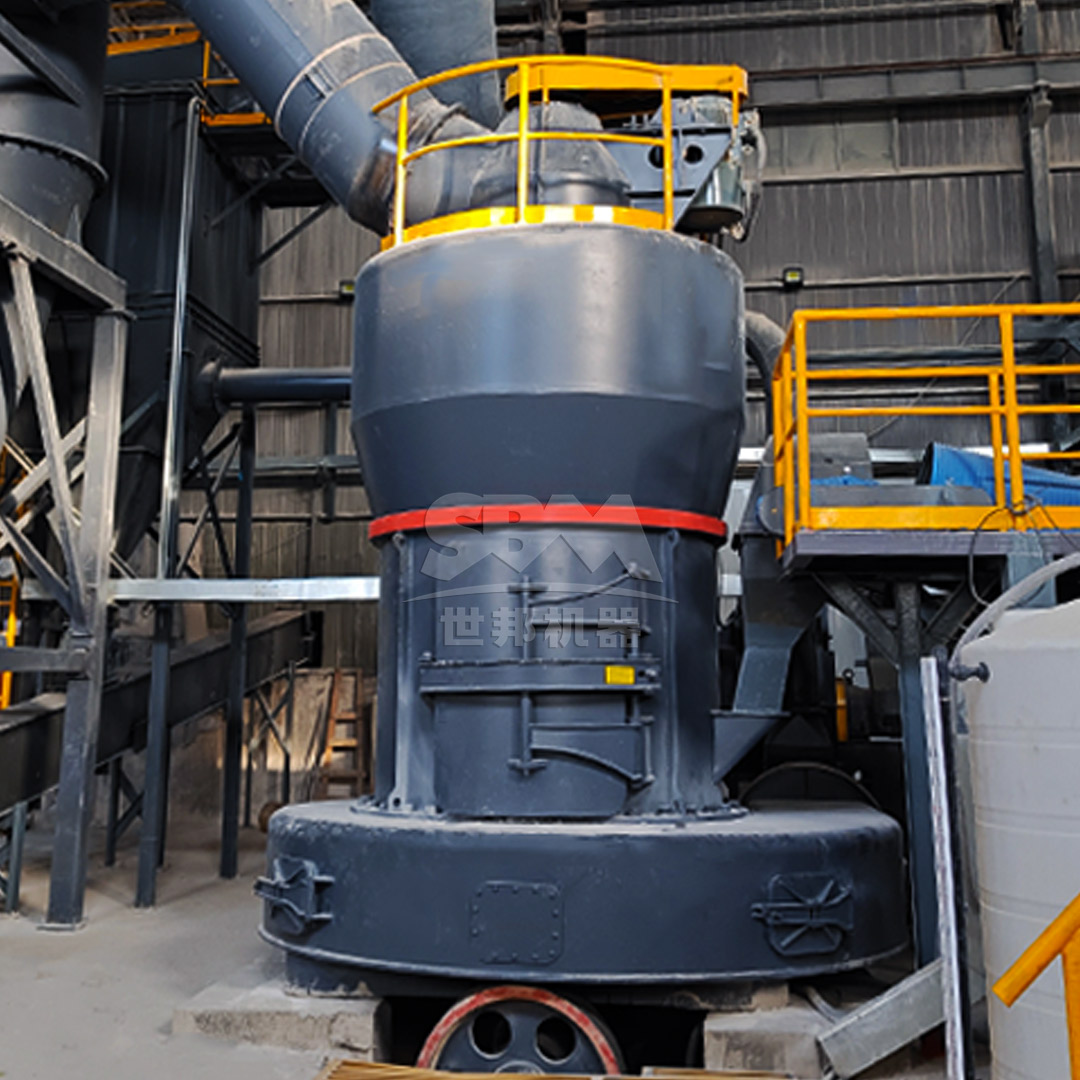
Primary crushing reduces the raw ore to a manageable size, typically below 50 mm. Jaw crushers or gyratory crushers are commonly employed for this purpose. Following crushing, the material undergoes primary grinding to further reduce particle size and liberate kaolin particles. Hammer mills or impact crushers are often used for initial size reduction, achieving a particle size suitable for subsequent beneficiation steps.
Fine Grinding and Particle Size Control
After beneficiation, the kaolin concentrate requires fine grinding to achieve the desired fineness for specific applications. The choice of grinding equipment significantly impacts the final product’s particle size distribution, brightness, and rheological properties. For ultra-fine grinding requirements, advanced milling technologies are essential to produce powders with consistent quality and narrow particle size distributions.
Ultra-Fine Grinding Solutions
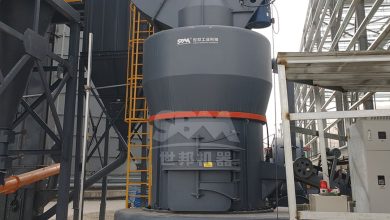
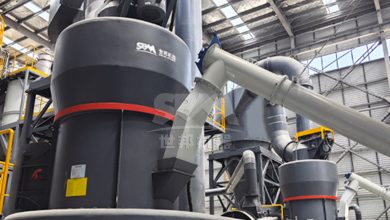
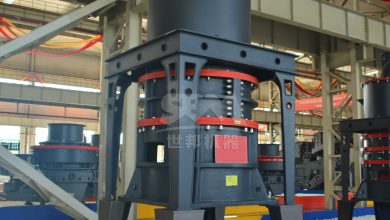
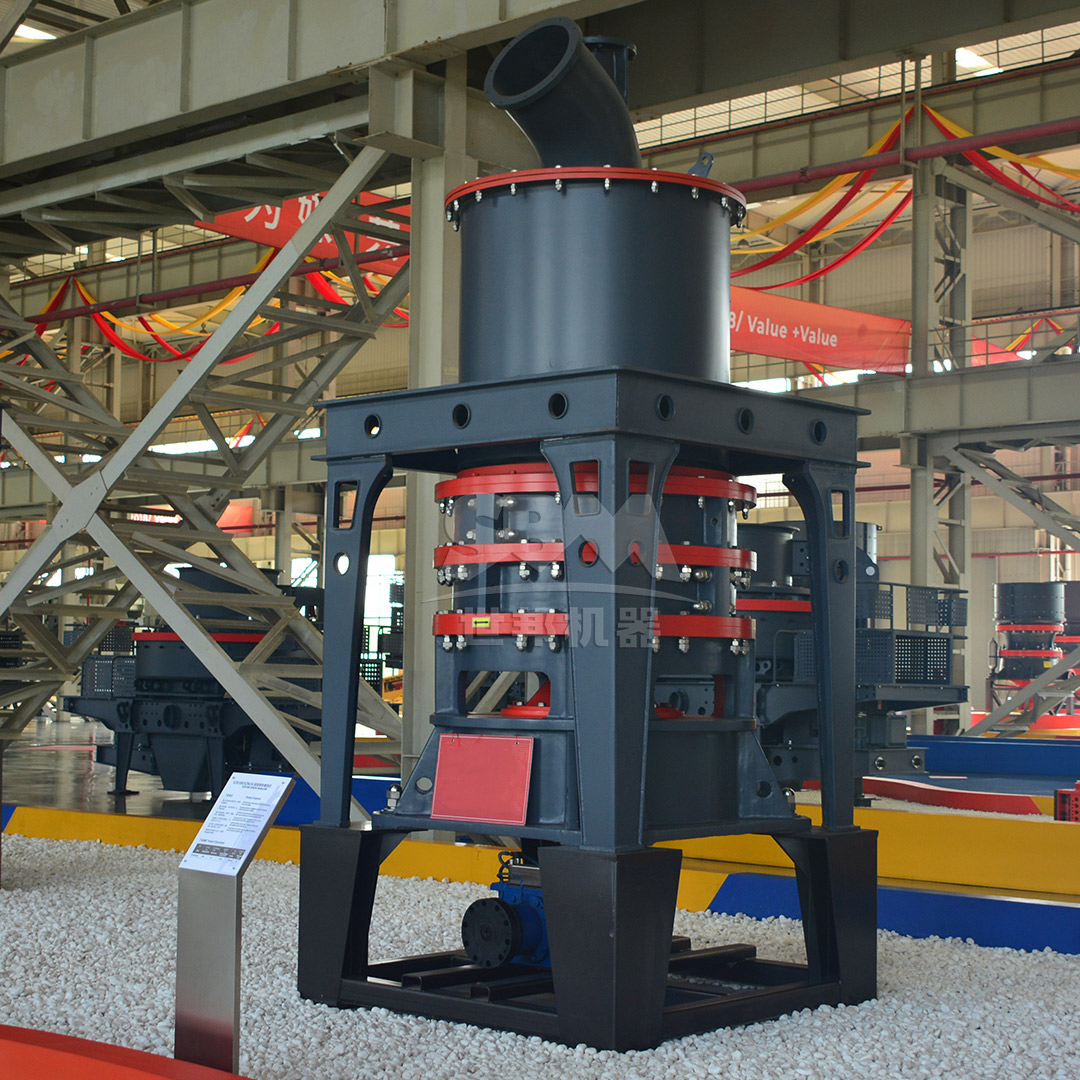
For applications demanding very fine particle sizes, such as high-grade paper coating or specialty ceramics, ultra-fine grinding mills are indispensable. Our SCM Ultrafine Mill is specifically designed to meet these challenges. With an output fineness range of 325-2500 mesh (D97 ≤ 5μm) and a handling capacity of 0.5-25 tons per hour, this mill offers exceptional performance for coal series kaolin processing. Its intelligent control system ensures automatic feedback on product particle size, while the vertical turbine classifier provides precise size cuts without coarse powder contamination. The mill’s energy-efficient design reduces power consumption by 30% compared to conventional jet mills, making it an economically viable solution for high-value kaolin production.
Classification and Purification
Classification is a critical step in kaolin processing to separate particles based on size and shape. Hydrocyclones, centrifuges, and air classifiers are commonly used to achieve the desired particle size distribution. For coal series kaolin, which often contains carbonaceous matter, additional purification steps such as magnetic separation, froth flotation, or chemical bleaching may be necessary to remove impurities and enhance product brightness.
Advanced Classification Technologies
Modern classification systems integrate seamlessly with grinding circuits to optimize overall process efficiency. The high-precision classification capability of our SCM Ultrafine Mill ensures uniform product quality with minimal oversize particles. This is particularly important for coal series kaolin, where consistent particle size directly influences application performance in sectors like plastics and rubber compounding.
Drying and Thermal Treatment
After wet processing, kaolin slurry typically contains 25-35% moisture and requires drying to facilitate handling, transportation, and storage. Spray dryers, rotary dryers, or flash dryers are employed to reduce moisture content to acceptable levels. For certain applications, calcination at high temperatures (typically 1000-1200°C) may be necessary to enhance properties like brightness, opacity, and hardness by removing structural water and converting kaolinite to metakaolin or mullite.
Energy-Efficient Drying Systems
Modern drying technologies focus on energy conservation and product quality preservation. Integrated thermal systems can recover waste heat from calcination processes to pre-dry moist kaolin, significantly reducing overall energy consumption. The choice of drying equipment depends on the required final moisture content, production capacity, and thermal sensitivity of the kaolin product.
Surface Modification and Value Addition
To expand the application range of coal series kaolin, surface modification is often employed to improve compatibility with polymer matrices or enhance specific functional properties. Common modification methods include coating with silanes, titanates, or stearic acid to impart hydrophobicity, improve dispersion, or increase reinforcement capability in composite materials.
Quality Control and Product Testing
Rigorous quality control is essential throughout the kaolin processing flow to ensure consistent product performance. Key parameters monitored include particle size distribution, brightness, viscosity, pH, moisture content, and chemical composition. Advanced analytical techniques such as laser diffraction, X-ray fluorescence (XRF), and scanning electron microscopy (SEM) provide comprehensive characterization of the final product.
Environmental Considerations and Sustainability
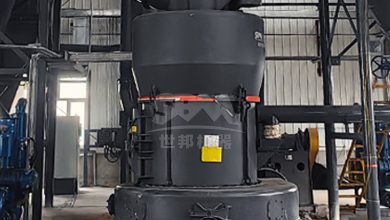
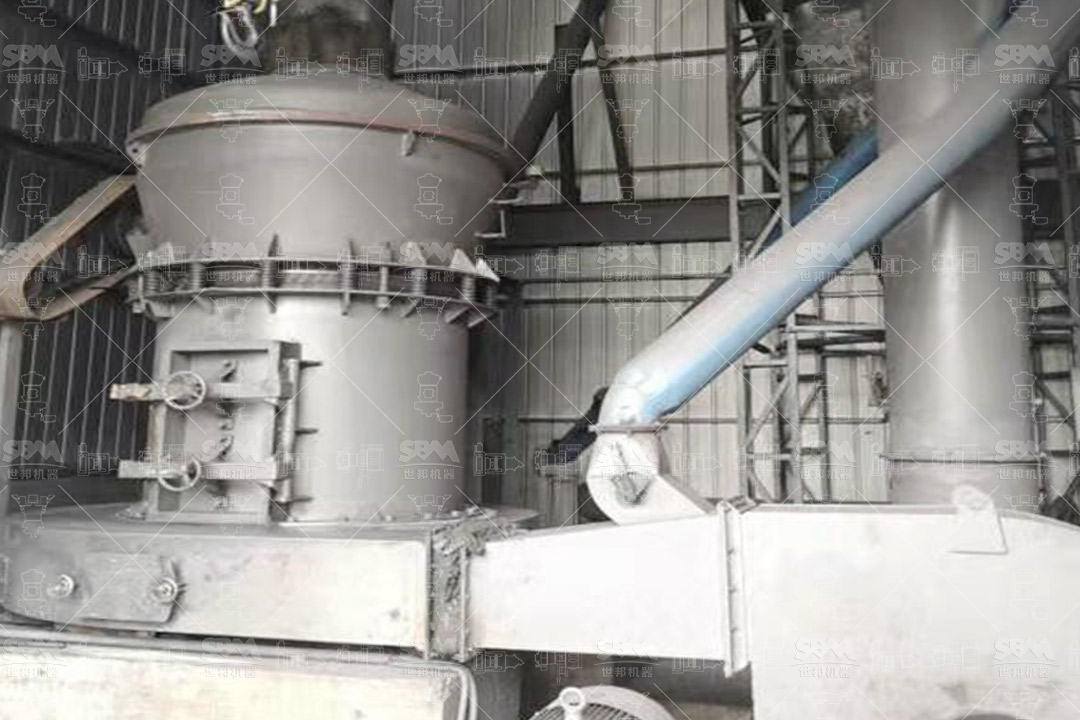
Modern kaolin processing facilities prioritize environmental sustainability through water recycling, waste minimization, and emissions control. Closed-circuit water systems reduce freshwater consumption, while advanced dust collection systems maintain air quality. The MTW Series Trapezium Mill exemplifies this approach with its curved air channel design that minimizes energy loss and pulse dust collector that exceeds international emission standards. With a capacity range of 3-45 tons per hour and output fineness of 30-325 mesh, this mill offers an efficient and environmentally responsible solution for medium-fine grinding of coal series kaolin.
Conclusion
The processing of coal series kaolin involves a sophisticated sequence of operations designed to transform raw mineral into high-value products for diverse industrial applications. From initial beneficiation to final value-added treatments, each stage requires carefully selected equipment and precise process control. The integration of advanced technologies such as our SCM Ultrafine Mill for ultra-fine grinding and MTW Series Trapezium Mill for medium-fine processing ensures optimal product quality with enhanced efficiency and sustainability. As market demands for specialized kaolin products continue to evolve, ongoing innovation in processing technologies will further expand the applications and value of this versatile industrial mineral.