Process of Producing Activated Bleaching Earth from Calcium-Based Bentonite
Introduction
Activated bleaching earth, a highly effective adsorbent and decolorizing agent, is indispensable in the purification of edible oils, mineral oils, and various chemical products. Its production from calcium-based bentonite involves a series of critical steps, from raw material preparation to activation and final product finishing. The efficiency and quality of the final product are heavily dependent on the precision and performance of the grinding and processing equipment used at each stage. This article outlines the comprehensive production process and highlights the pivotal role of advanced milling technology.
1. Raw Material Preparation and Primary Crushing
The process begins with high-purity calcium-based bentonite ore. The raw material, typically with a feed size of up to 50mm, must first be reduced to a manageable size for subsequent drying and grinding. A primary crusher, such as a jaw crusher, is employed to break down large lumps into pieces generally below 20-30mm. This step is crucial for ensuring uniform feeding into the dryer and the main grinding mill.
2. Drying
Calcium bentonite naturally contains a significant amount of moisture (often 15-25%). Efficient drying is essential to reduce moisture content to below 10-12% to prepare it for effective grinding and the subsequent acid activation process. Rotary dryers are commonly used, utilizing hot air to evaporate moisture. Proper drying prevents clogging in mills and ensures consistent reactivity during activation.
3. Milling: The Heart of the Process
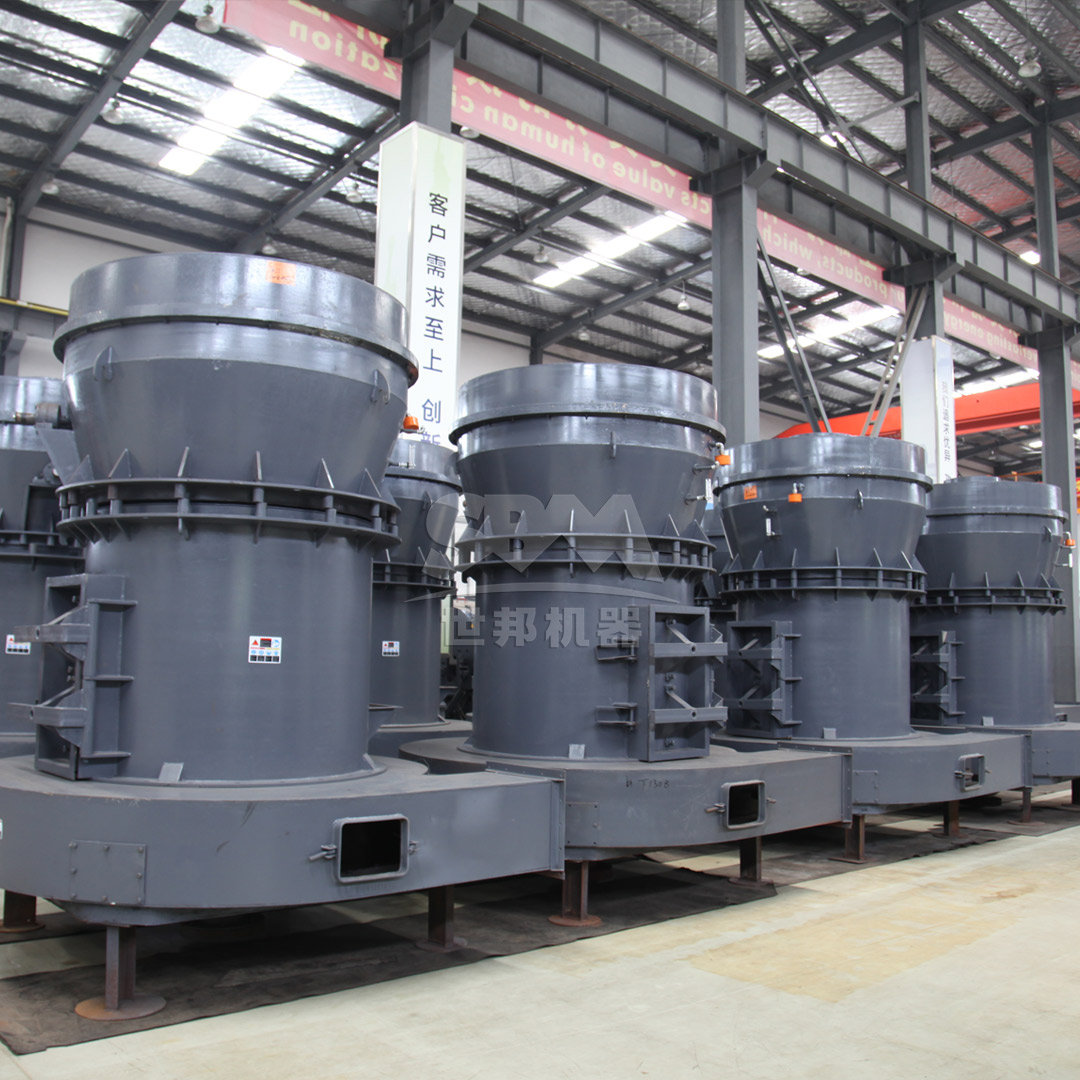
Milling is arguably the most critical step in determining the final properties of the bleaching earth. The goal is to achieve a very fine and uniform particle size, which dramatically increases the specific surface area, thereby enhancing its adsorption capacity. The traditional target fineness for activation feed is often in the range of 200 to 325 mesh (74-45 μm).
3.1 The Role of Advanced Grinding Equipment
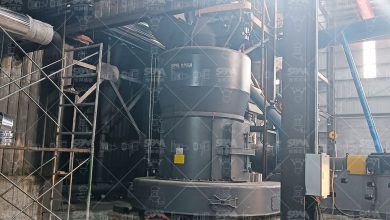
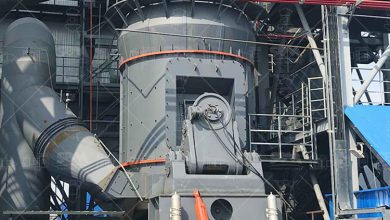
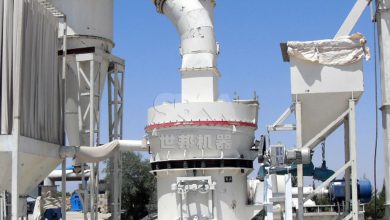
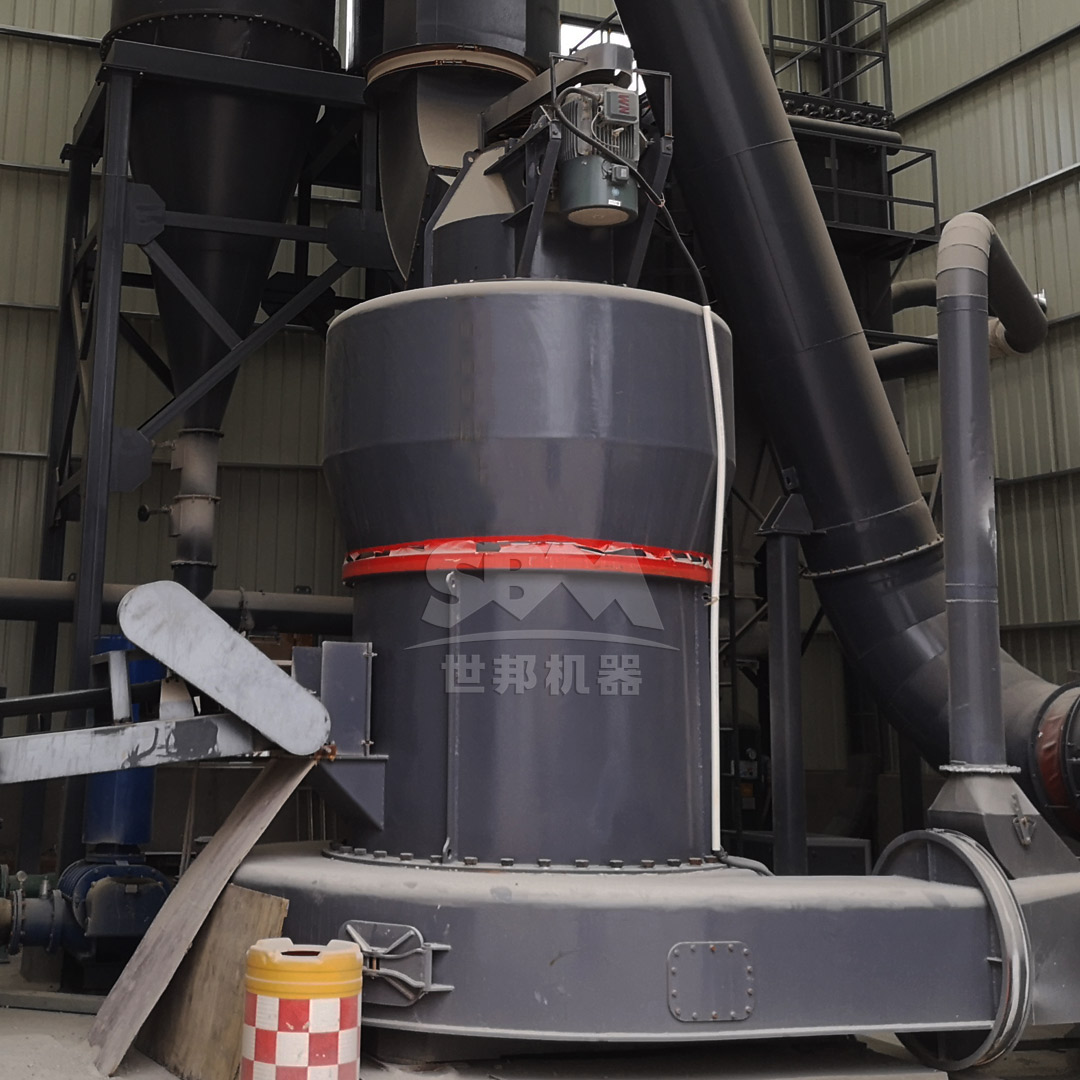
For this application, a robust and efficient grinding mill is required to handle the abrasive nature of bentonite and produce a consistent, fine powder. Our MTW Series Trapezium Mill is exceptionally well-suited for this intermediate grinding stage. Engineered for high capacity and reliability, the MTW mill can process feed sizes up to 50mm and deliver a precise output ranging from 30 to 325 mesh (0.6mm to 45μm). Its advantages are directly aligned with the demands of bentonite processing:
- Durable & Cost-Effective: The innovative curved air duct and wear-resistant shovel blade design minimize energy loss and reduce maintenance costs by up to 30%, which is vital for processing abrasive materials like bentonite.
- High Efficiency & Precision: The integrated conical gear transmission achieves 98% efficiency, while the advanced internal powder classifier ensures precise particle size control, resulting in a uniform product ideal for the next activation step.
- High Capacity: With models like the MTW215G offering throughputs of 15-45 tons per hour, it can support large-scale industrial production lines efficiently.
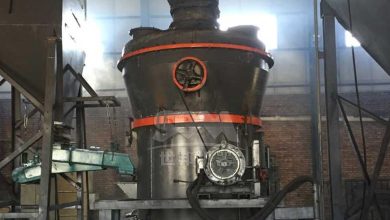
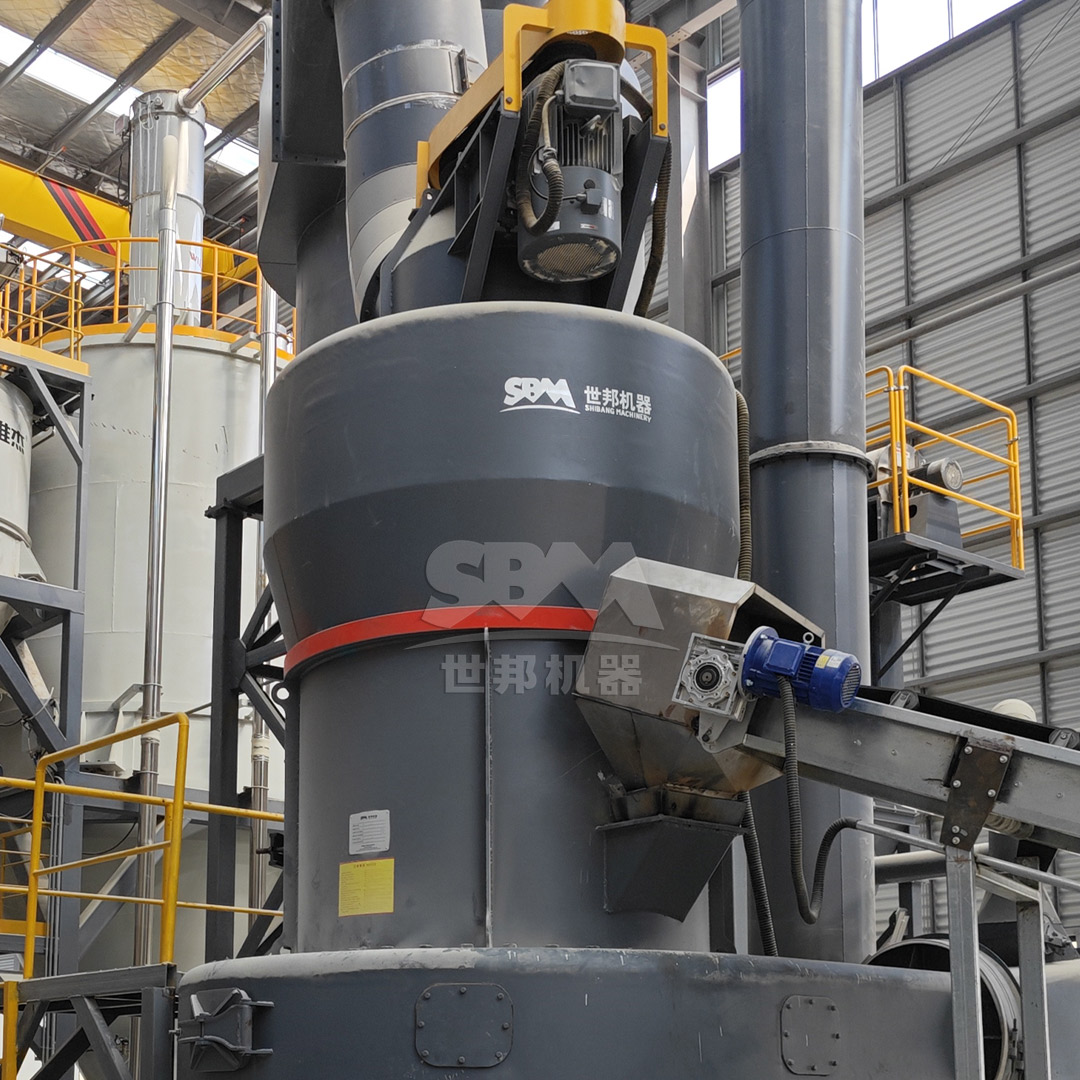
For producers aiming for ultra-fine activated bleaching earth with superior decolorizing power, a secondary or dedicated ultra-fine milling stage might be incorporated. Here, our SCM Ultrafine Mill is the technology of choice. Capable of producing powders from 325 to an impressive 2500 mesh (45-5μm D97), it unlocks the ultimate surface area potential of the bentonite. Its vertical turbine classifier guarantees sharp particle size cuts with no coarse grain contamination, and its energy-efficient design consumes 30% less power compared to traditional jet mills, making it a sustainable and high-performance solution for premium product grades.
4. Acid Activation
The milled bentonite powder is then subjected to acid activation, typically using hydrochloric or sulfuric acid. In this chemical process, the acid leaches calcium, magnesium, and iron ions from the interlayer spaces of the bentonite structure, replacing them with hydrogen ions. This dramatically increases the porosity, surface acidity, and overall adsorptive capability of the clay. The process involves mixing the powder with a concentrated acid solution, heating the slurry under controlled conditions (often between 90-100°C) for several hours, and then thorough washing to remove residual acids and soluble salts.
5. Filtration, Washing, and Drying (Post-Activation)
The activated slurry is filtered to separate the solid bleaching earth from the spent acid liquor. The filter cake undergoes extensive washing with water until a neutral pH is achieved. The purified wet cake is then dried again, usually in a spray dryer or a paddle dryer, to reduce moisture to a level suitable for storage and packaging (typically below 10%).
6. Final Milling and Classification
After activation and drying, the material may form slight agglomerates. A final, gentle milling or disagglomeration step is often employed to ensure the product is a free-flowing, uniformly fine powder. An air classifier or a light-duty mill can be used to achieve the final specified particle size distribution and to remove any occasional coarse particles.
7. Quality Control and Packaging
The finished activated bleaching earth undergoes rigorous quality control tests, including measurement of decolorization power (using standard oils like soybean oil), moisture content, pH, particle size distribution, and free acidity. Once it meets the specifications, the product is packaged in moisture-proof bags or bulk containers for shipment to refineries and chemical plants.
Conclusion
The transformation of calcium-based bentonite into high-performance activated bleaching earth is a sophisticated process integrating mechanical and chemical engineering. The selection of grinding equipment is paramount, directly influencing activation efficiency, product quality, and overall operational economics. Our MTW Series Trapezium Mill provides an optimal balance of high throughput, durability, and precise particle size control for the primary grinding stage, while the SCM Ultrafine Mill enables the production of premium, ultra-fine grades. By leveraging such advanced milling technologies, producers can optimize their process, enhance product performance, and maintain a competitive edge in the global market for activated bleaching earth.