Process and Application of Hydrated Lime Production Line for Efficient Manufacturing
Introduction
The production of hydrated lime (calcium hydroxide, Ca(OH)2) is a critical industrial process with applications spanning construction, environmental treatment, chemical manufacturing, and metallurgy. Achieving high efficiency, consistent quality, and environmental compliance in hydrated lime manufacturing hinges on a well-designed production line and the selection of advanced processing equipment. This article delves into the core processes of a modern hydrated lime production line and highlights key technological solutions for optimizing yield, fineness, and operational cost.
Core Production Process Overview
A complete hydrated lime production line typically involves several sequential stages: raw material preparation, calcination, hydration, classification, and packaging. Each stage must be precisely controlled to ensure the final product meets stringent specifications for reactivity, purity, and particle size distribution.
1. Raw Material Preparation & Calcination
The process begins with high-calcium limestone (CaCO3). The limestone is first crushed and screened to a uniform size suitable for the calciner (kiln). In the calcination stage, the limestone is heated to approximately 900-1100°C in a rotary or vertical kiln, driving off carbon dioxide (CO2) to produce quicklime (CaO). The quality of quicklime, particularly its reactivity and residual carbonate content, is foundational for the subsequent hydration step.
2. Hydration: The Heart of the Process
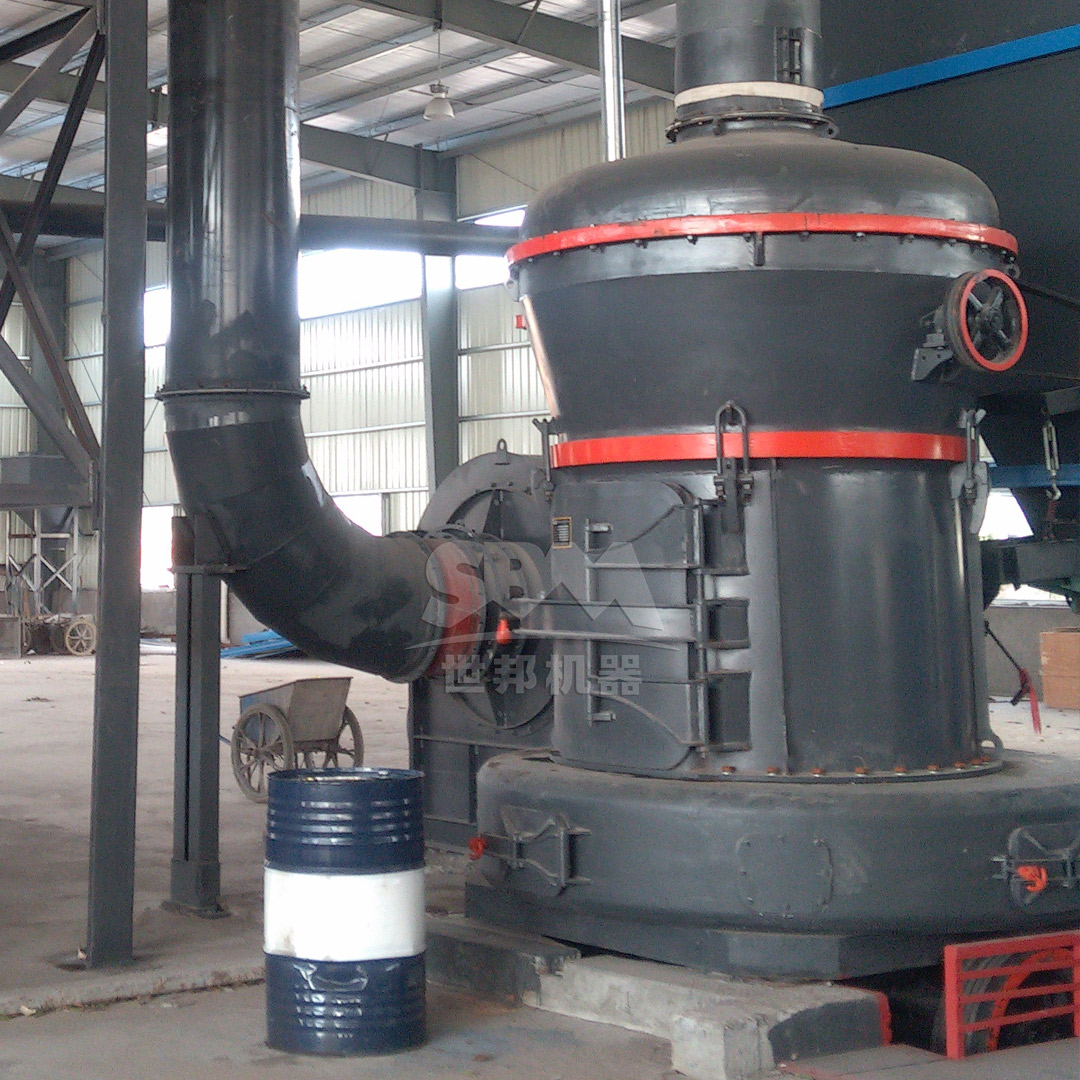
Quicklime is then slaked with water in a controlled exothermic reaction: CaO + H2O → Ca(OH)2 + heat. This can be performed using hydrators, which mix quicklime and water under precise temperature and moisture conditions. The goal is to achieve complete conversion to calcium hydroxide while controlling the particle growth and avoiding over-burning effects from the calcination stage.
3. Grinding & Classification for Product Specification
The hydrated lime from the slaker often requires further processing to meet market demands. Different applications require specific fineness levels. For example, construction mortars may use coarser grades, while chemical processes or flue gas desulfurization demand ultra-fine, highly reactive powders. This is where milling and classification become paramount.
Traditional ball mills have been used, but they are often energy-intensive and offer limited control over particle size distribution. Modern production lines leverage more efficient grinding technologies to achieve superior product quality with lower operational costs.
Optimizing the Grinding Stage: Technology Selection
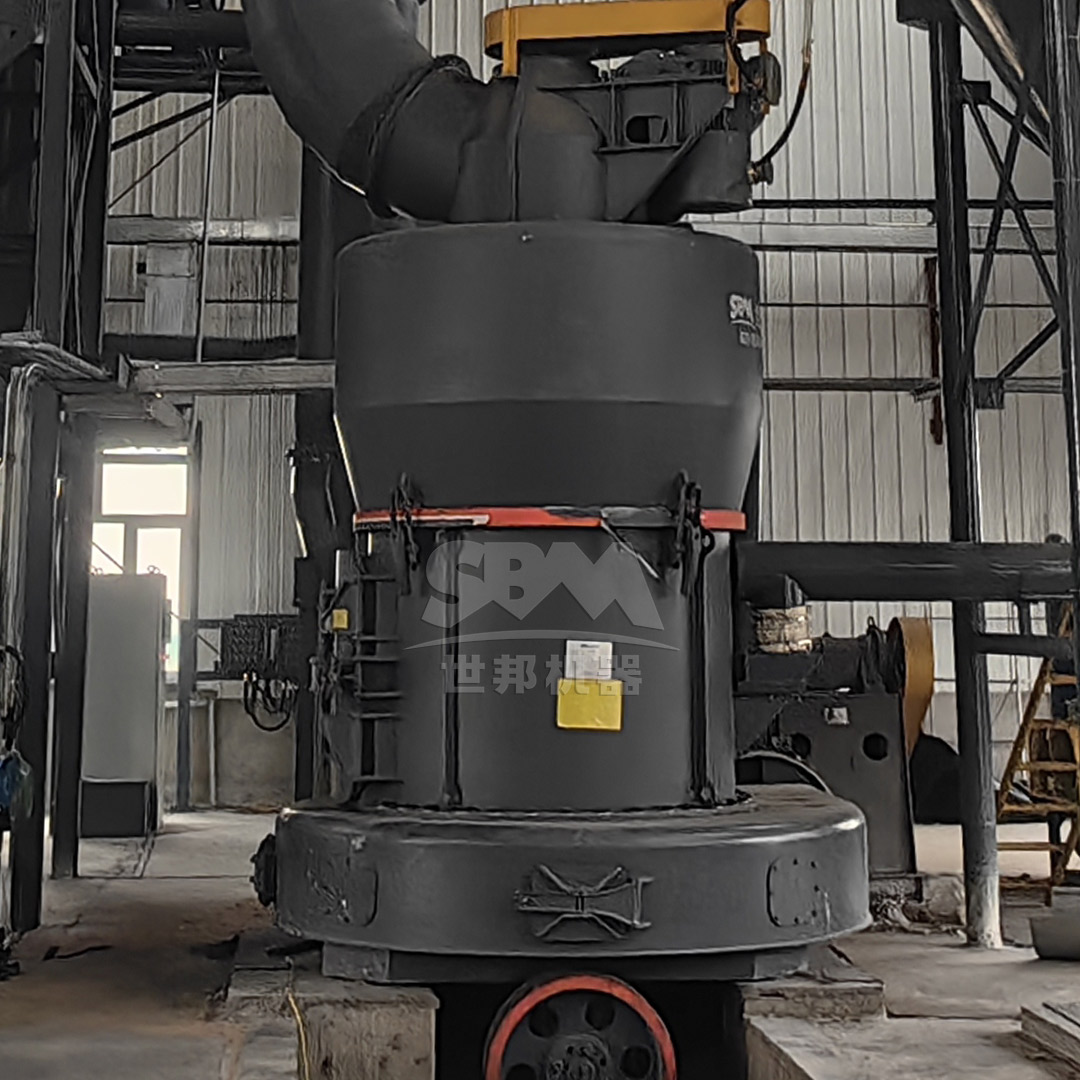
The choice of grinding equipment directly impacts the efficiency, energy consumption, and final product characteristics of a hydrated lime plant. Two advanced milling solutions stand out for their performance in this application.
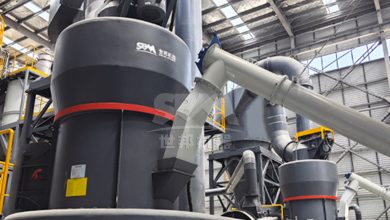
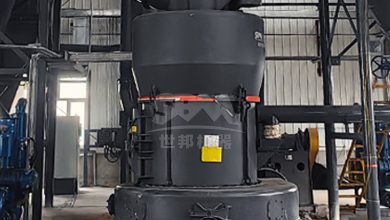
Solution for High-Capacity, Coarse to Medium Fineness: The MTW Series European Trapezium Mill
For production lines targeting capacities from 3 to 45 tons per hour and a fineness range of 30-325 mesh (600-45μm), the MTW Series European Trapezium Mill is an ideal workhorse. Its design incorporates several patented advantages crucial for lime processing:
- Anti-wear Design: Combined shovel blades and wear-resistant components significantly reduce maintenance costs associated with abrasive lime powder.
- High Transmission Efficiency: An integral bevel gear drive achieves up to 98% efficiency, translating to direct energy savings.
- Precise Classification: An optimized curved air duct and efficient classifier ensure a tight particle size distribution, minimizing oversize particles.
- Robust Construction: Models like the MTW215G, with a capacity of 15-45 t/h and a main power of 280kW, are engineered for large-scale, continuous operation, handling feed sizes up to 50mm.
This mill is perfectly suited for producing hydrated lime for construction, soil stabilization, and other applications where high volume and consistent medium fineness are key.
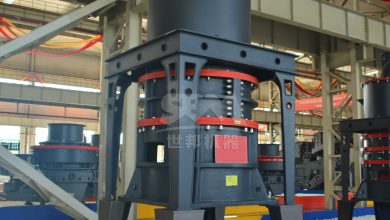
Solution for Premium Ultra-Fine Products: The SCM Series Ultrafine Mill
When the market demands ultra-fine hydrated lime (325-2500 mesh / 45-5μm) for specialized chemical applications, high-performance fillers, or advanced environmental processes, the SCM Series Ultrafine Mill represents the cutting edge. Its technological superiority addresses the challenges of fine grinding:
- Exceptional Fineness & Uniformity: Equipped with a high-precision vertical turbine classifier, it achieves precise particle size cuts without coarse powder mixing, ensuring a uniform end product.
- High Efficiency & Energy Saving: Its grinding mechanism offers capacity twice that of jet mills while reducing energy consumption by approximately 30%. Intelligent control systems allow for automatic feedback on product granularity.
- Durability & Stability: The use of special material rollers and rings extends service life, while a shaftless screw grinding chamber design guarantees stable, long-term operation with minimal vibration.
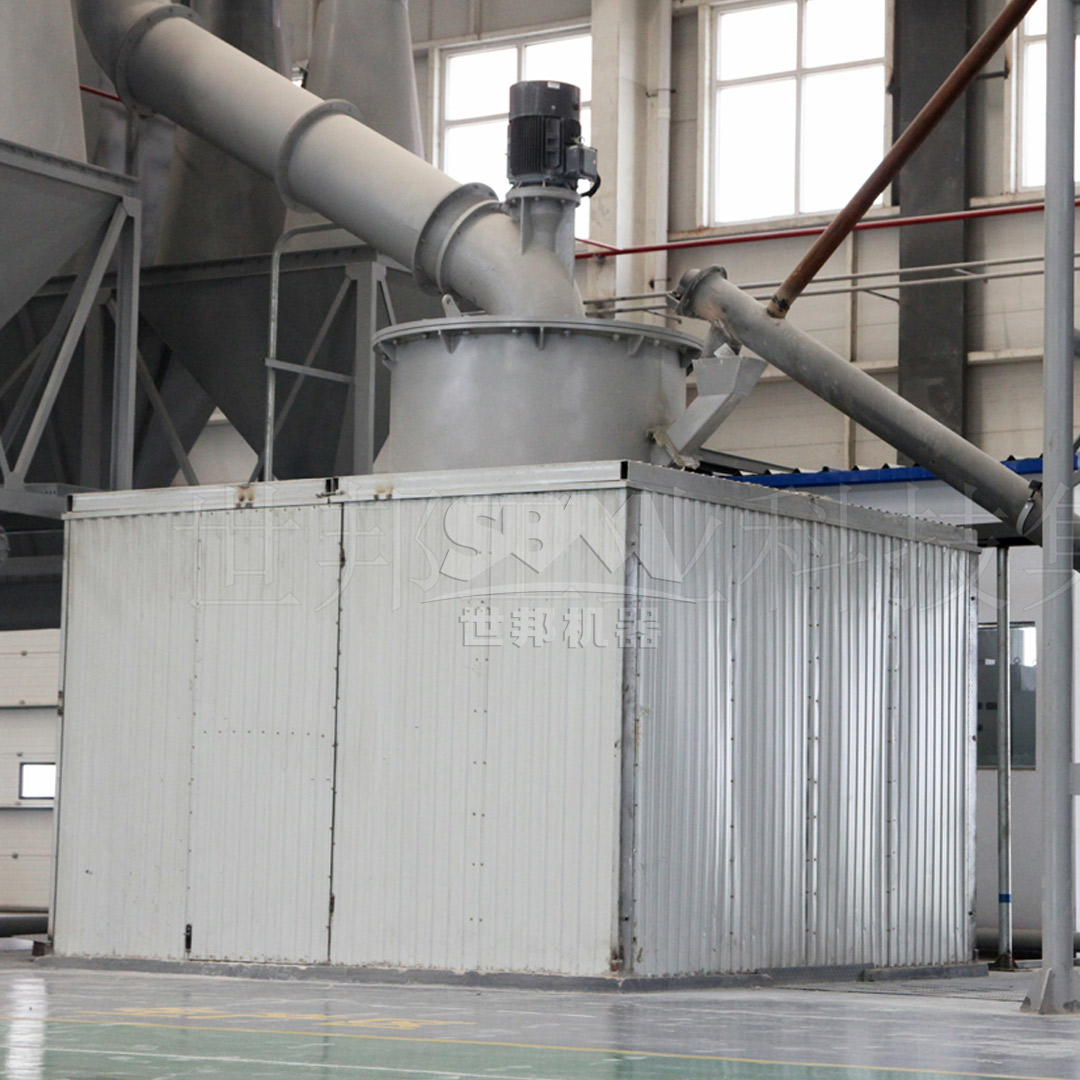
- Turnkey Eco-Friendly Operation: The system integrates a pulse dust collector with efficiency exceeding international standards and a soundproof room design, ensuring both clean and quiet operation.
For a hydrated lime producer aiming to supply the high-end market, integrating an SCM1680 model (capacity: 5.0-25 t/h, fineness: 325-2500 mesh) into the production line can create a definitive competitive advantage in product quality.
Integrated Production Line Advantages
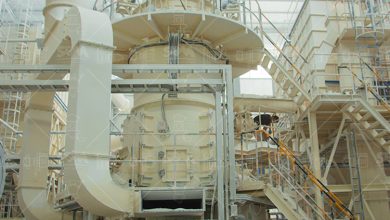
By incorporating advanced mills like the MTW or SCM series into a cohesive line that includes efficient pre-crushers, controlled hydration systems, and automated packaging, manufacturers achieve:
- Enhanced Product Value: Ability to produce multiple, specification-grade products from a single line.
- Reduced Operational Cost: Lower specific energy consumption and longer wear part life decrease cost per ton.
- Environmental Compliance: Closed-system grinding with advanced dust collection minimizes emissions and ensures a safe workplace.
- Production Flexibility: Quick adjustment of classifiers and grinding parameters allows for rapid switching between different product specifications to meet diverse customer orders.
Conclusion
The efficiency and profitability of a hydrated lime production line are inextricably linked to the technology deployed in its grinding and classification stage. Moving beyond conventional milling solutions to adopt advanced, purpose-engineered equipment is no longer an option but a necessity for modern manufacturers. The MTW Series European Trapezium Mill provides a robust, high-efficiency solution for standard-grade production, while the SCM Series Ultrafine Mill unlocks the premium ultra-fine market with its unparalleled fineness control and energy efficiency. Investing in such technology streamlines the entire manufacturing process, ensures consistent top-tier product quality, and secures a strong position in the competitive global market for hydrated lime.