Phosphate Rock Processing: From Mining to Beneficiation
Introduction
Phosphate rock is a crucial raw material for the global fertilizer industry and various chemical applications. The journey from its extraction in mines to the production of marketable phosphate concentrates involves a complex series of physical and chemical processes. Efficient beneficiation is paramount to remove impurities, increase the P2O5 content, and meet stringent industrial specifications. This article provides a comprehensive overview of phosphate rock processing, highlighting key stages and the critical role of advanced grinding and milling technology in achieving optimal yield and product quality.
1. Mining and Primary Crushing
Phosphate rock is typically extracted through surface (open-pit) or underground mining methods, depending on the depth and geology of the deposit. The run-of-mine (ROM) ore is often a mixture of phosphate matrix, clay, sand, and other gangue minerals. The first step in processing is primary crushing, where large rocks are reduced to a manageable size, usually below 200-250mm, using jaw crushers or gyratory crushers. This prepares the material for subsequent beneficiation stages.
2. Beneficiation: Washing, Screening, and Desliming
Given that phosphate ores are often associated with clay and fine silica, washing and desliming are fundamental steps. Rotary scrubbers and log washers are employed to break down clay agglomerates. The material is then screened to separate coarse waste (pebbles) and classified via hydrocyclones or classifiers to remove fine slimes (typically <150 mesh or 100μm). Removing these fines is critical as they consume reagents in later flotation stages and can negatively impact filtration.
3. Size Reduction and Liberation
After initial washing, the phosphate-bearing particles must be further reduced in size to liberate them from the gangue minerals. Secondary and tertiary crushing circuits using cone crushers or impact crushers are common. For finer liberation required for flotation feed, grinding mills are indispensable. The target grind size is specific to the ore type but often falls within the range of 30 mesh to 100 mesh (600μm to 150μm). Efficient and controlled grinding is vital for maximizing phosphate recovery and minimizing over-grinding, which generates problematic slimes.
3.1 The Critical Role of Grinding Equipment
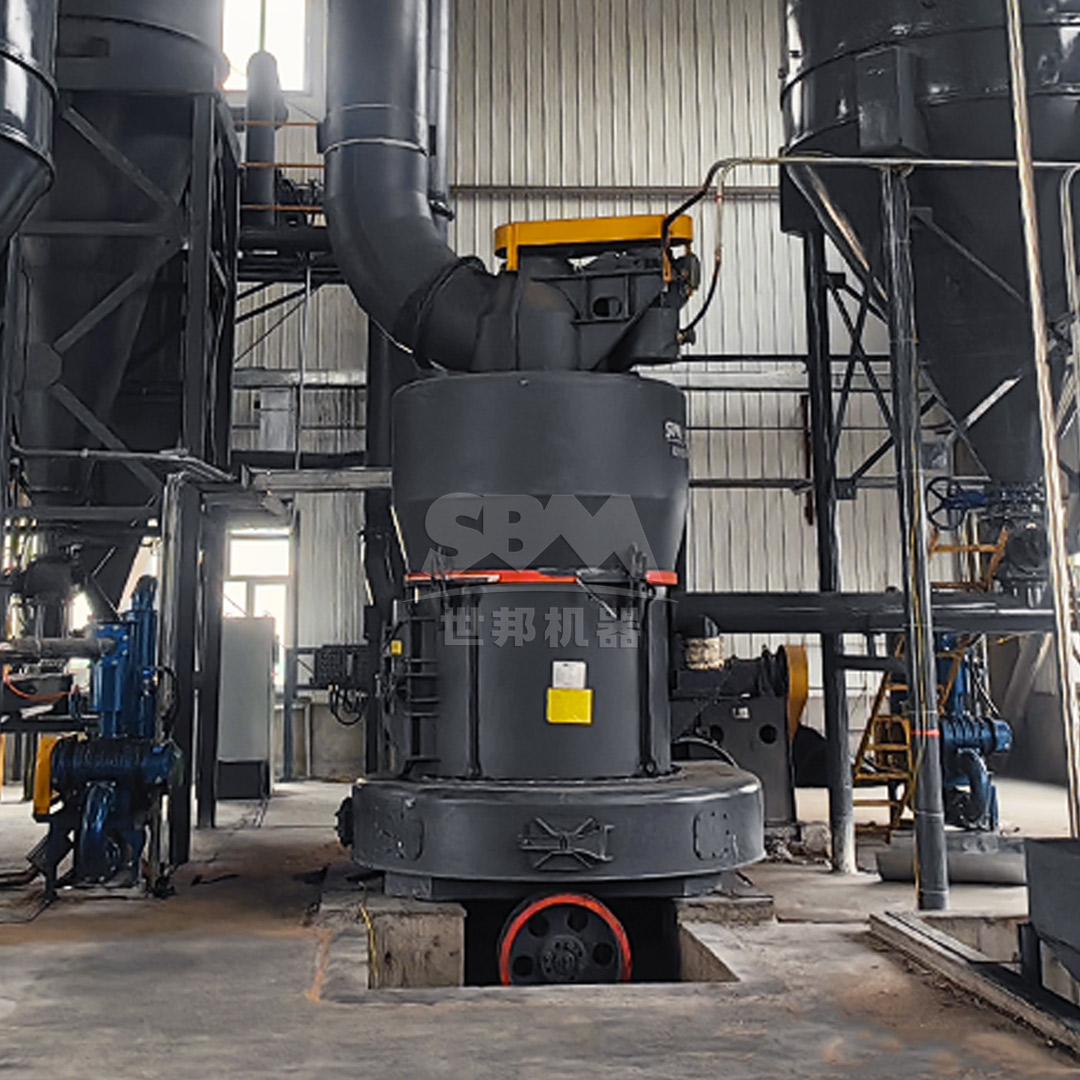
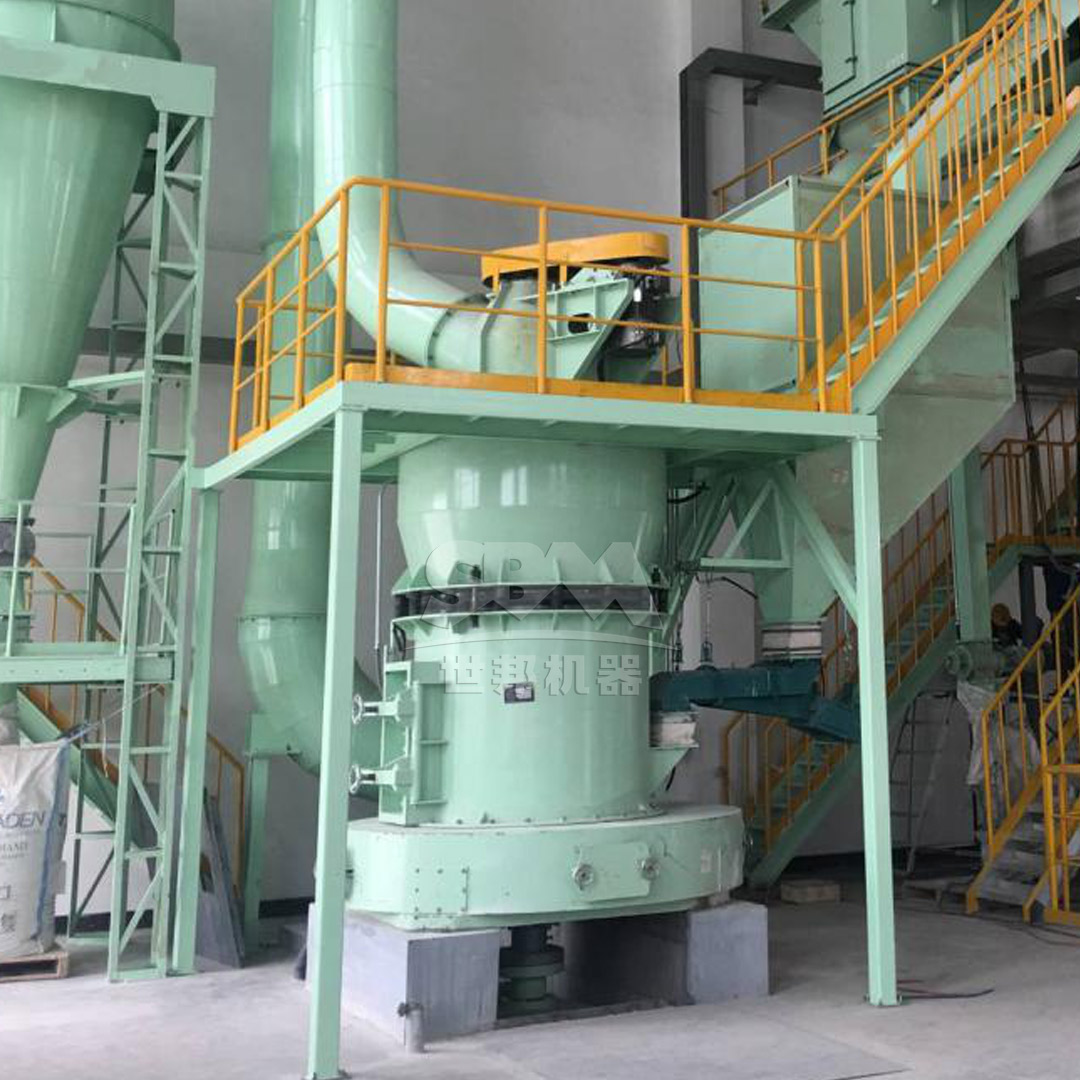
Selecting the right grinding technology directly impacts operational costs (energy and wear parts) and beneficiation efficiency. For the intermediate grinding stages common in phosphate processing, where feed sizes are ≤50mm and the target product is between 30-325 mesh, robust and efficient mills are required.
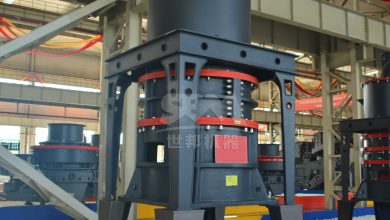
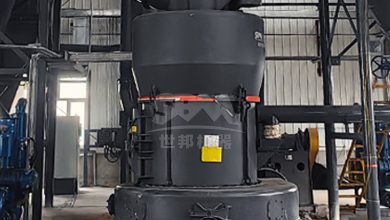
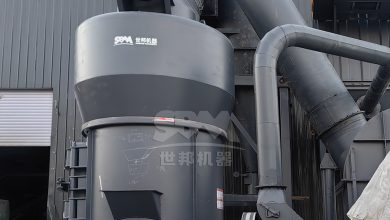
For such applications, our MTW Series European Trapezium Mill presents an outstanding solution. Engineered with an anti-wear shovel design and optimized arc air duct, it significantly reduces maintenance costs and energy loss. Its integral bevel gear drive achieves up to 98% transmission efficiency, making it a highly reliable and cost-effective choice for processing phosphate rock to the optimal size for separation. Models like the MTW175G, with a capacity of 9.5-25 t/h and handling feed sizes up to 40mm, are perfectly suited for medium-to-large scale phosphate beneficiation plants.
4. Concentration: Flotation and Calcination
4.1 Froth Flotation
This is the most widely used method for upgrading phosphate ore. It exploits the differences in surface properties between phosphate minerals (apatite) and gangue minerals (typically silica or carbonates). In direct flotation, phosphate minerals are rendered hydrophobic and collected in the froth. In reverse flotation, the gangue is floated away. The process requires precise control of reagent dosage, pH, and particle size of the milled feed.
4.2 Calcination
For some sedimentary deposits high in carbonate impurities, calcination (heating to 800-1000°C) is used. This process decomposes carbonates, making them easier to remove, and can also remove organic matter. The calcined ore is then quenched and subjected to further grinding and classification.
5. Dewatering, Drying, and Final Product Handling
The phosphate concentrate from flotation or calcination is a slurry containing 25-35% solids. It is first thickened and then dewatered using vacuum filters or centrifuges to produce a filter cake with 15-20% moisture. For many end-uses, further drying in rotary dryers is necessary to reduce moisture to below 3%. The final dry concentrate is stored and shipped for the production of phosphoric acid or direct application fertilizers.
6. Advanced Processing: Ultra-fine Grinding for Specialized Applications
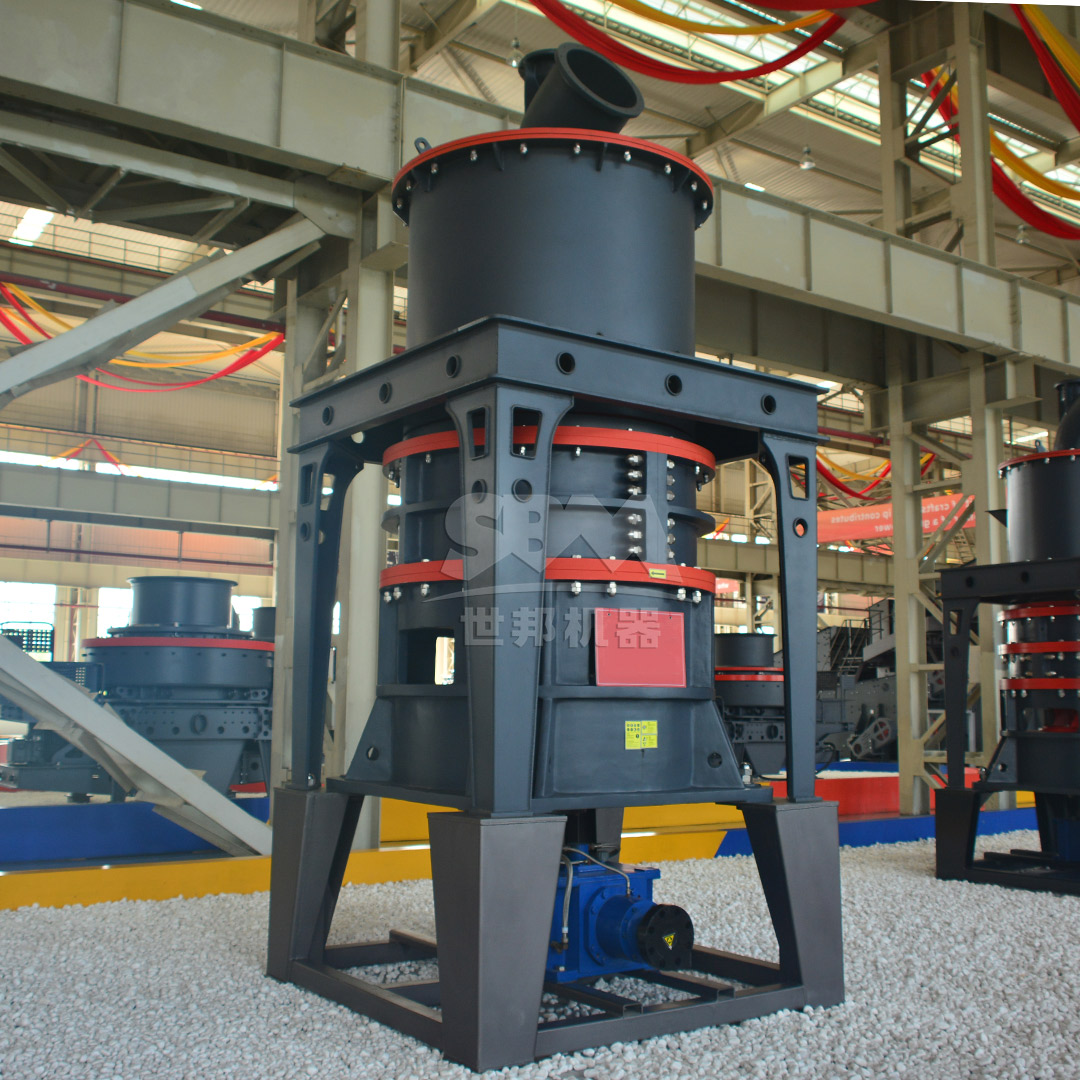
Beyond standard fertilizer-grade concentrate, there is a growing market for high-purity, ultra-fine phosphate products used in animal feed supplements, specialty chemicals, and ceramics. Achieving fineness levels from 325 mesh up to 2500 mesh (45-5μm) requires advanced milling technology that offers high precision, energy efficiency, and consistent product quality.
For these demanding ultra-fine grinding applications, we highly recommend our SCM Series Ultrafine Mill. This mill is designed for high efficiency and energy savings, offering capacity twice that of jet mills while consuming 30% less energy. Its high-precision vertical turbine classifier ensures precise particle size cuts with no coarse powder mixing, guaranteeing a uniform final product. The durable design with special material rollers and rings extends service life significantly. For producing high-value ultra-fine phosphate powder, models like the SCM1250, with a capacity range of 2.5-14 t/h and the ability to produce fineness from 325 to 2500 mesh, represent the pinnacle of grinding technology.
Conclusion
The beneficiation of phosphate rock is a multi-stage, technology-intensive process where efficiency at each step determines overall economic viability. From primary crushing to final ultra-fine grinding, the selection of appropriate processing equipment is critical. Modern, energy-efficient, and reliable milling solutions, such as the MTW Series Mill for intermediate grinding and the SCM Series Ultrafine Mill for high-value fine products, are key to optimizing liberation, reducing operational costs, and meeting the diverse quality requirements of the global phosphate market. Investing in advanced beneficiation technology ensures sustainable and competitive phosphate production for the future.