Phosphate Iron Grinding Mill Manufacturer: Process of Producing Ferric Phosphate from Industrial By-products
Introduction: The Value of Industrial By-products in Ferric Phosphate Production
The global demand for ferric phosphate (FePO4) is steadily rising, driven by its critical applications in lithium iron phosphate (LFP) batteries for electric vehicles, as a micronutrient in animal feed, and in water treatment. Traditionally sourced from primary mineral ores, the production of ferric phosphate is increasingly turning towards sustainable and cost-effective alternatives, notably industrial by-products. These materials, such as spent pickling liquors from steel mills, iron-rich sludges from metal finishing, and specific mining tailings, offer a valuable secondary source of iron. The key to unlocking this potential lies in advanced grinding and processing technology that can transform these heterogeneous, often coarse, by-products into a high-purity, consistently fine ferric phosphate powder suitable for high-end applications. This article delves into the technical process and highlights the essential role of specialized grinding equipment from a leading manufacturer.
The Production Process: From By-product to High-Purity Ferric Phosphate
The conversion of iron-containing industrial by-products into ferric phosphate is a multi-stage chemical and physical process. The efficiency and final product quality are heavily dependent on the preparatory grinding and milling stages.
1. Pre-treatment and Primary Crushing
Industrial by-products arrive in various forms: wet sludge, dried cakes, or lumpy solids. The initial step often involves drying to reduce moisture content, followed by primary crushing to reduce the material to a manageable size (typically below 50mm). Equipment like jaw crushers or hammer mills are employed here. A homogeneous feed size is crucial for consistent downstream processing.
2. Critical Stage: Precision Grinding to Increase Reactivity
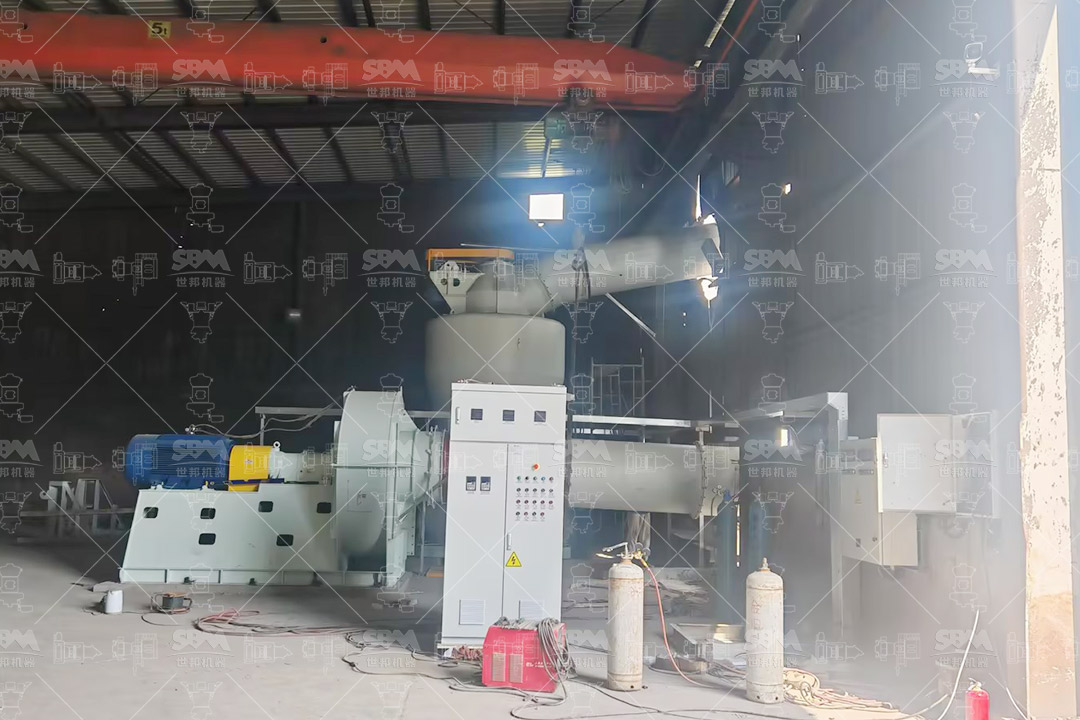
This is the most technologically intensive phase. The crushed material must be ground to a very fine and uniform particle size. The reasons are twofold: Surface Area and Chemical Reactivity. A larger surface area exponentially increases the contact points for the subsequent phosphation reaction, leading to higher yields and faster reaction kinetics. Secondly, consistent fineness ensures uniform reaction progress, preventing unreacted cores within particles and impurities.
For ferric phosphate production targeting battery-grade or feed-grade purity, the required fineness often falls within the range of 325 mesh (45μm) to 2500 mesh (5μm). Achieving this consistently demands more than a standard grinder; it requires an ultrafine grinding mill with precise classification capabilities.
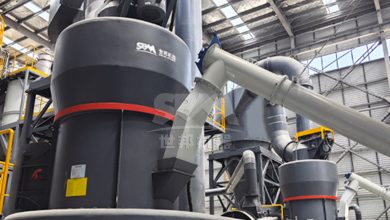
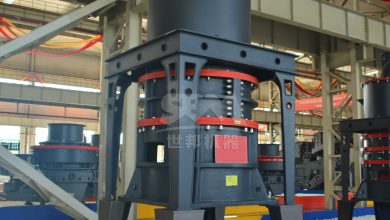
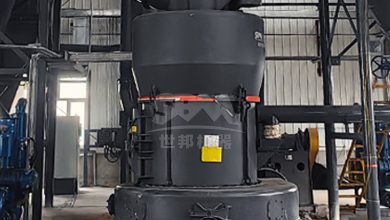
This is where our expertise as a grinding mill manufacturer becomes pivotal. For this specific application, we highly recommend our SCM Ultrafine Mill. Engineered for precisely this kind of demanding ultrafine processing, the SCM series is ideal for transforming iron oxide intermediates into the reactive powder needed for high-quality ferric phosphate synthesis.
3. Phosphation Reaction and Purification
The finely ground iron oxide powder is then reacted with a phosphate source (e.g., phosphoric acid) under controlled temperature and pH conditions. The ultrafine particle size ensures a complete and homogeneous reaction, forming ferric phosphate. The slurry is then filtered, washed to remove soluble impurities (like chloride or sulfate ions from the by-product source), and dried.
4. Final Milling and Classification
The dried ferric phosphate cake may undergo a final milling step to break up any mild agglomeration that occurred during drying and to achieve the exact target particle size distribution (PSD) for the end-use. For example, LFP cathode precursor material has strict PSD requirements for optimal battery performance. A mill with integrated high-precision classification is essential here to ensure no oversize particles contaminate the final product.
Core Equipment Spotlight: The SCM Ultrafine Mill for Superior Product Quality
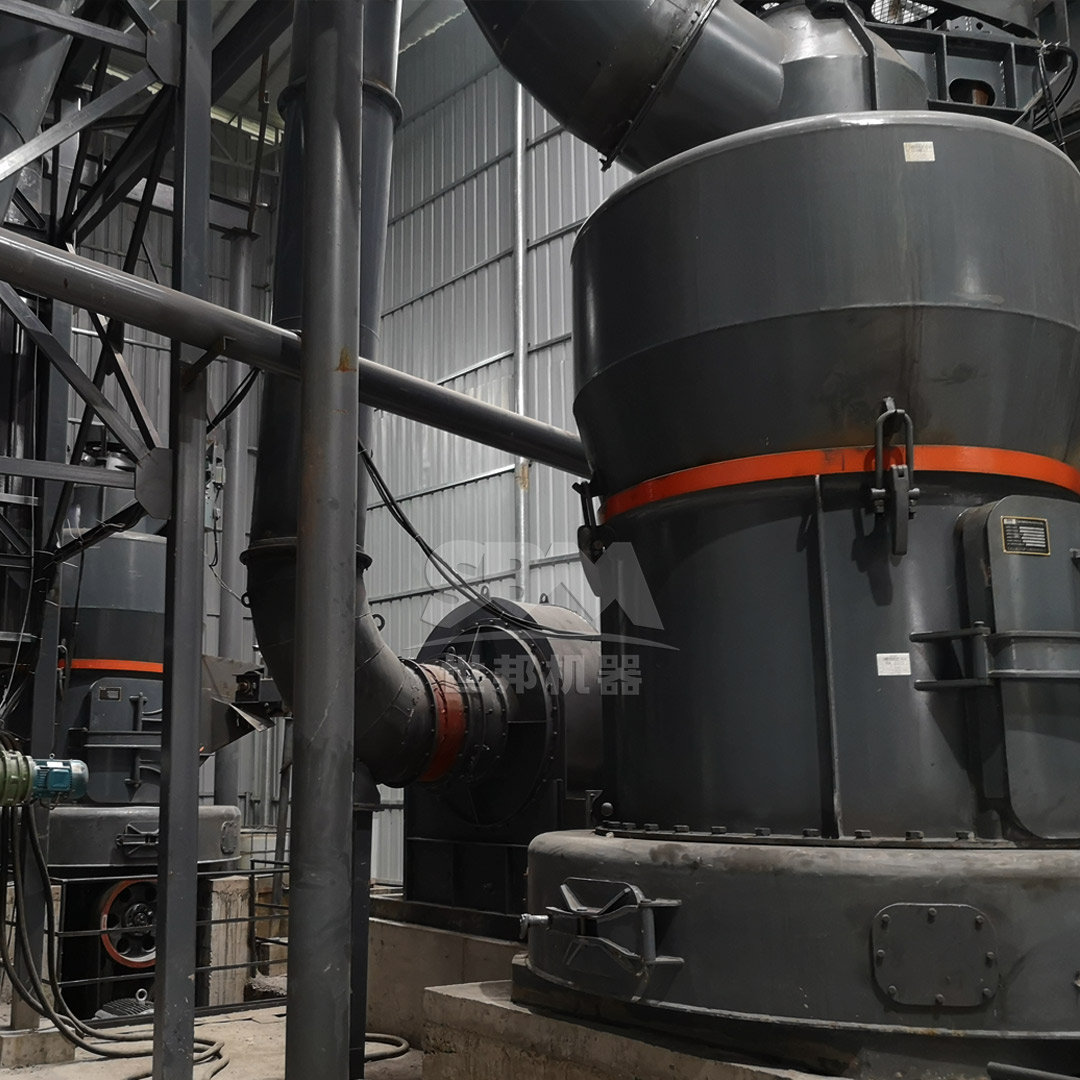
The choice of grinding mill is not merely about reducing size; it’s about creating a powder with the optimal characteristics for chemical conversion and final application. Our SCM Ultrafine Mill is specifically designed to meet these challenges in ferric phosphate production from by-products.
- High Precision & Uniform Output: Its vertical turbine classifier provides precise cut-point control, ensuring a consistently fine product between 325-2500 mesh (45-5μm) with a narrow particle size distribution. This uniformity is critical for the subsequent chemical reaction’s consistency and the final product’s performance in batteries or bioavailability in feed.
- Enhanced Reactivity: By achieving a D97 fineness of ≤5μm, the SCM mill dramatically increases the specific surface area of the iron source, significantly boosting its reactivity with phosphoric acid. This leads to higher conversion rates, shorter reaction times, and potentially lower acid consumption.
- Energy Efficiency: Compared to traditional jet mills, the SCM series offers twice the capacity with 30% lower energy consumption. This is a major operational cost advantage in a continuous production process.
- Durability & Low Contamination: The grinding rollers and ring are made from special wear-resistant materials, extending service life and minimizing metallic contamination—a vital concern for battery-grade materials. The fully sealed system with efficient pulse dust collection ensures an environmentally clean operation with dust emissions meeting international standards.
For larger scale operations or where the feed material is slightly coarser from the primary crusher, our MTW Series Trapezium Mill serves as an excellent primary grinder or a solution for standard-grade ferric phosphate. With an input size of up to 50mm and an output range of 30-325 mesh, the MTW mill features a robust design with curved air duct technology for higher transmission efficiency and a geared drive system with 98% transmission efficiency, providing reliable and cost-effective grinding for intermediate processing steps.
Challenges and Solutions in By-product Processing
Processing industrial by-products presents unique challenges that the grinding system must address:
- Abrasive Materials: Some iron scales or slags are highly abrasive. The SCM mill’s wear-resistant roller and ring assembly is designed for such materials, offering a much longer lifespan than conventional components.
- Moisture Sensitivity: While pre-dried, some materials may retain residual moisture. The grinding chamber’s design and the positive airflow system in our mills help prevent clogging and ensure smooth material flow.
- Product Purity: The closed-loop design and efficient dust collection prevent cross-contamination and product loss, while the choice of lining materials minimizes the risk of iron contamination from the mill itself.
Conclusion: Partnering for a Sustainable and Efficient Future
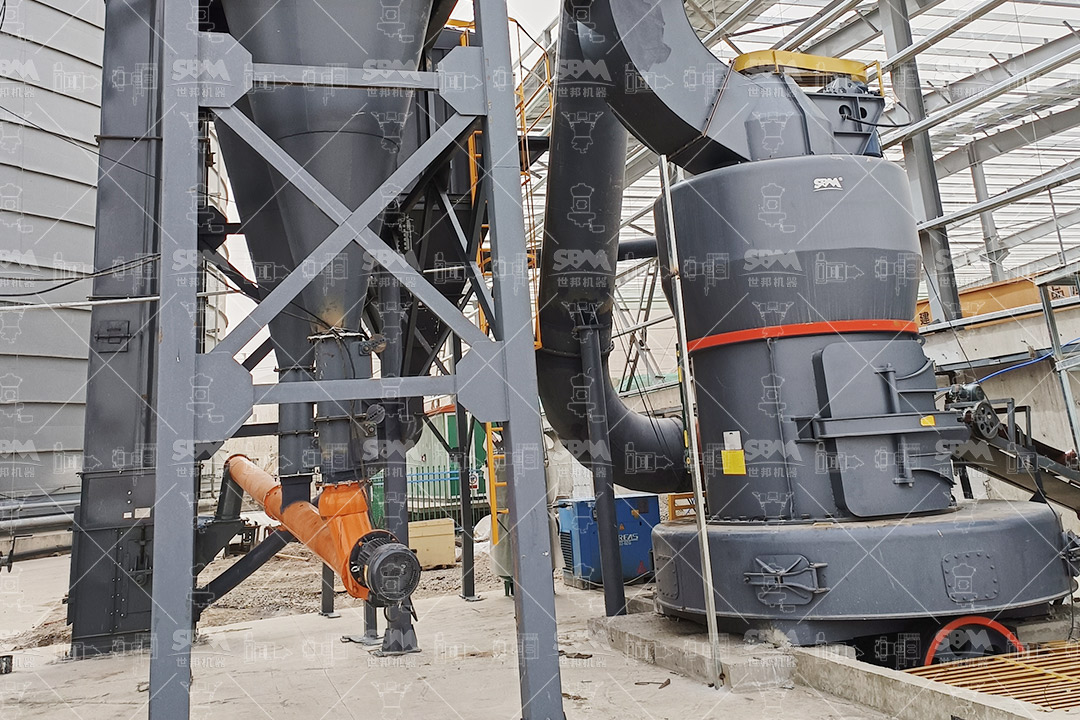
The production of ferric phosphate from industrial by-products represents a win-win scenario: it adds value to waste streams and provides a sustainable source of a critical material. The technological linchpin in this value chain is advanced grinding equipment capable of delivering ultra-fine, consistent, and reactive powders. As a specialist manufacturer, we provide not just machinery, but integrated process solutions. Our SCM Ultrafine Mill and MTW Series Trapezium Mill are engineered to tackle the specific demands of this application, from enhancing chemical yield to ensuring final product quality. By selecting the right grinding technology, producers can optimize their process efficiency, reduce costs, and produce high-quality ferric phosphate that meets the stringent standards of modern industries, thereby contributing to a more circular and resource-efficient economy.