Petroleum Coke vs Calcined Coke: Key Differences and Applications Explained by Grinding Mill Manufacturer
Introduction
In the realm of industrial carbon materials, petroleum coke and calcined coke are two pivotal substances with distinct properties and applications. Both are derived from the oil refining process but undergo different treatments, leading to significant variations in their physical and chemical characteristics. Understanding these differences is crucial for industries ranging from aluminum production to steel manufacturing and advanced materials. This article delves into the fundamental distinctions between petroleum coke (petcoke) and calcined coke, explores their respective applications, and examines the critical role of specialized grinding equipment in processing these materials to meet stringent industry specifications.
What is Petroleum Coke?
Petroleum Coke, commonly known as petcoke, is a carbonaceous solid derived from the final cracking process in oil refining. It is a by-product of the coker unit that thermally cracks heavy residual oils. Raw petcoke typically contains high levels of volatile matter (8-15%), sulfur, and metals, and has a lower degree of crystallinity. Its appearance is often dull black with a porous, sponge-like structure. The primary forms of petcoke are “sponge coke” and “shot coke,” depending on the feedstock and coking conditions. Due to its high calorific value, a significant portion of petcoke is used as a fuel in power plants and cement kilns, though this application is increasingly scrutinized due to environmental concerns.
What is Calcined Coke?
Calcined Coke is the product obtained by heating raw petroleum coke to extremely high temperatures (1200°C to 1350°C) in a rotary kiln or rotary hearth furnace, a process known as calcination. This thermal treatment drives off the volatile matter, moisture, and some sulfur, resulting in a material with a significantly higher carbon content (often >99%), increased density, and enhanced electrical conductivity. The calcination process also promotes the growth of graphite-like crystals, improving the coke’s structural order and mechanical strength. Calcined coke is a premium material, essential for demanding applications where purity and consistent properties are non-negotiable.
Key Differences: A Comparative Analysis
1. Chemical Composition and Properties
- Volatile Matter: Petcoke contains 8-15% volatile matter, while calcined coke contains less than 0.5%.
- Carbon Content: Calcined coke has a carbon content typically above 99%, compared to 80-90% for raw petcoke.
- Sulfur and Impurities: Calcination reduces sulfur content and removes many impurities, making calcined coke cleaner.
- Crystalline Structure: Calcined coke has a more ordered, graphitic crystalline structure, leading to better electrical and thermal conductivity.
2. Physical Characteristics
- Density and Porosity: Calcined coke has a higher real density (2.05-2.12 g/cm³) and lower porosity than petcoke.
- Hardness and Abrasiveness: The calcination process increases hardness, making calcined coke more abrasive to process.
- Hydrophobicity: Calcined coke is less hygroscopic than raw petcoke.
3. Production Process
The journey from petcoke to calcined coke involves controlled high-temperature treatment, which not only alters its chemistry but also its physical behavior during subsequent processing, such as grinding.
Primary Applications
Petroleum Coke Applications
- Fuel: Used as a cost-effective fuel in power generation and cement production due to its high heat value.
- Anode and Electrode Production (Precursor): Serves as the raw material for producing calcined coke.
- Other Uses: As a carbon raiser in steelmaking (injection into electric arc furnaces) and in the production of titanium dioxide.
Calcined Coke Applications
- Aluminum Industry (The Major Consumer): The primary use is in manufacturing carbon anodes for the Hall-Héroult process. The quality of ground calcined coke directly impacts anode performance and smelting efficiency.
- Graphite Electrodes: Essential for electric arc furnace (EAF) steel production. Needle coke, a premium form of calcined coke, is particularly valued here.
- Specialty Carbons: Used in brushes, batteries, and other advanced carbon products requiring high purity and conductivity.
The Critical Role of Grinding in Coke Processing
For both petcoke and calcined coke to be utilized effectively, especially in anode and electrode manufacturing, they must be ground to a precise and consistent fineness. The grinding process affects particle size distribution (PSD), particle shape, and bulk density—all critical parameters for the density and strength of the final baked carbon product. Calcined coke, being harder and more abrasive, presents a greater challenge. The ideal grinding mill must offer high efficiency, precise classification, and exceptional wear resistance to handle this demanding material while controlling operational costs.
Recommended Grinding Solutions
Selecting the right grinding equipment is paramount for achieving optimal product quality and production economics. Based on the distinct properties of petroleum and calcined coke, we recommend the following solutions from our portfolio:
For High-Capacity, Coarse to Medium-Fine Grinding of Petroleum Coke
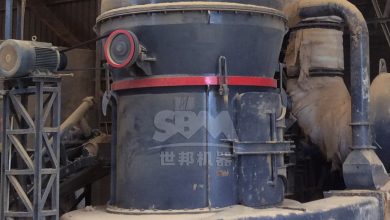
The MTW Series European Trapezium Mill is an excellent choice for processing raw petroleum coke, especially for fuel applications or pre-grinding before calcination. Its robust design handles feed sizes up to 50mm and delivers capacities from 3 to 45 tons per hour. The mill’s anti-wear shovel design and wear-resistant volute structure are particularly advantageous for managing the initial size reduction of petcoke, reducing maintenance frequency and cost. The integrated bevel gear drive ensures high transmission efficiency (up to 98%) and stable operation, making it a reliable workhorse for large-scale processing.
For Precision Fine and Ultrafine Grinding of Calcined Coke
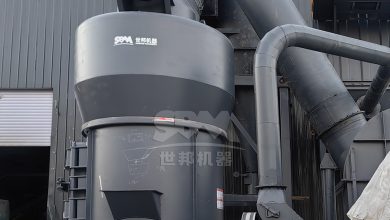
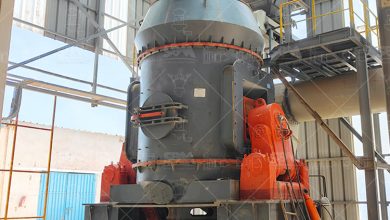
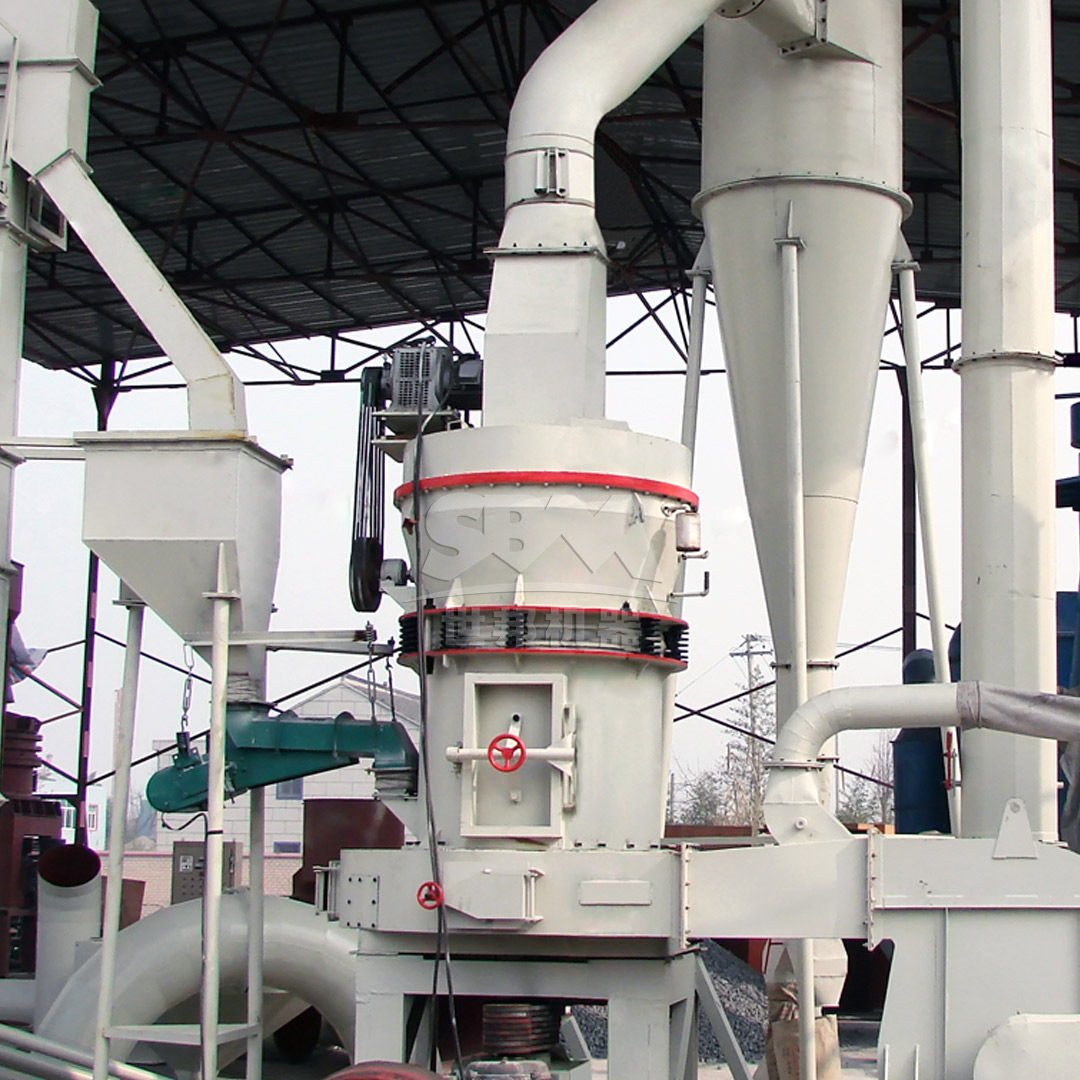
For the final grinding stage of calcined coke to the fine powders required for anode paste (typically needing a high proportion of particles below 75μm/200 mesh), the SCM Series Ultrafine Mill is the industry-preferred technology. This mill excels in producing powders in the range of 325-2500 mesh (45-5μm) with unparalleled consistency. Its high-precision vertical turbine classifier ensures sharp particle size cuts, eliminating coarse particles that can degrade anode quality. Furthermore, the special material rollers and rings are engineered to withstand the extreme abrasiveness of calcined coke, extending service life significantly compared to conventional mills. The intelligent control system with automatic granularity feedback guarantees a stable product fineness, which is a critical quality parameter for aluminum smelters.
Conclusion
Petroleum coke and calcined coke, while sharing a common origin, serve vastly different roles in the global industry. The transformation from a volatile, fuel-grade material to a pure, crystalline, conductive essential for modern metallurgy hinges on the calcination process. Subsequently, the efficiency and precision of the grinding operation determine the value and performance of the final coke product. Investing in advanced, durable grinding technology like the MTW Series for primary size reduction and the SCM Series Ultrafine Mill for final precision grinding is not merely an operational decision but a strategic one, impacting product quality, energy consumption, and overall competitiveness in markets ranging from aluminum to specialty steels.