
Petroleum Coke Activated Carbon Manufacturing Process: A Step-by-Step Guide
Introduction
The production of high-quality activated carbon from petroleum coke (petcoke) is a sophisticated industrial process that transforms a low-value refinery byproduct into a highly valuable adsorbent material. With applications spanning water purification, air filtration, gas separation, and gold recovery, the demand for precisely engineered activated carbon is growing. This guide provides a comprehensive, step-by-step overview of the modern petcoke activated carbon manufacturing process, highlighting critical stages, technological considerations, and the essential role of advanced grinding equipment in achieving optimal product characteristics.
1. Raw Material Selection and Pre-Treatment
The process begins with the selection of suitable raw petroleum coke. Needle coke or sponge coke with high carbon content (typically >95%), low volatile matter, and low ash content is preferred. The raw petcoke is first subjected to a crushing stage to reduce large lumps to a manageable size, typically below 50mm, for further processing.
2. Primary and Secondary Crushing
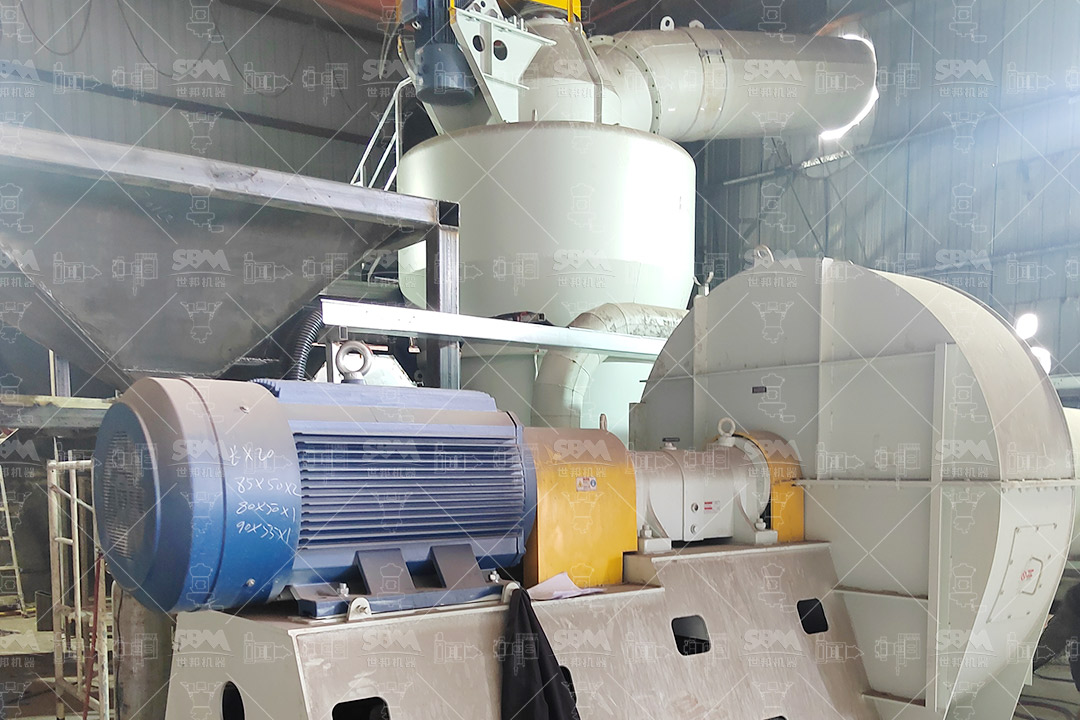
The pre-crushed petcoke undergoes primary and secondary crushing to achieve a more uniform particle size distribution. Jaw crushers or impact crushers are commonly used for primary reduction, followed by cone crushers or hammer mills for secondary crushing. The target at this stage is to produce a feed material with a top size of around 20-30mm, suitable for the subsequent fine grinding stage, which is critical for creating the necessary surface area for activation.
3. Fine Grinding: The Heart of Precursor Preparation
This is arguably the most critical mechanical step in the process. The crushed petcoke must be ground into a fine powder to maximize the surface area of the raw material particles before they are formed and activated. The fineness and particle size distribution of this powder directly influence the final activated carbon’s pore structure, adsorption capacity, and mechanical strength.
Traditional ball mills can be used, but they are often energy-intensive and offer limited control over particle size distribution. For modern, high-efficiency production, vertical roller mills (VRMs) and advanced pendulum mills have become the industry standard.
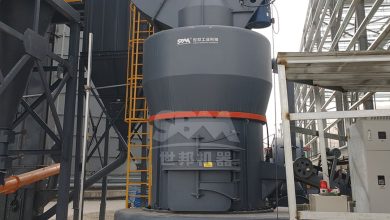
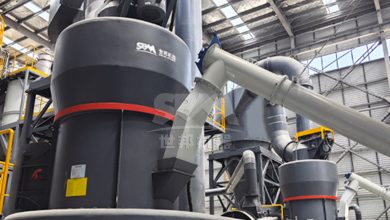
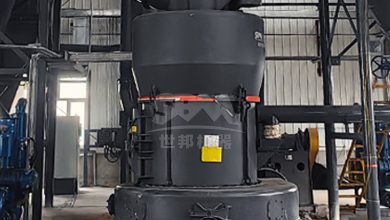
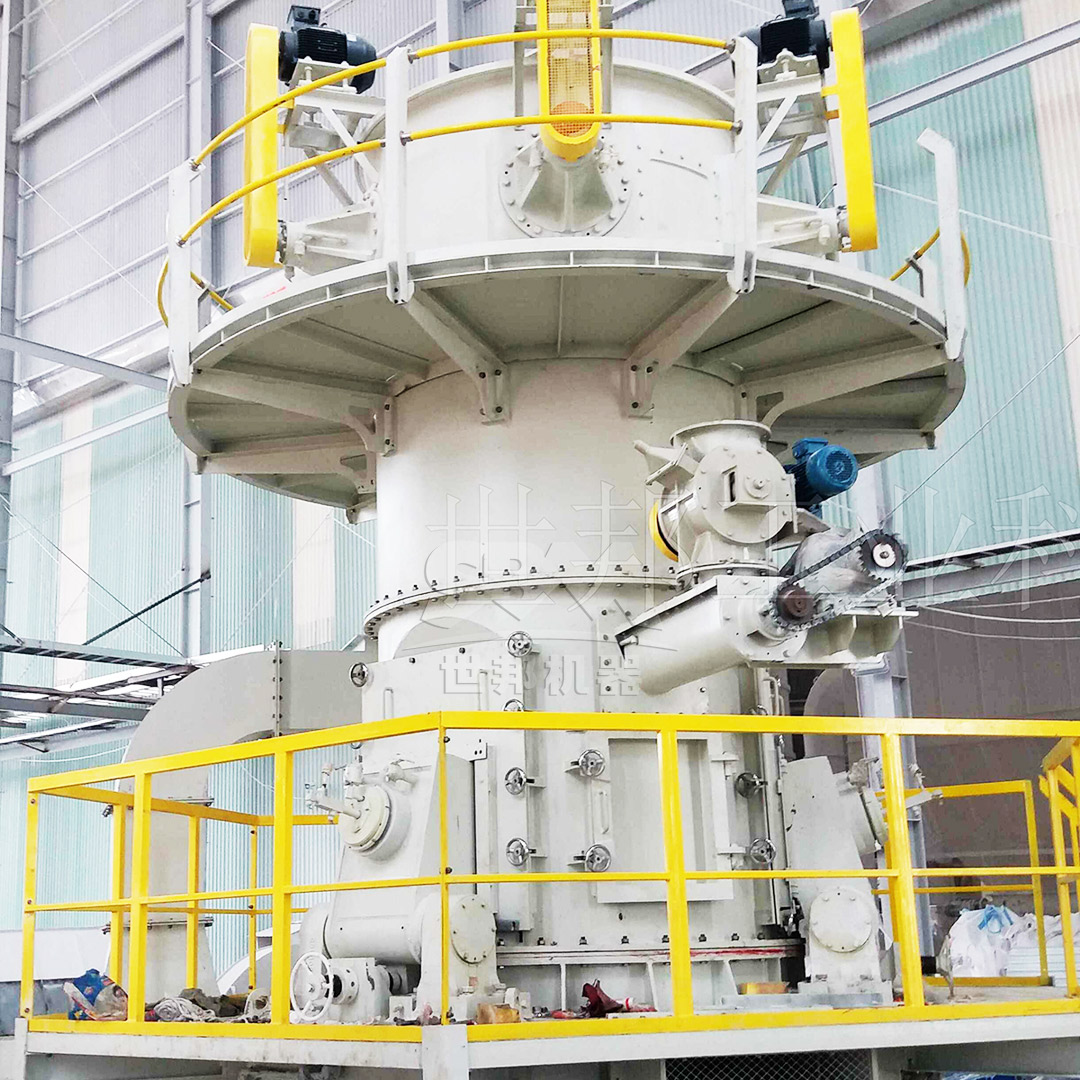
For this stage, we highly recommend our LM Series Vertical Roller Mill. Specifically, for large-scale petcoke grinding ahead of briquetting or extrusion, the LM190K or LM220K models are exceptionally well-suited. Their integrated grinding, drying, and classifying system offers significant advantages:
- High Efficiency & Low Energy Consumption: Utilizing a bed grinding principle, the LM series consumes 30-40% less energy compared to traditional ball mill systems, directly reducing operational costs.
- Precise Particle Size Control: The integrated dynamic classifier allows for precise adjustment of the product fineness, typically in the range of 30-325 mesh (45-600μm), which is ideal for creating a homogeneous precursor powder.
- Integrated Drying: Petcoke often contains residual moisture. The LM mill can simultaneously dry the material using hot gas, streamlining the process.
- Compact Design & Environmental Compliance: Its集约化设计 (intensive design) reduces footprint by 50%, and the fully sealed negative-pressure operation ensures dust emissions remain below 20mg/m³, meeting strict environmental standards.
The ground petcoke powder, now with a significantly increased specific surface area, is ready for the forming process.
4. Forming (Briquetting or Extrusion)
The fine petcoke powder is mixed with a binder (such as coal tar pitch, petroleum pitch, or organic binders) to form a plastic mass. This mixture is then shaped into its final form:
- Briquetting: Using high-pressure roller presses to form dense, pillow-shaped briquettes.
- Extrusion: Forcing the paste through a die to create cylindrical pellets or granules of specific diameters.
The choice of shape (granules, pellets, briquettes) depends on the intended application and required physical properties of the final activated carbon.
5. Carbonization (Pyrolysis)
The formed “green” products are subjected to carbonization in an oxygen-deficient atmosphere at temperatures between 500°C and 800°C. During this stage, the binder is pyrolyzed, and volatile components are driven off from the petcoke, leaving behind a fixed carbon skeleton. This process creates the initial rudimentary pore structure but the material is not yet highly porous; it is now called “char.”
6. Activation
Activation is the process that develops the extensive microporous structure responsible for the high adsorption capacity. There are two primary methods:
6.1 Physical (Thermal) Activation
The char is treated with an oxidizing gas—such as steam, carbon dioxide, or a mixture of both—at high temperatures (800°C to 1100°C). The gas selectively gasifies the carbon atoms, etching away and widening the pores created during carbonization. This process is carefully controlled to achieve the desired pore size distribution (micro, meso, and macropores), surface area (often 800-1500 m²/g or higher), and hardness.
6.2 Chemical Activation
Less common for petcoke, chemical activation involves impregnating the raw material or char with a chemical agent (like phosphoric acid, potassium hydroxide, or zinc chloride) before pyrolysis. The chemical acts as a dehydrating agent and catalyst during heating, leading to the development of porosity at lower temperatures. This method is often used for producing powdered activated carbon.
7. Post-Activation Processing
After activation, the product undergoes several finishing steps:
- Cooling: Activated carbon is cooled under an inert atmosphere to prevent spontaneous combustion.
- Washing and pH Adjustment: For chemically activated carbon or to remove residual ash, the product is washed with water or acid. The pH is adjusted to meet customer specifications.
- Drying: The washed carbon is dried to a low moisture content.
- Final Sizing and Screening: The activated carbon may be crushed and screened to precise particle size specifications (e.g., 4×8 mesh, 12×40 mesh). For applications requiring ultra-fine powdered activated carbon (PAC), a final ultra-fine grinding step is necessary.
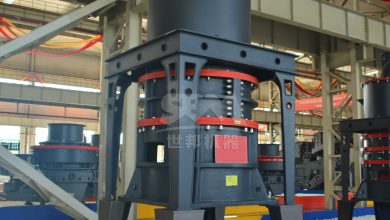
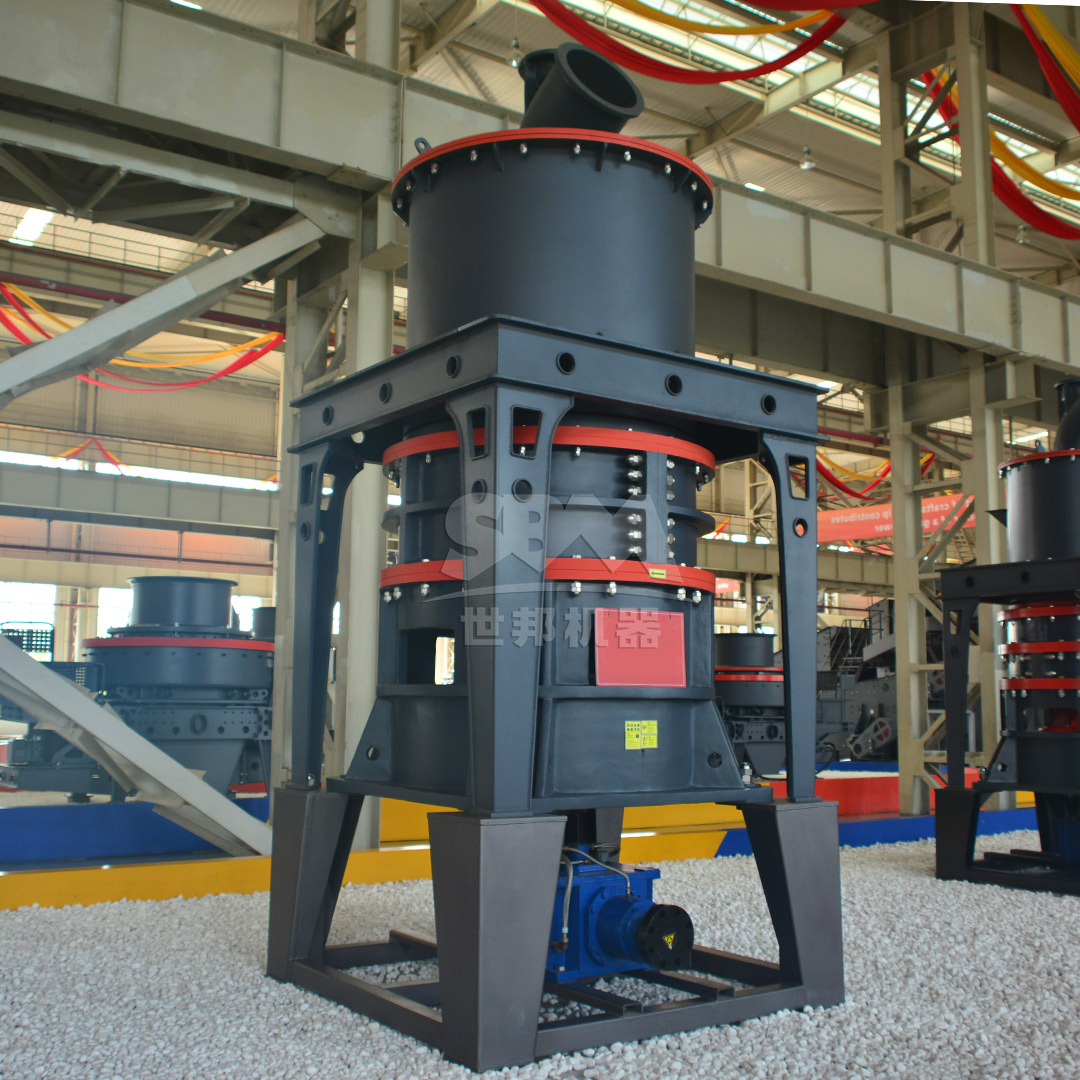
For this final ultra-fine grinding to produce high-value PAC, our SCM Series Ultrafine Mill is the optimal solution. Capable of achieving a fineness of 325-2500 mesh (D97 ≤ 5μm), the SCM mill is perfect for producing superfine activated carbon powders used in specialized liquid-phase applications or as catalyst supports.
- Ultra-Fine & Uniform Output: Its vertical turbine classifier ensures precise particle size切割 (cutting), producing a uniform product without coarse grain contamination.
- Energy Efficient: It offers twice the capacity of jet mills while reducing energy consumption by 30%, making it a cost-effective choice for high-value powder production.
- Durable and Clean: With special material rollers and磨环 (grinding rings), it boasts extended service life. The pulse dust collection system exceeds international standards, ensuring a clean production environment with noise levels below 75dB.
8. Quality Control and Packaging
The final product undergoes rigorous quality control testing, including measurements of iodine number, molasses number, surface area, pore volume, hardness, and particle size distribution. Once it passes all specifications, the activated carbon is packaged in bags, supersacks, or bulk containers for shipment.
Conclusion
The manufacturing of petroleum coke activated carbon is a multi-stage, technology-intensive process where each step must be meticulously controlled. From raw material preparation to final product sizing, the choice of processing equipment has a profound impact on efficiency, product quality, and environmental footprint. Investing in advanced grinding technology, such as the LM Series Vertical Roller Mill for precursor preparation and the SCM Series Ultrafine Mill for final powder production, provides manufacturers with the precision, energy savings, and reliability needed to produce superior activated carbon competitively in the global market. By understanding and optimizing this step-by-step process, producers can unlock the full potential of petroleum coke, transforming it into a premium, high-performance material for critical purification and separation applications.