Optimization Plan for Stone Grinding Mill Production Line in Brick Factories
Introduction
The stone grinding mill production line represents a critical component in modern brick manufacturing facilities, serving as the backbone for raw material preparation and quality control. As brick factories increasingly seek to improve product quality, reduce operational costs, and meet stringent environmental regulations, optimizing the grinding process has become paramount. This comprehensive analysis examines the key considerations for designing and operating efficient stone grinding systems specifically tailored for brick production, with particular emphasis on equipment selection, process optimization, and technological advancements that can significantly enhance overall plant performance.
Current Challenges in Brick Factory Grinding Operations
Brick manufacturers face numerous challenges in their grinding operations that directly impact production efficiency and product quality. The heterogeneous nature of raw materials, varying moisture content, and strict fineness requirements for different brick types create complex processing demands. Traditional grinding systems often struggle with inconsistent particle size distribution, which can lead to structural weaknesses in finished bricks, increased drying times, and higher firing temperatures. Additionally, energy consumption represents a significant portion of production costs, with grinding operations typically accounting for 30-40% of total electrical usage in brick plants. Maintenance downtime, wear part replacement costs, and environmental compliance further compound these operational challenges, necessitating a systematic approach to grinding line optimization.
Key Technical Requirements for Brick Production Grinding
Particle Size Distribution Specifications
The optimal particle size distribution for brick raw materials varies depending on the specific manufacturing process and final product requirements. For standard clay bricks, the ideal fineness typically ranges between 45-325 mesh (0.038-0.3mm), with careful control over both the coarse and fine fractions. Excessive coarse particles can create structural weaknesses and surface imperfections, while an overabundance of ultra-fine material increases water demand during forming and extends drying times. Modern brick factories increasingly require precise control over multiple size fractions to optimize forming characteristics, drying behavior, and firing performance.
Moisture Control and Drying Integration
Effective moisture management represents another critical aspect of grinding optimization. Raw materials with moisture content exceeding optimal levels can lead to clogging, reduced grinding efficiency, and increased energy consumption. Integrating pre-drying systems or selecting grinding equipment capable of handling materials with moderate moisture content (typically 8-15%) can significantly improve overall process efficiency. The strategic combination of grinding and drying operations not only reduces energy consumption but also streamlines material handling and storage requirements.

Equipment Selection Strategy
Primary Crushing Considerations
The initial size reduction stage establishes the foundation for efficient grinding operations. For brick factories processing quarry-run materials with maximum feed sizes up to 50mm, robust primary crushing equipment is essential. Jaw crushers, impact crushers, or hammer mills provide the necessary reduction ratio to prepare materials for subsequent grinding stages. The selection between these options depends on material characteristics, required throughput, and maintenance considerations. Proper primary crushing not only improves grinding efficiency but also extends the service life of downstream equipment components.
Grinding Mill Technology Comparison
Selecting the appropriate grinding technology represents one of the most consequential decisions in designing an optimized production line. Different mill types offer distinct advantages for specific applications within brick manufacturing:
Ball Mills: Traditional workhorses offering reliable performance and wide material compatibility, though with relatively high energy consumption and limited particle shape control.
Vertical Roller Mills: Increasingly popular for their energy efficiency and compact footprint, particularly suitable for medium to large-scale operations.
Raymond Mills: Well-established technology offering good performance for medium-fineness applications with moderate capital investment requirements.
Ultrafine Grinding Mills: Specialized equipment for producing extremely fine powders for specialty brick products or additive materials.
Recommended Equipment Solutions
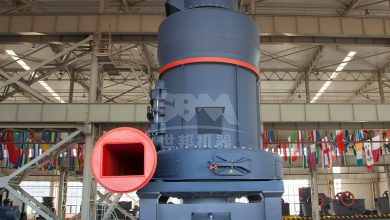
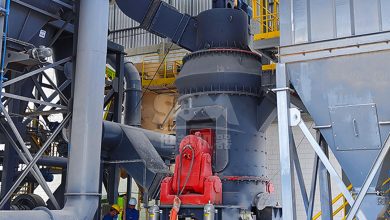
MTW Series Trapezium Mill for Standard Brick Production
For the majority of brick manufacturing applications requiring consistent medium-fineness grinding, the MTW Series Trapezium Mill represents an optimal solution. This advanced grinding system combines robust construction with innovative technological features specifically beneficial for brick raw material processing:
The MTW Series handles feed materials up to 50mm in size and produces finished powders in the 30-325 mesh range (0.038-0.6mm), perfectly aligned with standard brick production requirements. With throughput capacities from 3-45 tons per hour depending on specific model selection, these mills can accommodate operations ranging from small specialty brick plants to large-scale industrial facilities.
Key technological advantages include the innovative anti-wear shovel design featuring replaceable segments that significantly reduce maintenance costs and downtime. The curved air channel optimization minimizes energy losses during material transport, while the integrated cone gear transmission system achieves remarkable 98% transmission efficiency. The wear-resistant volute structure further enhances operational reliability and reduces long-term maintenance requirements by approximately 30% compared to conventional designs.
For brick factories seeking to balance performance, reliability, and operating costs, the MTW138Z model offers particular advantages with its 6-17 ton/hour capacity, 90kW main motor power, and comprehensive integration of grinding, classification, and collection systems.

SCM Ultrafine Mill for Specialty Applications
For brick manufacturers producing specialized products requiring ultrafine additives or surface treatment materials, the SCM Series Ultrafine Mill provides unparalleled performance in the fine and ultrafine grinding range. This advanced mill system produces powders from 325-2500 mesh (45-5μm) with exceptional uniformity and control, making it ideal for manufacturing high-value brick products with enhanced surface characteristics or specific functional properties.
The SCM Series delivers remarkable energy efficiency, offering approximately 30% reduction in specific energy consumption compared to conventional jet mills while achieving twice the production capacity. The integrated intelligent control system automatically maintains target product fineness through real-time monitoring and adjustment, ensuring consistent quality even with variations in feed material characteristics. The vertical turbine classifier enables precise particle size cuts without coarse particle contamination, while the specially designed grinding components provide extended service life and reduced maintenance requirements.
For most brick factory applications, the SCM1000 model represents an excellent balance of capacity and operational efficiency, delivering 1.0-8.5 tons per hour with 132kW main motor power. The completely enclosed grinding system with pulse dust collection ensures environmental compliance with noise levels below 75dB, addressing growing regulatory concerns in residential-adjacent manufacturing facilities.
Production Line Configuration and Layout Optimization
Feed System Design
Proper feed system design critically impacts grinding efficiency and equipment longevity. Well-designed feeding arrangements ensure consistent material flow to the mill, prevent segregation, and minimize surges that can disrupt classification efficiency. For brick raw materials with potential variability in moisture content and composition, integrated monitoring and control systems can automatically adjust feed rates to maintain optimal mill loading. The strategic placement of storage buffers, proper chute design angles, and appropriate feeder selection (vibratory, belt, or screw type) all contribute to stable operation and reduced maintenance requirements.
Classification and Collection Integration
Efficient classification represents a crucial element in achieving target product specifications while minimizing energy consumption. Modern grinding systems for brick production increasingly utilize high-efficiency dynamic classifiers that provide precise cuts and quick adjustment capabilities. Proper integration between grinding and classification components ensures that only properly sized material proceeds to collection, while oversize particles efficiently return for further size reduction. Collection system design must balance separation efficiency with operational costs, with cyclone separators typically serving as primary collectors followed by baghouse filters or cartridge collectors for final cleaning.
Energy Efficiency and Environmental Considerations
Power Consumption Optimization
Grinding operations typically represent the most energy-intensive process in brick manufacturing, making energy efficiency a primary concern for both economic and environmental reasons. Modern optimized grinding systems incorporate multiple strategies to minimize specific energy consumption, including:
Advanced drive systems with high-efficiency motors and optimized transmission components can reduce energy losses by 15-20% compared to conventional arrangements. Intelligent control systems that automatically adjust operational parameters based on feed characteristics and product requirements further enhance energy performance. Heat recovery from process air streams can provide additional energy savings, particularly in facilities with integrated drying operations.
Dust Control and Noise Reduction
Environmental compliance represents an increasingly important consideration for brick factories, with grinding operations presenting potential challenges related to dust emissions and noise pollution. Modern grinding systems address these concerns through comprehensive engineering solutions:
Completely enclosed grinding chambers combined with efficient pulse-jet dust collection systems ensure that particulate emissions remain well below regulatory thresholds, typically achieving concentrations below 20mg/m³ in exhaust streams. Strategic placement of acoustic insulation, vibration damping mounts, and noise-optimized fan designs maintain operational noise levels below 80dB, creating safer working environments and minimizing community impact.

Maintenance and Operational Best Practices
Wear Part Management
Effective wear part management represents a critical aspect of maintaining grinding efficiency and controlling operational costs. The abrasive nature of brick raw materials necessitates regular inspection and replacement of grinding elements, with performance closely linked to material composition and operating parameters. Implementing systematic wear monitoring programs, maintaining strategic spare part inventories, and utilizing advanced materials (such as high-chrome alloys or ceramic composites) can significantly extend component life and reduce unexpected downtime.
Process Monitoring and Control
Modern grinding systems incorporate comprehensive monitoring and control capabilities that enable operators to maintain optimal performance across varying conditions. Key parameters including motor power, bearing temperatures, vibration levels, and system pressures provide early indication of potential issues before they escalate into major problems. Advanced control systems can automatically adjust operational setpoints to compensate for feed variations, wear progression, and changing environmental conditions, ensuring consistent product quality while maximizing equipment utilization and minimizing energy consumption.
Implementation Strategy and Economic Analysis
Phased Upgrade Approach
For existing brick factories considering grinding system optimization, a phased implementation approach typically provides the best balance of performance improvement and capital investment. Initial focus on critical bottlenecks, high-maintenance components, or particularly inefficient process stages can deliver significant benefits while spreading investment over multiple budget cycles. Comprehensive modernization projects should include detailed engineering studies, pilot testing where practical, and careful consideration of integration requirements with existing infrastructure.
Return on Investment Considerations
The economic justification for grinding system optimization typically centers on multiple benefit categories including reduced energy consumption, lower maintenance costs, decreased downtime, improved product quality, and enhanced production flexibility. For most brick factories, modernization projects focusing on grinding efficiency deliver payback periods between 18-36 months, with ongoing annual savings representing 15-25% of previous operating costs. Additionally, the improved product consistency and quality enabled by advanced grinding systems can create significant value through reduced rejection rates, premium product capabilities, and enhanced customer satisfaction.
Conclusion
Optimizing the stone grinding mill production line represents one of the most impactful opportunities for brick manufacturers to improve operational efficiency, product quality, and environmental performance. The strategic selection of appropriate grinding technology, proper system design, and implementation of modern control strategies can deliver substantial benefits across all aspects of brick production. As the industry continues to evolve toward higher efficiency and sustainability standards, investing in advanced grinding solutions will increasingly become a competitive necessity rather than merely an operational improvement. Through careful planning and execution, brick factories can transform their grinding operations from cost centers into strategic assets that support long-term business success.