Open Circuit vs Closed Circuit Raymond Mill: What’s the Difference and How to Choose?
Introduction to Raymond Mill Circuit Configurations
Raymond mill systems, also known as pendulum roller mills, have been fundamental to industrial grinding operations for decades. These versatile machines can be configured in two primary circuit arrangements: open circuit and closed circuit. Understanding the differences between these configurations is crucial for optimizing your grinding process, maximizing efficiency, and achieving the desired product specifications.
Both configurations share the same fundamental grinding mechanism where material is fed between rotating grinding rollers and a stationary grinding ring. However, the way material flows through the system and how finished product is separated from oversize material differs significantly between the two approaches.
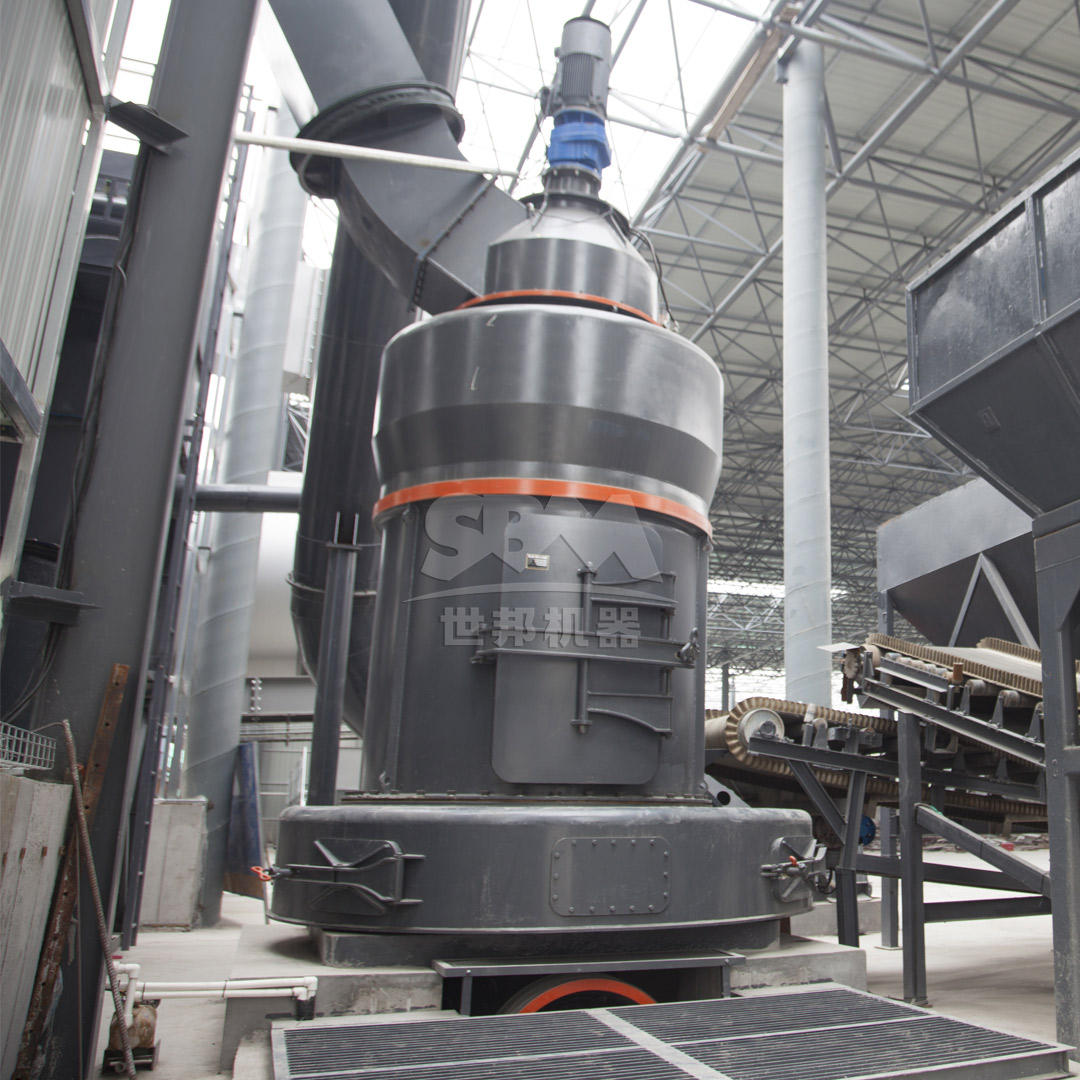
Open Circuit Raymond Mill: Operation and Characteristics
In an open circuit configuration, material passes through the grinding chamber only once without any classification or recycling of oversize particles. The raw feed enters the mill, undergoes grinding, and the entire output is discharged as finished product regardless of particle size distribution.
Key Features of Open Circuit Systems
- Single-pass operation: Material flows through the system without recirculation
- No air classifier: Lacks integrated particle size classification equipment
- Simpler layout: Reduced mechanical complexity and fewer components
- Lower initial investment: Fewer components translate to reduced capital costs
Advantages of Open Circuit Configuration
Open circuit systems offer several benefits in specific applications. The simplified design results in lower maintenance requirements and operating costs. Without the need for classifier maintenance and with fewer moving parts overall, downtime is minimized. These systems are particularly well-suited for applications where a broad particle size distribution is acceptable or even desirable.
Operation is generally simpler with open circuit mills, requiring less technical expertise from operators. The absence of complex classification controls means fewer variables to monitor and adjust during operation. Additionally, the physical footprint of open circuit systems is typically smaller due to the elimination of classification equipment.
Limitations and Considerations
The primary limitation of open circuit milling is the lack of control over product fineness. Without classification, the final product contains both fine and coarse particles, resulting in a wide particle size distribution. This can be problematic for applications requiring precise particle size specifications.
Energy efficiency is generally lower in open circuit systems as energy is expended grinding material that may already be at the target fineness. The absence of recycling means that some particles may receive insufficient grinding while others may be over-ground, leading to inefficient energy utilization.
Closed Circuit Raymond Mill: Operation and Characteristics
Closed circuit Raymond mills incorporate an air classifier that separates the ground material into finished product and oversize material. The oversize material is returned to the grinding chamber for further size reduction, creating a continuous recycling loop until particles reach the target fineness.
Key Features of Closed Circuit Systems
- Recycling loop: Oversize material continuously returns to the grinding chamber
- Integrated air classifier: Precisely controls product fineness
- Tighter particle distribution: Produces more uniform product specifications
- Higher efficiency: Energy focused on material requiring further grinding
Advantages of Closed Circuit Configuration
Closed circuit systems excel in applications requiring precise control over product specifications. The integrated classifier allows operators to adjust product fineness within a wide range, typically from 30 mesh to 325 mesh (600μm to 45μm) or finer in advanced systems. This precision makes closed circuit mills ideal for products where particle size directly impacts performance.
Energy utilization is significantly more efficient in closed circuit operation. By returning oversize particles for further grinding while allowing properly sized material to exit the system, energy is directed only where it’s needed. This targeted approach can reduce specific energy consumption by 15-30% compared to open circuit grinding for the same product fineness.
The continuous recycling of oversize material typically results in higher production rates for a given mill size. By ensuring that all material reaches the target fineness before exiting the system, closed circuit operation maximizes the grinding capacity of the equipment.

Comparative Analysis: Key Differences at a Glance
| Parameter | Open Circuit | Closed Circuit |
|---|---|---|
| Product Control | Limited, wide distribution | Precise, narrow distribution |
| Energy Efficiency | Lower | Higher (15-30% improvement) |
| Capital Cost | Lower | Higher (15-25% more) |
| Operating Complexity | Simpler | More complex |
| Maintenance Requirements | Lower | Higher (classifier maintenance) |
| Space Requirements | Smaller footprint | Larger footprint |
| Product Uniformity | Variable | Consistent |
How to Choose Between Open and Closed Circuit Configuration
Selecting the appropriate circuit configuration requires careful consideration of multiple factors specific to your operation. The decision should align with your production goals, product specifications, and operational constraints.
Product Requirements Analysis
The most critical factor in circuit selection is your product specification. If your application requires tight control over particle size distribution with minimal coarse particles, closed circuit operation is essential. Industries such as pharmaceuticals, specialty chemicals, and high-performance pigments typically require the precise classification offered by closed circuit systems.
Conversely, if your product can tolerate a broader particle size distribution or if you’re producing intermediate products for further processing, open circuit may be sufficient. Construction materials, some agricultural products, and certain industrial minerals often fall into this category.
Production Scale and Economics
Consider both capital and operating economics when selecting a circuit configuration. While closed circuit systems have higher initial costs, they often provide better long-term value through reduced energy consumption and higher product quality. Calculate the return on investment by comparing the additional capital cost against projected energy savings and potential premium for higher-quality product.
For small-scale operations or pilot plants, open circuit systems may be more economically viable due to their lower initial investment. As production scales increase, the efficiency advantages of closed circuit operation typically justify the additional capital expenditure.
Material Characteristics
The properties of the material being processed significantly influence circuit selection. Materials with a narrow size range in the feed or those that grind easily may perform adequately in open circuit. Materials with wide size distributions, high moisture content, or those requiring precise top-size control generally benefit from closed circuit operation.
Consider also the abrasiveness of your material. Highly abrasive materials may cause accelerated wear in the recycling system of closed circuit mills, potentially increasing maintenance costs. In such cases, the simplicity of open circuit operation might be advantageous.
Advanced Grinding Solutions: Beyond Traditional Raymond Mills
While traditional Raymond mills serve many applications effectively, modern grinding technology offers enhanced solutions for specific requirements. For operations demanding ultra-fine grinding capabilities, our SCM Ultrafine Mill represents a significant advancement.
SCM Ultrafine Mill for Precision Applications
Our SCM Ultrafine Mill series delivers exceptional performance for applications requiring fine to ultra-fine powders. With output fineness ranging from 325 to 2500 mesh (45-5μm), this advanced grinding system incorporates several technological innovations:
- High-efficiency grinding system: Delivers 2x the capacity of jet mills with 30% reduced energy consumption
- Precision classification: Vertical turbine classifier ensures accurate particle size cuts with no coarse powder contamination
- Durable construction: Special material rollers and grinding rings provide extended service life
- Environmental compliance: Pulse dust collection exceeds international standards with noise levels below 75dB
The SCM series is particularly well-suited for processing minerals, chemicals, and other materials where precise particle size control is critical to product performance. Available in multiple models from SCM800 to SCM1680, these mills offer capacities from 0.5 to 25 tons per hour to match your production requirements.
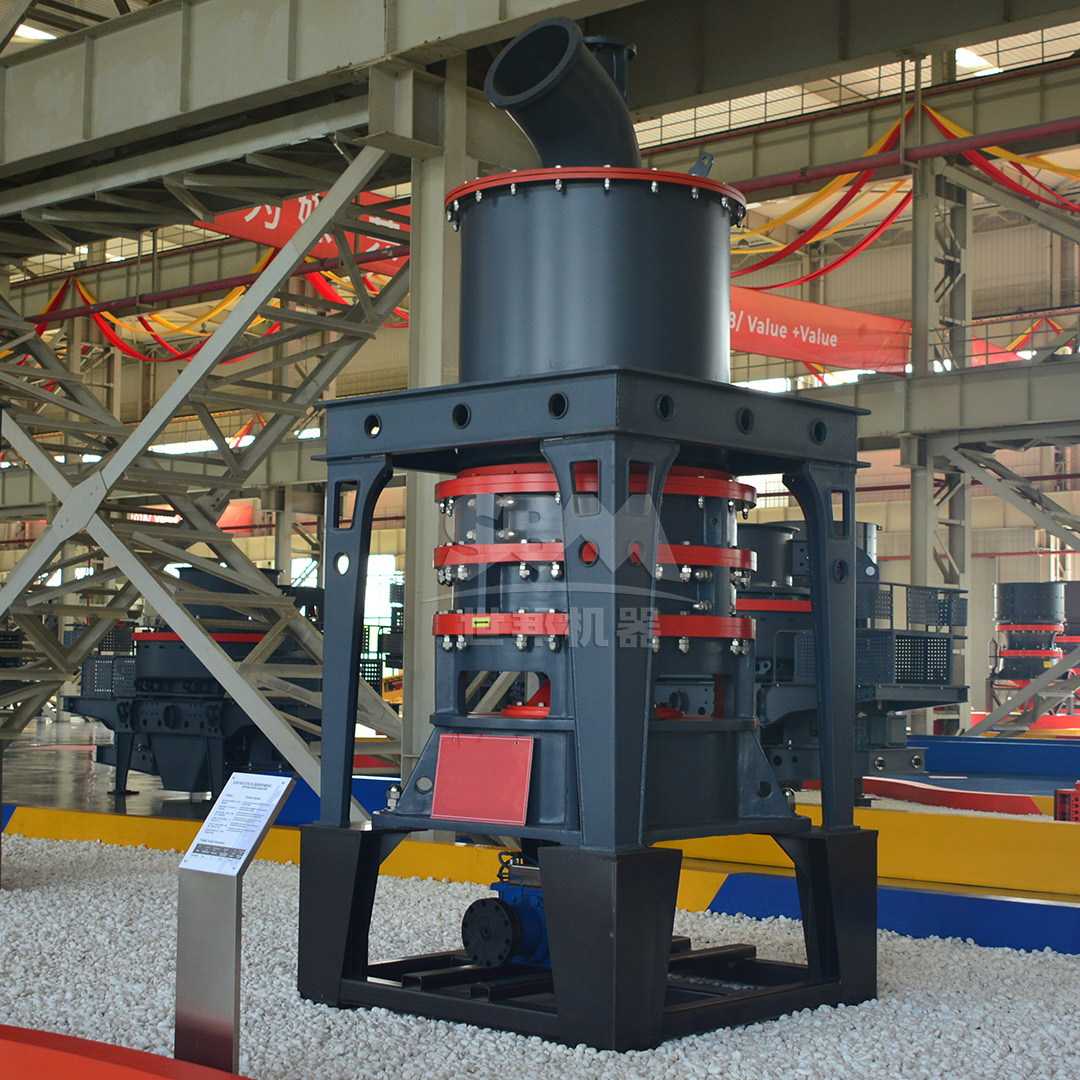
MTW Series Trapezium Mill for High-Capacity Applications
For operations requiring high capacity grinding in the 30-325 mesh range (600-45μm), our MTW Series Trapezium Mill offers robust performance and operational efficiency. This advanced mill series incorporates several proprietary technologies:
- Anti-wear shovel design: Combined shovel blades reduce maintenance costs with curved design extending roller life
- Optimized air channel: Curved air duct reduces energy loss with high-strength guard plate protection
- Integrated gear drive: Bevel gear overall transmission achieves 98% efficiency with space-saving design
- Durable volute structure: Non-blocking design improves air classification efficiency
With capacities ranging from 3 to 45 tons per hour across various models, the MTW series is ideal for large-scale processing of minerals, industrial powders, and similar materials. The innovative design reduces maintenance costs by approximately 30% compared to conventional mills while delivering consistent product quality.
Operational Considerations and Best Practices
Regardless of circuit configuration, proper operation and maintenance are essential for optimal mill performance. Implement these best practices to maximize efficiency and equipment longevity.
Feed Rate Optimization
Maintaining the proper feed rate is critical for both circuit types. In open circuit systems, insufficient feed can lead to metal-to-metal contact and accelerated wear, while overfeeding may cause mill choking. Closed circuit systems require careful balancing of fresh feed and recycled material to maintain stable operation.
Modern control systems can automatically adjust feed rates based on motor amperage, ensuring optimal loading under varying conditions. Consider implementing automated controls, particularly for closed circuit operations where multiple variables interact.
Maintenance Planning
Develop comprehensive maintenance schedules based on your specific operating conditions. Open circuit systems typically require less frequent maintenance but should still receive regular inspection of grinding elements and drives. Closed circuit systems need additional attention to classifiers, cyclones, and recycling equipment.
Maintain detailed records of wear part life to predict replacement intervals accurately. Using original manufacturer parts ensures proper fit and performance, reducing unexpected downtime.
Conclusion: Making the Right Choice for Your Operation
The decision between open and closed circuit Raymond mill configuration ultimately depends on your specific product requirements, operational constraints, and economic considerations. Open circuit systems offer simplicity and lower capital costs for applications where product specifications are less stringent. Closed circuit systems provide precise control and higher efficiency for quality-critical applications.
As grinding technology continues to evolve, advanced solutions like our SCM Ultrafine Mill and MTW Series Trapezium Mill offer enhanced capabilities beyond traditional Raymond mills. These systems incorporate modern design features that improve efficiency, reduce maintenance, and deliver superior product quality.
When planning your next grinding system, consider not only the immediate requirements but also potential future needs. In many cases, selecting a system that can be upgraded from open to closed circuit operation provides valuable flexibility as your business evolves. Consult with our technical experts to determine the optimal solution for your specific application and operational goals.