New Uses of Steel Slag and Top Steel Slag Grinding Mill Brands Review
Introduction: From Waste to Resource
The global steel industry generates vast quantities of steel slag as a by-product, historically considered a waste material requiring disposal. However, driven by sustainability goals and circular economy principles, steel slag is undergoing a remarkable transformation. Modern processing technologies, particularly advanced grinding mills, are unlocking its latent value, turning this industrial by-product into a valuable resource for construction, agriculture, and environmental remediation. This article explores the innovative applications of processed steel slag and provides a professional review of leading grinding mill technologies essential for its valorization.
Innovative Applications of Processed Steel Slag
The utility of steel slag is directly tied to its physical and chemical properties after processing, primarily grinding, which controls particle size, surface area, and reactivity.
1. High-Performance Construction Materials
Finely ground steel slag is a premier supplementary cementitious material (SCM). When milled to a high fineness (often exceeding 420 m²/kg Blaine), it exhibits excellent pozzolanic and latent hydraulic properties. It can replace a significant portion of Portland cement in concrete, enhancing long-term strength, durability (especially sulfate resistance), and reducing the carbon footprint of construction. Furthermore, graded slag aggregates serve as a stable, high-friction base material for road construction.
2. Soil Amendment and Agricultural Use
Certain types of steel slag, rich in calcium, magnesium, silicon, and micronutrients, can be processed into a valuable soil conditioner. Grinding to a specific granulation allows for controlled nutrient release, helping to neutralize acidic soils and improve crop yields. Its porous structure also aids in soil aeration and water retention.
3. Environmental Remediation
The alkaline nature and adsorption capacity of activated, ultra-fine steel slag powder make it effective for wastewater treatment, particularly in neutralizing acidic mine drainage and adsorbing heavy metals. It is also used in carbon capture processes due to its mineral carbonation potential.
4. Industrial Raw Material
Processed slag finds use as a raw feed in cement kilns, as a sintering agent in iron-making, and as a raw material for mineral wool insulation. The specific application dictates the required fineness, from coarse granules to ultra-fine powders.
Critical Role of Grinding Technology
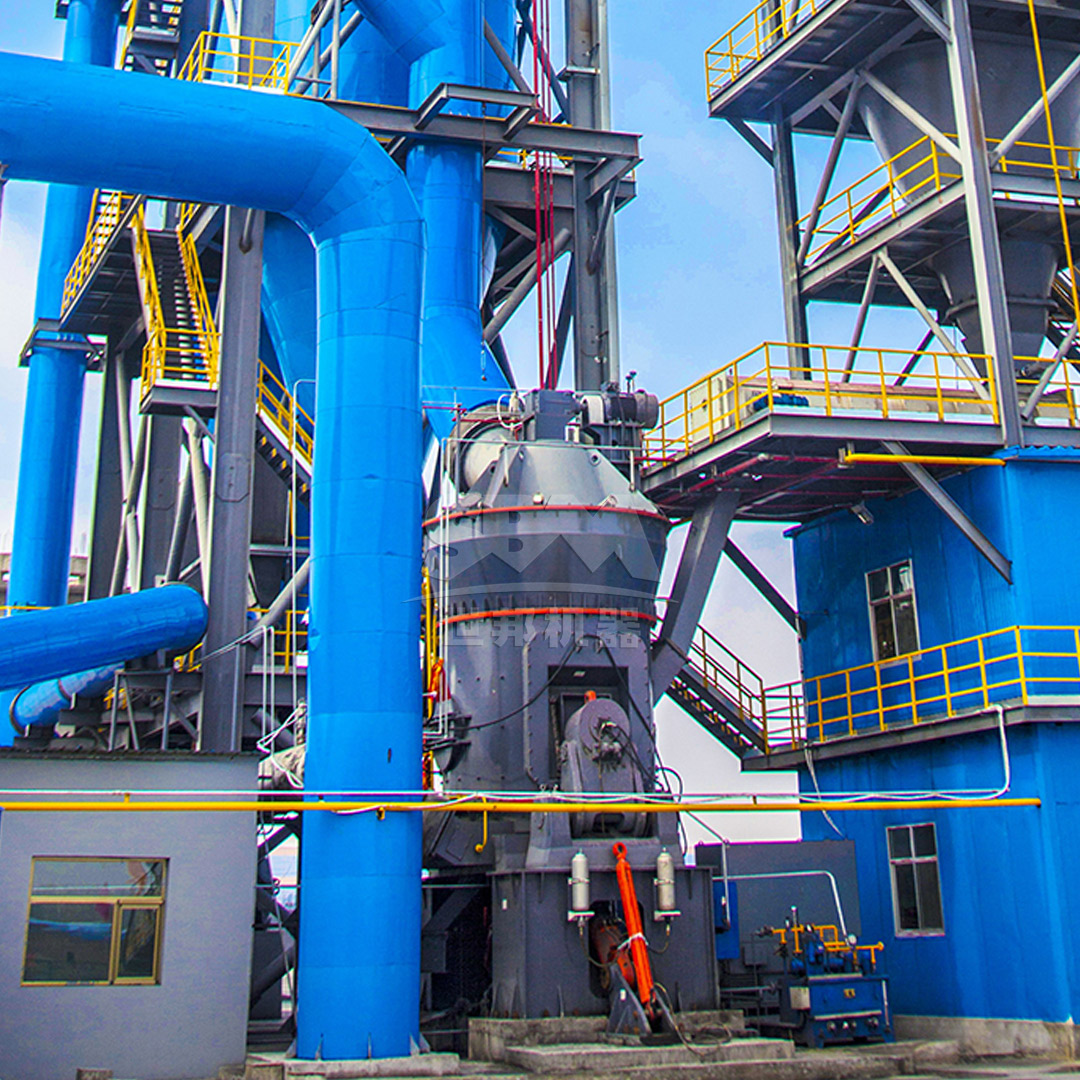
The transformation of lump slag into a functional material hinges on efficient, precise, and economical grinding. The mill must handle abrasive materials, achieve a wide range of target finenesses, and operate with high energy efficiency and reliability. Key performance indicators include grinding efficiency (ton/kWh), product fineness control, wear part longevity, and system availability.
Top Grinding Mill Brands & Technologies for Steel Slag
Several mill types are deployed for slag processing, each with its strengths for different production scales and product specifications.
1. Vertical Roller Mills (VRM)
VRMs are the dominant technology for large-scale slag grinding (especially for GGBS production). They operate on the principle of bed comminution, where material is ground between a rotating table and rollers under hydraulic pressure. Their advantages include high energy efficiency (30-50% less than ball mills), integrated drying of moist slag, and excellent product quality control. Leading global brands offer robust designs specifically for slag, featuring wear-resistant materials and advanced classifier systems.
2. Ball Mills & Tube Mills
The traditional workhorse for mineral grinding, ball mills remain in widespread use. They are reliable and can produce a wide range of fineness. However, for slag grinding, they are generally less energy-efficient than VRMs, especially for finer products. They are often used in conjunction with high-efficiency separators in closed-circuit systems. Their strength lies in their simplicity and ability to handle varying feed materials.
3. Roller Presses (Pre-grinding and Finish Grinding)
Roller presses apply extremely high pressure to a material bed, causing inter-particle crushing. They are highly efficient and are often used as a pre-grinding unit before a ball mill (hybrid systems) to significantly boost overall system capacity and reduce energy consumption. They can also be used in finish-grinding mode with a downstream separator for slag.
4. Ultrafine Grinding Mills
For specialized applications requiring slag powders in the range of 325 to over 2500 mesh (D97 ≤ 5μm), such as high-performance concrete or advanced composites, ultrafine grinding technologies are essential. These include advanced pendulum mills, stirred media mills, and jet mills. They prioritize precise particle size distribution and surface activation.
Spotlight on High-Performance Solutions: SBM’s SCM and LM Series
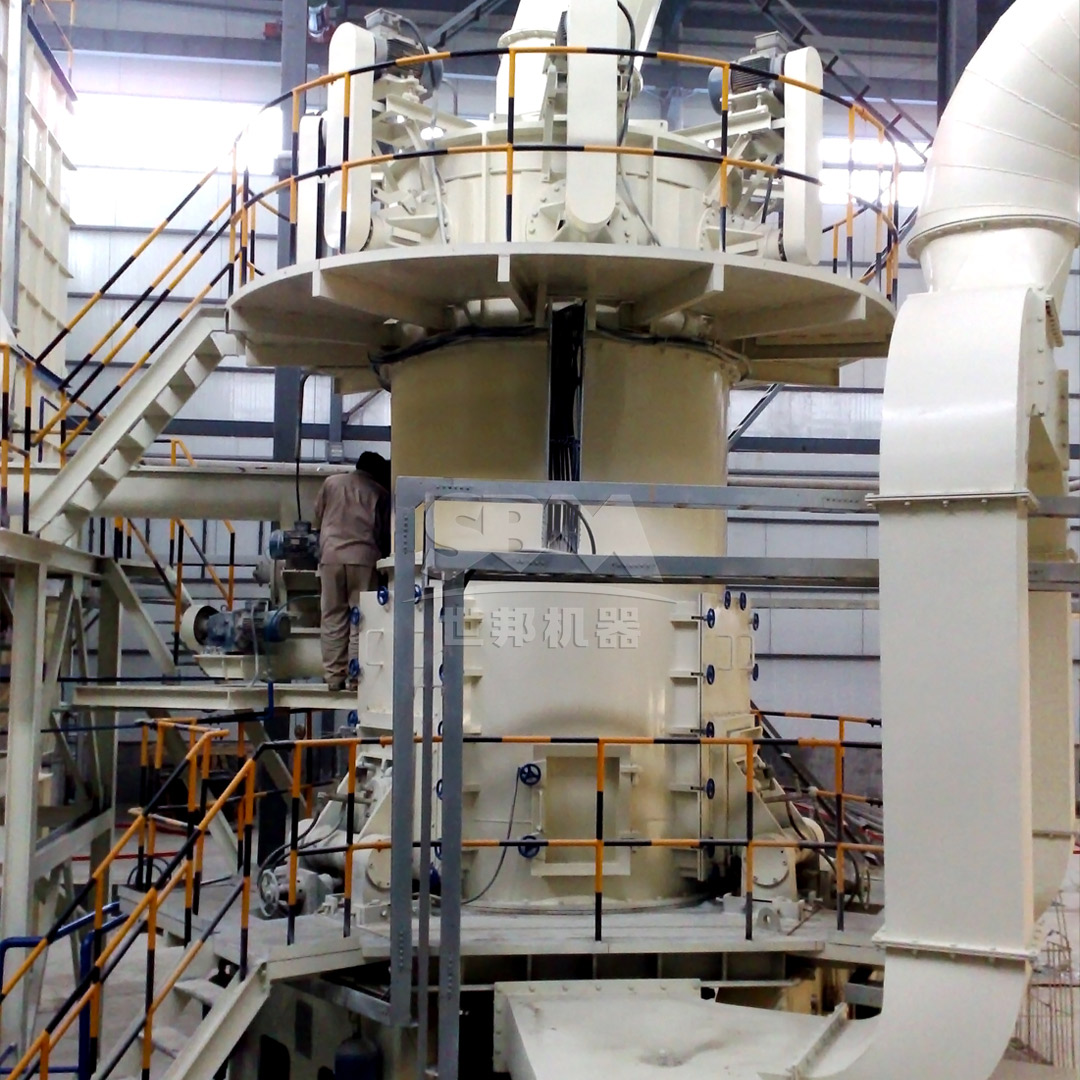
Selecting the right mill is paramount for project economics. For operations targeting high-value slag products, SBM’s grinding solutions offer compelling advantages. Two series stand out for their efficiency and adaptability.
SCM Ultrafine Mill: For Premium, Ultra-Fine Products
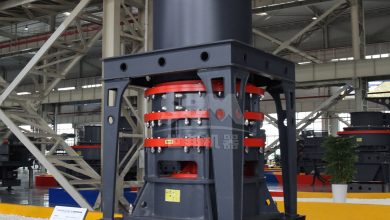
When the application demands the finest powders, the SCM Ultrafine Mill is engineered to excel. It is specifically designed to produce powders in the range of 325 to 2500 mesh (D97 ≤ 5μm) from feed sizes up to 20mm, with capacities from 0.5 to 25 tons per hour.
Its core strengths make it ideal for producing high-reactivity slag powder:
- Superior Energy Efficiency: The mill’s design delivers approximately twice the output of a jet mill while reducing energy consumption by up to 30%. An intelligent control system provides automatic feedback on product fineness.
- Exceptional Product Quality: A vertical turbine classifier ensures precise particle size cuts, guaranteeing a uniform product without coarse particle contamination.
- Robust Durability: Key wear parts like rollers and grinding rings are made from special materials, extending service life significantly. The innovative bearing-less screw design in the grinding chamber enhances operational stability.
- Environmental Compliance: The integrated pulse dust collector exceeds international standards, while soundproofing keeps operational noise below 75dB.
For projects requiring slag as a ultra-fine functional filler or high-performance SCM, the SCM800 to SCM1680 models provide a scalable, efficient solution.
LM Vertical Roller Mill: For Large-Scale, High-Efficiency Production
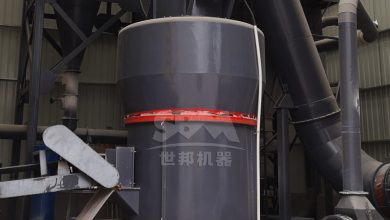
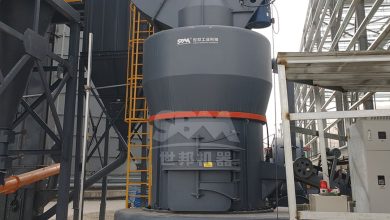
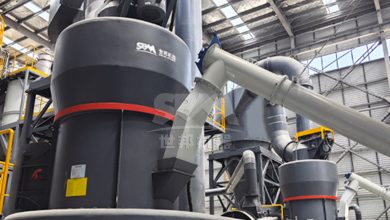
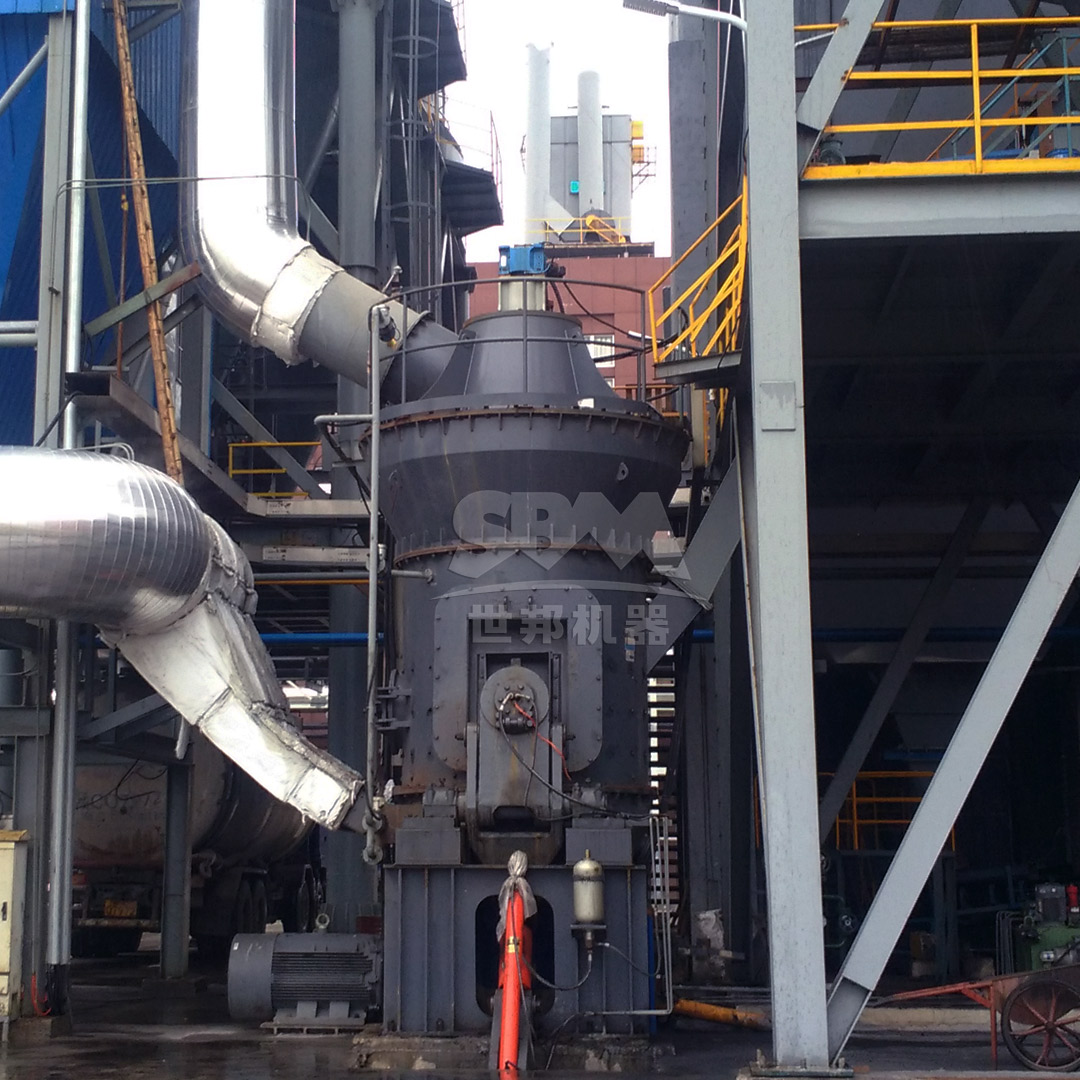
For high-volume production of ground granulated blast-furnace slag (GGBS) or similar materials, the LM Vertical Roller Mill series is a benchmark. Engineered for minerals like slag, it handles feed up to 50mm and delivers fineness from 30 to 325 mesh (and up to 600 mesh in fine-powder models), with massive capacities ranging from 3 to over 250 tons per hour.
Its advantages for industrial slag processing are clear:
- Integrated & Compact Design: The system combines crushing, grinding, drying, and classification in one unit, reducing footprint by 50% and allowing for outdoor installation, cutting civil costs by 40%.
- Low Operational Cost: The non-contact grinding design and efficient bed comminution principle extend wear part life and reduce energy consumption by 30-40% compared to traditional ball mill systems.
- Intelligent Operation: An expert automatic control system allows for remote monitoring and adjustment, minimizing manual intervention and ensuring consistent product quality.
- Proven for Slag: Dedicated models like the LM Vertical Slag Mill series (e.g., LM130N to LM370N) are specifically configured to handle slag with <15% moisture, producing powder with a specific surface area ≥420 m²/kg and final moisture ≤1%.
The LM series represents a top-tier choice for cement plants or standalone slag grinding stations aiming for maximum throughput and lowest cost per ton.
Conclusion: Partnering Technology with Application
The future of steel slag is bright, moving from liability to asset. Realizing this potential, however, requires a strategic match between the target application’s specifications and the capabilities of the grinding technology. While several reputable mill brands exist, solutions like SBM’s SCM Ultrafine Mill for specialty ultra-fine products and the LM Vertical Roller Mill for large-scale GGBS production demonstrate how focused engineering can optimize the entire value chain—from energy consumption and product quality to operational reliability and environmental performance. Investing in the right grinding technology is the critical step in unlocking the full economic and environmental value of steel slag.