New Cement Grinding Equipment Standards Under Capacity Replacement Regulations
Introduction: The Evolving Landscape of Cement Production
The global cement industry stands at a critical juncture, driven by stringent environmental policies, rising energy costs, and the imperative for sustainable development. A key regulatory trend worldwide is the implementation of Capacity Replacement Regulations. These policies mandate that new production capacity can only be added by replacing outdated, inefficient, and highly polluting facilities on a one-to-one or, more commonly, a reduced-capacity basis. This paradigm shift is not merely about swapping old machines for new ones; it demands a fundamental upgrade in technology, focusing on energy efficiency, emission control, product quality, and digital integration. The core of this transformation lies in the grinding process, which is the most energy-intensive stage in cement manufacturing, accounting for over 60% of the plant’s total electrical power consumption. This article explores the new standards for cement grinding equipment that align with these replacement regulations and highlights technological solutions that enable compliance and competitive advantage.
Key Drivers and New Standards for Grinding Equipment
The new standards under capacity replacement frameworks are multifaceted, pushing the boundaries of traditional grinding technology.
1. Ultra-High Energy Efficiency
Regulations increasingly tie operational permits to specific energy consumption (kWh/t). The new benchmark is to achieve grinding power consumption significantly below that of traditional ball mills. Systems must demonstrate holistic efficiency, from the main drive motor to auxiliary systems like classifiers and fans. The goal is a minimum 30-40% reduction in energy use compared to standard ball mill circuits.
2. Enhanced Flexibility and Product Quality
Modern cement markets demand a variety of products: standard Portland cement, high-strength grades, blended cements with slag or fly ash, and ultra-fine products. New grinding systems must offer exceptional flexibility to produce a wide range of fineness (from standard 3200 Blaine to 5000+ Blaine for specialty cements) and to easily switch between different feed materials (clinker, gypsum, slag, pozzolan) without compromising efficiency or stability.
3. Stringent Environmental Compliance
Emissions standards for dust and noise have been drastically tightened. New equipment must guarantee dust emissions below 10-20 mg/Nm³ through integrated, highly efficient dust collection systems. Noise levels must be contained, often requiring full acoustic enclosures to meet limits below 80-85 dB(A) at the property boundary.
4. Advanced Digitalization and Process Control
Smart manufacturing is no longer optional. New grinding systems are expected to come with sophisticated automation, featuring expert control systems, remote monitoring capabilities, predictive maintenance algorithms, and seamless integration into plant-wide IoT platforms. This ensures optimal, stable operation with minimal human intervention, maximizing throughput and quality while minimizing energy spikes and wear.
5. Reduced Footprint and Modularity
Replacement projects often face space constraints within existing plant layouts. New equipment designs must be compact, with a significantly smaller footprint than the old mills they replace. Modular designs that allow for pre-assembled sections reduce installation time and cost, minimizing production downtime during the changeover.
Technology Solutions: Moving Beyond the Traditional Ball Mill
To meet these rigorous new standards, several advanced grinding technologies have come to the forefront, each with distinct advantages.
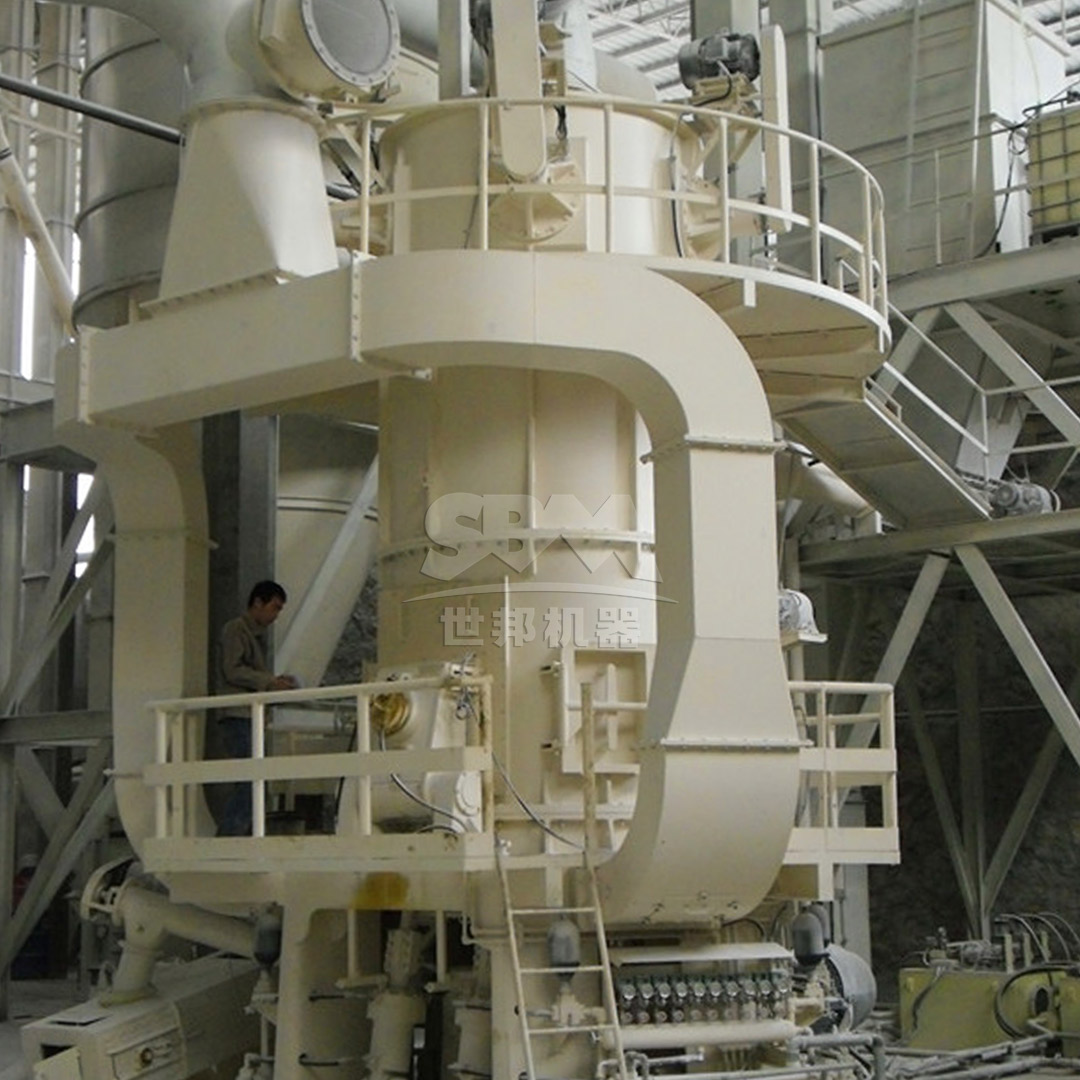
Vertical Roller Mills (VRM): The New Benchmark for Efficiency
The Vertical Roller Mill has become the technology of choice for capacity replacement projects in cement grinding. Its principle of bed comminution—where material is ground between a rotating table and rollers under pressure—is inherently more efficient than the impact and attrition of tumbling ball mills.
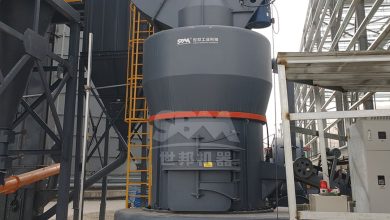
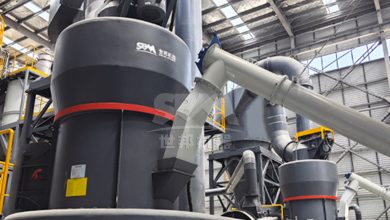
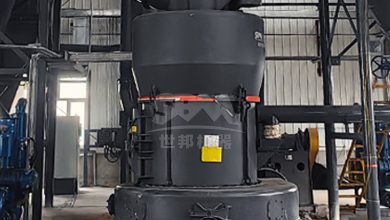
For cement producers seeking a future-proof solution under replacement regulations, our LM Series Vertical Roller Mill stands out as a premier choice. It embodies all the new standards: its integrated design combines crushing, grinding, drying, and classifying in a single unit, reducing footprint by up to 50% compared to a ball mill system. Its energy consumption is 30-40% lower, directly addressing the core efficiency mandate. The mill operates under full negative pressure, ensuring dust emissions are kept well below 20 mg/m³. Furthermore, its expert automatic control system allows for precise fineness control and remote operation. With models like the LM220K offering capacities from 36 to 105 t/h and the larger LM280K handling 50-170 t/h, it provides a scalable, high-efficiency solution for direct clinker grinding that aligns perfectly with modern regulatory and economic demands.
Roller Press with Hybrid Systems: Maximizing Efficiency Gains
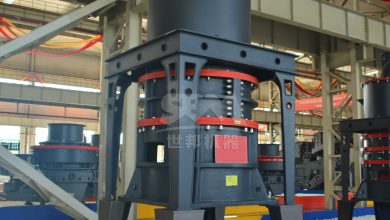
For the highest possible efficiency, the semi-finish or finish grinding circuit combining a Roller Press with a ball mill (or as a stand-alone unit with a static/dynamic separator) is dominant. The Roller Press pre-grinds material using high-pressure inter-particle comminution, creating micro-cracks and significantly reducing the work required by the downstream mill. This hybrid approach can yield energy savings of up to 50%. Our LM-Y Series Vertical Pre-grinding Mill is engineered precisely for this role. Models like the LM340Y can handle massive circulating loads of 800-1000 t/h, preparing material for final polishing in a downstream ball mill, thereby dramatically boosting the capacity and efficiency of an existing grinding line during a replacement upgrade.
High-Pressure Grinding Rolls (HPGR): The Efficient Pre-Grinder
Similar to the roller press, HPGRs are gaining traction as extremely efficient pre-crushers or pre-grinders in cement circuits. They operate on the same principle of high-pressure inter-particle crushing and are renowned for their low specific wear and energy consumption.
Specialized Grinding for Blended Cements and Ultra-Fine Products
The future of cement lies in blended cements. Grinding granulated blast furnace slag (GBFS) or pozzolans requires specialized equipment due to their higher hardness and grindability demands.
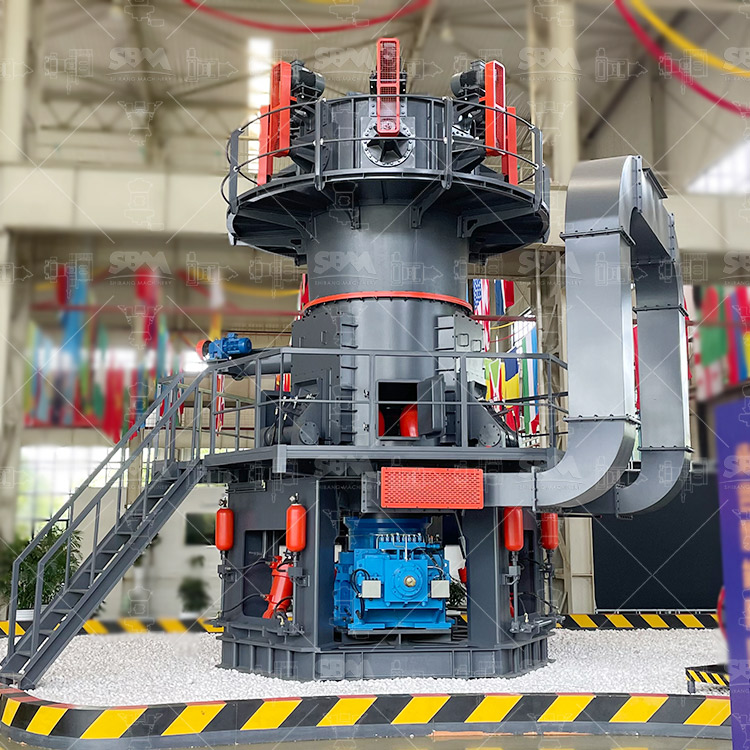
For slag grinding, dedicated Vertical Slag Mills are the most efficient technology. Our LM-N Series, such as the LM220N with a capacity of 20-26 t/h at ≥420 m²/kg, is designed specifically for this application. It features enhanced wear protection, optimized airflow for drying moist slag, and grinding elements designed for abrasive materials, ensuring high availability and low operating cost—a critical factor when replacing old, inefficient slag grinding capacity.
For producing ultra-fine cement or value-added mineral powders, SCM Ultrafine Mill technology is essential. While not for mainstream clinker grinding, it plays a vital role in product diversification. Our SCM Series Ultrafine Mill can produce powders in the range of 325-2500 mesh (D97 ≤5μm). Its vertical turbine classification system ensures precise particle cut without coarse grain contamination. This technology enables cement producers to tap into high-value markets for ultra-fine binders or functional fillers, adding flexibility to their product portfolio under a replacement regime that values output quality over mere volume.
Implementation Strategy for Capacity Replacement
Successfully navigating a capacity replacement project requires a strategic approach:
- Holistic System Audit: Evaluate the entire grinding circuit, not just the mill. Auxiliaries like feeders, classifiers, dust collectors, and material handling often become bottlenecks.
- Technology Selection Based on Product Mix: Choose the core grinding technology (e.g., VRM for clinker, dedicated VRM for slag) based on the planned product portfolio and raw material characteristics.
- Integration of Digital Solutions: From day one, integrate advanced process control and condition monitoring to lock in the efficiency gains promised by the new hardware.
- Lifecycle Cost Analysis: Justify the investment through a detailed analysis of energy savings, maintenance costs, production flexibility, and environmental compliance benefits over the equipment’s lifetime.
Conclusion: Embracing the Future of Grinding
The era of capacity replacement regulations is reshaping the cement industry, turning a regulatory challenge into a powerful driver for technological innovation. The new standards for cement grinding equipment are clear: unprecedented energy efficiency, operational flexibility, environmental stewardship, and digital intelligence. Technologies like the advanced LM Series Vertical Roller Mill for clinker and slag, and the SCM Ultrafine Mill for product diversification, are not just compliant solutions; they are strategic assets that reduce operational costs, enhance product value, and future-proof production facilities. By adopting these next-generation grinding systems, cement manufacturers can successfully execute their replacement projects, securing not only regulatory approval but also a formidable competitive edge in the sustainable construction markets of tomorrow.