Needle Coke Ultrafine Grinding Mill: Performance and Applications
Introduction to Needle Coke Ultrafine Grinding
Needle coke, a premium-grade petroleum coke with distinctive needle-like crystalline structure, has become increasingly vital in advanced industrial applications, particularly in lithium-ion battery anode materials and high-power graphite electrodes. The unique physical properties of needle coke – including high electrical conductivity, low thermal expansion coefficient, and excellent mechanical strength – demand specialized grinding technologies to achieve the ultrafine particle sizes required by modern industries. Traditional grinding methods often fail to preserve the critical crystalline structure while achieving the necessary fineness, making specialized ultrafine grinding mills essential for processing this valuable material.
The transformation of raw needle coke into high-value products depends heavily on the grinding process. Ultrafine grinding not only increases the specific surface area but also activates the material surface, enhancing its electrochemical performance in battery applications. However, this process presents significant challenges: the abrasive nature of coke can cause rapid equipment wear, the heat generated during grinding may alter material properties, and maintaining consistent particle size distribution requires sophisticated classification systems.
Technical Requirements for Needle Coke Grinding
Particle Size Specifications
Different applications demand specific particle size distributions for needle coke. For lithium-ion battery anode materials, the target fineness typically ranges from D97 5-15μm (approximately 1250-2500 mesh), with strict requirements for particle shape and surface characteristics. The graphite electrode industry generally requires slightly coarser particles around 45-75μm (200-325 mesh), but with exceptional purity and consistency. Ultra-high power electrodes may necessitate intermediate sizes around 15-25μm (600-800 mesh) to optimize density and conductivity.
The particle size distribution curve must be carefully controlled, as both excessively fine particles (increasing binder requirement) and overly coarse particles (reducing density) can compromise final product performance. Modern applications increasingly require not just control of the top size (D97) but also optimization of the entire distribution curve, including D10, D50, and D90 values.
Preservation of Crystalline Structure
Unlike conventional materials where complete particle breakdown is desirable, needle coke grinding must preserve the fundamental graphite-like crystalline structure that gives the material its valuable properties. Excessive mechanical shear or impact can damage these crystals, reducing electrical conductivity and mechanical strength in the final product. The ideal grinding process applies sufficient force to reduce particle size while minimizing structural damage through controlled compression and shear forces.
Advanced grinding systems employ precision control of grinding pressure, rotational speed, and residence time to achieve this balance. The orientation of crystals in the final particles also affects performance, particularly in oriented graphite products where crystal alignment significantly enhances conductivity in specific directions.
SCM Ultrafine Mill: Optimal Solution for Needle Coke Processing
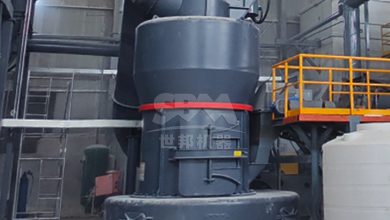
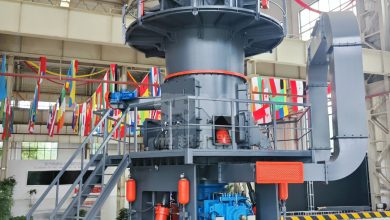
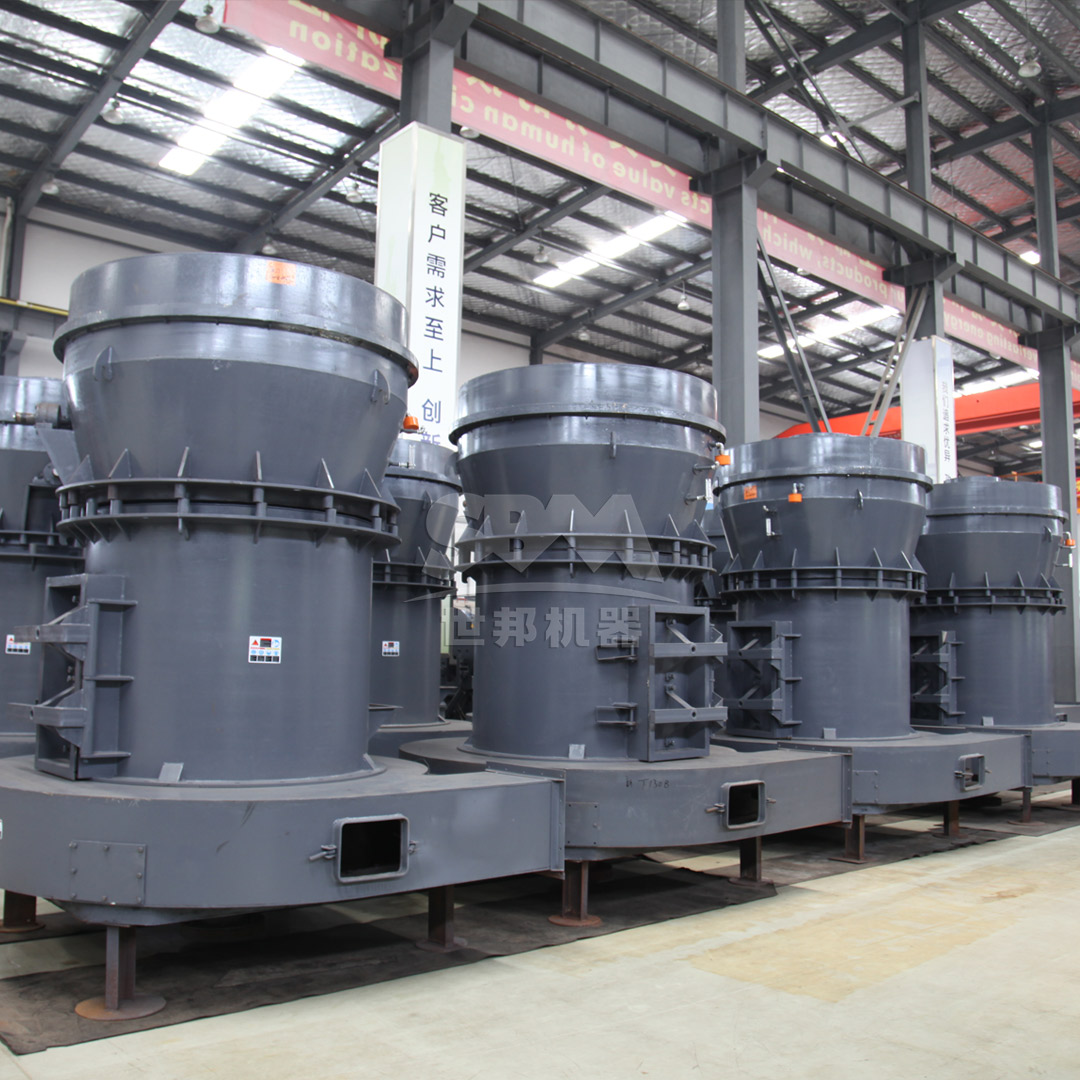
For needle coke applications requiring the finest particle sizes, our SCM Ultrafine Mill represents the state-of-the-art in grinding technology. Specifically engineered for materials in the 325-2500 mesh range (D97≤5μm), this mill delivers exceptional performance for premium needle coke products.
Technical Superiority
The SCM series achieves remarkable efficiency gains, offering twice the capacity of jet mills while reducing energy consumption by 30%. This is particularly valuable in needle coke processing, where energy costs constitute a significant portion of production expenses. The intelligent control system automatically monitors and adjusts operational parameters to maintain consistent product fineness, crucial for meeting the stringent specifications of battery and electrode manufacturers.
The integrated vertical turbo classifier provides precise particle size切割, ensuring no coarse particles contaminate the final product. This high-precision classification is vital for needle coke, where even a small percentage of oversize particles can degrade performance in sensitive applications like lithium-ion batteries.

Durability and Maintenance Advantages
Needle coke’s abrasive nature demands exceptional wear resistance, which the SCM series delivers through specially formulated materials for rollers and grinding rings that extend service life by several times compared to conventional mills. The innovative bearing-free screw grinding chamber design ensures stable operation and reduces maintenance requirements, while the fully enclosed system prevents material leakage and environmental contamination.
The pulse dust collection system exceeds international environmental standards, capturing over 99.9% of particulate matter. With noise levels below 75dB, the SCM series provides a superior working environment while meeting the most stringent regulatory requirements.
Model Recommendations for Needle Coke
For pilot plants and small-scale production, the SCM800 model offers processing capacity of 0.5-4.5 tons per hour with 75kW main motor power, ideal for specialized needle coke grades and research applications. For medium to large-scale production, the SCM1250 model delivers 2.5-14 tons per hour capacity with 185kW power, balancing production efficiency with operational flexibility. For high-volume manufacturing facilities, the flagship SCM1680 model processes 5-25 tons per hour with 315kW power, providing the scale needed for major battery and electrode production lines.
MTW Series Trapezium Mill: Cost-Effective Alternative
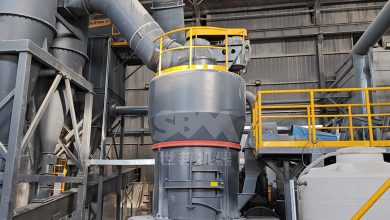
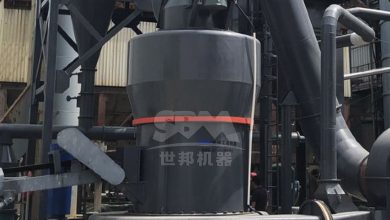
For applications not requiring the extreme fineness of the SCM series, our MTW Series Trapezium Mill offers an outstanding balance of performance and economy. With output fineness ranging from 30-325 mesh (600-45μm), this mill efficiently processes needle coke for standard graphite electrodes and other applications where ultra-fine particles are not essential.
Advanced Design Features
The MTW series incorporates several proprietary technologies specifically beneficial for needle coke processing. The wear-resistant shovel blade design features combined blade segments that significantly reduce maintenance costs while curved surfaces extend roller service life. The optimized arc air channel minimizes energy loss during material transport, enhancing overall efficiency.
The integrated cone gear transmission achieves 98% transmission efficiency, reducing power consumption while saving installation space and costs. The abrasion-resistant volute structure employs unobstructed flow design to improve air classification efficiency while lowering maintenance requirements by 30% compared to conventional designs.
Model Selection Guidance
The MTW175G model processes 9.5-25 tons per hour with 160kW power, making it suitable for medium-scale needle coke production facilities. For large-scale operations, the MTW215G model handles 15-45 tons per hour with 280kW power, providing substantial capacity for major industrial applications. Both models maintain consistent product quality while optimizing operational costs.
Processing Methodology and Quality Control
Grinding Mechanism Optimization
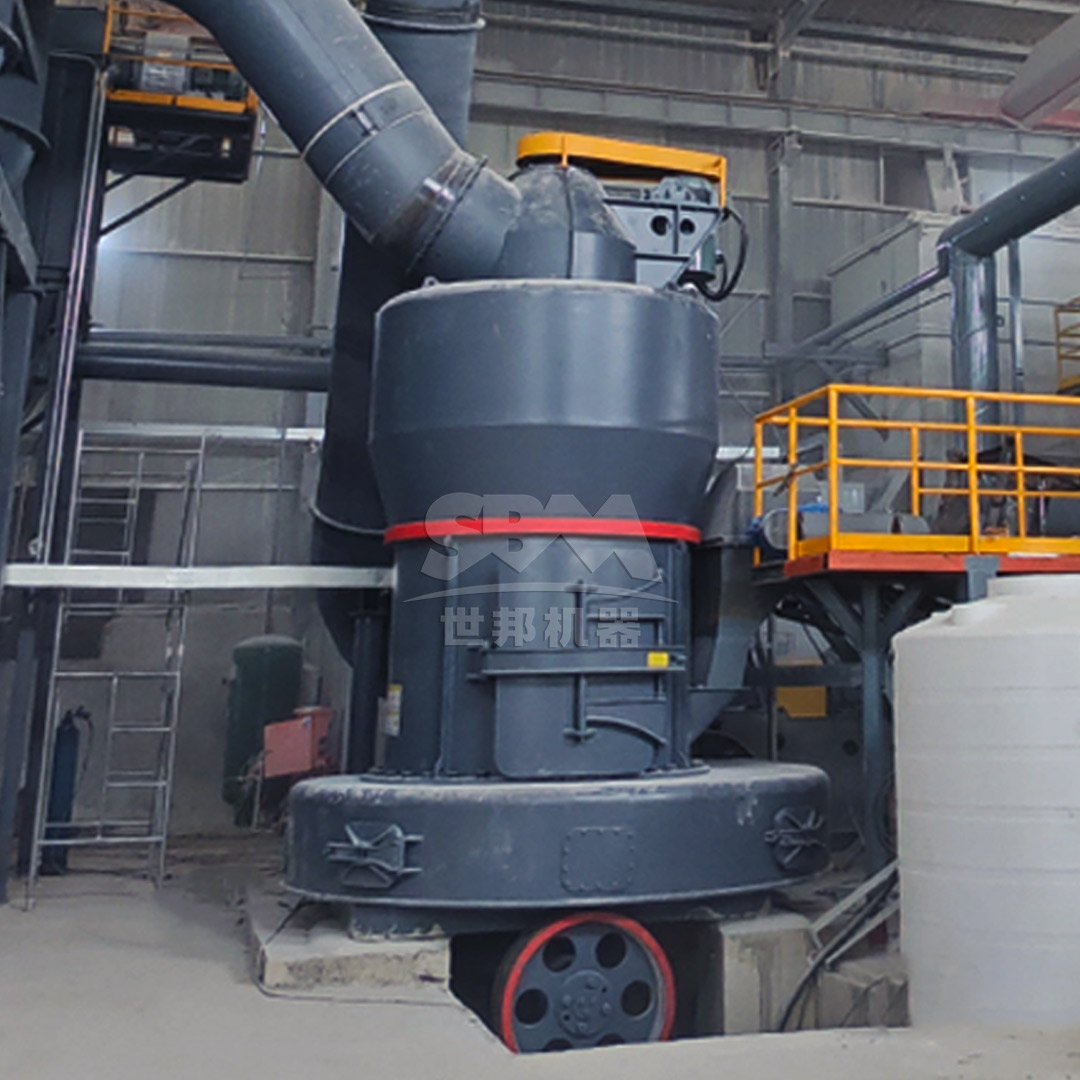
The SCM Ultrafine Mill operates on a multi-layer grinding principle where material is fed into the mill (≤20mm input size) and distributed by centrifugal force across the grinding path. The three-layer grinding ring structure enables progressive size reduction, with each stage applying optimized pressure for efficient comminution while preserving material structure. The final collection system combines cyclone separators with pulse-jet dust collection to ensure maximum product recovery with minimal waste.
This gradual reduction approach is particularly beneficial for needle coke, as it minimizes excessive local heating that can alter material properties. The controlled grinding environment maintains temperature within optimal ranges, preserving the crystalline structure essential for high-performance applications.
Quality Assurance Protocols
Consistent needle coke quality requires comprehensive monitoring throughout the grinding process. Modern mills incorporate real-time particle size analyzers that continuously monitor product fineness and automatically adjust operational parameters to maintain specifications. Additional quality checks include regular sampling for laboratory analysis of particle size distribution, specific surface area (BET method), and crystallinity through X-ray diffraction.
For battery-grade materials, additional testing of electrochemical performance including first-cycle efficiency and capacity retention provides crucial quality verification. These rigorous protocols ensure that the ground needle coke meets the exacting standards of advanced applications.
Industrial Applications of Ground Needle Coke
Lithium-Ion Battery Anodes
Ultrafine needle coke has emerged as a crucial material for lithium-ion battery anodes, particularly in applications requiring fast charging and long cycle life. The material’s unique combination of graphitizability, low expansion coefficient, and excellent conductivity makes it ideal for high-performance batteries. When ground to the optimal particle size distribution (typically D50 10-15μm), needle coke provides superior performance compared to alternative carbon materials.
The grinding process significantly affects electrochemical performance, with optimal results achieved when particles maintain structural integrity while providing sufficient surface area for lithium ion intercalation. Properly ground needle coke anodes demonstrate enhanced rate capability, improved cycling stability, and higher volumetric energy density – critical attributes for electric vehicle and energy storage applications.
Graphite Electrodes
High-quality graphite electrodes for electric arc furnace steel production represent another major application for ground needle coke. The material’s low thermal expansion coefficient and high electrical conductivity enable electrodes to withstand extreme operating conditions while maintaining dimensional stability. Grinding parameters must be carefully controlled to achieve the optimal balance between particle packing density and binder requirement.
For ultra-high power electrodes, the fineness typically ranges from 15-25μm, while high-power applications may use slightly coarser particles around 45-75μm. The consistent particle size distribution achieved by advanced grinding mills ensures uniform current distribution and thermal characteristics throughout the electrode, extending service life and improving furnace performance.
Future Trends in Needle Coke Grinding Technology
The evolving requirements of battery and electrode manufacturers are driving continuous innovation in needle coke grinding technology. Future developments will likely focus on further reducing energy consumption while improving product consistency and preserving material structure. Integration of artificial intelligence for real-time process optimization represents another promising direction, potentially enabling mills to automatically adjust to variations in raw material properties.
Hybrid grinding systems that combine multiple size reduction mechanisms may offer advantages for specific needle coke grades, while advanced classification technologies will provide even tighter control over particle size distribution. As sustainability concerns grow, grinding systems with enhanced energy recovery and minimal environmental impact will become increasingly important.
Conclusion
The selection of appropriate grinding technology is critical for maximizing the value of needle coke in advanced applications. Our SCM Ultrafine Mill and MTW Series Trapezium Mill provide comprehensive solutions spanning the full range of fineness requirements, from premium battery materials to industrial graphite electrodes. With their advanced design, robust construction, and precision control systems, these mills deliver the consistent quality, operational efficiency, and reliability demanded by modern needle coke processors.
As industry requirements continue to evolve, our ongoing research and development ensures that our grinding technologies remain at the forefront of performance and innovation. By partnering with equipment manufacturers who understand the unique challenges of needle coke processing, producers can optimize their operations while meeting the exacting standards of their customers in the battery, electrode, and advanced materials industries.