Needle Coke Grinding Mill Process Production Line Flow
Introduction to Needle Coke Grinding
Needle coke, a highly crystalline petroleum coke produced from coal tar pitch or petroleum feedstock, requires specialized grinding processes to achieve the precise particle size distribution necessary for applications in lithium-ion battery anodes, graphite electrodes, and other advanced materials. The grinding process must maintain the crystalline structure while achieving ultra-fine particle sizes with narrow distribution ranges. This article explores the complete production line flow for needle coke grinding, highlighting critical process stages and equipment selection criteria.
Raw Material Preparation and Pre-treatment
Before grinding, needle coke undergoes essential preparation stages to ensure optimal processing conditions. The raw material typically arrives in lump form with varying moisture content and potential contaminants. The initial stage involves crushing to reduce particle size to below 20mm, making it suitable for feeding into grinding equipment. Pre-drying may be necessary if moisture content exceeds 2%, as excessive moisture can negatively impact grinding efficiency and final product quality. Magnetic separation is often incorporated to remove ferrous contaminants that could affect both process equipment and final product purity.
The crushing stage typically employs jaw crushers or hammer mills to achieve the required feed size. For needle coke applications, maintaining the crystalline structure during crushing is paramount, making controlled impact crushing preferable over compressive crushing methods. The pre-treated material is then conveyed to intermediate storage silos, ensuring consistent feed to the grinding circuit.
Grinding Process Technology Selection
Selecting appropriate grinding technology is critical for needle coke processing. The unique properties of needle coke – including its crystalline structure, hardness, and required final particle distribution – demand specific grinding approaches. Various mill types offer different advantages depending on production capacity requirements, energy efficiency targets, and final product specifications.
Ultra-Fine Grinding Solutions
For applications requiring the finest particle sizes (D97 ≤ 5μm), such as premium battery anode materials, ultra-fine grinding mills provide the necessary precision and control. These systems must maintain narrow particle size distributions while minimizing contamination and preserving the crystalline integrity of the needle coke.
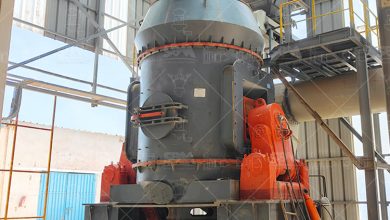
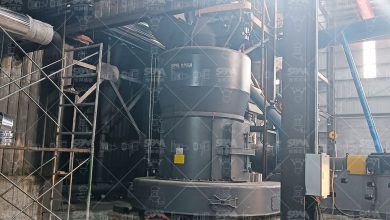
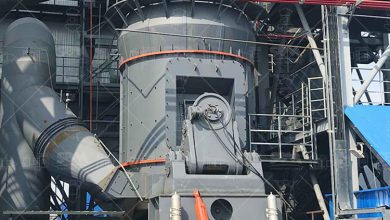
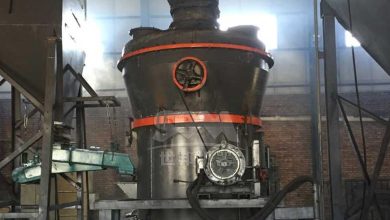
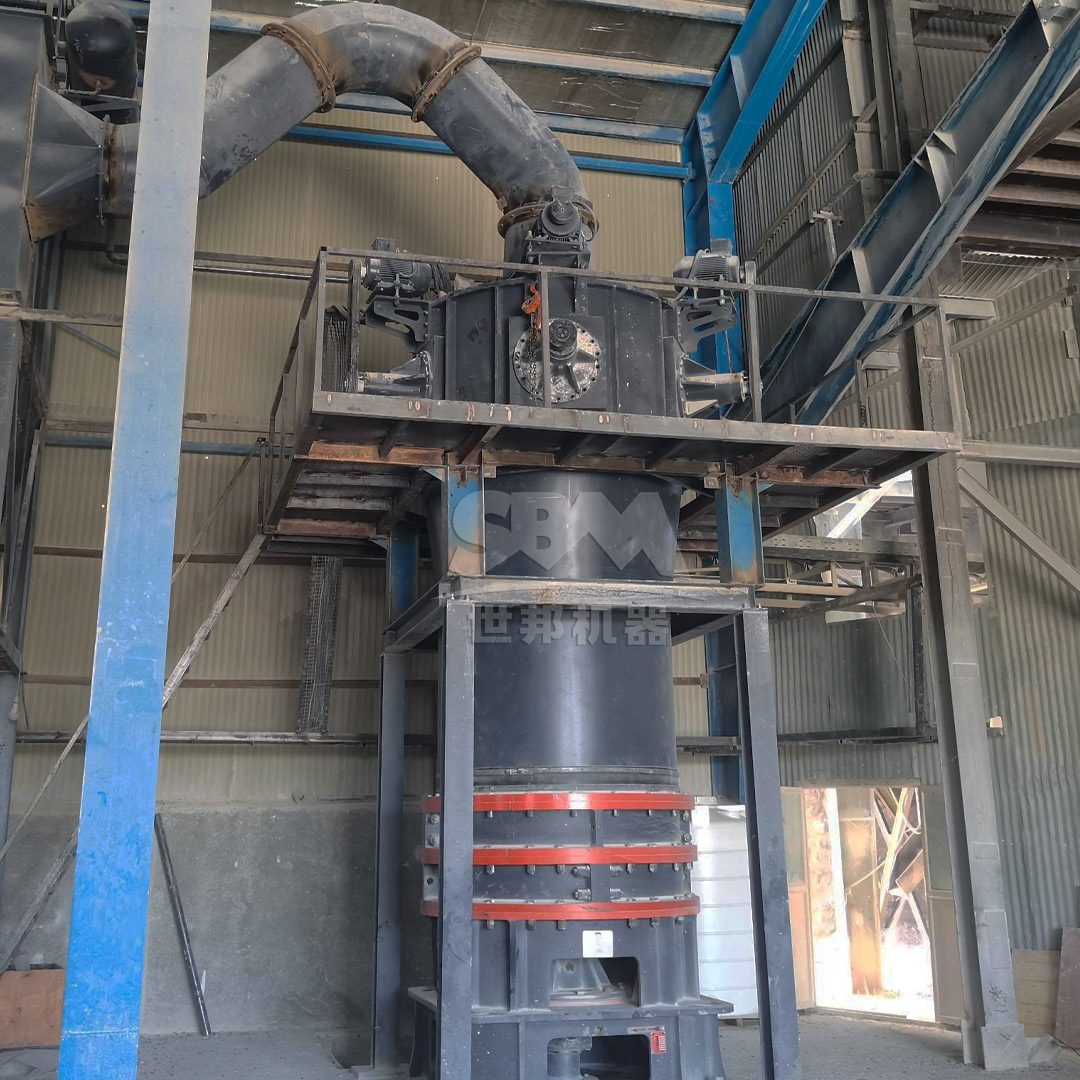
For such demanding applications, our SCM Ultrafine Mill represents an optimal solution. With an output fineness range of 325-2500 mesh (D97 ≤ 5μm) and processing capacity from 0.5 to 25 tons per hour depending on model selection, this equipment delivers exceptional performance for needle coke grinding. The mill’s efficient energy utilization – offering 30% lower energy consumption compared to jet mills – combined with its high-precision vertical turbine classifier ensures uniform product quality with no coarse particle contamination. The special material composition of grinding rollers and rings extends service life significantly, while the pulse dust collection system exceeds international environmental standards.
Medium-Fine Grinding Options
For applications requiring particle sizes in the 45-325 mesh range, such as certain graphite electrode formulations, medium-fine grinding mills offer robust performance with higher throughput capacities. These systems balance production efficiency with precise particle size control.
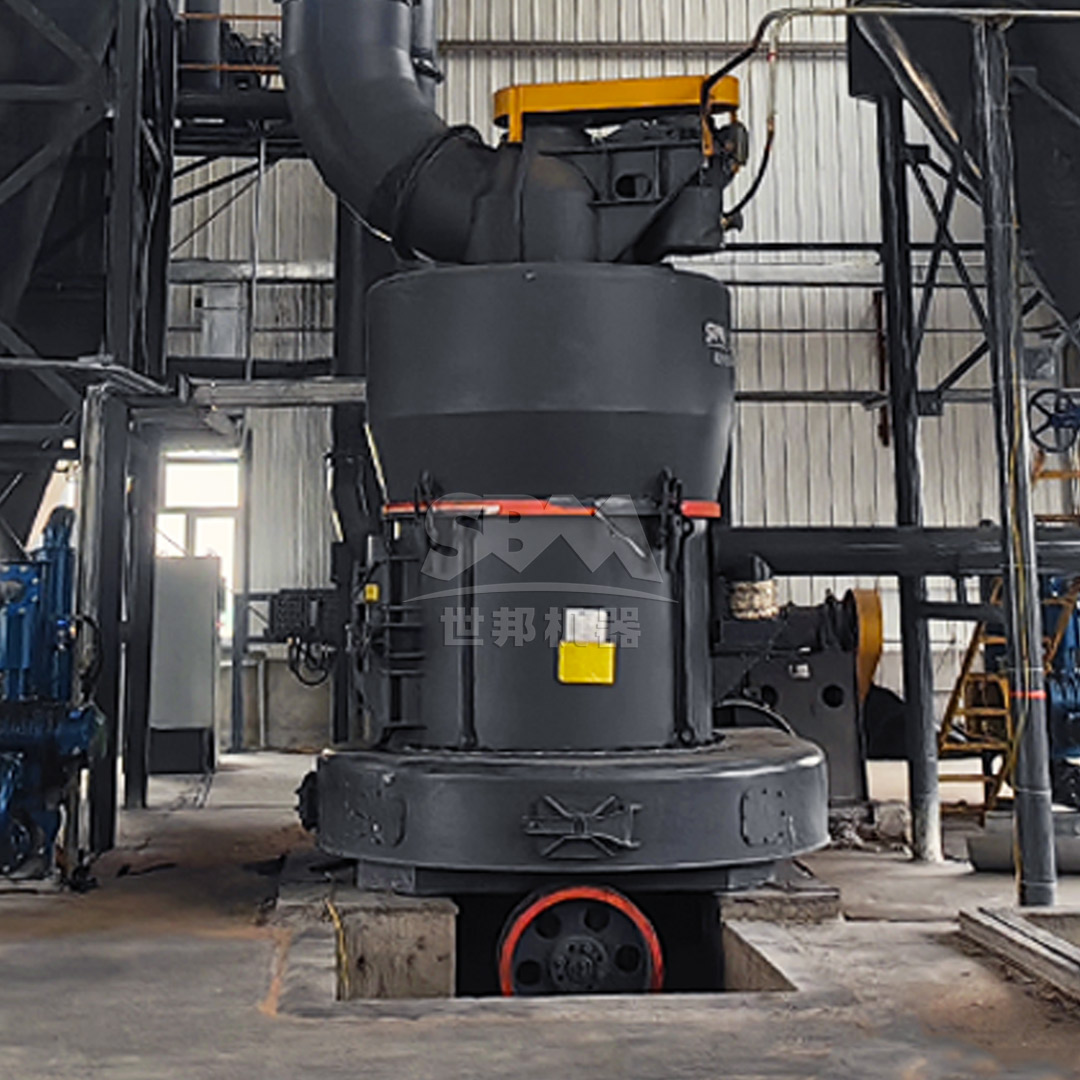
Our MTW Series Trapezium Mill provides an excellent solution for these applications, handling input sizes up to 50mm with processing capacities ranging from 3 to 45 tons per hour. The mill’s anti-abrasion shovel design and curved air channel optimization reduce maintenance costs while improving transmission efficiency. The integrated cone gear transmission achieves 98% efficiency, and the wear-resistant volute structure enhances air classification performance. For needle coke processing, the MTW Series offers the flexibility to produce various product grades while maintaining consistent quality and operational reliability.
Production Line Configuration and Flow
A complete needle coke grinding production line integrates multiple components in a carefully sequenced process flow to ensure optimal efficiency and product quality.
Material Handling and Feeding System
The process begins with precise material handling, where pre-crushed needle coke is transported from storage silos to the grinding mill feed system. Vibrating feeders with variable speed control ensure consistent feed rates, critical for maintaining stable grinding conditions. Magnetic separation at this stage provides additional protection against ferrous contamination.
Grinding and Classification Circuit
The heart of the production line, the grinding mill reduces needle coke to the target particle size. Simultaneously, the integrated classification system separates particles based on size, returning oversize material for further grinding while allowing properly sized material to proceed to collection. For ultra-fine applications, the SCM Ultrafine Mill’s vertical turbine classifier provides precise cut points, while the MTW Series employs advanced impeller classifiers for medium-fine applications.
Product Collection and Dedusting
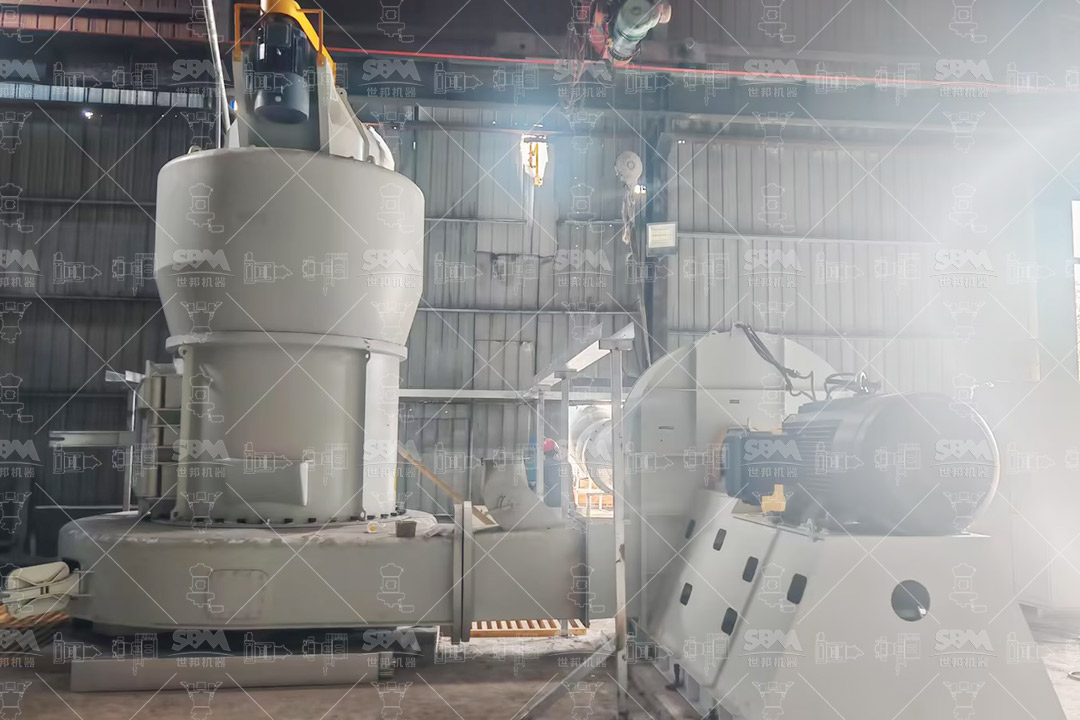
Following classification, the finished product is collected through cyclone separators and baghouse filter systems. Needle coke’s low bulk density requires specialized collection system design to prevent product loss and ensure high collection efficiency. Pulse-jet baghouse filters with appropriate filter media selection provide effective dust control while maintaining product quality.
Product Packaging and Storage
The final ground needle coke is typically packaged in specialized containers that prevent contamination and moisture absorption. For some applications, inert gas purging may be employed during packaging to prevent oxidation. Automated weighing and packaging systems ensure consistent fill weights and minimize manual handling.
Process Control and Quality Assurance
Modern needle coke grinding facilities employ comprehensive process control systems to maintain consistent product quality. Key parameters monitored and controlled include:
- Mill feed rate and consistency
- Grinding pressure and temperature
- Classifier speed and airflow
- Product fineness (through online particle size analysis)
- System pressure differentials
Regular quality testing verifies particle size distribution, tap density, and contamination levels. Statistical process control methods help identify trends and maintain process stability.
Environmental Considerations and Safety
Needle coke grinding presents specific environmental and safety challenges that must be addressed in production line design. The combustible nature of fine coke dust requires explosion protection measures, including inerting systems, explosion vents, and rigorous housekeeping protocols. Dust collection efficiency must exceed 99.9% to prevent environmental emissions and protect worker health. Noise control measures, such as acoustic enclosures and silencers, maintain operational noise levels below 85 dB(A).
Equipment Selection Guidelines
Selecting appropriate grinding equipment for needle coke applications requires careful consideration of multiple factors:
Production Capacity Requirements
Match equipment capacity to production needs, considering both current requirements and future expansion. The SCM Series offers capacities from 0.5 to 25 t/h, while the MTW Series handles 3 to 45 t/h, providing options for various production scales.
Final Product Specifications
Ultra-fine applications (D97 ≤ 5μm) benefit from the precision of the SCM Ultrafine Mill, while applications tolerating slightly coarser particles can utilize the higher capacity MTW Series.
Energy Efficiency
Consider total energy consumption, including main motor, classifier, and ancillary equipment. Our grinding mills incorporate energy-saving technologies that reduce overall operating costs.
Maintenance Requirements
Evaluate wear part life and replacement procedures. The special material construction of our grinding elements extends service intervals, reducing maintenance downtime.
Conclusion
An optimized needle coke grinding production line requires careful integration of crushing, grinding, classification, and collection systems tailored to the specific characteristics of needle coke. Proper equipment selection, particularly the choice between ultra-fine and medium-fine grinding technologies, directly impacts product quality, production efficiency, and operational costs. Our SCM Ultrafine Mill and MTW Series Trapezium Mill offer proven solutions for the diverse requirements of needle coke processing, delivering the precision, reliability, and efficiency necessary for competitive production in this demanding application area.