
Microsilica Applications: Uses and Benefits in Construction and Industry
Introduction to Microsilica
Microsilica, also known as silica fume, is a by-product of the production of silicon metal or ferrosilicon alloys. This ultrafine, amorphous powder, composed primarily of highly reactive silicon dioxide (SiO₂), has transitioned from an industrial waste product to a highly valued material across multiple sectors. Its particle size is approximately 100 times smaller than that of an average cement grain, giving it unique physical and chemical properties. This article explores the extensive applications and significant benefits of microsilica in construction and various industries, highlighting how modern processing technology unlocks its full potential.
Properties and Production of Microsilica
The exceptional value of microsilica stems from its distinct characteristics. It is an extremely fine powder, with particles typically ranging from 0.1 to 0.3 micrometers. Its amorphous (non-crystalline) structure makes it highly reactive, especially in the presence of calcium hydroxide during cement hydration. This reaction, known as the pozzolanic reaction, forms additional calcium silicate hydrate (C-S-H) gel, the primary binder in concrete. Furthermore, its fine particles act as a superb filler, densifying the microstructure of composite materials.
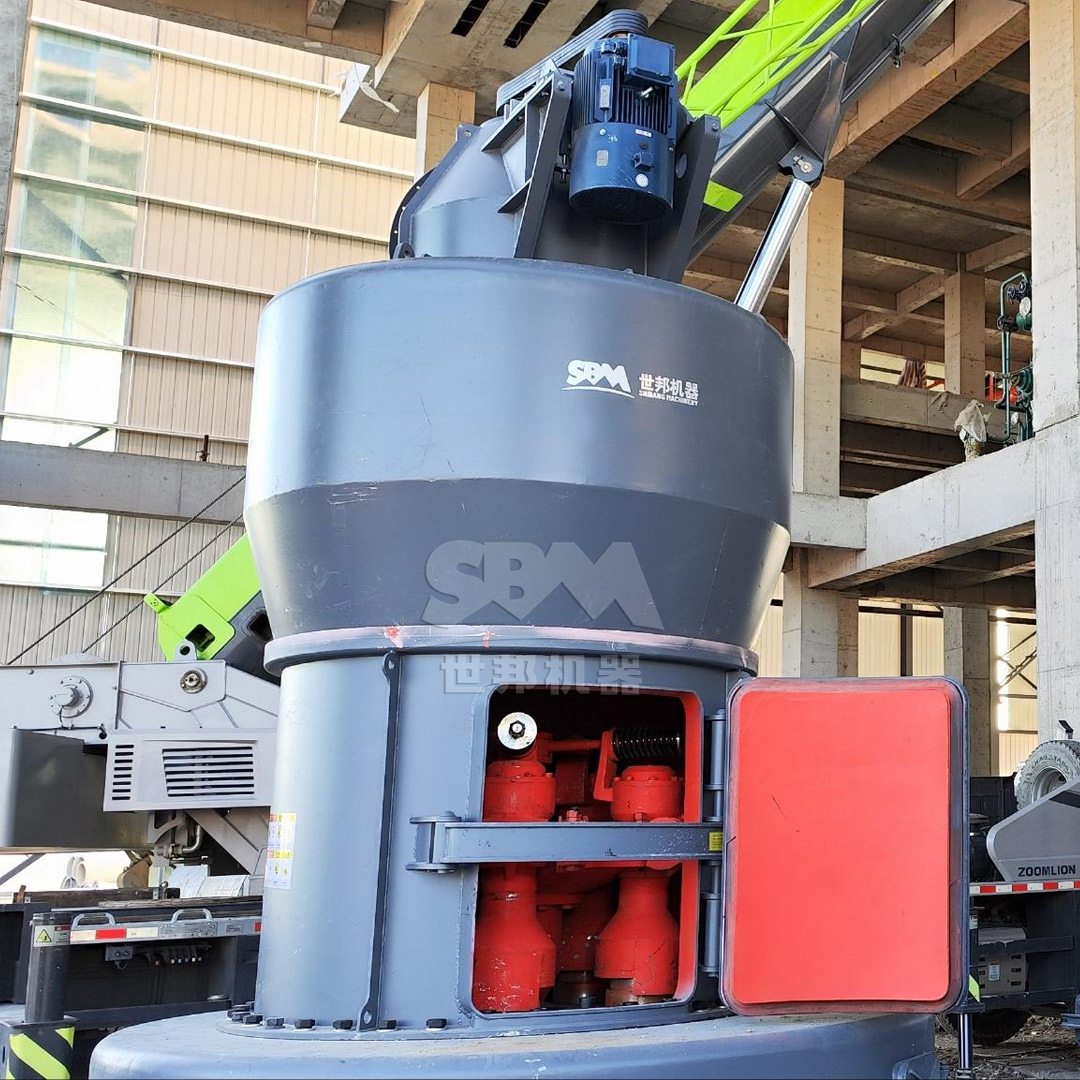
The quality and consistency of microsilica are paramount for its performance. Raw silica fume must be processed—collected, densified, and ground—to achieve the desired fineness, handling properties, and reactivity. This is where advanced milling technology becomes critical. Inconsistent particle size or contamination can severely diminish its beneficial effects.
Applications and Benefits in Construction
High-Performance and Ultra-High-Performance Concrete (HPC/UHPC)
This is the most prominent application for microsilica. By incorporating 5-15% microsilica by weight of cement, concrete undergoes a remarkable transformation:
- Enhanced Strength and Durability: The pozzolanic reaction and filler effect create an extremely dense, low-permeability matrix. This dramatically improves compressive and flexural strength while providing superior resistance to chloride ion penetration, sulfate attack, and chemical corrosion.
- Reduced Permeability: The refined pore structure significantly lowers water and gas permeability, making it ideal for marine structures, bridge decks, parking garages, and wastewater treatment plants.
- Improved Abrasion and Erosion Resistance: The hardened paste becomes much more resistant to wear, benefiting industrial floors, dam spillways, and heavy-traffic pavements.
Shotcrete and Repair Mortars
Microsilica is a key component in shotcrete mixes for tunnel linings, slope stabilization, and structural repairs. It reduces rebound, improves adhesion to substrates and existing concrete, and allows for the application of thicker layers in a single pass due to its cohesive nature. In repair mortars, it ensures excellent bond strength and durability of the repair system.
Refractory and High-Temperature Applications
In refractory concretes and castables, microsilica acts as a binder and flow enhancer. It allows for lower water content, resulting in higher density, improved strength after firing, and enhanced resistance to thermal shock and slag corrosion in furnaces, kilns, and incinerators.
Industrial and Specialized Applications
Oil and Gas Well Cementing
Microsilica is used in cement slurries for oil and gas well casing. It prevents strength retrogression at high downhole temperatures and pressures, improves slurry stability, and reduces permeability to enhance zonal isolation and well integrity.
Ceramics and Composites
As a filler in ceramic bodies, it improves green strength, reduces firing shrinkage, and enhances final product density. In polymer composites and elastomers, it can improve mechanical properties, thermal stability, and flame retardancy.
Advanced Materials
Research continues into using microsilica in more advanced applications, such as a precursor for silicon carbide, in alkali-activated geopolymers, and as a component in specialized grouts and coatings.
The Critical Role of Precision Grinding Technology
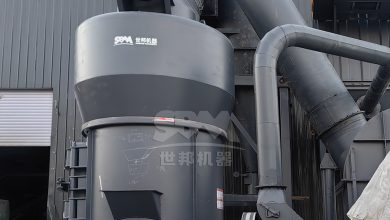
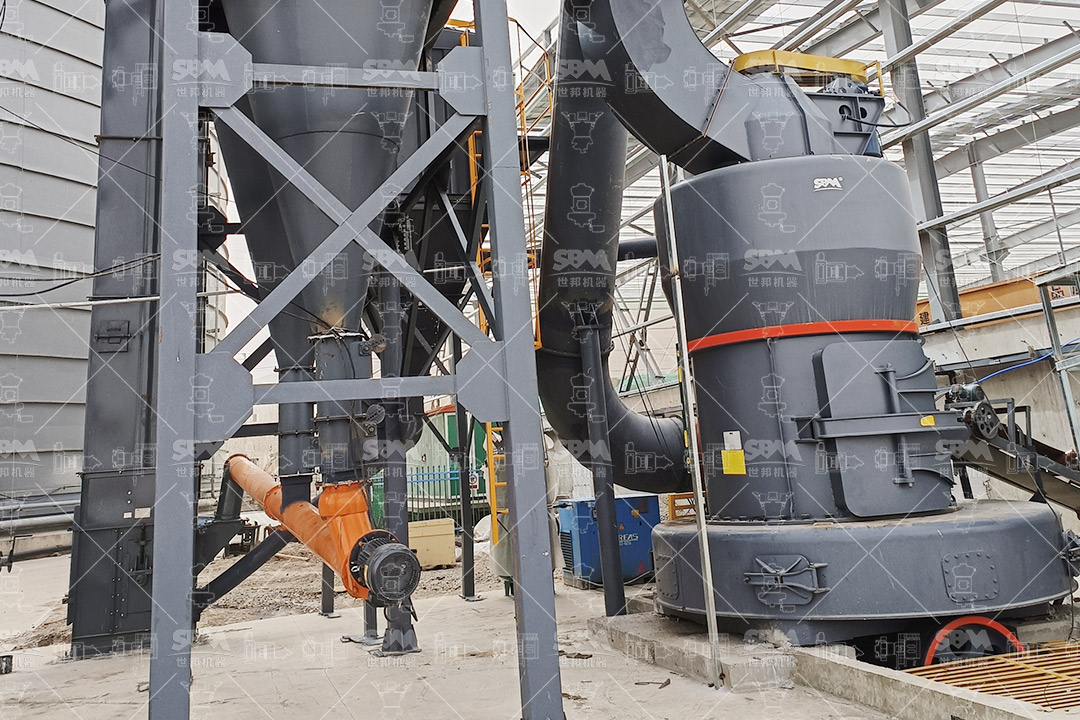
To consistently achieve the performance benefits outlined above, microsilica must be processed to a precise and uniform fineness. The choice of grinding equipment directly impacts the product’s reactivity, packing density, and overall quality. Two primary milling approaches are essential for serving different market needs: one for producing the finest, most reactive powders and another for high-volume processing of slightly coarser grades.
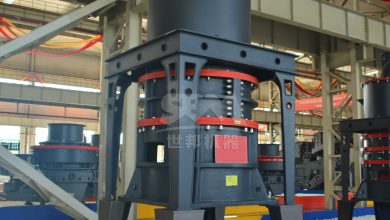
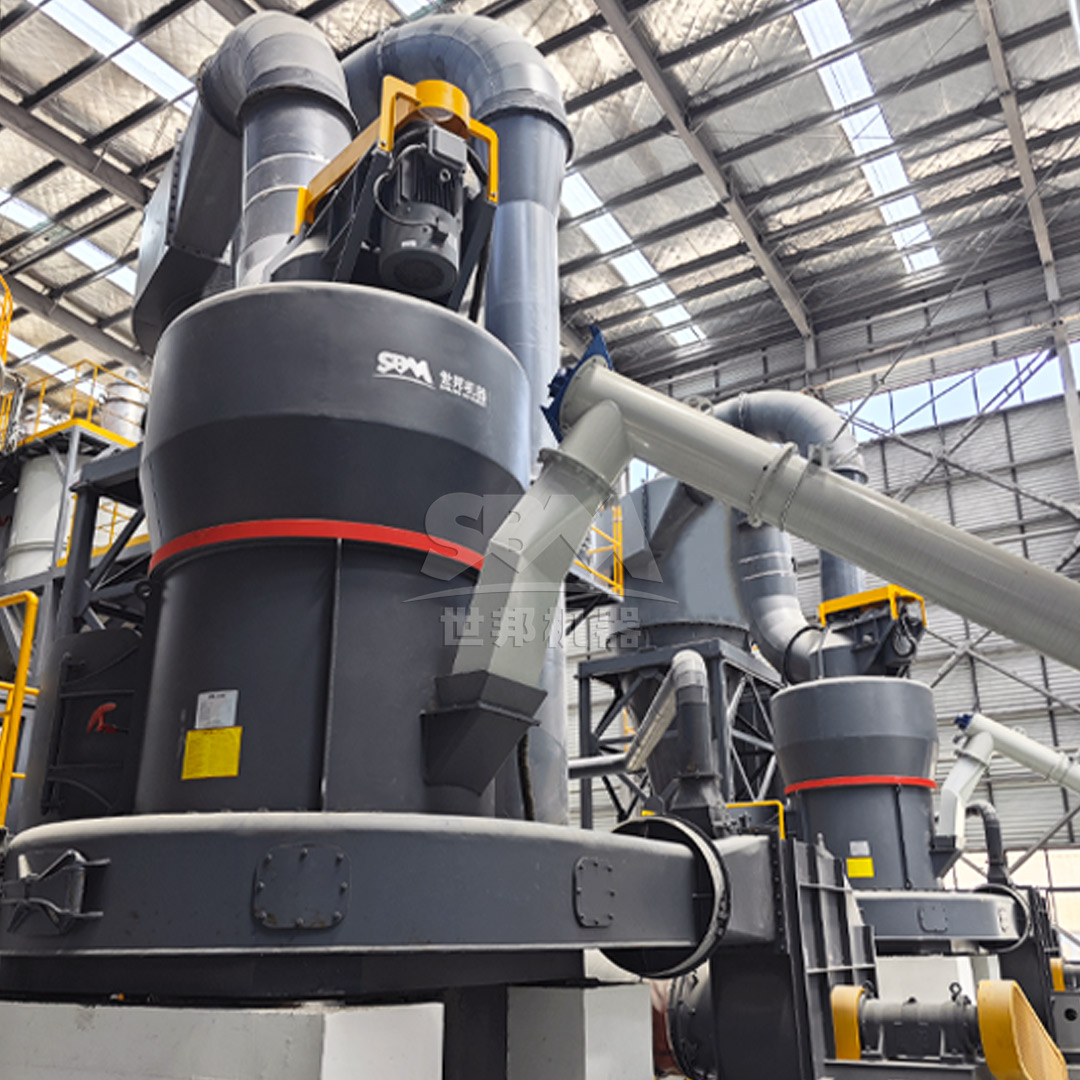
For producers aiming at the premium segment of the market, such as UHPC and advanced composites, an ultrafine grinding solution is non-negotiable. Our SCM Series Ultrafine Mill is engineered specifically for this task. Capable of achieving an output fineness between 325 and 2500 mesh (45-5μm), it produces microsilica with the extreme surface area required for maximum pozzolanic activity. Its high-precision vertical turbine classifier ensures a narrow particle size distribution with no coarse powder mixing, guaranteeing batch-to-batch consistency. Furthermore, its energy-efficient design and eco-friendly operation with pulse dust collection make it a sustainable choice for modern production facilities.
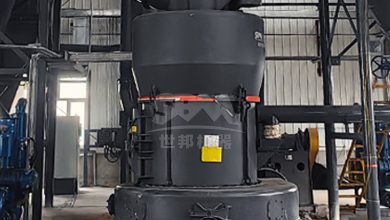
For large-scale production of microsilica for standard concrete applications or for initial size reduction, a robust and high-capacity mill is required. Our MTW Series European Trapezium Mill is perfectly suited for this role. Handling feed sizes up to 50mm and delivering outputs from 30 to 325 mesh (600-45μm) at capacities up to 45 tons per hour, it offers exceptional efficiency and reliability. Its wear-resistant design, featuring anti-wear shovels and a durable volute structure, ensures low operating costs and high availability, which is crucial for continuous industrial processing.
Conclusion
Microsilica has firmly established itself as a transformative material in construction and industry. Its ability to enhance strength, durability, and chemical resistance in concrete and other composites is well-documented and drives continuous demand. However, the full potential of microsilica can only be unlocked through consistent, high-quality processing. Investing in the right grinding technology—whether the ultra-fine precision of the SCM Series or the high-volume efficiency of the MTW Series—is the key to producing microsilica that meets the exacting standards of today’s advanced applications. As sustainability and material performance continue to be paramount, the synergy between high-quality microsilica and advanced processing equipment will remain a cornerstone of innovation in building and industrial materials.