Metallurgical Slag Grinding Equipment for Efficient Resource Utilization
Introduction: The Imperative of Slag Valorization
The global metallurgical industry generates vast quantities of slag as a by-product. Traditionally viewed as waste, these materials—including blast furnace slag, steel slag, and non-ferrous slags—represent a significant untapped resource. Efficient grinding is the critical first step in transforming slag into valuable products like supplementary cementitious materials (SCM), aggregates, and micronized fillers. The choice of grinding equipment directly dictates the efficiency, economic viability, and quality of the final product, making it the cornerstone of any successful slag valorization strategy.
Challenges in Metallurgical Slag Grinding
Grinding metallurgical slag presents unique technical hurdles that not all milling systems can overcome effectively.
1. High Abrasiveness and Hardness
Slag often contains hard, abrasive mineral phases (e.g., merwinite, bredigite). This leads to excessive wear on grinding media and liners, skyrocketing maintenance costs and downtime for unsuitable equipment.
2. Variable Feed Characteristics
Slag composition, moisture content, and feed size can fluctuate significantly based on the source metallurgical process. A robust grinding system must handle this variability without compromising product consistency or operational stability.
3. Precise Fineness and Particle Shape Requirements
High-value applications, particularly in cement replacement (e.g., GGBS), demand very fine powders (often >420 m²/kg Blaine) with a favorable particle size distribution (PSD). The grinding technology must deliver precise fineness control and often a spherical particle shape for optimal reactivity and workability.
4. Energy Intensity and Operational Costs
Communition is inherently energy-intensive. Outdated technologies like traditional ball mills can make slag processing economically unfeasible due to prohibitive power consumption.
Core Technologies for Advanced Slag Grinding
Modern grinding solutions have evolved to address these challenges through innovative design and process integration.
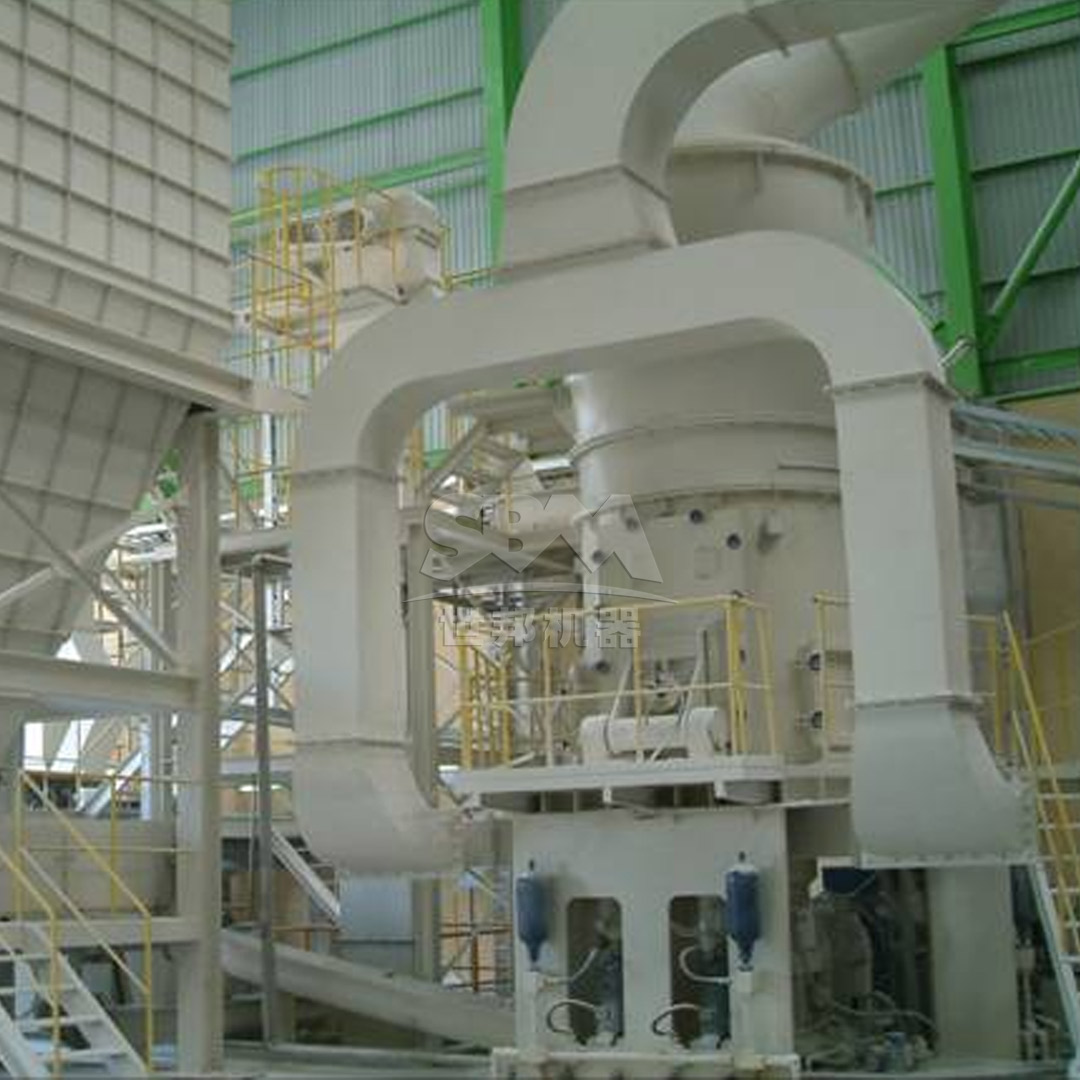
Vertical Roller Mill (VRM) Technology: The Industry Standard for High-Throughput
The Vertical Roller Mill has become the dominant technology for large-scale slag grinding, primarily for producing GGBS. Its advantages are systemic:
- Principle: Material is fed onto a rotating grinding table and crushed under hydraulically loaded rollers. The ground material is transported by air to an integrated classifier, where oversize particles are rejected back to the table.
- Key Advantages for Slag:
- High Energy Efficiency: Utilizes the efficient “bed grinding” principle, consuming 30-50% less energy than a ball mill for the same output.
- Excellent Drying Capacity: Hot gas can be introduced simultaneously with grinding, effectively handling slag with residual moisture.
- Compact Footprint: Integrates crushing, grinding, drying, and classification in a single unit, reducing plant layout space.
- Precise Product Control: Dynamic classifiers allow for real-time adjustment of product fineness.
Ultrafine Grinding Mills: Unlocking High-Value Applications
For producing ultra-fine slag powders (e.g., >600 m²/kg) used in high-performance concrete or as functional fillers, specialized ultrafine mills are required.
- Principle: These mills often employ multiple grinding rings and rollers/balls in a vertical arrangement, combined with highly precise turbo classifiers. They achieve micron and sub-micron fineness through intense mechanical force.
- Key Advantages:
- Exceptional Fineness: Capable of producing powders down to D97 ≤ 5μm (2500 mesh).
- Narrow Particle Size Distribution: Advanced classification ensures minimal oversize particles, enhancing product performance.
- High Product Uniformity: Consistent quality is critical for premium applications.
Recommended Solutions for Slag Processing
Selecting the right equipment depends on the target product, required capacity, and capital/operational expenditure considerations. Based on our extensive expertise, we highlight two flagship product lines ideally suited for the slag valorization chain.
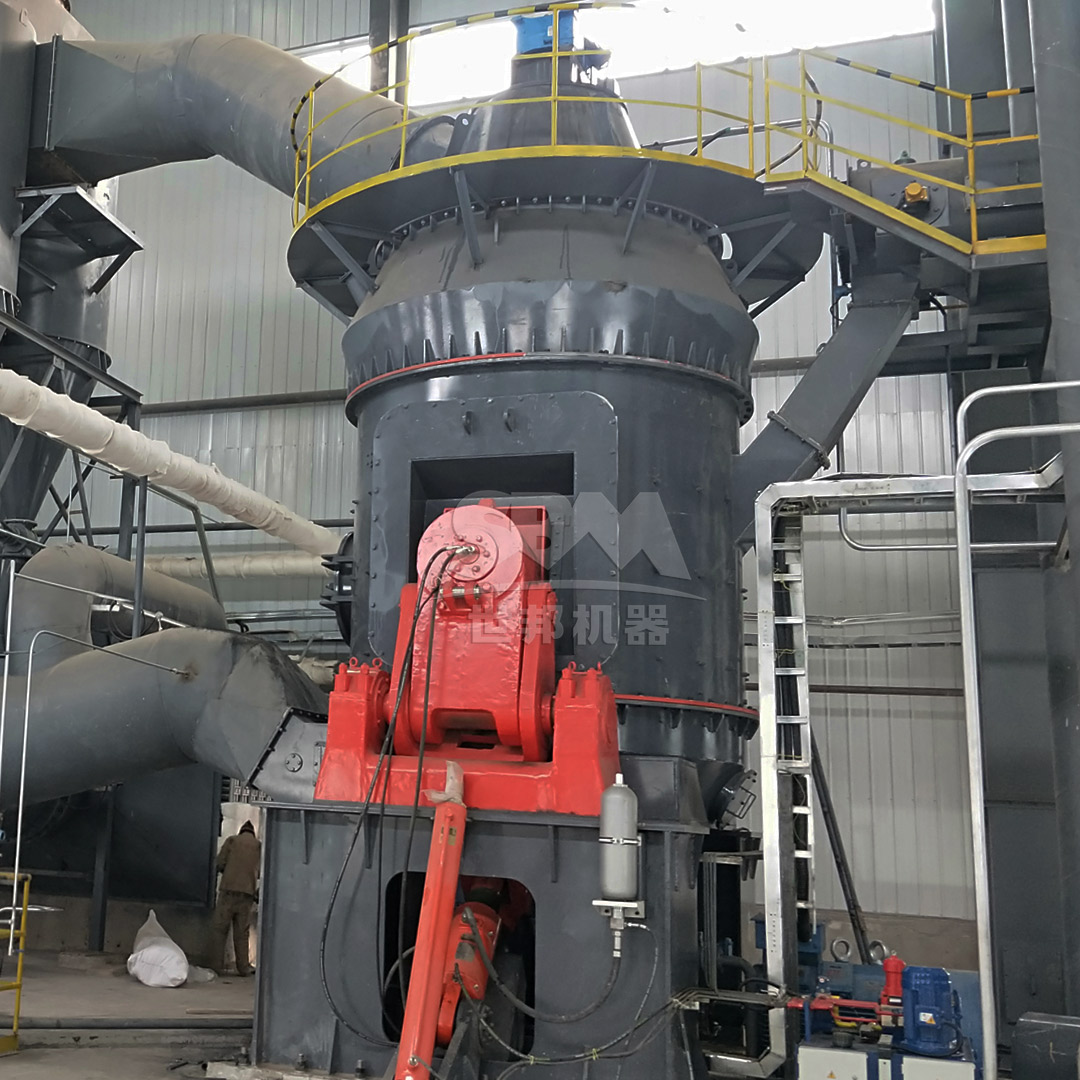
1. For High-Capacity Ground Granulated Blast Furnace Slag (GGBS) Production: LM Series Vertical Slag Mill
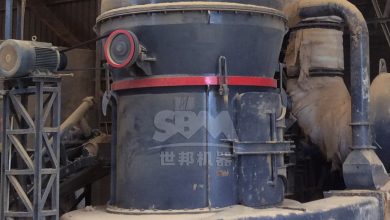
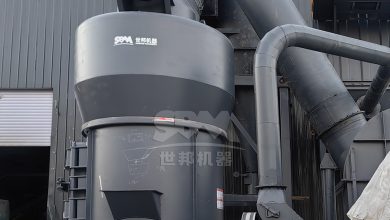
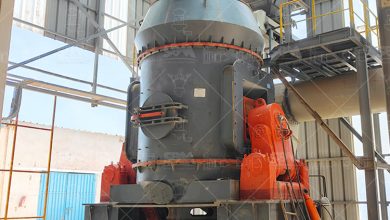
Our LM Series Vertical Slag Mill (e.g., LM220N, LM280N models) is engineered specifically for the demanding environment of slag grinding. It represents the optimal balance of high output, low operational cost, and reliability.
- Unmatched Efficiency: Its集约化设计 integrates multiple processes, reducing footprint by 50% and lowering energy consumption by 30-40% compared to traditional ball mill systems. The锥齿轮整体传动 achieves a remarkable 98% transmission efficiency.
- Superior Product Quality: The磨辊与磨盘非接触设计 and dynamic air classifier ensure a stable product with a specific surface area consistently ≥420 m²/kg, meeting the highest standards for GGBS.
- Built for Durability: Special wear-resistant materials for rollers and grinding tables, combined with an内吸式油润滑系统, extend service life by multiples and minimize maintenance interventions.
- Intelligent & Eco-Friendly: The expert级自动控制系统 allows for remote monitoring and optimization. The全密封负压运行 guarantees dust emissions <20mg/m³, while noise levels are kept below 80dB(A).
For any project aiming to produce 20 to over 100 tons per hour of high-quality GGBS, the LM Vertical Slag Mill is the definitive technological choice.
2. For Producing Ultra-Fine Slag Powder: SCM Series Ultrafine Mill
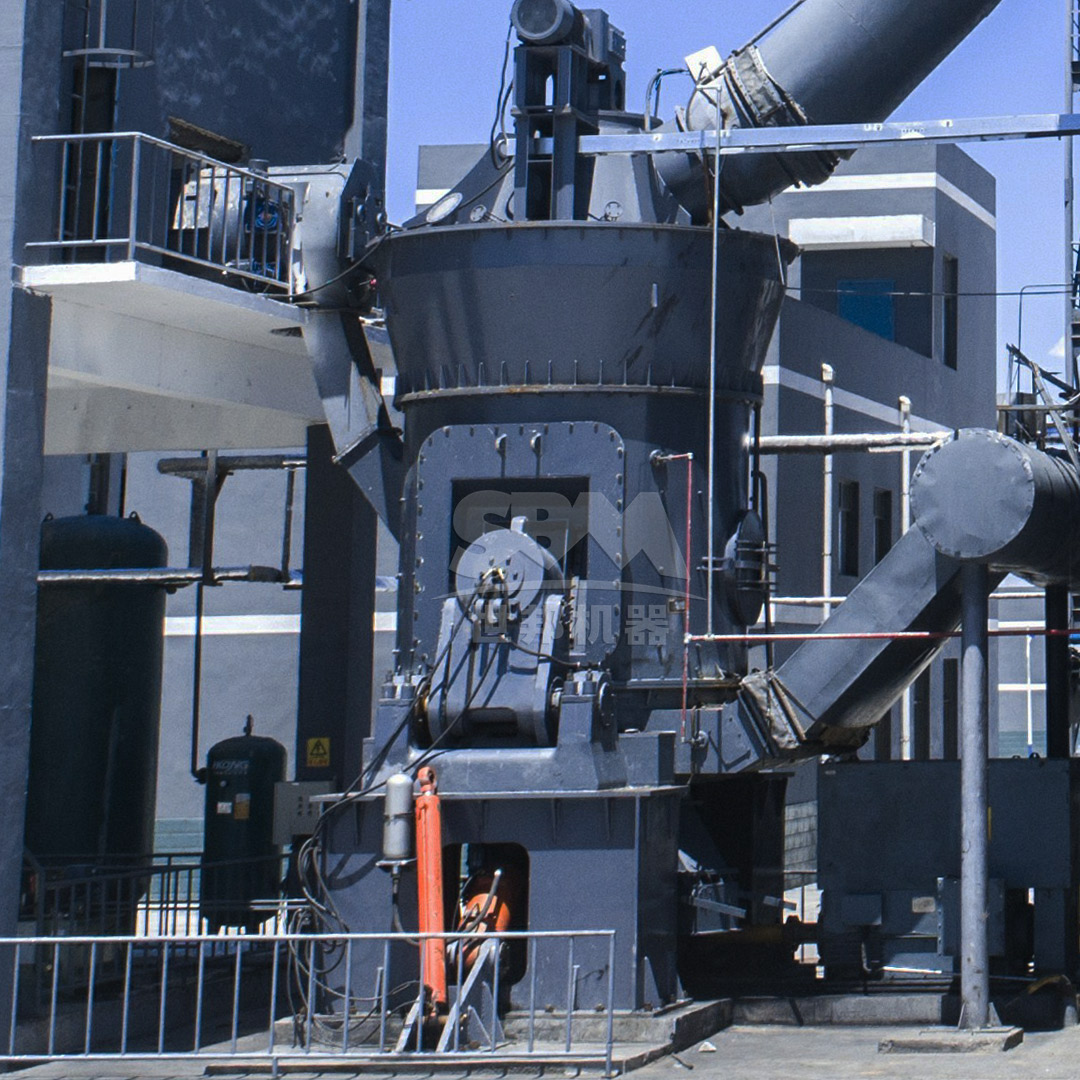
When the application demands extreme fineness—for advanced composites, specialty cements, or high-performance fillers—our SCM Ultrafine Mill is the ideal solution.
- Precision Grinding to Micron Level: Capable of producing powders in the range of 325 to 2500 mesh (45-5μm, D97), it opens doors to the highest-value market segments.
- Energy-Efficient Performance: Despite its ultra-fine output, the SCM mill is designed for efficiency, offering产能为气流磨2倍 while能耗降低30%. Its智能控制 system provides automatic feedback on product size.
- Exceptional Product Uniformity: The核心优势 of this mill lies in its高精度分级 system. The垂直涡轮分级器 delivers precise particle size cuts, ensuring成品均匀 with no coarse powder contamination.
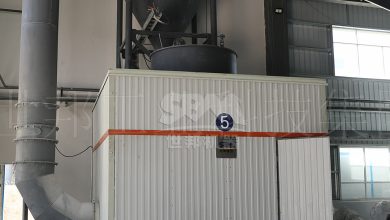
- Robust and Quiet Operation: Featuring特殊材质辊轮与磨环 for extended life and a无轴承螺杆研磨腔 for stability. Its环保低噪 design includes a pulse dust collector exceeding international standards and隔音室设计 for operation at ≤75dB.
Models like the SCM1250 (2.5-14 t/h) or SCM1680 (5-25 t/h) provide scalable solutions for profitable ultra-fine slag powder production.
System Integration and Best Practices
Optimal slag grinding extends beyond the mill itself. A holistic system approach is essential:
- Feed Preparation: Pre-crushing and drying (if necessary) to ensure consistent feed size and moisture (<15% for VRMs) is crucial for mill stability.
- Material Handling & Storage: Designing efficient conveying and homogenization systems for both raw slag and finished product.
- Dust Collection: Integrating high-efficiency baghouse filters or脉冲除尘技术 to meet stringent environmental regulations and recover product.
- Process Control: Implementing advanced PLC/SCADA systems to monitor key parameters (e.g., mill pressure, classifier speed, fan flow) for automated, optimal operation.
Conclusion: Investing in the Right Technology for a Sustainable Future
The transformation of metallurgical slag from an industrial waste burden into a valuable circular economy resource is both an environmental imperative and a significant economic opportunity. The pivotal factor in realizing this potential is the selection of advanced, purpose-built grinding equipment. Technologies like the Vertical Roller Mill for high-tonnage GGBS and the Ultrafine Mill for specialized powders are not merely machinery; they are the engines of resource efficiency. By investing in grinding systems that offer high energy efficiency, precise product control, low wear, and intelligent operation, producers can ensure the long-term economic and environmental sustainability of their slag valorization projects, contributing to greener construction materials and a more circular industrial ecosystem.