Manganese Slag Solid Waste Reuse: Complete Grinding Mill Solutions
Introduction: The Challenge and Opportunity of Manganese Slag
The global metallurgical industry generates vast quantities of manganese slag as a by-product of ferroalloy production. Traditionally considered a waste material requiring costly disposal, this slag possesses significant latent value. Rich in silicon, calcium, and residual manganese, processed manganese slag powder is a highly sought-after supplementary cementitious material (SCM) and a key ingredient in construction materials like autoclaved aerated concrete (AAC) blocks. The critical link between raw slag and high-value applications is efficient, controlled size reduction. This article explores the complete grinding solutions necessary to transform manganese slag from an environmental liability into a profitable resource, highlighting advanced milling technologies that ensure economic viability and product quality.
Grinding Requirements for Manganese Slag
Successfully processing manganese slag imposes specific demands on grinding equipment, distinct from ordinary mineral processing.
Key Material Characteristics:
- Abrasive Nature: The hard, glassy structure of granulated slag leads to high wear on grinding components.
- Target Fineness: For use as SCM, a high Blaine surface area (often >420 m²/kg) or a fine particle size (typically 325-600 mesh) is required to ensure pozzolanic reactivity.
- Moisture Sensitivity: While generally dry, some slag may contain moisture, requiring mill systems to handle slight variances without clogging.
- Production Scale: Projects range from pilot-scale recycling (5-10 t/h) to large-scale industrial operations (50-100+ t/h).
Therefore, the ideal grinding system must offer high wear resistance, precise particle size control, energy efficiency, and scalability.
Complete Grinding System Architecture
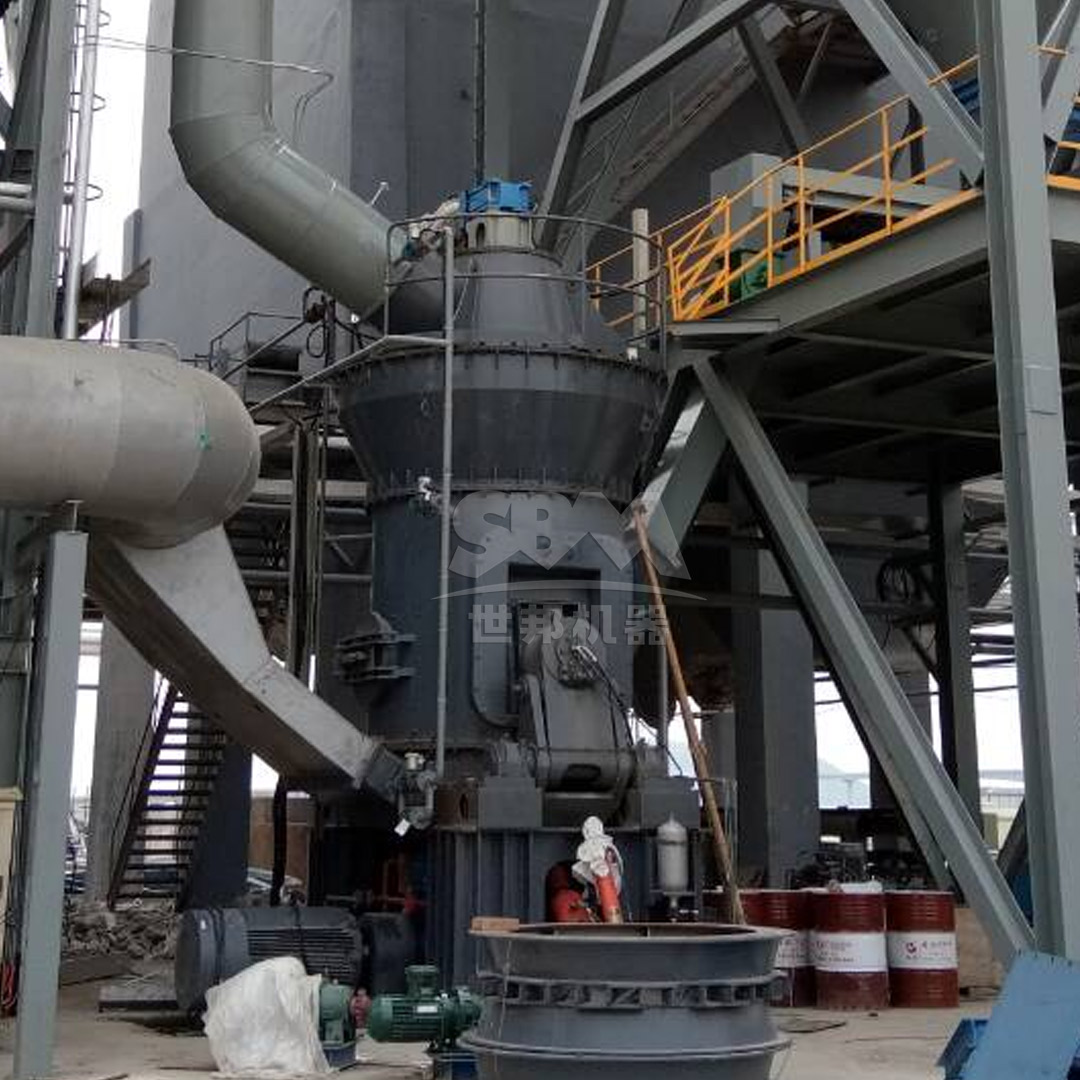
A holistic approach to slag grinding involves more than just a mill. A complete system ensures consistent feed, efficient grinding, accurate classification, and dust-free operation.
- Pre-Crushing & Feeding: Initial size reduction via jaw crushers or hammer mills to achieve a consistent feed size (typically ≤20mm or ≤50mm) for the main mill. Automated vibrating feeders ensure a steady, controlled flow.
- Core Grinding Mill: The heart of the system, where the bulk size reduction and fine grinding occur. The choice of mill technology is paramount.
- Dynamic Classification: Integrated or separate classifiers (e.g., turbo classifiers) continuously separate fine product from coarse material, which is recirculated. This ensures tight particle size distribution (PSD).
- Product Collection & Dedusting: Cyclone collectors and high-efficiency pulse-jet baghouse filters capture the final product while maintaining emissions well below environmental standards (e.g., <20 mg/m³).
- Automated Control System: PLC-based controls monitor key parameters (feed rate, motor load, temperature, pressure) to optimize throughput, fineness, and energy consumption.
Recommended Grinding Technologies for Manganese Slag
Based on the stringent requirements, two advanced milling technologies stand out as optimal solutions for manganese slag valorization.
1. Vertical Roller Mill (VRM) – The High-Capacity, Efficient Solution
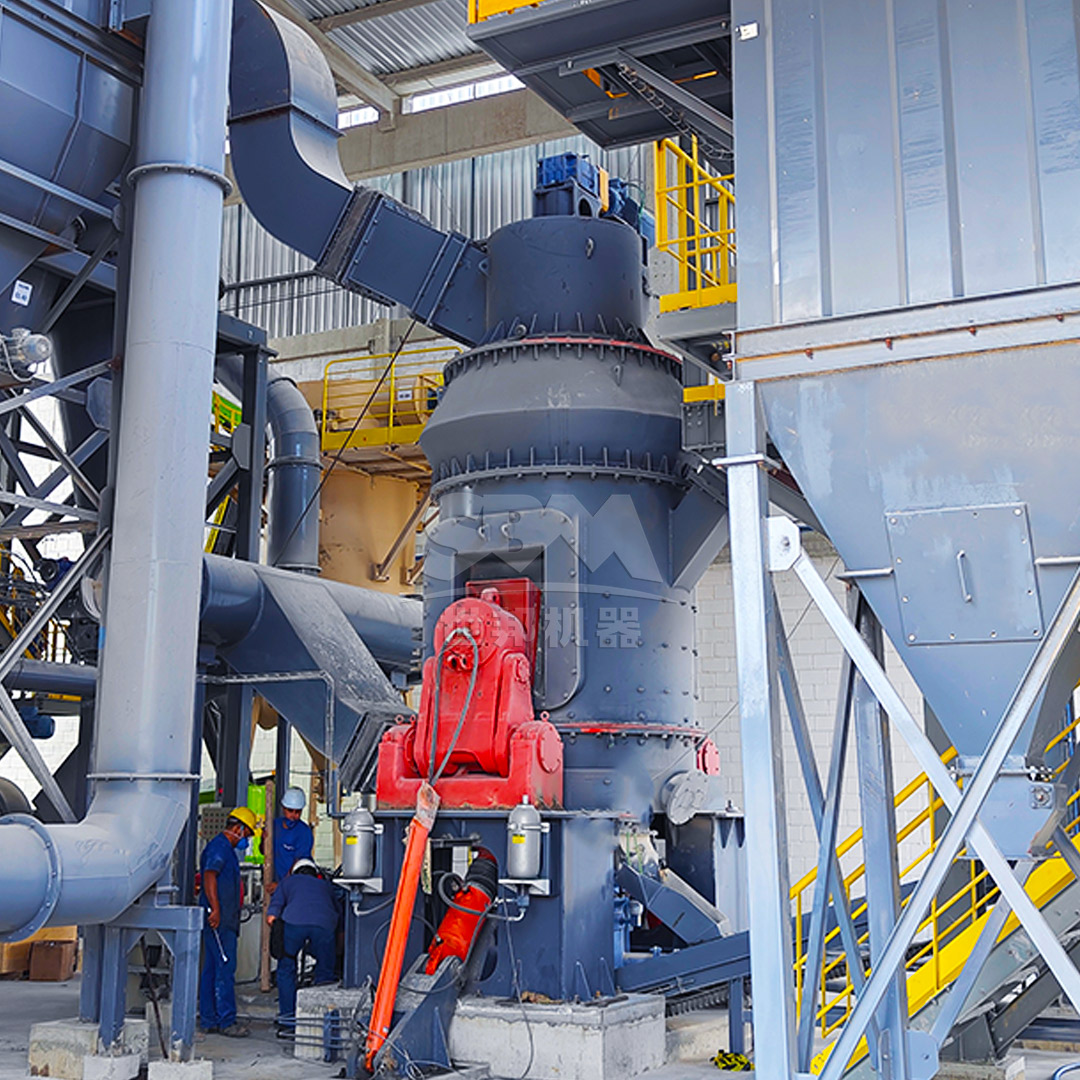
For medium to large-scale production (10-250 t/h), the Vertical Roller Mill (VRM) is the industry benchmark. Its working principle involves a rotating grinding table where feed material is ground under pressure by hydraulically loaded rollers. Hot gas (or air) flows upward, carrying the fine particles to an integrated dynamic classifier.
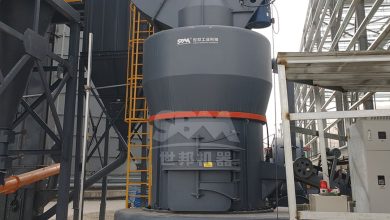
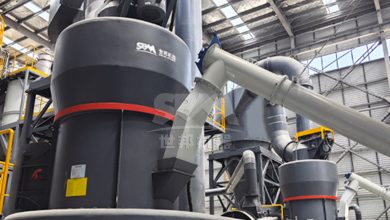
For manganese slag applications, we highly recommend our LM Series Vertical Roller Mill, specifically the Slag Mill (LM…N) configurations. This mill is engineered for the task:
- Superior Efficiency: The “material-bed” grinding principle consumes 30-40% less energy than traditional ball mills, drastically reducing operational costs.
- Exceptional Wear Resistance: Featuring a non-contact design between rollers and table liner and the use of special alloy materials, wear part life is extended by a factor of three, minimizing maintenance downtime and cost-per-ton.
- Integrated Process: It combines grinding, drying (if needed), classification, and conveying in a single compact unit, reducing plant footprint and civil costs by up to 50%.
- Precise Fineness Control: The high-efficiency classifier allows for flexible and stable control of product fineness, easily achieving the 420-500 m²/kg Blaine range critical for slag cement.
- Proven Models: Models like the LM220N (20-26 t/h for slag) or the LM280N (50-60 t/h for slag) are perfectly scaled for major recycling operations.
2. Ultrafine Mill – For High-Value, Superfine Products
When the target market requires ultra-fine manganese slag powder (2500 mesh / 5µm D97) for high-performance concrete or specialty chemicals, an ultrafine grinding system is essential.
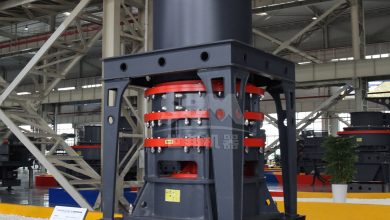
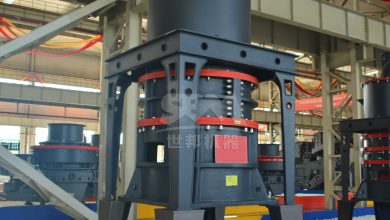
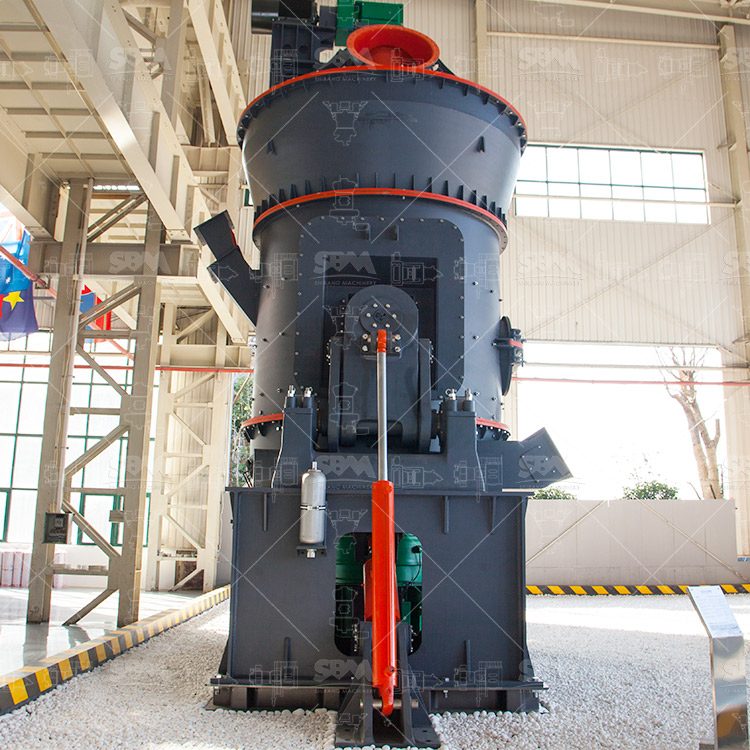
Our SCM Series Ultrafine Mill is the ideal technology for this premium application. It represents the pinnacle of fine and ultrafine grinding:
- Unmatched Fineness: Capable of producing powder in the range of 325-2500 mesh (45-5µm), enabling the highest reactivity grades for slag.
- High Precision Classification: Equipped with a vertical turbine classifier that ensures sharp particle size cuts and a uniform product with no coarse grit contamination.
- Energy Efficient Design: Its innovative grinding chamber and drive system offer twice the capacity of jet mills while reducing energy consumption by approximately 30%.
- Durable & Stable: The use of special material rollers and grinding rings, along with a bearing-less screw design in the grinding cavity, guarantees remarkable longevity and stable, vibration-free operation.
- Complete & Clean: The system comes with high-efficiency pulse dust collectors exceeding international standards and features soundproofing for quiet operation (≤75 dB). Models like the SCM1000 (1.0-8.5 t/h) provide excellent flexibility for specialized, high-value production lines.
System Selection and Economic Considerations
Choosing between a VRM and an Ultrafine Mill depends on the final product specification and business model.
| Criteria | LM Vertical Roller Mill (VRM) | SCM Ultrafine Mill |
|---|---|---|
| Primary Target | High-volume SCM for standard cement/concrete (Blaine >420 m²/kg) | Ultra-high value additives, specialty chemicals (D97 ≤ 5-10µm) |
| Typical Capacity | 10 – 250+ t/h | 0.5 – 25 t/h |
| Energy Profile | Very low kWh/ton for its fineness range | Highly efficient within the ultrafine spectrum |
| Capital Investment | Higher, but lower per-ton operating cost | Lower, ideal for niche/specialty markets |
| Best For | Large-scale slag recycling plants supplying the construction industry. | Producers targeting premium markets with ultra-fine, high-reactivity products. |
The return on investment (ROI) for both systems is compelling. By converting waste disposal costs into revenue from product sales, payback periods can be remarkably short, often within 2-4 years, depending on local market prices for slag powder and disposal fees.
Conclusion: Partnering for a Sustainable Future
The reuse of manganese slag through advanced grinding is a definitive step towards a circular economy in the metallurgical sector. It mitigates environmental impact, conserves natural resources, and creates new revenue streams. The success of such a venture hinges on selecting the right grinding technology—one that is robust, efficient, and capable of delivering a product that meets exacting market standards.
Our LM Series Vertical Roller Mills and SCM Series Ultrafine Mills provide a complete, proven technological portfolio to address the full spectrum of manganese slag processing needs, from bulk commodity to premium specialty powder. By leveraging these solutions, producers can confidently transform their slag management from a cost center into a profitable, sustainable pillar of their operations.