Manganese Processing Equipment for Lithium-ion Battery Production
Introduction to Manganese in Lithium-ion Batteries
The growing demand for high-performance lithium-ion batteries has positioned manganese as a critical material in the cathode chemistry. Manganese-based cathodes, particularly lithium manganese oxide (LMO) and nickel manganese cobalt (NMC) formulations, offer excellent thermal stability, enhanced safety profiles, and reduced production costs compared to cobalt-based alternatives. The processing of manganese compounds for battery applications requires specialized equipment capable of achieving precise particle size distributions, high purity levels, and consistent morphological characteristics to ensure optimal electrochemical performance.
Key Requirements for Manganese Processing in Battery Applications
Effective manganese processing for lithium-ion battery production demands equipment that can address several critical parameters:
Particle Size Control
Battery-grade manganese compounds require extremely fine and uniform particle sizes, typically in the range of 5-20 micrometers, with narrow size distributions. This ensures homogeneous mixing with other cathode materials and facilitates efficient lithium-ion diffusion during charge-discharge cycles. Equipment must provide precise classification capabilities to eliminate oversized particles that could compromise battery performance.
Contamination Prevention
Manganese processing equipment must maintain material purity by minimizing metallic contamination from wear parts. Even trace amounts of foreign metals can significantly degrade battery performance and cycle life. This necessitates the use of specialized wear-resistant materials and innovative mechanical designs that prevent material contact with potential contamination sources.
Energy Efficiency
With sustainability becoming increasingly important in battery manufacturing, energy-efficient processing equipment contributes to lower carbon footprints and reduced operational costs. Advanced milling technologies that minimize energy consumption while maintaining high throughput are essential for economically viable battery production.
Specialized Equipment for Manganese Processing
The transformation of raw manganese materials into battery-grade powders involves multiple processing stages, each requiring specific equipment configurations.
Primary Crushing and Coarse Grinding
Initial size reduction of manganese ores or intermediate compounds typically employs robust crushing equipment capable of handling varying feed sizes. Hammer mills and jaw crushers provide the first stage of size reduction, bringing materials to manageable dimensions for subsequent fine grinding operations.
Fine and Ultrafine Grinding Solutions
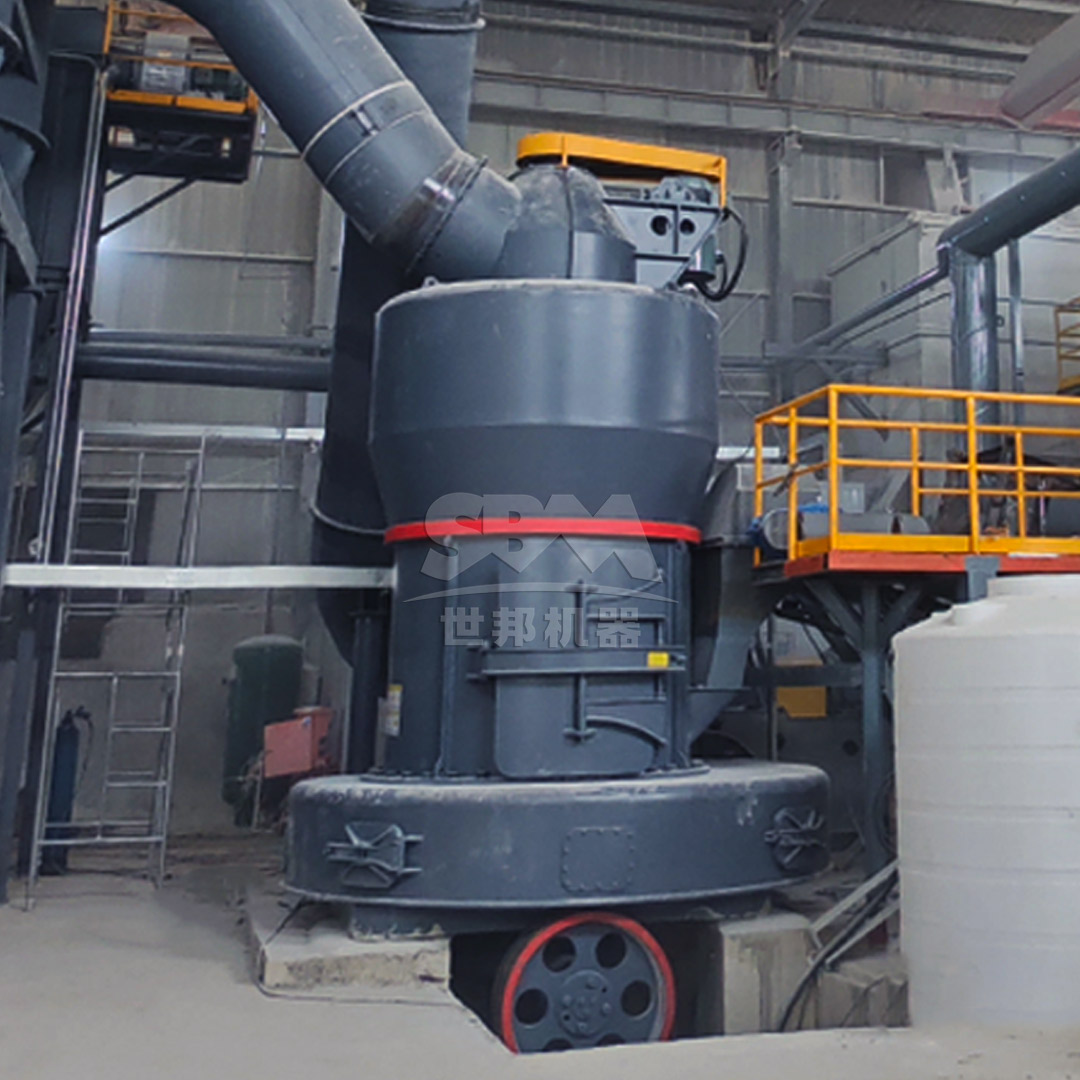
For battery applications, achieving the required fineness represents the most critical processing stage. Conventional ball mills, while capable of fine grinding, often struggle to achieve the narrow particle size distributions required for optimal battery performance. Advanced grinding technologies have emerged to address these limitations.
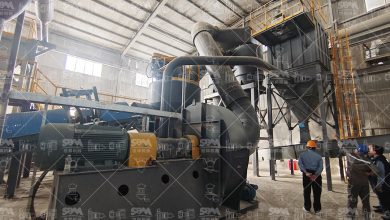
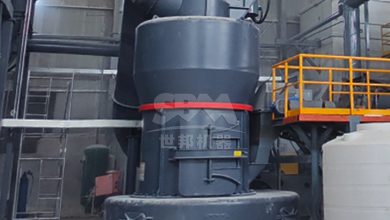
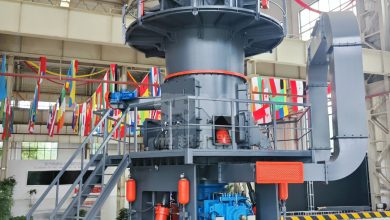
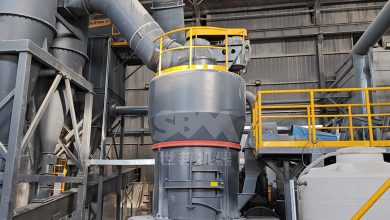
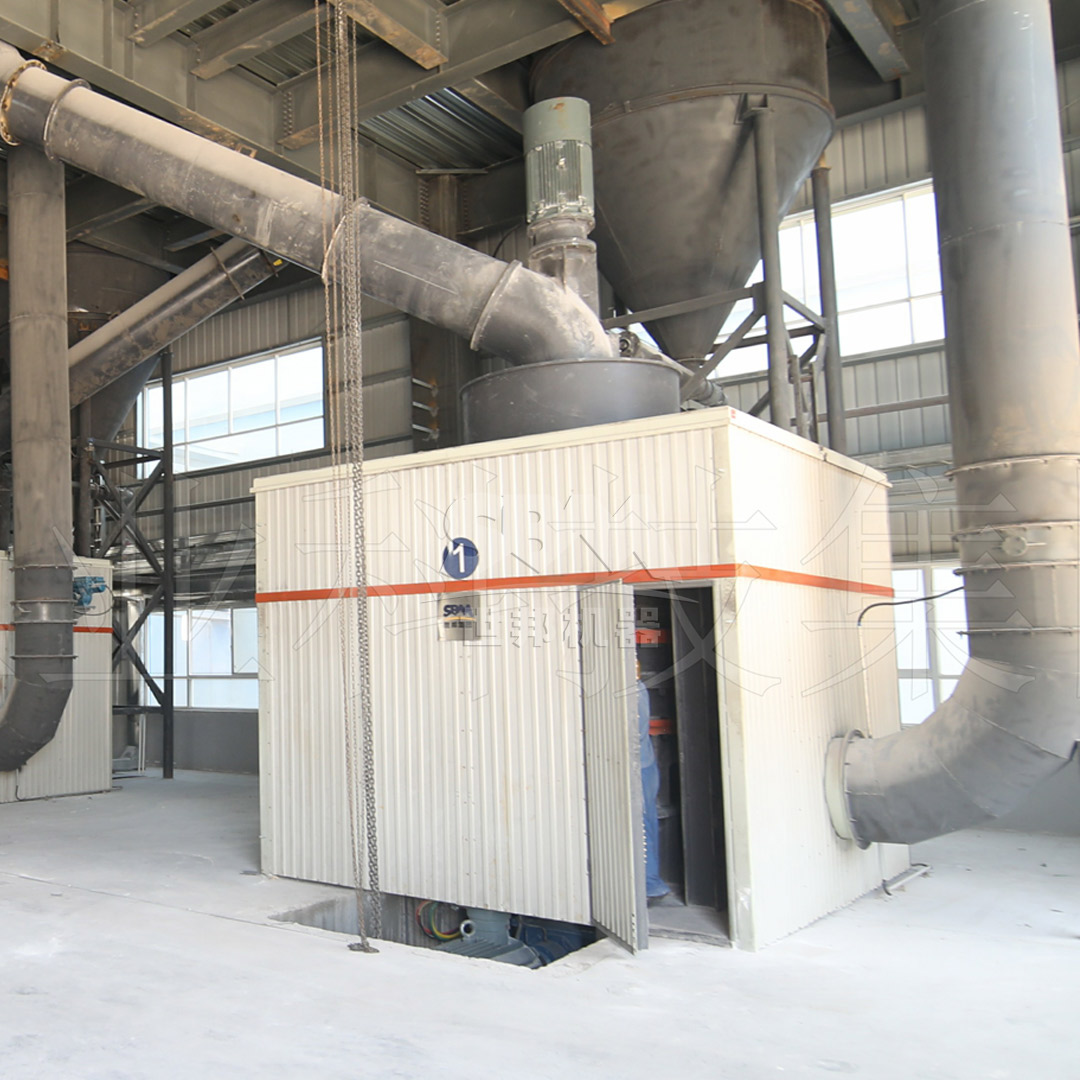
SCM Series Ultrafine Mill: Advanced Solution for Battery-Grade Manganese
Our SCM Series Ultrafine Mill represents a technological breakthrough in manganese processing for lithium-ion battery production. Specifically engineered to meet the stringent requirements of battery material manufacturing, this equipment delivers unparalleled performance in producing high-purity, precisely controlled manganese powders.
Technical Superiority for Battery Applications
The SCM Ultrafine Mill incorporates several innovative features that make it ideally suited for manganese processing:
Precision Particle Control: With an output fineness range of 325-2500 mesh (D97≤5μm), the SCM mill exceeds the requirements for battery-grade manganese powders. The integrated vertical turbine classifier ensures precise particle size切割, eliminating coarse particle contamination that could compromise battery performance.
Contamination-Free Operation: The unique bearing-free screw grinding chamber design prevents lubricant contamination, while specialized material compositions for rollers and grinding rings minimize metallic wear debris. This ensures the high purity levels essential for long battery cycle life.
Energy Efficiency: Operating at 30% lower energy consumption compared to conventional jet mills while delivering twice the production capacity, the SCM series significantly reduces the environmental footprint and operational costs of manganese processing.
Operational Benefits in Battery Material Production
Beyond its technical specifications, the SCM Ultrafine Mill offers practical advantages that enhance production efficiency:
Intelligent Control System: Automated feedback control maintains consistent product fineness despite variations in feed material characteristics. This stability is crucial for maintaining consistent battery performance across production batches.
Environmental Compliance: With pulse dust collection efficiency exceeding international standards and noise levels below 75dB, the equipment supports sustainable manufacturing practices while ensuring worker comfort and safety.
Scalable Production: Available in multiple configurations with capacities ranging from 0.5 to 25 tons per hour, the SCM series accommodates varying production requirements from pilot-scale development to full commercial manufacturing.
MTW Series Trapezium Mill: Intermediate Grinding Solution
For applications requiring slightly coarser manganese powders or as a pre-grinding stage before ultrafine processing, our MTW Series Trapezium Mill offers an efficient and reliable solution. With output fineness ranging from 30-325 mesh and capacities up to 45 tons per hour, this equipment bridges the gap between primary crushing and final ultrafine grinding.
Technical Features
The MTW Series incorporates several advanced design elements that enhance its suitability for manganese processing:
Anti-Wear Shovel Design: Combined shovel segments reduce maintenance costs while curved surface design extends roller service life, critical for processing abrasive manganese materials.
Optimized Air Flow Path: The curved air channel design minimizes energy loss while improving material transport efficiency, contributing to overall energy savings.
Integrated Bevel Gear Transmission: Achieving 98% transmission efficiency, this design reduces space requirements and installation complexity while enhancing operational reliability.
Processing Workflow for Battery-Grade Manganese
A typical manganese processing line for lithium-ion battery production integrates multiple equipment types in a coordinated workflow:
Stage 1: Raw Material Preparation
Manganese ores or intermediate compounds undergo initial crushing to reduce particle size to manageable dimensions. This stage typically employs jaw crushers or hammer mills capable of handling the hardness and abrasiveness of manganese materials.
Stage 2: Intermediate Grinding
The crushed material progresses to intermediate grinding equipment, such as the MTW Series Trapezium Mill, which reduces particle size to the 30-100 mesh range. This stage prepares the material for final ultrafine grinding while removing impurities through classification systems.
Stage 3: Ultrafine Grinding and Classification
The critical final stage employs the SCM Ultrafine Mill to achieve battery-grade fineness. The integrated classification system ensures precise particle size control, while the closed-system design maintains material purity throughout the process.
Stage 4: Product Collection and Packaging
Final manganese powders are collected through advanced cyclone separators and pulse dust collection systems that maximize product recovery while ensuring environmental compliance. Automated packaging systems maintain product integrity during storage and transportation.

Quality Control and Performance Validation
Ensuring consistent quality in manganese powders requires comprehensive testing and validation protocols. Key parameters monitored throughout the processing include:
Particle Size Distribution
Laser diffraction analysis verifies that particle size distributions meet specification limits, with particular attention to eliminating oversized particles that could negatively impact battery performance.
Morphological Characteristics
Scanning electron microscopy examines particle shape and surface characteristics, which influence powder packing density and electrode manufacturing properties.
Chemical Purity
Inductively coupled plasma spectroscopy detects trace metallic impurities that could catalyze undesirable side reactions in battery cells.
Electrochemical Performance
Laboratory-scale battery cells incorporating processed manganese materials undergo cycling tests to validate electrochemical performance under realistic operating conditions.
Future Trends in Manganese Processing for Battery Applications
The evolving requirements of lithium-ion battery technology continue to drive innovations in manganese processing equipment. Emerging trends include:
Integrated Processing Systems
Equipment manufacturers are developing integrated systems that combine multiple processing stages into single, streamlined units, reducing footprint and improving process control.
Advanced Process Control
Artificial intelligence and machine learning algorithms are being incorporated into grinding equipment to optimize operational parameters in real-time, adapting to variations in feed material characteristics.
Sustainability Enhancements
Energy recovery systems and water-free processing methods are under development to further reduce the environmental impact of manganese processing for battery applications.
Conclusion
The production of high-quality manganese materials for lithium-ion batteries demands specialized processing equipment capable of delivering precise particle size control, high purity levels, and consistent performance. Our SCM Series Ultrafine Mill, with its advanced classification technology, contamination-free design, and energy-efficient operation, represents an optimal solution for battery manufacturers seeking to enhance their manganese processing capabilities. As the demand for high-performance batteries continues to grow, investments in advanced processing equipment will play an increasingly critical role in determining manufacturing efficiency, product quality, and competitive positioning in the global battery market.