Magnesium Oxide Acid Leaching Process: A Comprehensive Guide
1. Introduction
Magnesium oxide (MgO), a versatile and industrially significant compound, is primarily extracted from magnesite (MgCO3), brucite (Mg(OH)2), or seawater/brine. While calcination (thermal decomposition) is the traditional route to produce MgO, acid leaching has emerged as a critical hydrometallurgical process for treating low-grade ores, recovering magnesium from secondary sources, or producing high-purity magnesium salts. This guide provides a detailed examination of the magnesium oxide acid leaching process, covering its principles, key stages, operational parameters, and technological considerations for optimizing efficiency and product quality.
2. Process Fundamentals and Chemistry
The core principle of acid leaching involves the dissolution of magnesium oxide or magnesium-bearing minerals in an acidic medium. The choice of acid is pivotal and depends on the desired end product (e.g., magnesium chloride, sulfate, or nitrate) and economic factors.
2.1 Primary Leaching Reactions
- With Hydrochloric Acid (HCl): MgO + 2HCl → MgCl2 + H2O. This is common for producing magnesium chloride hexahydrate, a precursor for magnesium metal or synthetic magnesia.
- With Sulfuric Acid (H2SO4): MgO + H2SO4 → MgSO4 + H2O. This route yields magnesium sulfate (Epsom salt), widely used in agriculture and chemicals.
- With Nitric Acid (HNO3): MgO + 2HNO3 → Mg(NO3)2 + H2O, used in specialty fertilizers and catalysts.
The reaction is exothermic and proceeds rapidly with high-purity, reactive MgO. For natural ores, the process also dissolves associated impurities like calcium, iron, and aluminum, necessitating subsequent purification steps.
2.2 Key Process Parameters
- Acid Concentration & Stoichiometry: Typically, a slight excess of acid (5-10%) is used to ensure complete dissolution and control pH.
- Solid-to-Liquid Ratio: Optimized to balance leaching efficiency, slurry viscosity, and downstream handling.
- Temperature: Elevated temperatures (60-90°C) significantly enhance reaction kinetics and final extraction yield.
- Reaction Time & Agitation: Sufficient residence time in a well-agitated reactor ensures uniform contact and complete reaction.
3. The Acid Leaching Process Flow
A typical industrial acid leaching circuit for MgO involves several integrated stages.
3.1 Pre-Treatment: Ore Preparation
The efficiency of leaching is profoundly influenced by the surface area of the feed material. Raw ore must be crushed and ground to a specific fineness to liberate magnesium-bearing minerals and maximize contact with the acid. The target particle size is a critical variable; finer particles leach faster but may create filtration challenges later.
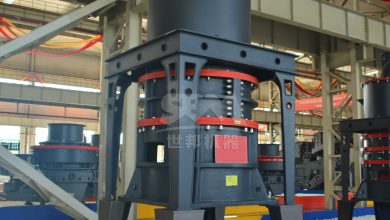
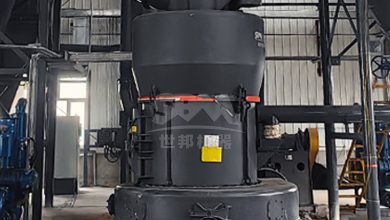
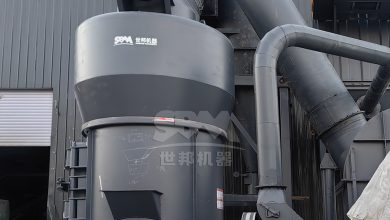
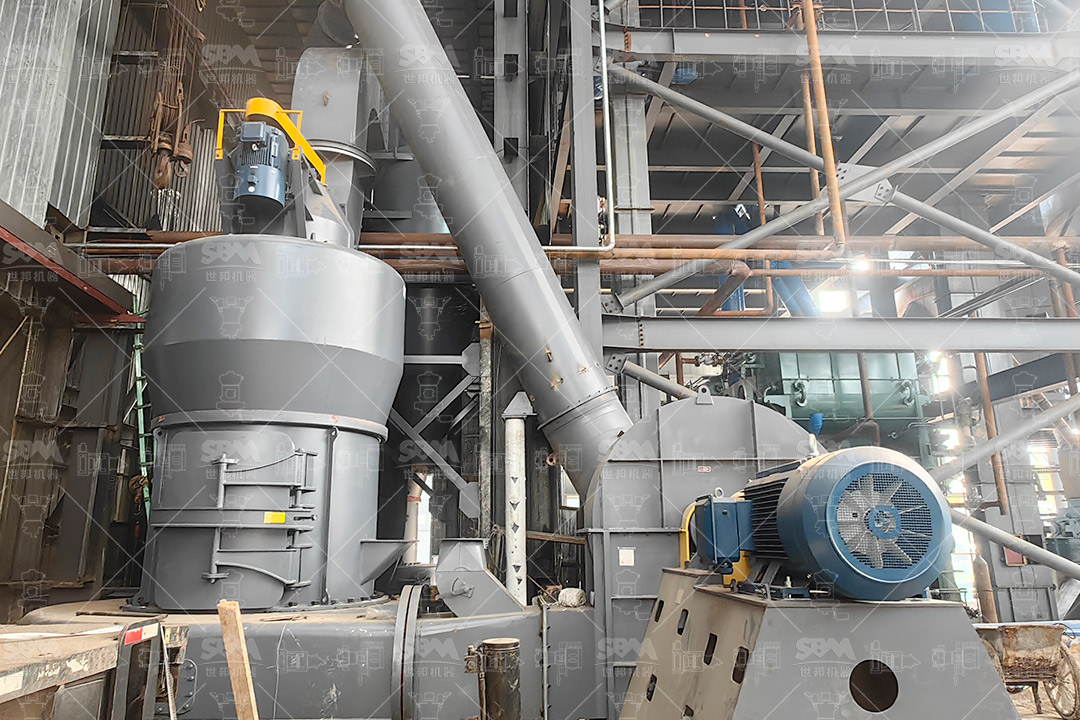
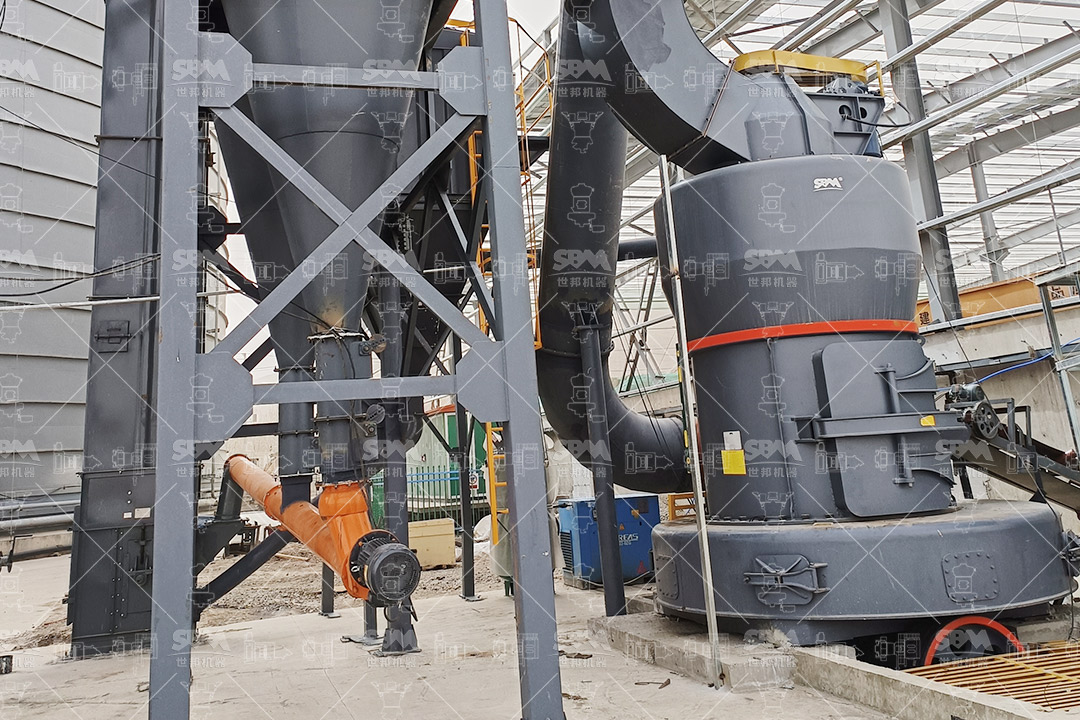
For this preparatory grinding stage, our MTW Series European Trapezium Mill is an exemplary solution. Engineered for high-capacity, medium-fine grinding (output range: 30-325 mesh / 600-45μm), it handles feed sizes up to 50mm with remarkable efficiency. Its integral bevel gear drive (98% transmission efficiency) and wear-resistant volute structure ensure low operating costs and high availability, making it ideal for preparing a consistent feed for the leaching reactors. Models like the MTW215G can process up to 45 tons per hour, providing the throughput needed for large-scale operations.
3.2 Leaching Reaction
Prepared ore is fed into corrosion-resistant reactors (often lined with rubber, PP, or FRP). Acid is metered in under controlled conditions. Temperature, pH, and ORP (Oxidation-Reduction Potential) are continuously monitored. The exothermic nature of the reaction often requires cooling systems to maintain optimal temperature.
3.3 Solid-Liquid Separation
After leaching, the slurry contains a pregnant leach solution (PLS) rich in magnesium salts and undissolved solids (gangue). Separation is achieved via thickeners, followed by filtration (using filter presses or vacuum belt filters) to yield a clear PLS.
3.4 Solution Purification
The PLS contains co-dissolved impurities (Fe, Al, Si, Ca). Purification steps include:
• pH Adjustment: Precipitating iron and aluminum as hydroxides.
• Solvent Extraction or Ion Exchange: For selective removal of specific cations.
• Crystallization: For producing pure magnesium salt crystals, evaporation and cooling crystallizers are used.
3.5 MgO Regeneration (Calcination)
To convert the purified magnesium salt back to MgO, a thermal decomposition step is required. For example, magnesium chloride hexahydrate is dehydrated and then calcined at high temperatures (~700-1000°C) in a chlorine atmosphere to produce reactive magnesium oxide and recover HCl.
MgCl2·6H2O → MgO + 2HCl + 5H2O.
The regenerated acid can be recycled to the leaching stage, improving process economics.
4. Critical Considerations for Process Optimization
4.1 Impurity Management
The “silica problem” is prevalent. Silica can form gelatinous precipitates during leaching, complicating filtration. Pre-leaching beneficiation or controlled leaching conditions are employed to mitigate this.
4.2 Acid Recovery & Recycling
Economic viability heavily relies on efficient acid recovery from the calcination off-gas (for HCl) or through by-product crystallization (e.g., recovering HNO3).
4.3 Waste Management
The inert solid residue (tailings) from filtration must be disposed of responsibly, often in lined ponds. Neutralization of any waste streams is essential for environmental compliance.
5. The Role of Advanced Milling in Leaching Efficiency
As highlighted in the pre-treatment stage, the physical liberation of the target mineral is paramount. Moving beyond initial crushing, achieving a uniformly fine and reactive feed powder directly increases leaching kinetics, reduces acid consumption, and improves overall yield.
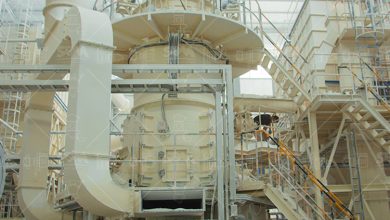
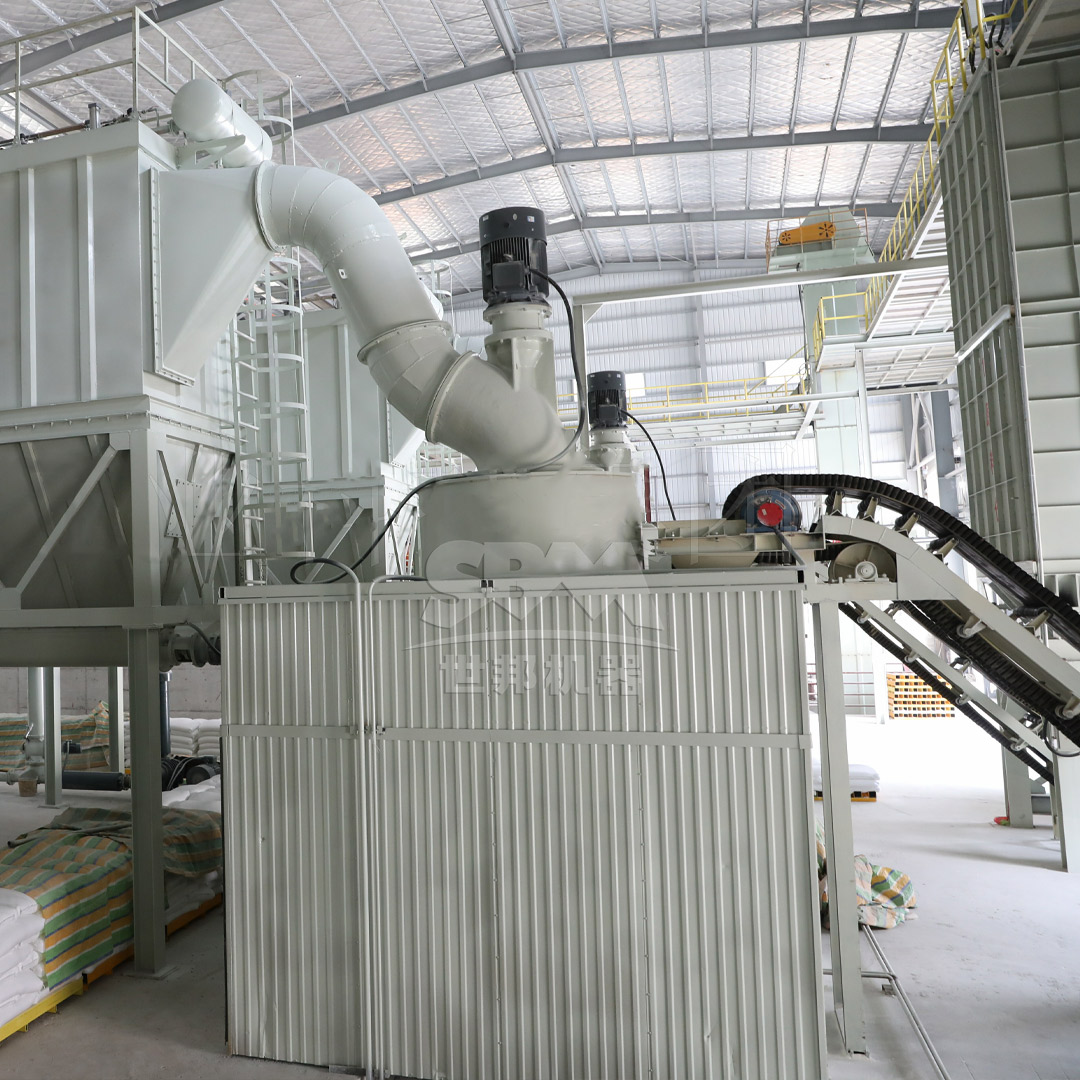
For operations targeting very high purity or dealing with refractory ores where ultra-fine particle size is beneficial, our SCM Series Ultrafine Mill is the technology of choice. Capable of producing powders from 325 to 2500 mesh (45-5μm), it creates an enormous surface area for acid attack. Its high-precision vertical turbine classifier ensures no coarse particles are mixed into the final product, guaranteeing uniformity. Furthermore, its energy-efficient design (30% lower consumption than jet mills) and eco-friendly, low-noise operation make it a sustainable and cost-effective solution for advanced mineral processing plants aiming to maximize recovery from their leaching circuits.
6. Conclusion
The acid leaching process for magnesium oxide is a sophisticated and flexible hydrometallurgical pathway, enabling the economic processing of diverse magnesium sources. Its success hinges on a deep understanding of reaction chemistry, meticulous control of operational parameters, and robust impurity management. Crucially, the integration of high-performance size reduction technology at the front end—such as the MTW Series Mill for feed preparation or the SCM Ultrafine Mill for advanced liberation—serves as a foundational lever for enhancing leaching efficiency, reducing operational costs, and ensuring the consistent quality of the final magnesium product. By adopting a holistic approach that combines optimized leaching protocols with state-of-the-art grinding equipment, producers can achieve superior technical and economic outcomes in magnesium extraction.