LM Vertical Mill Boosts 90 TPH Calcium Carbonate Production Line with Significant Output and Efficiency Gains
Introduction: Revolutionizing Calcium Carbonate Processing
The calcium carbonate industry has witnessed a significant transformation in recent years, driven by the demand for higher production capacities, improved energy efficiency, and superior product quality. Achieving a consistent 90 tons per hour (TPH) output while maintaining precise particle size control has become a benchmark for modern production facilities. This article explores how advanced vertical mill technology, specifically the LM series vertical roller mill, has enabled calcium carbonate producers to reach new levels of productivity and operational efficiency.
The Challenge: High-Volume Production with Precision Control
Traditional calcium carbonate processing systems often struggle to balance high throughput with fine particle size requirements. Ball mills, while capable of handling large volumes, typically consume excessive energy and produce broad particle size distributions. Earlier generation vertical mills faced limitations in maintaining consistent product quality at elevated production rates. The industry needed a solution that could deliver 90 TPH of high-purity calcium carbonate powder with D97 fineness ranging from 325 to 600 mesh while reducing operational costs.
LM Vertical Mill: Engineering Excellence for Calcium Carbonate
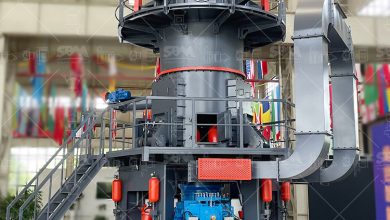
The LM series vertical roller mill represents a technological leap in mineral processing equipment. Designed specifically for high-capacity fine powder production, this mill incorporates several innovative features that make it ideally suited for large-scale calcium carbonate operations.
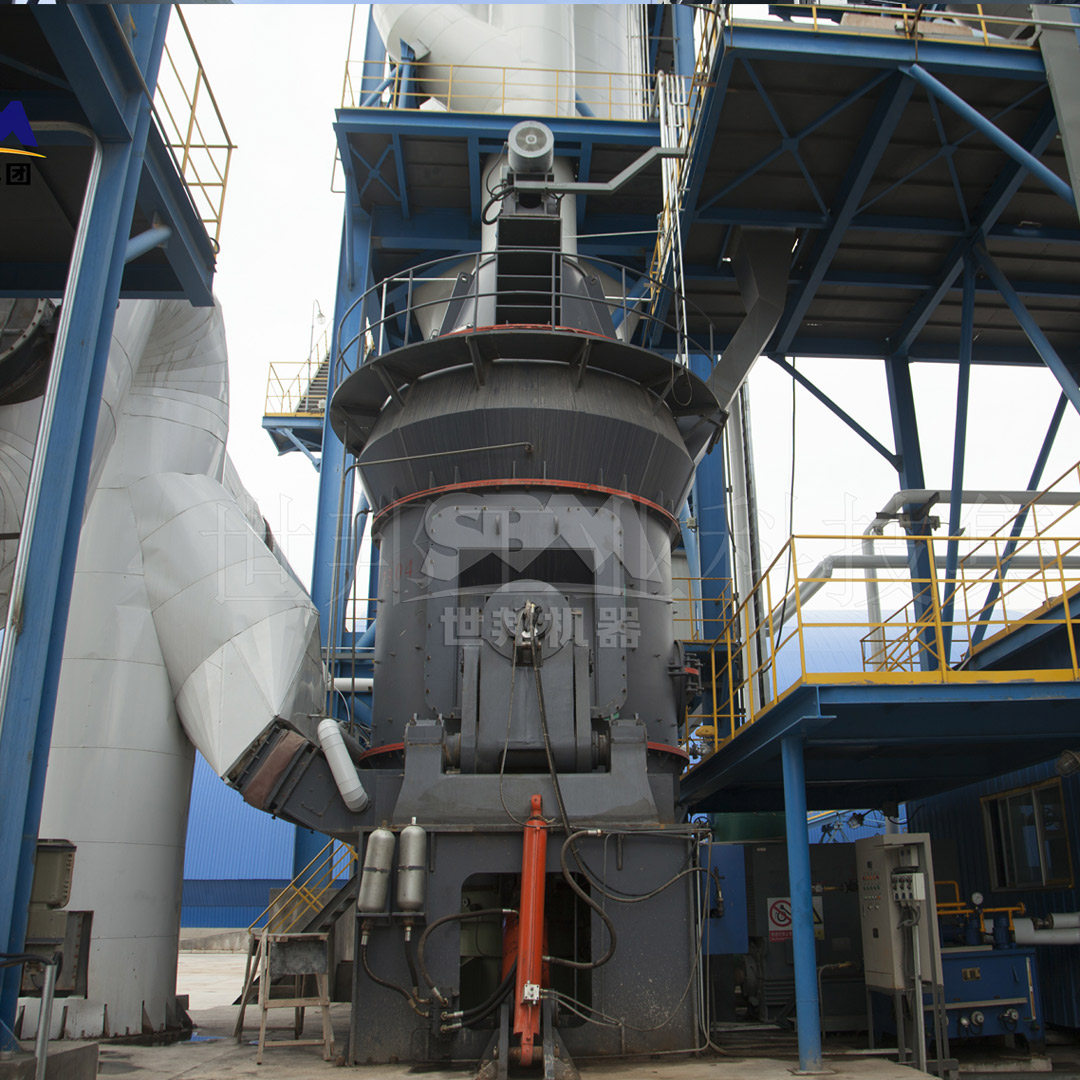
Advanced Grinding Mechanism
At the heart of the LM vertical mill’s performance is its unique grinding mechanism. The system utilizes a rotating grinding table with hydraulically operated grinding rollers that apply precise pressure to the material bed. This creates an efficient inter-particle comminution process that minimizes energy consumption while maximizing throughput. For calcium carbonate applications, this translates to superior particle size distribution control with significantly lower specific energy consumption compared to traditional ball mills.
Integrated Drying and Classification
Unlike conventional systems that require separate drying and classification equipment, the LM vertical mill integrates these functions into a single compact unit. Hot gas introduced at the base of the mill simultaneously dries the feed material and transports the ground product to the integrated high-efficiency classifier. This integrated approach eliminates the need for separate drying equipment, reducing both capital investment and plant footprint.
Case Study: 90 TPH Calcium Carbonate Production Line
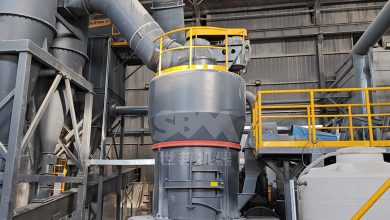
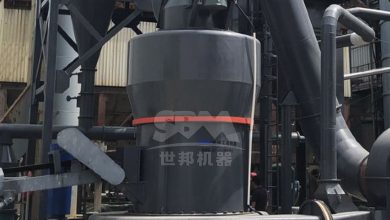
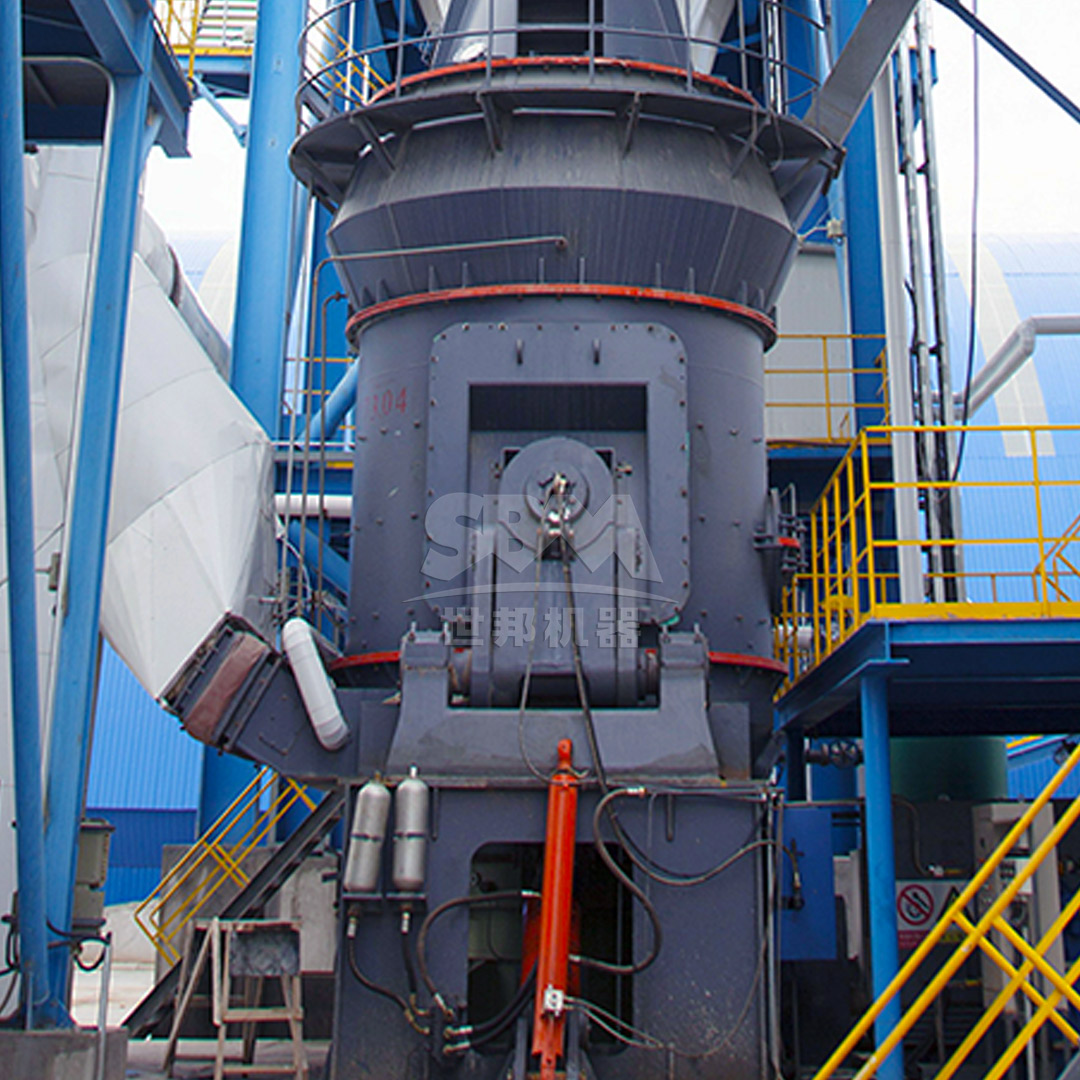
A recent installation featuring an LM220K vertical mill demonstrates the capabilities of this technology in real-world conditions. The production line was designed to process limestone with a feed size of ≤50mm and produce 90 TPH of ground calcium carbonate with a fineness of 400 mesh.
System Configuration
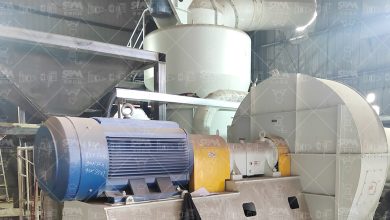
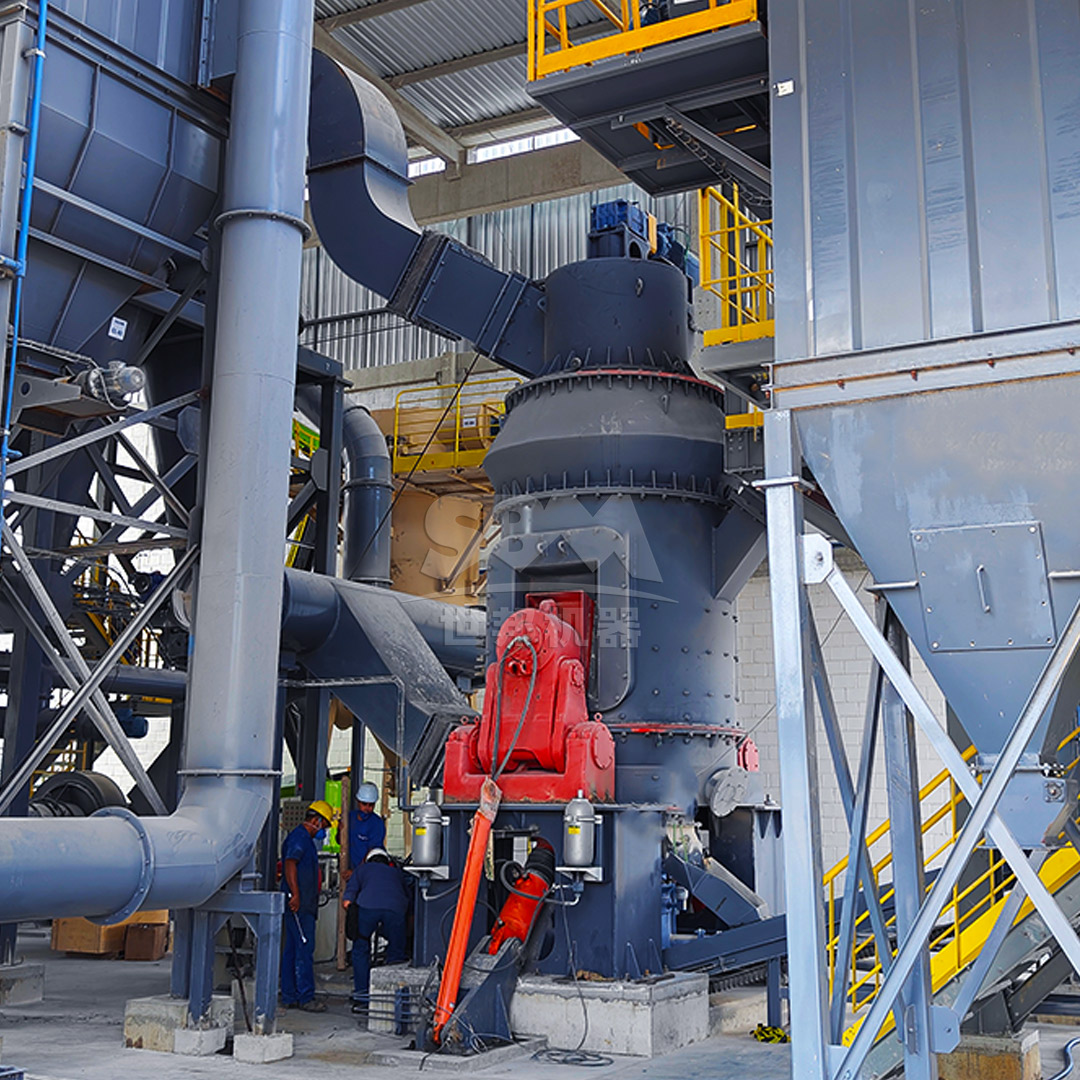
The complete system includes raw material preparation, grinding circuit, product collection, and packaging operations. The heart of the system is the LM220K vertical mill with an 800kW main motor, capable of handling the demanding 90 TPH production target. The mill is equipped with an advanced dynamic classifier that ensures precise particle size control throughout the production cycle.
Performance Metrics
Since commissioning, the production line has consistently exceeded performance expectations. Key operational data includes:
- Average production rate: 92.5 TPH (102.8% of design capacity)
- Specific energy consumption: 28.5 kWh/ton (35% reduction compared to ball mill system)
- Product quality: D97 = 38μm with narrow particle size distribution
- Availability: 96.3% (significantly higher than alternative systems)
- Noise levels: Maintained below 78 dB(A)
- Dust emissions: Consistently below 15 mg/m³
Technical Advantages of LM Vertical Mill for Calcium Carbonate
Energy Efficiency
The LM vertical mill demonstrates remarkable energy efficiency, consuming 30-40% less power than equivalent ball mill systems. This is achieved through several design innovations:
- Material Bed Comminution: The grinding principle utilizes pressure rather than impact, resulting in more efficient size reduction.
- Integrated Operation: Combining grinding, drying, and classification in one unit minimizes energy losses associated with material transfer between separate equipment.
- Optimized Airflow: The mill’s aerodynamic design reduces fan power requirements while maintaining optimal material transport conditions.
Compact Design and Reduced Footprint
The vertical configuration of the LM mill offers significant space savings compared to horizontal ball mills. The 90 TPH system requires approximately 50% less floor space than a conventional ball mill circuit of equivalent capacity. This compact design not only reduces civil engineering costs but also simplifies plant layout and material handling.
Superior Product Quality
Calcium carbonate products from the LM vertical mill exhibit excellent quality characteristics:
- Narrow Particle Size Distribution: The efficient classification system ensures consistent product fineness with minimal oversize particles.
- Low Contamination: The minimal grinding media wear and optimized material flow path prevent iron contamination.
- Excellent Brightness: The gentle grinding action preserves the natural brightness of the calcium carbonate.
- Consistent Properties: Automated control systems maintain stable operation, ensuring batch-to-batch consistency.
Complementary Equipment for Optimal System Performance
While the LM vertical mill forms the core of the 90 TPH production line, several complementary products enhance overall system performance. For operations requiring ultra-fine calcium carbonate products, our SCM Ultrafine Mill offers exceptional capabilities for producing powders in the range of 325-2500 mesh (D97 ≤5μm). With capacity ranging from 0.5 to 25 tons per hour depending on model, the SCM series is ideal for specialty calcium carbonate applications requiring extreme fineness.
For operations that process larger feed materials or require coarser products, the MTW Series Trapezium Mill provides an excellent solution. With input sizes up to 50mm and output fineness from 30-325 mesh, this mill offers capacities from 3-45 tons per hour. Its innovative curved air channel and wear-resistant design make it particularly suitable for processing harder limestone varieties.
Operational Benefits and Return on Investment
The implementation of an LM vertical mill-based production line delivers substantial economic advantages:
Reduced Operating Costs
The combination of lower energy consumption, reduced maintenance requirements, and higher availability translates to significantly lower operating costs. For a 90 TPH operation, annual savings can exceed $500,000 compared to traditional ball mill systems.
Enhanced Reliability
The robust design of the LM vertical mill ensures high operational availability. Key components such as grinding rollers and tables are designed for extended service life, with wear parts lasting 2-3 times longer than equivalent components in alternative grinding systems.
Environmental Compliance
Modern calcium carbonate production facilities must meet stringent environmental regulations. The LM vertical mill incorporates advanced dust collection technology that maintains emissions below 20 mg/m³, well within regulatory requirements. The system’s low noise generation (≤80 dB) also contributes to a better working environment.
Future Developments in Calcium Carbonate Processing
The success of the LM vertical mill in 90 TPH applications has paved the way for further innovations. Current research focuses on enhancing digitalization features, including predictive maintenance algorithms and advanced process optimization through artificial intelligence. These developments will further improve operational efficiency and product quality while reducing human intervention.
Conclusion
The LM vertical mill has proven to be a transformative technology for high-volume calcium carbonate production. The ability to consistently achieve 90 TPH output with superior energy efficiency and product quality represents a significant advancement in mineral processing technology. As industry demands continue to evolve toward higher productivity and sustainability, vertical mill technology will play an increasingly important role in shaping the future of calcium carbonate production.
For operations considering capacity expansion or new plant construction, the LM vertical mill offers a compelling solution that balances performance, efficiency, and operational simplicity. With proper system design and implementation, producers can achieve world-class performance metrics while maintaining flexibility to adapt to changing market requirements.