Lithium Spodumene Powder Processing Equipment: Types and Applications
Introduction
The global transition to clean energy has propelled lithium, the cornerstone of modern battery technology, into a position of critical strategic importance. Spodumene, a primary lithium-bearing mineral (LiAlSi2O6), is a major source of lithium carbonate and hydroxide. The efficient processing of spodumene concentrate into fine, high-purity powder is a pivotal stage in the lithium supply chain, directly impacting downstream chemical conversion efficiency, product quality, and overall project economics. This article provides a comprehensive overview of the key equipment types used in spodumene powder processing, detailing their working principles, application stages, and technological advantages to guide optimal plant design and equipment selection.
1. The Spodumene Processing Chain: From Ore to Powder
Before delving into powder processing equipment, it is essential to understand the broader context. Spodumene ore undergoes several stages before fine grinding:
- Mining and Crushing: Run-of-mine ore is initially reduced to a coarse size (typically <250mm) using primary crushers (e.g., jaw crushers).
- Beneficiation (Concentration): The crushed ore is processed via dense media separation (DMS) and flotation to produce a high-grade spodumene concentrate (typically 5-7.5% Li2O).
- Thermal Treatment (Calcination/Decrepitation): Alpha-spodumene (α-spodumene) is inert to chemical attack. It is heated to ~1100°C to convert it into the more reactive, expansible beta-spodumene (β-spodumene) phase. This calcined product is the primary feed for fine grinding mills.
- Fine Grinding & Classification: This stage, the focus of our discussion, reduces the calcined β-spodumene to a specific fineness (often 75-150 microns or finer) to maximize the surface area for the subsequent acid or alkaline leaching process.
- Chemical Conversion: The finely ground powder undergoes sulfuric acid roasting or other chemical treatments to extract lithium into soluble salts.
The efficiency of the fine grinding stage is paramount, as it dictates reaction kinetics, acid consumption, and lithium recovery rates in the conversion plant.
2. Core Equipment for Fine Grinding: Types and Principles
The selection of grinding equipment depends on required capacity, target particle size distribution (PSD), energy efficiency goals, and capital expenditure constraints. The following are the primary mill types employed in spodumene powder production.
2.1 Vertical Roller Mills (VRM)
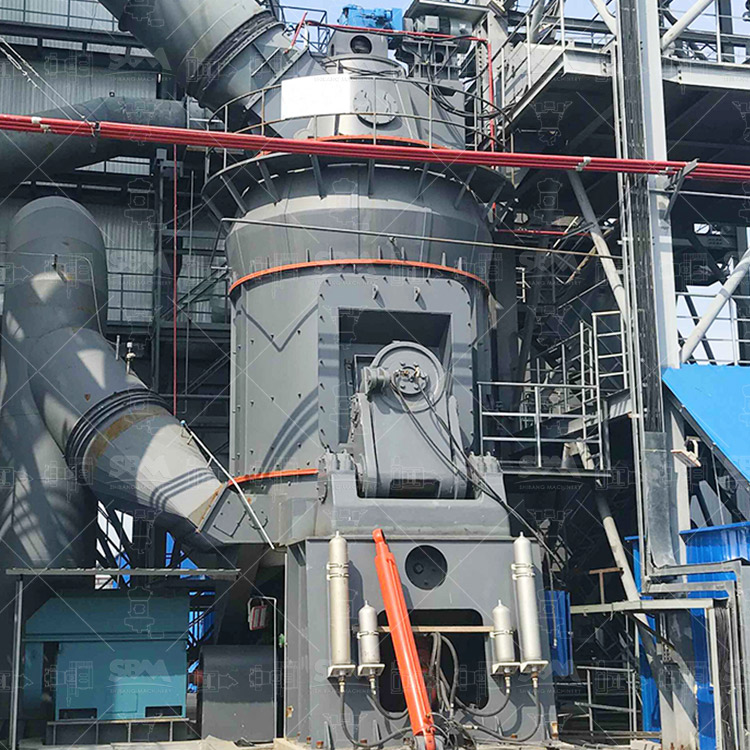
Working Principle: Material is fed onto a rotating grinding table. Hydraulically loaded rollers compress and shear the material bed against the table. A stream of hot air (often from the calciner cooler) dries and transports the ground fines to an integrated dynamic classifier. Coarse particles are rejected by the classifier and fall back to the table for regrinding.
Application in Spodumene: VRMs are highly suited for grinding calcined spodumene. They offer simultaneous drying (beneficial if material retains minor moisture) and grinding. Their high grinding efficiency and ability to handle moderately abrasive materials make them a preferred choice for large-scale, integrated lithium refineries.
Key Advantages:
- High Energy Efficiency: Up to 30-50% lower specific energy consumption compared to traditional ball mills, as grinding occurs by bed compression rather than impact.
- Integrated Drying: Can utilize waste heat from upstream processes.
- Compact Footprint: Integrated grinding, drying, and classification in a single unit.
- Precise Particle Size Control: Efficient dynamic classifiers allow for tight PSD management.
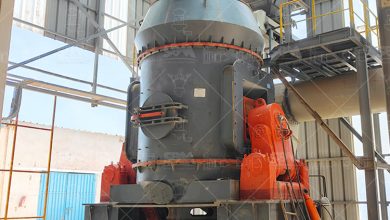
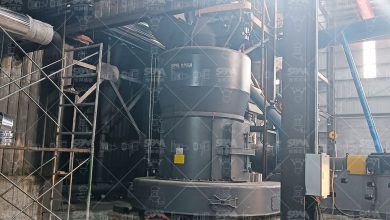
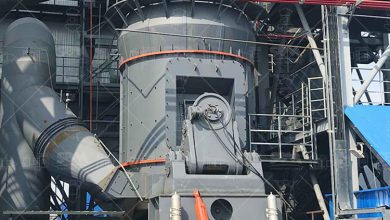
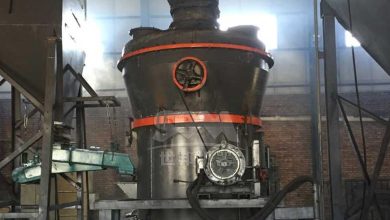
For projects requiring robust, high-capacity grinding of β-spodumene, our LM Series Vertical Roller Mill stands out. Its integrated design combines crushing, grinding, drying, and classification in one unit, reducing plant footprint by up to 50%. With a capacity range of 3-250 tons per hour and the ability to produce fineness between 30-325 mesh (and up to 600 mesh for special models), it is engineered for large-scale spodumene processing lines. Its intelligent control system ensures stable operation and optimal particle size distribution, critical for downstream leaching efficiency.
2.2 Ball Mills and Rod Mills
Working Principle: These are tumbling mills where the grinding chamber (lined with wear-resistant material) is partially filled with grinding media (steel balls or rods). As the cylinder rotates, the media is lifted and then cascades down, crushing the material by impact and attrition.
Application in Spodumene: Ball mills are a proven, reliable technology for fine and ultra-fine grinding. They are often used in secondary grinding circuits after primary crushing or in conjunction with other mills. They are versatile and can produce a very fine product.
Key Advantages:
- Proven Technology: Simple design, reliable operation, and wide industry acceptance.
- Wide Size Range: Capable of producing a broad spectrum of fineness, from coarse to very fine powders.
- Flexibility: Can be operated in open or closed circuit with classifiers.
Considerations: Higher energy consumption compared to VRMs, higher wear rates of media and liners (especially with abrasive materials), and larger physical footprint.
2.3 Raymond Mill (Roller Mill) / Pendulum Mill
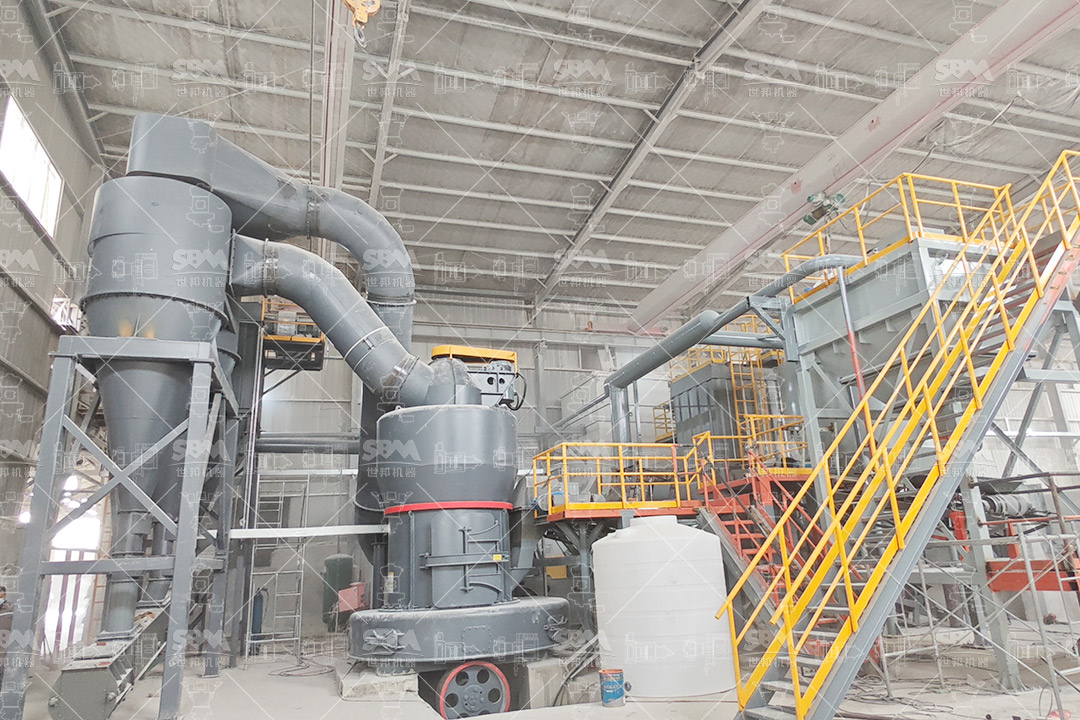
Working Principle: Centrifugal force causes grinding rollers to swing outward and press against a stationary grinding ring. Shovels feed material into the grinding zone where it is pulverized. An air stream carries the fines to a classifier; oversize particles fall back for regrinding.
Application in Spodumene: Well-suited for medium to fine grinding (30-325 mesh) of non-metallic minerals like calcined spodumene. Often used in medium-capacity plants or for producing specific intermediate product sizes.
Key Advantages:
- Stable Operation: Mature technology with reliable performance.
- Good Fineness Control: Effective for products in the 100-400 mesh range.
- Lower Capital Cost: Often a more economical choice for mid-sized operations compared to large VRMs.
2.4 Ultrafine Grinding Mills (Stirred Media Mills, Jet Mills)
Working Principle: For applications requiring ultra-fine (<10μm) or nano-sized spodumene powder (e.g., for certain ceramic or advanced material applications), specialized mills are used. Stirred media mills use a central shaft with agitators to energize small grinding media in a stationary chamber. Jet mills use high-velocity compressed air or steam to cause particle-on-particle impact and attrition.
Application: These are not typical for standard lithium chemical production but are relevant for high-value, specialty lithium mineral products.
3. Critical Auxiliary Systems
A grinding circuit is more than just a mill. Key auxiliary equipment ensures efficiency, product quality, and environmental compliance.
- Dynamic Classifiers: Integrated or standalone (e.g., cyclones, static separators, dynamic turbo classifiers). They are crucial for controlling the top size of the product and ensuring a consistent PSD for the leaching process.
- Dust Collection Systems: Baghouse filters or cartridge collectors with pulse-jet cleaning are essential to capture fine dust, maintain a clean plant environment, and recover valuable product. Efficiency must exceed 99.9%.
- Feeding & Conveying Systems: Precise, stable feeders (e.g., weigh belt feeders, screw feeders) are critical for consistent mill operation and product quality.
- Process Control & Automation: Modern PLC/SCADA systems monitor power draw, feed rate, classifier speed, pressure, and temperature to optimize grinding efficiency and maintain target fineness automatically.
4. Equipment Selection Criteria for Spodumene
Choosing the right mill involves a detailed analysis of multiple factors:
- Feed Characteristics: Hardness (Bond Work Index of β-spodumene), abrasiveness, moisture content, and initial feed size from the calciner.
- Product Requirements: Target particle size (D80, D50), particle size distribution width, and required production capacity (t/h).
- Economic Factors: Total cost of ownership, including capital expenditure (CAPEX), operational expenditure (OPEX) focusing on specific energy consumption (kWh/t), and maintenance costs (wear part life).
- Plant Integration: Ability to utilize waste heat for drying, plant layout constraints, and compatibility with upstream (calcination) and downstream (leaching) processes.
- Reliability & Availability: Equipment robustness, mean time between failures (MTBF), and ease of maintenance.
5. Advanced Solutions for Enhanced Efficiency
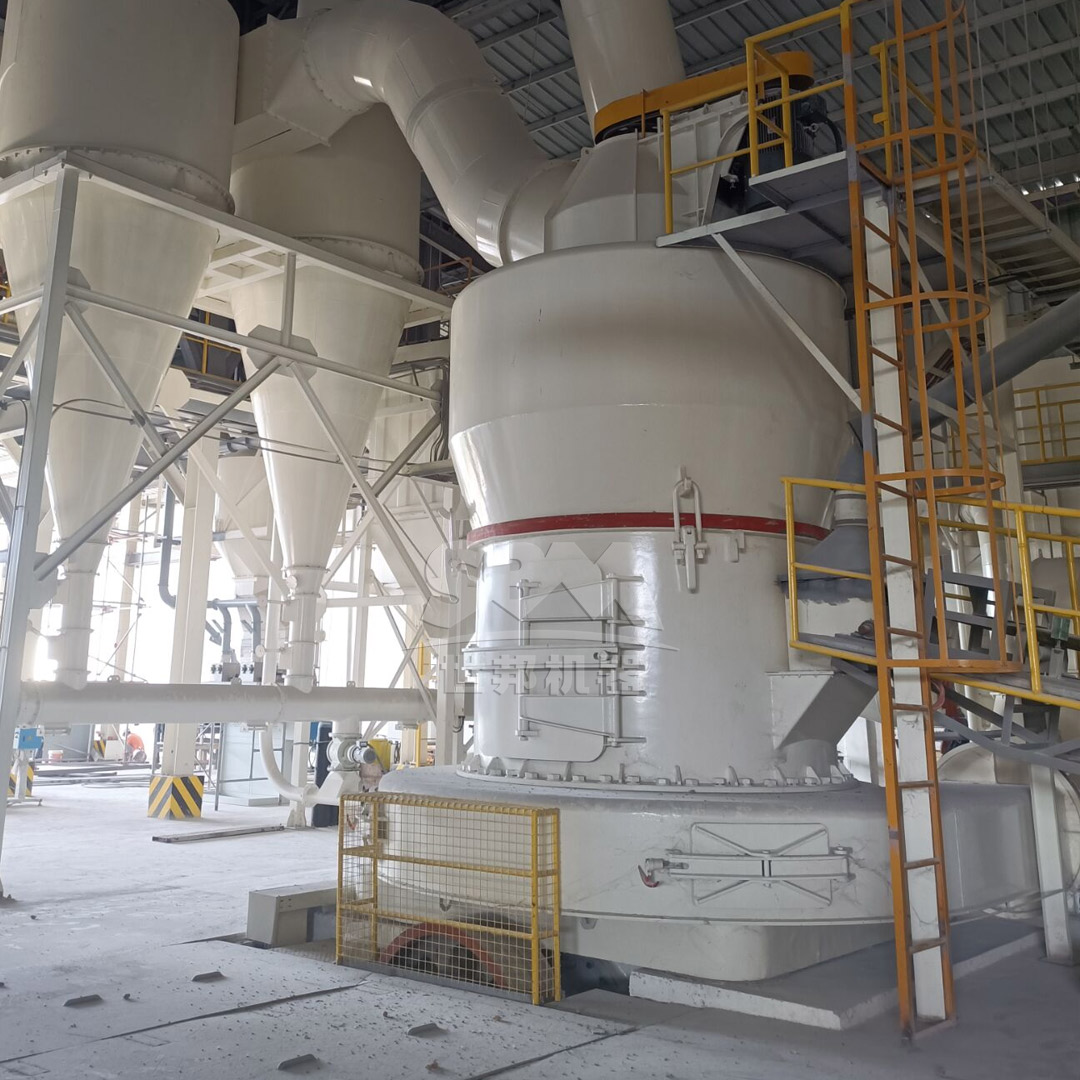
The trend in lithium processing is toward larger, more integrated, and smarter plants. For operations targeting the production of high-value, ultra-fine spodumene powders or requiring exceptional energy efficiency, our SCM Series Ultrafine Mill offers a compelling solution. Engineered to produce powders in the range of 325-2500 mesh (45-5μm), it is ideal for applications demanding extreme fineness. Its high-efficiency vertical turbine classifier ensures precise particle size cuts without coarse powder mixing. Furthermore, with a capacity 2x that of traditional jet mills and 30% lower energy consumption, it represents a significant advancement in ultrafine grinding technology for specialty lithium products. The fully sealed negative pressure operation and advanced pulse dust collection system also guarantee an environmentally clean process.
Conclusion
The transformation of calcined spodumene into a reactive fine powder is a technically demanding and energy-intensive stage in lithium extraction. The selection between Vertical Roller Mills, Ball Mills, and Raymond Mills hinges on a careful evaluation of scale, product specifications, and economic objectives. VRMs have emerged as the frontrunner for large-scale, energy-efficient primary grinding due to their integrated drying and classification capabilities. Regardless of the mill type chosen, a holistic system approach—incorporating precise classification, efficient dust collection, and advanced process control—is vital to maximizing lithium recovery, minimizing operational costs, and ensuring the long-term viability of a spodumene processing plant. As the industry evolves, continuous innovation in grinding technology will play a key role in driving down the cost and environmental footprint of lithium production.