Lithium Spodumene Grinding: Vertical Roller Mill vs. Ball Mill for Lithium Extraction
Introduction: The Critical Role of Grinding in Lithium Extraction
The global surge in demand for lithium-ion batteries has placed immense pressure on lithium extraction and processing efficiency. At the heart of the beneficiation process for hard-rock lithium sources, such as spodumene (LiAl(SiO3)2), lies the crucial step of grinding. The choice of grinding technology directly impacts downstream recovery rates, energy consumption, operational costs, and ultimately, the economic viability of the entire operation. This article provides a professional comparison between two dominant grinding technologies—Vertical Roller Mills (VRM) and Ball Mills—specifically for lithium spodumene processing, and offers insights into optimal equipment selection.
Understanding the Material: Spodumene Characteristics
Spodumene ore presents unique challenges for comminution. It is a hard, abrasive silicate mineral, typically requiring liberation from gangue minerals like quartz and feldspar. The target particle size after grinding is critical for the subsequent high-temperature decrepitation (phase conversion from α to β) and acid leaching stages. Over-grinding can generate excessive fines, complicating downstream processes and increasing reagent consumption, while under-grinding leaves lithium locked in coarse particles, reducing recovery. Therefore, a grinding system must offer precise control over product fineness, high efficiency, and robustness against abrasive wear.
Ball Mill Technology: The Traditional Workhorse
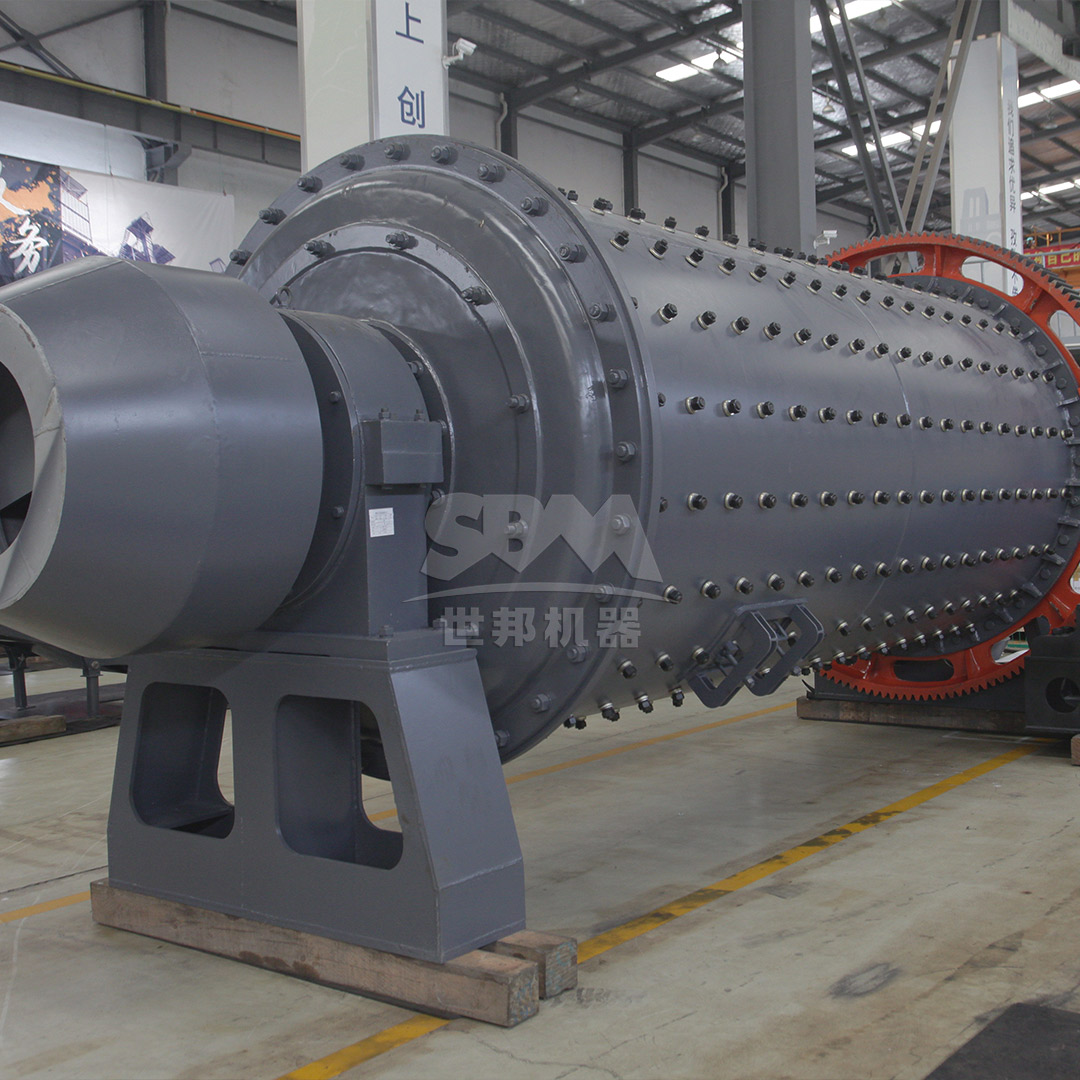
Ball mills have been the conventional choice for mineral grinding for over a century. Their operation is straightforward: a rotating cylindrical shell, partially filled with grinding media (steel balls), imparts impact and attrition forces to the feed material.
Advantages for Spodumene Grinding
- Proven Technology: Well-understood operation with a vast history of application in mining.
- Wide Particle Size Range: Capable of producing a relatively broad particle size distribution, which can sometimes be beneficial for certain downstream processes.
- High Availability: Simple mechanical design can lead to high operational availability.
Disadvantages and Limitations
- High Energy Consumption: Energy efficiency is relatively low, as significant power is consumed in rotating the heavy drum and lifting the grinding media, rather than directly in particle breakage. This is a major cost factor in energy-intensive lithium operations.
- Limited Fineness Control: Achieving very fine and consistent product sizes (e.g., below 200 mesh) is challenging and often requires closed-circuit classification, adding complexity.
- High Wear Rates: Grinding of abrasive spodumene leads to high consumption of liners and grinding balls, increasing maintenance costs and downtime.
- Large Footprint & High Noise: Ball mills require substantial space and foundations and operate at high noise levels.
Vertical Roller Mill Technology: The Modern, Efficient Alternative
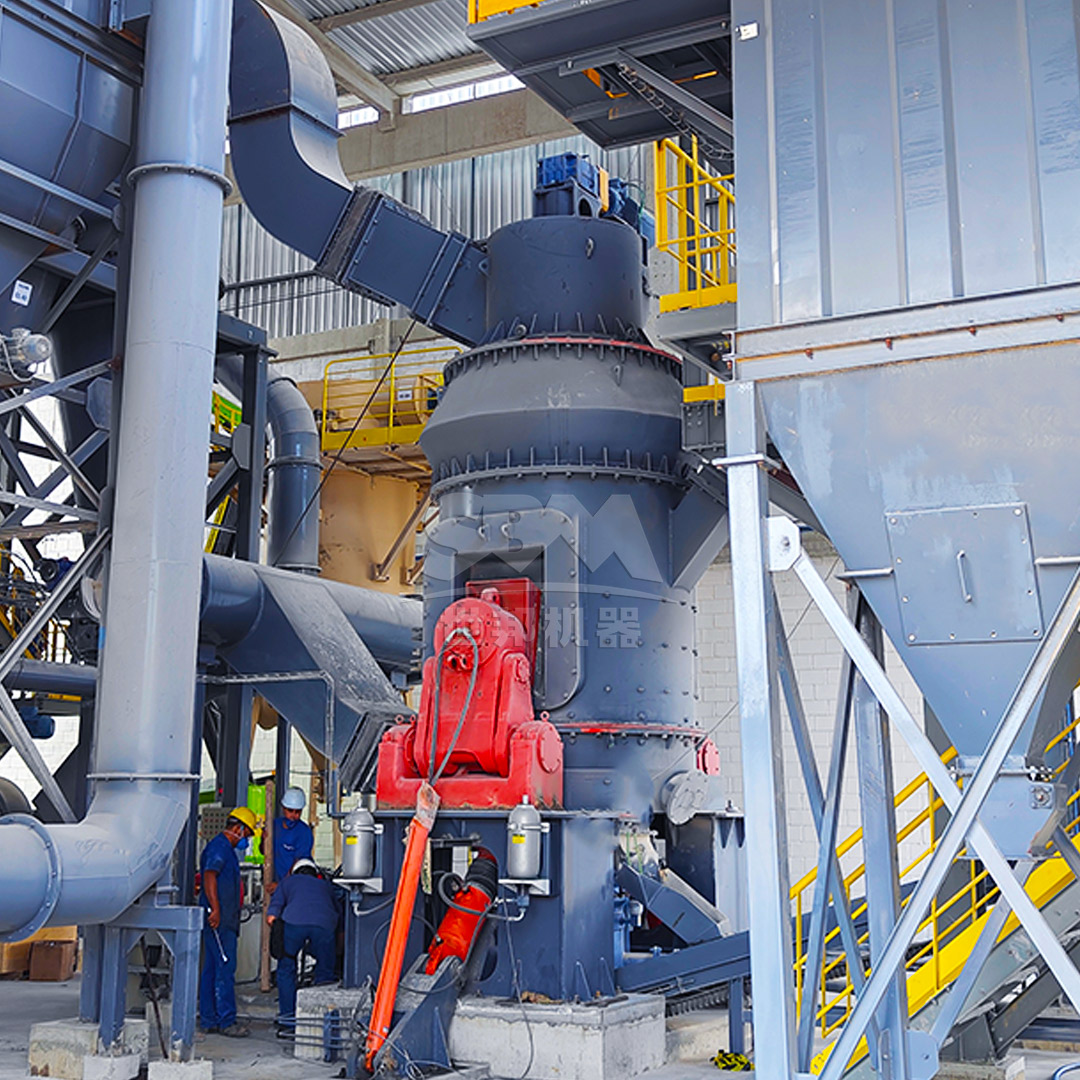
Vertical Roller Mills represent a more modern approach, utilizing a bed-compression grinding principle. Material is fed onto a rotating grinding table and is ground under pressure applied by hydraulically loaded rollers.
Advantages for Spodumene Grinding
- Superior Energy Efficiency: VRMs typically consume 30-50% less energy than ball mills for the same grinding duty, as energy is directly applied to the particle bed. This is their most significant advantage.
- Excellent Particle Size Control: Integrated dynamic classifiers allow for precise control of top particle size and a steeper particle size distribution, minimizing over-grinding.
- Lower Wear Rates: The grinding elements (rollers and table) experience lower relative speeds and direct metal-to-metal contact is minimized by the material bed, reducing wear from abrasive minerals.
- Compact Design & Lower Noise: VRMs have a significantly smaller footprint and operate at much lower noise levels (<85 dB).
- Drying Capability: Hot gas can be introduced simultaneously with grinding, allowing for the drying of moist feed—a useful feature if run-of-mine material has moisture.
Considerations
- Operational Complexity: Control systems are more sophisticated to maintain stable grinding bed conditions.
- Higher Initial Investment: Capital cost can be higher than an equivalent ball mill system, though this is often offset by lower operating costs.
Head-to-Head Comparison for Lithium Spodumene
| Parameter | Vertical Roller Mill (VRM) | Ball Mill |
|---|---|---|
| Specific Energy Consumption | Low (30-50% savings) | High |
| Product Fineness Control | Excellent & Precise | Moderate, broader distribution |
| Wear & Maintenance Cost | Lower | Higher (media & liner wear) |
| Footprint & Installation | Compact, simpler foundation | Large, heavy foundation required |
| Noise Emission | Low (≤80 dB) | High |
| Drying Ability | Yes (with hot gas) | Limited |
| Capital Investment | Higher | Lower |
| Operational Flexibility | High with advanced controls | High (simple operation) |
Recommended Solution for Lithium Spodumene Grinding
For modern, large-scale lithium spodumene processing plants where operational expenditure (OPEX) and process optimization are paramount, the Vertical Roller Mill is the unequivocally superior choice. Its dramatic energy savings, precise particle size control for optimal downstream recovery, and lower maintenance requirements align perfectly with the needs of a cost-sensitive and efficiency-driven industry.
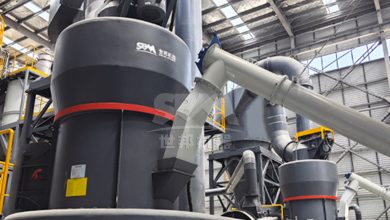
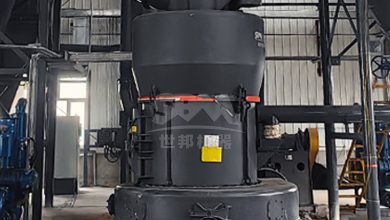
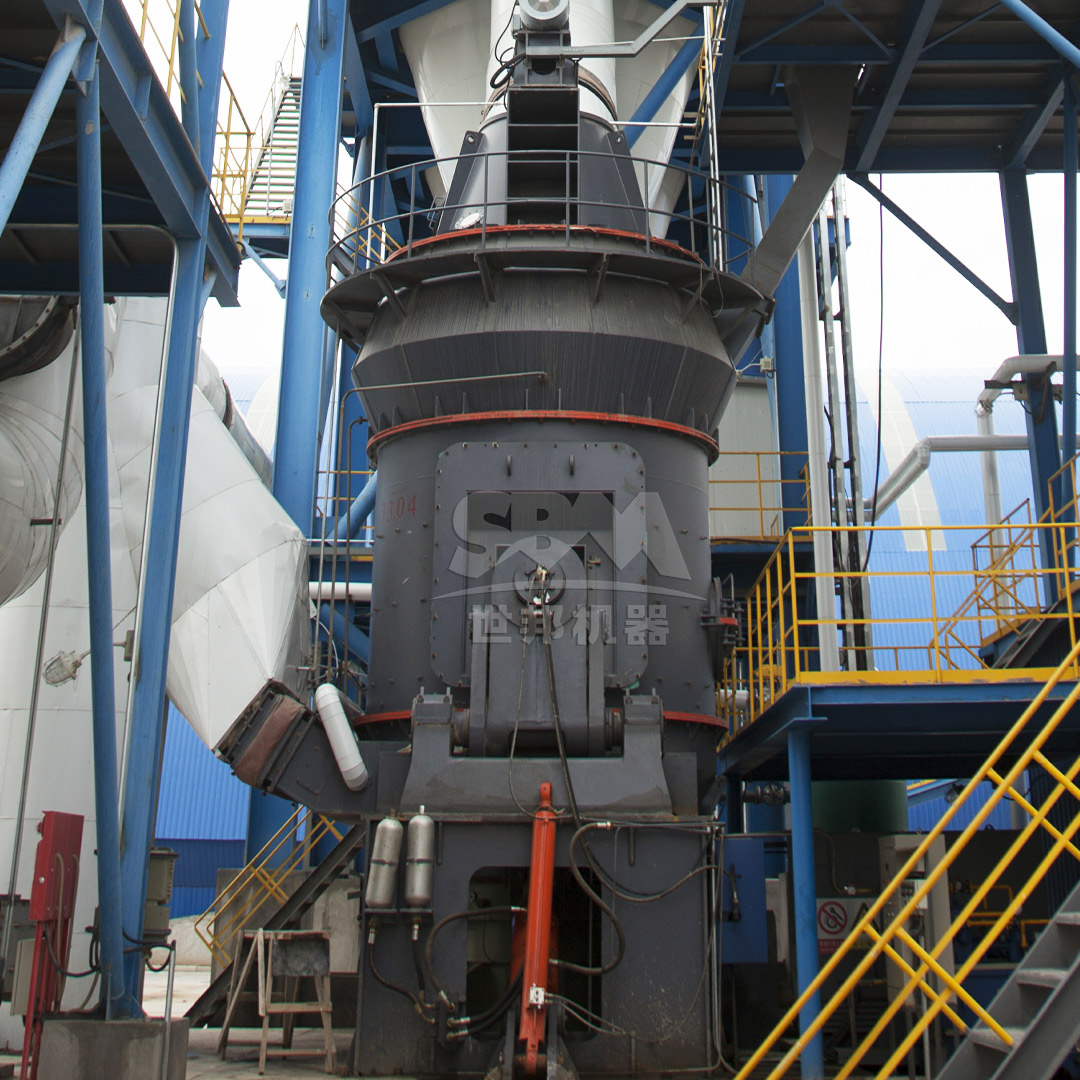
For operations targeting a final product fineness in the range of 30 to 325 mesh (600-45μm)—which is typical for spodumene feed to the decrepitation kiln—a robust and efficient VRM is ideal. Our LM Series Vertical Roller Mill is specifically engineered for such mineral applications.
Why the LM Series Vertical Roller Mill is Ideal for Spodumene
- High Efficiency & Low OPEX: Employs a bed-compression grinding principle, consuming 30-40% less energy than traditional ball mill systems, directly reducing the cost per ton of ground lithium concentrate.
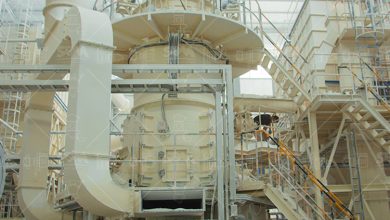
- Integrated System: Combines crushing, grinding, drying, and classification in a single unit, reducing plant footprint and civil costs by up to 50%.
- Intelligent Control: Features an expert automatic control system for stable operation, remote monitoring, and consistent product quality—critical for maintaining optimal leach recovery.
- Durable Design: The non-contact design of grinding rollers and table, along with special wear-resistant materials, extends service life significantly when processing abrasive ores.
- Environmental Compliance: Fully sealed negative pressure operation ensures dust emissions remain below 20mg/m³, and noise levels are controlled under 80dB(A).
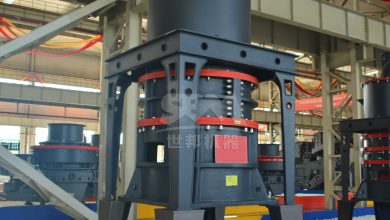
For projects requiring ultra-fine grinding post-decrepitation or for specialized lithium chemical processing, where fineness requirements reach 325-2500 mesh (45-5μm), our SCM Series Ultrafine Mill is the perfect complement. It offers unparalleled precision in final product sizing with its high-accuracy turbo classifier and energy-efficient design, ensuring maximum lithium liberation and reactivity.
Conclusion
The transition from traditional ball mills to advanced Vertical Roller Mills represents a significant technological leap for the lithium extraction industry. While ball mills have served reliably, the economic and operational advantages of VRMs—particularly in energy savings, product control, and total cost of ownership—make them the definitive choice for new greenfield lithium spodumene processing plants and major expansion projects. By selecting a tailored solution like the LM Series Vertical Roller Mill, operators can secure a lower-cost, more sustainable, and highly efficient foundation for their critical grinding circuit, directly contributing to a more competitive position in the global lithium market.