Lithium Ore Grinding Equipment: Types and Investment Costs
Introduction
The global transition to clean energy has dramatically increased demand for lithium, a critical component in batteries for electric vehicles and energy storage systems. Efficient processing of lithium ore is essential to meet this growing demand, and grinding equipment plays a pivotal role in determining both the quality of the final product and the overall economics of lithium production operations. This comprehensive guide examines the various types of grinding equipment suitable for lithium ore processing, their technical characteristics, and the investment considerations that determine their operational viability.
The Importance of Proper Grinding in Lithium Processing
Lithium ore, primarily sourced from spodumene, petalite, and lepidolite minerals, requires precise particle size reduction to maximize lithium recovery rates. The grinding process directly impacts downstream operations including flotation, magnetic separation, and chemical processing. Insufficient grinding can leave valuable lithium locked within larger particles, while over-grinding increases energy consumption and may create ultrafine particles that are difficult to process efficiently. The optimal grinding approach balances particle size distribution, energy efficiency, and operational costs to achieve maximum economic return.
Types of Lithium Ore Grinding Equipment
Ball Mills
Ball mills represent the traditional workhorse of mineral processing operations, including lithium ore beneficiation. These rotating cylinders containing grinding media (typically steel balls) utilize impact and attrition forces to reduce particle size. For lithium applications, ball mills offer several advantages: they can handle a wide range of feed sizes, provide reliable operation with minimal supervision, and produce consistent particle size distributions. However, their relatively low energy efficiency and limited ability to produce ultrafine particles make them less suitable for operations requiring very fine grinding for maximum lithium liberation.
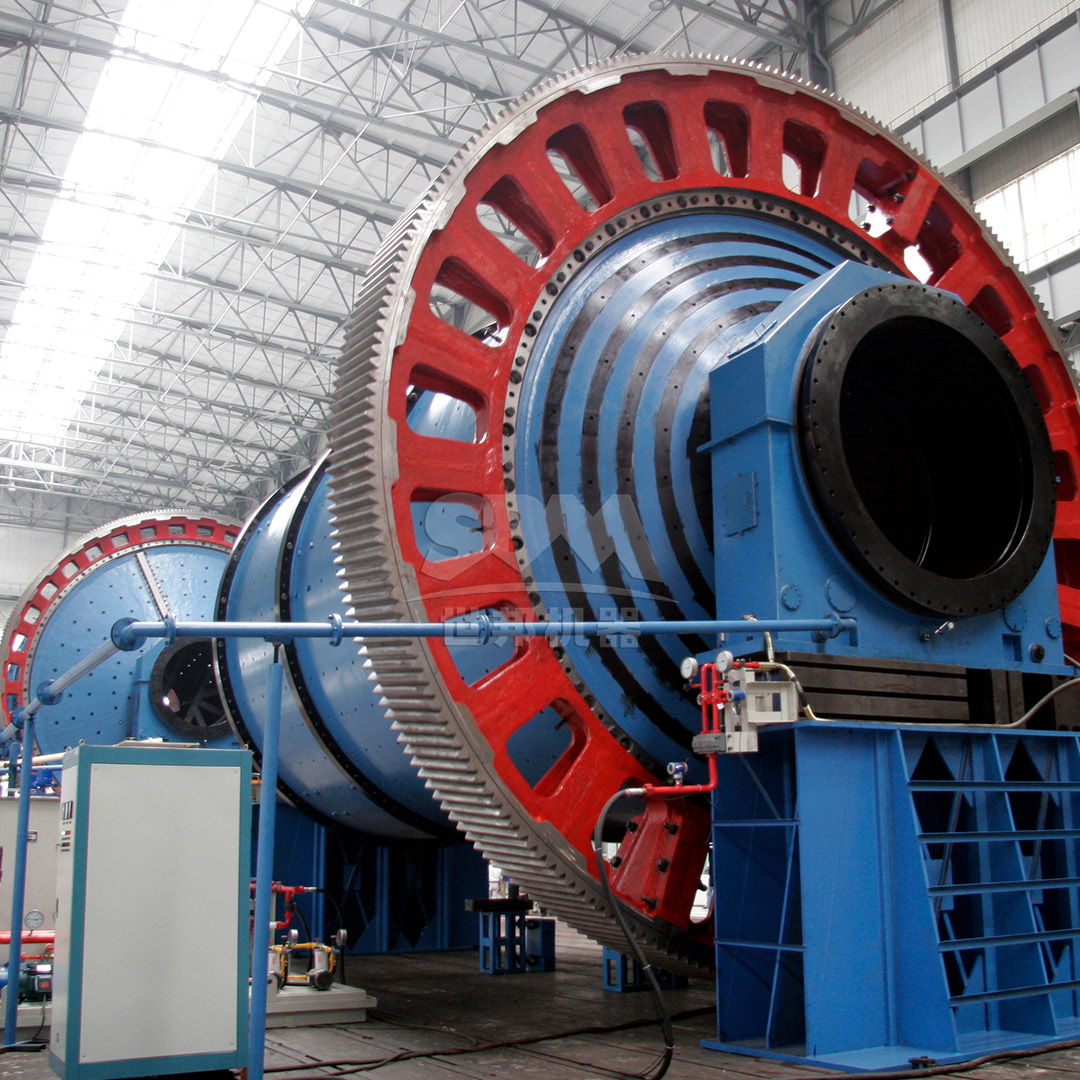
Modern ball mills for lithium processing typically feature advanced control systems that optimize grinding media consumption and power usage. The GMQG series, for example, offers capacities from 0.65 to 450 tons per hour with output fineness between 0.074-0.8mm, making them suitable for primary grinding applications in medium to large-scale lithium operations.
Vertical Roller Mills
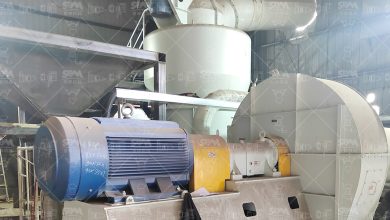
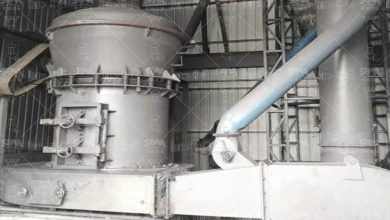
Vertical roller mills (VRMs) have gained significant traction in lithium processing due to their superior energy efficiency and compact footprint. These systems utilize hydraulically-loaded rollers that press against a rotating grinding table, applying compressive forces to the material. The ground product is then transported by air to a dynamic classifier that separates particles based on size, with oversize material returning to the grinding zone for further processing.
For lithium ore applications, the LM Series Vertical Roller Mill offers distinct advantages with its integrated crushing, grinding, and separation functions that reduce space requirements by 50% compared to traditional systems. With capacity ranging from 3-250 tons per hour and the ability to produce product fineness between 30-325 mesh (with special models achieving 600 mesh), these mills provide exceptional flexibility for lithium operations of varying scales. The LM Series demonstrates 30-40% lower energy consumption compared to ball mill systems, a significant consideration given that grinding typically accounts for 40-60% of total energy usage in mineral processing plants.

Ultrafine Grinding Mills
As lithium operations increasingly target finer liberation sizes to maximize recovery, ultrafine grinding technology has become more prominent. These specialized mills produce particles in the micrometer range (typically D97 ≤ 5μm), which can significantly improve lithium extraction rates from refractory ores. The SCM Ultrafine Mill represents this category with output fineness between 325-2500 mesh (D97≤5μm) and capacity from 0.5-25 tons per hour depending on model selection.
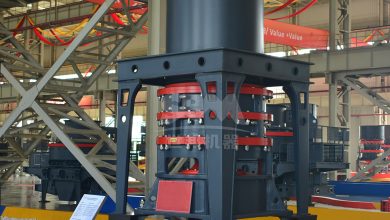
What makes the SCM series particularly suitable for lithium processing is its high-precision classification system featuring a vertical turbine classifier that ensures precise particle size cuts without coarse powder contamination. The mill’s efficient design delivers twice the capacity of jet mills with 30% lower energy consumption, addressing both operational and economic considerations. For lithium operations requiring the finest possible grind to liberate lithium from gangue minerals, the SCM800 through SCM1680 models provide scalable solutions with power requirements from 75kW to 315kW.
Trapezium Mills
MTW Series Trapezium Mills offer an intermediate solution between conventional grinding and ultrafine processing, making them suitable for lithium operations that require moderate fineness with high throughput. These mills feature curved air channels that reduce energy loss and improve transmission efficiency, combined with wear-resistant components that extend service life in abrasive lithium ore applications.
With input size up to 50mm and output fineness between 30-325 mesh, MTW mills can process 3-45 tons per hour depending on the specific model. The MTW215G, for example, handles 15-45 tons per hour with a 280kW main motor, making it suitable for large-scale lithium concentrators. The integral cone gear transmission achieves 98% efficiency, reducing both energy consumption and installation costs compared to traditional drive systems.
Technical Comparison of Grinding Systems for Lithium Ore
| Equipment Type | Output Fineness | Capacity Range (t/h) | Power Consumption (kWh/t) | Primary Applications in Lithium Processing |
|---|---|---|---|---|
| Ball Mill | 0.074-0.8mm | 0.65-450 | 18-30 | Primary grinding, coarse liberation |
| Vertical Roller Mill | 30-325 mesh | 3-250 | 12-22 | Main grinding circuit, balanced efficiency |
| Ultrafine Mill | 325-2500 mesh | 0.5-25 | 25-45 | Fine liberation, refractory ore processing |
| Trapezium Mill | 30-325 mesh | 3-45 | 15-25 | Medium-scale operations, value engineering |
Investment Cost Analysis
Capital Expenditure Considerations
The initial investment in lithium ore grinding equipment varies significantly based on the technology selected, capacity requirements, and degree of automation. Ball mills typically represent the lowest capital cost option, with complete systems ranging from $500,000 to $5,000,000 depending on scale. Vertical roller mills command a 20-40% premium over equivalent ball mills but offer operational savings that frequently justify the higher initial outlay. Ultrafine grinding systems represent the highest capital investment, with complete installations ranging from $1,000,000 to $8,000,000 based on capacity and ancillary equipment requirements.
Beyond the grinding equipment itself, investors must consider ancillary systems including feeding equipment, dust collection, classification, and material handling. These can add 30-50% to the base equipment cost. Additionally, installation and commissioning expenses typically account for 15-25% of equipment costs, with variations based on site conditions and local labor rates.
Operational Expenditure Breakdown
Operating costs for lithium ore grinding equipment encompass several key components:
- Energy Consumption: Typically represents 40-60% of total operating costs. Vertical roller mills offer 30-40% savings compared to ball mills, while ultrafine grinding systems have higher specific energy consumption due to the fine product requirements.
- Wear Parts Replacement: Grinding elements (liners, rollers, balls) constitute 15-25% of operating costs. Equipment with specialized wear materials like the SCM Ultrafine Mill’s special material rollers and grinding rings can extend service life several times, significantly reducing this cost component.
- Maintenance Labor: Accounts for 10-15% of operating costs. Systems with advanced monitoring and automated maintenance features can reduce these expenses.
- Consumables: Including classifier parts, lubricants, and filter elements, typically represent 5-10% of operating costs.

Return on Investment Analysis
The economic viability of grinding equipment for lithium operations must be evaluated based on the complete value chain. While higher-efficiency equipment commands premium pricing, the improved lithium recovery rates and lower operating costs frequently deliver compelling returns. For a medium-scale lithium operation processing 100,000 tons annually, upgrading from conventional ball mills to modern vertical roller mills can typically achieve payback periods of 18-30 months through combined energy savings, increased recovery, and reduced maintenance requirements.
Operations targeting premium markets with stringent product specifications may find that ultrafine grinding systems like the SCM series justify their higher operational costs through the ability to process refractory ores and command higher prices for consistent, high-purity lithium concentrates.
Selecting the Right Equipment for Your Lithium Operation
Project-Specific Considerations
Choosing the optimal grinding solution requires careful analysis of multiple factors unique to each lithium project:
- Ore Characteristics: Hardness, abrasiveness, moisture content, and liberation size significantly influence equipment selection. Hard, abrasive ores may favor systems with superior wear resistance, while complex mineralization may require finer grinding for adequate liberation.
- Production Scale: Small to medium operations (under 50,000 tpa) may find trapezium mills or smaller vertical roller mills most appropriate, while large-scale projects typically benefit from the efficiency of full-scale vertical roller mills or ball mills.
- Product Specifications: Market requirements for lithium concentrate grade and particle size distribution dictate the necessary grinding fineness. Operations supplying battery manufacturers typically require tighter particle size control than those serving industrial applications.
- Infrastructure Constraints: Power availability, water access, and site topography can influence technology selection. Vertical roller mills offer advantages in water-scarce regions, while ball mills may be preferred in locations with unreliable power supply due to their simpler operation.
Future-Proofing Your Investment
With lithium processing technology evolving rapidly and market conditions fluctuating, selecting grinding equipment with operational flexibility provides significant advantages. The MTW Series Trapezium Mill offers particular benefits in this regard, with its adjustable fineness (30-325 mesh) and capacity range (3-45 t/h) allowing operations to adapt to changing market conditions. The mill’s modular design facilitates future upgrades, while its wear-resistant components ensure long-term reliability even with varying ore characteristics.
Similarly, the LM Series Vertical Roller Mill’s ability to handle feed sizes up to 50mm and produce products from 30-325 mesh (extendable to 600 mesh with specialized models) provides operations with the flexibility to process different ore types and meet evolving product specifications without major equipment modifications.
Conclusion
Selecting the appropriate grinding equipment represents one of the most significant decisions in developing a lithium processing operation. The choice between ball mills, vertical roller mills, trapezium mills, and ultrafine grinding systems involves balancing capital investment, operating costs, product requirements, and operational flexibility. While ball mills offer proven reliability and lower initial investment, vertical roller mills typically deliver superior energy efficiency and lower operating costs. For operations requiring ultrafine products or processing refractory ores, specialized mills like the SCM Ultrafine Mill provide necessary technical capabilities despite higher specific energy consumption.
With lithium demand projected to grow substantially through the next decade, investing in efficient, flexible grinding technology positions operations for long-term success. By carefully matching equipment capabilities to specific ore characteristics and market requirements, lithium producers can optimize both recovery rates and operational economics, maximizing returns throughout the project lifecycle.