Lithium Mica Grinding Process: From Raw Ore to Fine Powder
Introduction to Lithium Mica Processing
Lithium mica, a significant source of lithium and other valuable elements, requires specialized grinding processes to transform raw ore into fine powders suitable for various industrial applications. The unique physical and chemical properties of lithium mica, including its layered structure and variable hardness, present specific challenges in comminution and classification. This comprehensive guide explores the complete grinding process from extraction to final powder production, highlighting optimal equipment selection and processing parameters.
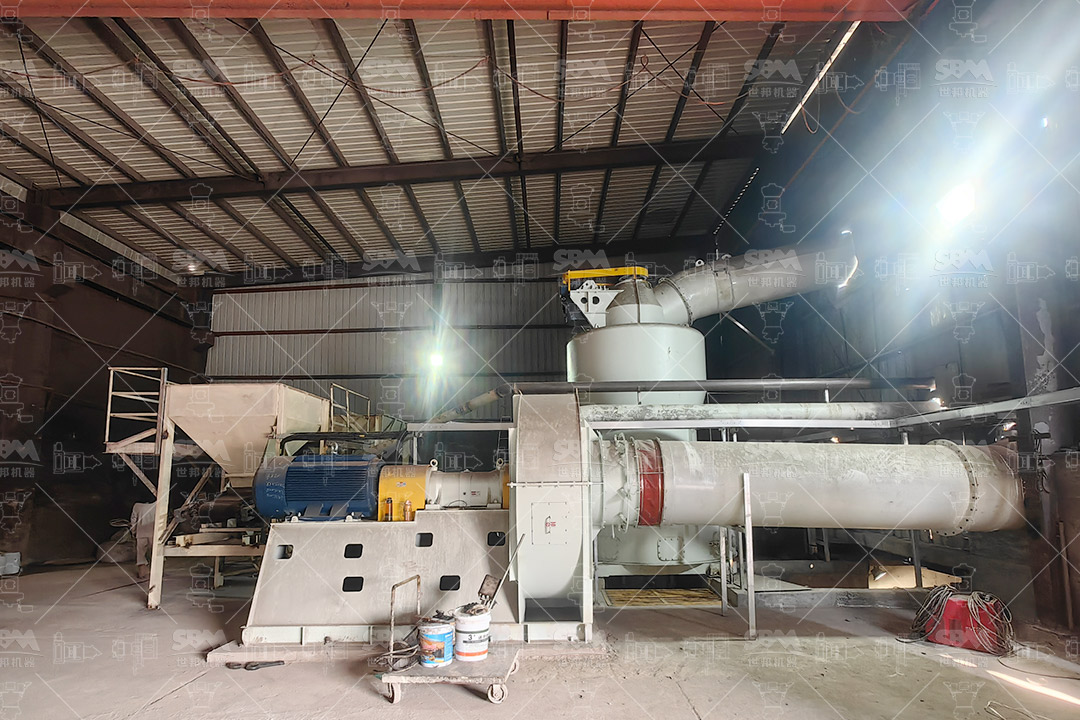
Raw Ore Preparation and Primary Crushing
The initial stage of lithium mica processing involves careful preparation of the raw ore. After extraction from mining operations, the material undergoes primary crushing to reduce particle size from large chunks to manageable dimensions. Jaw crushers and gyratory crushers are typically employed for this stage, reducing ore sizes from several feet to approximately 6-8 inches. This size reduction facilitates easier handling and prepares the material for secondary crushing operations.
Proper ore preparation is crucial for optimizing downstream grinding efficiency. The material should be homogenized to ensure consistent feed quality, and any oversized particles that could cause equipment blockages must be removed. Moisture content should be monitored and controlled, as excessive moisture can lead to clogging in crushing and grinding equipment while insufficient moisture may generate excessive dust.
Secondary Crushing and Preliminary Grinding
Following primary crushing, lithium mica undergoes secondary crushing using cone crushers or impact crushers to further reduce particle size to approximately 1-2 inches. This stage is critical for achieving the optimal feed size for subsequent fine grinding operations. The specific equipment selection depends on the ore characteristics, including hardness, abrasiveness, and moisture content.
For operations requiring finer initial reduction, hammer mills provide an effective solution for processing lithium mica to smaller sizes. Our Hammer Mill series offers robust construction with high manganese steel components specifically designed to handle the abrasive nature of lithium-bearing minerals. With capacities ranging from 8-70 tons per hour and output sizes adjustable between 0-3mm to 0-8mm, these mills provide excellent preparation for downstream fine grinding operations while maintaining low operating costs through optimized wear part design.
Fine Grinding Technologies for Lithium Mica
The fine grinding stage represents the most critical phase in lithium mica processing, where the material is reduced to the target particle size distribution required for specific applications. Various grinding technologies offer different advantages depending on the required fineness, production capacity, and energy efficiency considerations.
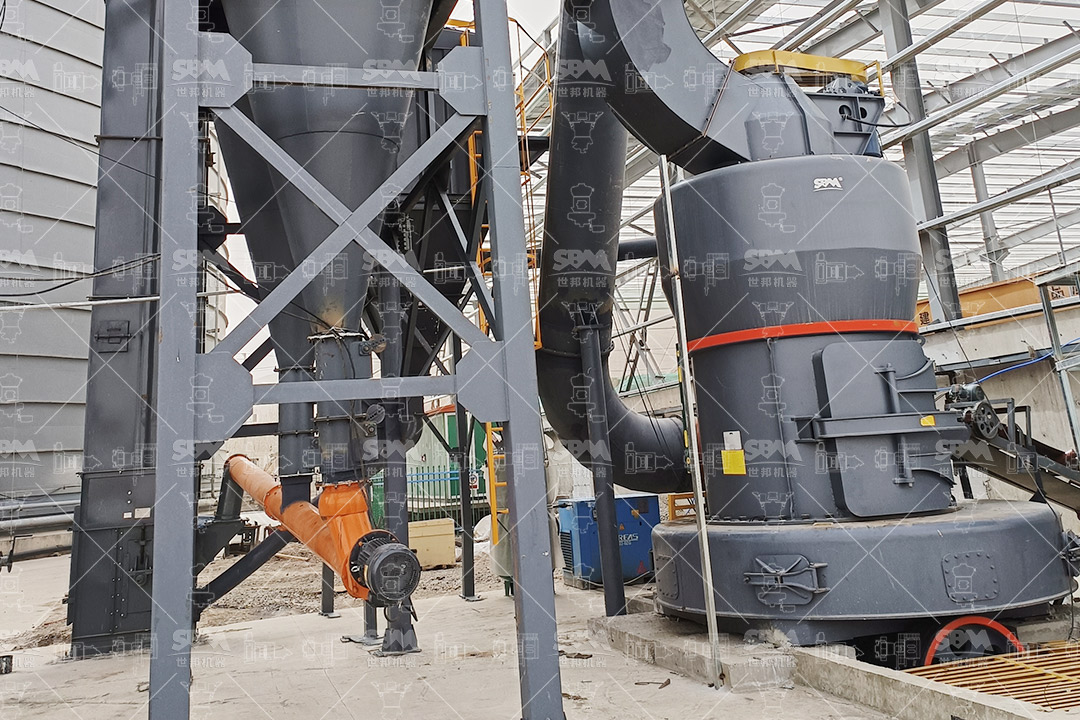
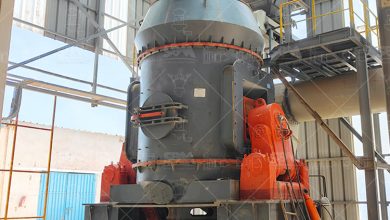
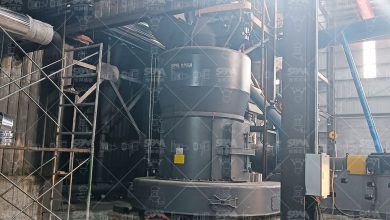
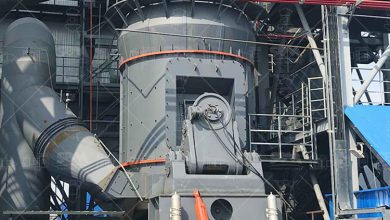
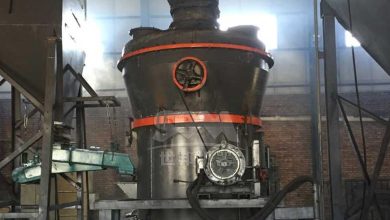
For medium-fine grinding requirements (30-325 mesh), the MTW Series Trapezium Mill provides an optimal balance of performance and efficiency. With its innovative curved air channel design and combined blade structure, this mill achieves significant energy savings while maintaining consistent product quality. The anti-abrasion features extend component life when processing abrasive lithium mica, and the integrated grading system ensures precise particle size control. Available in multiple configurations with capacities from 3-45 tons per hour, the MTW Series adapts to various production requirements while maintaining low operating costs.
Ultrafine Grinding for Specialty Applications
Many advanced applications require lithium mica powders with particle sizes in the ultrafine range (325-2500 mesh). Achieving these fineness levels demands specialized equipment capable of generating sufficient grinding energy while maintaining precise temperature control and classification accuracy.
For these demanding applications, our SCM Ultrafine Mill represents the industry benchmark. Engineered specifically for ultrafine powder production, this mill incorporates a vertical turbine classifier that enables precise particle size cuts with D97 ≤ 5μm. The unique grinding chamber design with special material rollers and grinding rings extends service life significantly when processing abrasive lithium mica. With capacity ranging from 0.5-25 tons per hour across different models and energy consumption 30% lower than conventional jet mills, the SCM Series delivers exceptional performance for high-value lithium mica applications.
Classification and Particle Size Control
Effective classification is essential for producing lithium mica powders with narrow particle size distributions. Air classifiers integrated with grinding systems or operating as standalone units separate particles based on size, shape, and density. The selection of classification technology depends on the target cut point, product yield requirements, and the specific characteristics of the lithium mica being processed.
Dynamic air classifiers with adjustable rotor speeds provide flexibility in controlling the top size of the product, while static classifiers offer robust operation for less demanding applications. For ultrafine classification, turbine classifiers with multiple rotors achieve sharp separations down to the micron range. Proper classifier selection and operation significantly impact product quality, system efficiency, and overall economics of lithium mica processing.
Dust Collection and Environmental Considerations
Lithium mica grinding operations generate significant amounts of fine dust that must be effectively controlled to ensure worker safety and environmental compliance. Modern dust collection systems employ pulse-jet baghouse filters or cartridge collectors designed to handle the specific characteristics of lithium mica dust.
Our grinding systems incorporate advanced pulse dust collectors with filtration efficiency exceeding 99.9%, ensuring emissions remain well below international standards. The fully enclosed negative pressure operation prevents dust leakage, while soundproofing measures maintain noise levels below 75dB, creating a safe and comfortable working environment. These environmental controls are integral to sustainable lithium mica processing operations.

Product Handling and Packaging
After grinding and classification, the finished lithium mica powder requires careful handling to maintain product quality and prevent contamination or degradation. Pneumatic conveying systems transport the powder to storage silos, while mechanical conveyors provide alternative solutions for shorter distances. The selection of handling equipment depends on material characteristics, plant layout, and capacity requirements.
Packaging systems range from manual bagging stations to fully automated valve bag packers and big bag stations. The choice depends on production volume, customer requirements, and logistical considerations. Proper packaging preserves product quality during storage and transportation while ensuring safe handling throughout the supply chain.
Quality Control and Process Optimization
Consistent product quality requires comprehensive quality control measures throughout the grinding process. Regular sampling and analysis using laser particle size analyzers, BET surface area measurements, and chemical composition verification ensure the final product meets specification requirements. Statistical process control techniques help identify trends and maintain operations within optimal parameters.
Modern grinding plants incorporate advanced process control systems that monitor key operating parameters and automatically adjust settings to maintain target product characteristics. These systems optimize energy consumption, maximize production rates, and ensure consistent product quality despite variations in feed material characteristics.
Conclusion
The transformation of raw lithium mica ore into fine powders requires carefully selected and properly operated grinding equipment. From initial size reduction through ultrafine grinding, each processing stage must be optimized to achieve the target product characteristics while maintaining economic viability. The selection of appropriate grinding technology, coupled with effective classification and dust control systems, enables producers to manufacture high-quality lithium mica powders for diverse industrial applications. As demand for lithium continues to grow across energy storage, ceramics, and specialty chemical sectors, efficient and reliable grinding processes will remain essential to the lithium supply chain.