Lithium Mica Calcination Waste to Valuable Resource: How Ceramic Companies Utilize Lithium Slag Billet Calcination to Boost Lithium Battery Industry
Introduction: The Lithium Conundrum and a Circular Solution
The explosive growth of the lithium-ion battery (LIB) industry, driven by the global transition to electric vehicles (EVs) and renewable energy storage, has placed unprecedented demand on lithium resources. Traditional extraction from brine and hard-rock ores like spodumene is energy-intensive, geographically constrained, and faces environmental and supply chain challenges. Concurrently, industries like ceramics, which utilize lithium-containing minerals such as lepidolite (lithium mica) as fluxes, generate significant amounts of calcination waste—lithium slag. This material, often considered a byproduct, contains residual lithium and other valuable elements locked in a vitrified matrix. This article explores the innovative process of lithium slag billet calcination, a transformative method that allows ceramic companies to convert their waste into a critical resource for the LIB supply chain, thereby creating a sustainable, circular economic model.
The Genesis: Lithium in Ceramics and the Calcination Byproduct
Lithium compounds (e.g., lithium carbonate, spodumene) are prized in ceramic manufacturing for their ability to lower firing temperatures, reduce thermal expansion, and enhance glaze properties. When lithium-bearing micas like lepidolite are used, they undergo high-temperature calcination (typically 900-1100°C) to decompose the mineral structure and liberate lithium for reaction. The solid residue from this process—lithium slag—is a complex aluminosilicate glass containing 0.5% to 2.5% Li₂O, along with silica, alumina, potassium, and fluorine. Historically, this slag posed a disposal challenge. However, its latent lithium content represents a substantial secondary resource. The key to unlocking this value lies in a secondary, controlled calcination process designed to activate and recover the lithium.
The Lithium Slag Billet Calcination Process: A Technical Deep Dive
The transformation of inert slag into a lithium resource involves several critical steps:
- Slag Preparation & Briquetting: The raw slag is first crushed and ground to a specific fineness to increase its surface area and reactivity. It is then mixed with additives like limestone, gypsum, or sodium/potassium salts (sulfates or carbonates) which act as fluxing and lithium-extracting agents during the subsequent calcination. This mixture is formed into briquettes or pellets to ensure uniform heat transfer and reaction.
- Activation Calcination: The briquettes undergo a second calcination in a rotary kiln, shaft kiln, or specialized furnace at temperatures between 1050°C and 1250°C. This step is crucial. The additives react with the silicate matrix, destabilizing it and converting the insoluble lithium into water-soluble or acid-soluble forms, primarily lithium sulfate or lithium aluminate.
- Cooling & Aging: The calcined billets are cooled under controlled conditions to prevent the re-crystallization of lithium into insoluble phases. An aging period sometimes follows to enhance the leaching efficiency.
- Leaching & Purification: The activated billets are crushed again and subjected to water or dilute acid leaching. The soluble lithium compounds dissolve into the leachate, which is then separated from the solid residue (now a de-lithiated silicate material potentially usable in construction). The lithium-rich solution undergoes further purification through precipitation, ion exchange, or solvent extraction to remove impurities like aluminum, iron, and fluorine.
- Lithium Product Precipitation: The purified solution is treated with sodium carbonate to precipitate high-purity lithium carbonate (Li₂CO₃), the primary feedstock for LIB cathode materials (e.g., LiFePO₄, NMC). Alternatively, it can be processed into lithium hydroxide (LiOH).
The Critical Role of Efficient Comminution: Preparing the Slag
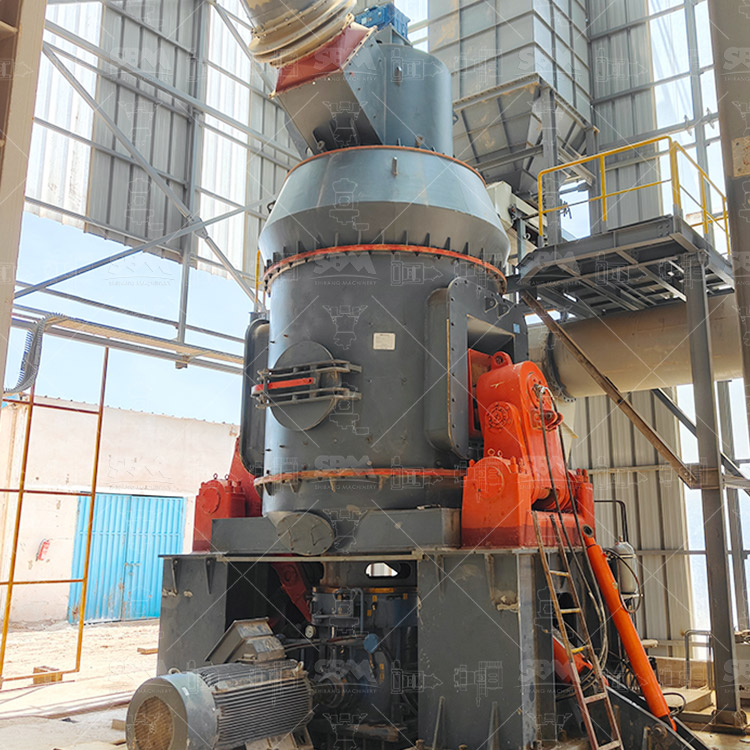
The efficiency of the entire recovery process hinges on the initial preparation of the slag. The raw slag is hard and abrasive, requiring robust and precise grinding equipment to achieve the optimal particle size for briquetting and subsequent calcination reactions. A fine, uniform powder ensures maximum contact with the fluxing additives and uniform heat penetration during activation calcination.
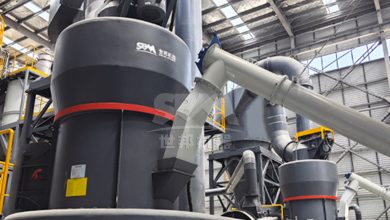
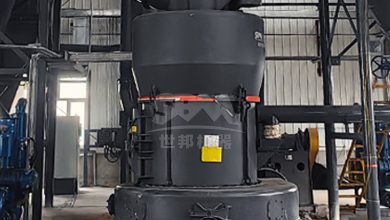
For this preparatory grinding stage, ceramic and mining companies are increasingly turning to advanced milling solutions like our MTW Series Trapezium Mill. This mill is exceptionally well-suited for processing hard, abrasive materials like lithium slag. Its advantages include:
- High Capacity & Robustness: With a maximum feed size of ≤50mm and capacities ranging from 3 to 45 tons per hour (depending on the model like MTW215G), it can handle large volumes of slag efficiently.
- Durable, Wear-Resistant Design: The combination of curved duct design, wear-resistant shovel blades, and high-strength磨辊s significantly reduces maintenance costs and extends component life when processing abrasive slags.
- Precise Particle Size Control: The integrated powder classifier allows for precise adjustment of the output fineness within the range of 30-325 mesh (45-600μm), which is ideal for creating the consistent powder needed for briquetting.
- Energy Efficiency: The锥齿轮整体传动 system boasts 98% transmission efficiency, and the optimized air duct reduces airflow resistance, leading to lower overall energy consumption per ton of processed slag.
By utilizing the MTW Series Trapezium Mill, operators can ensure their lithium slag is ground to the perfect specification, laying the foundation for a high-yield, cost-effective activation process.
From Activated Slag to Battery-Grade Powder: The Need for Ultra-Fine Grinding
Following the leaching and purification stages, the final precipitated lithium carbonate or intermediate compounds often require further processing to meet the stringent specifications of the battery industry. Battery-grade cathode materials demand lithium precursors with extremely fine, uniform particle size distribution (PSD) and high purity. A narrow PSD ensures better mixing with other cathode materials (like iron phosphate, nickel, cobalt, manganese oxides) and leads to more consistent electrochemical performance in the final battery cell.
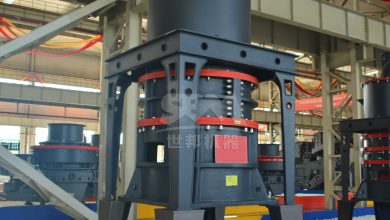
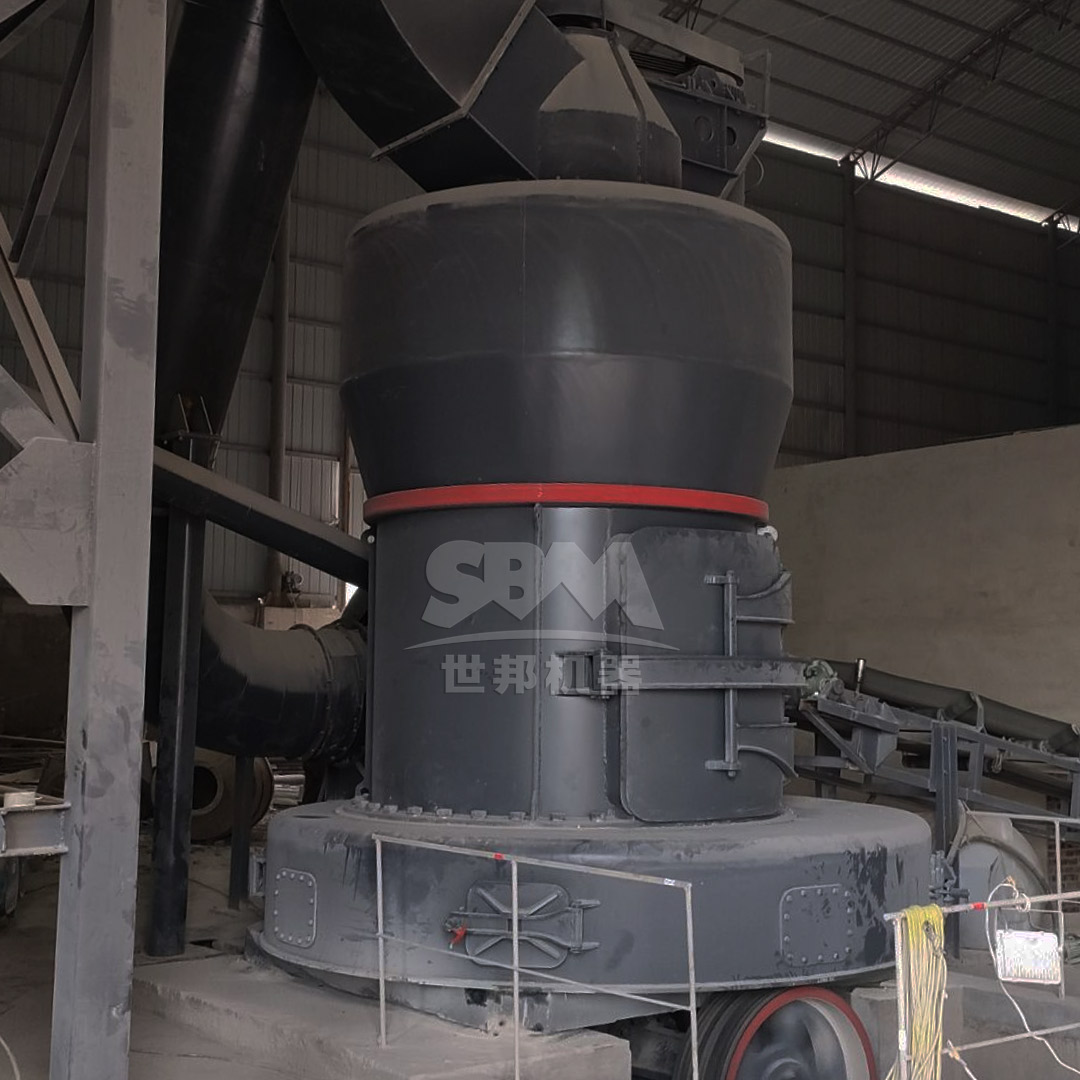
This is where ultra-fine grinding technology becomes indispensable. Our SCM Ultrafine Mill is specifically engineered to meet this challenge. It is the ideal equipment for transforming lithium carbonate or related compounds into the superfine powders required by advanced LIB manufacturers.
- Ultra-Fine Output with High Precision: The SCM mill can produce powders in the range of 325 to 2500 mesh (45 down to 5μm, D97). Its vertical turbine classifier ensures precise particle size切割, eliminating coarse particles and delivering a uniform product critical for cathode synthesis.
- Superior Energy Efficiency: Compared to traditional jet mills, the SCM mill offers twice the capacity while reducing energy consumption by approximately 30%, making the final processing step both effective and economical.
- Contamination-Free Grinding: The grinding chamber design, often featuring ceramic or special alloy rollers and rings, minimizes metallic contamination—a paramount concern for battery material purity. The fully enclosed, negative-pressure operation also ensures a dust-free environment.
- Scalable Solutions: With models like the SCM1680 offering capacities up to 25 tons per hour, the system can scale from pilot projects to full-scale industrial production of battery-grade lithium powders.
Integrating the SCM Ultrafine Mill into the later stages of the lithium slag valorization chain guarantees that the recovered lithium product meets the exacting standards of the battery industry, maximizing its commercial value.
Economic and Environmental Impact: Creating a Closed Loop
The adoption of lithium slag billet calcination technology presents a compelling value proposition:
- For Ceramic Companies: It transforms a waste liability into a new revenue stream, improves sustainability metrics, and reduces dependency on virgin lithium suppliers, hedging against price volatility.
- For the LIB Industry: It diversifies the lithium supply chain, reduces the environmental footprint associated with primary mining (land use, water consumption, carbon emissions), and promotes regional sourcing and security of supply.
- Environmental Benefits: The process embodies circular economy principles, reducing landfill waste, conserving natural lithium resources, and lowering the overall carbon intensity of lithium production.
Conclusion: A Strategic Synergy for a Sustainable Future
The convergence of ceramic industry byproducts and advanced battery material needs through processes like lithium slag billet calcination represents a powerful example of industrial symbiosis. The technical viability of this pathway is now well-established, and its economic attractiveness grows as lithium prices remain strong and sustainability pressures increase. The success of this transformation, however, relies heavily on deploying the right mechanical processing technologies at each stage—from the robust, high-capacity grinding of raw slag with mills like the MTW Series Trapezium Mill to the precision ultra-fine milling of final products with equipment like the SCM Ultrafine Mill. By embracing this integrated approach, ceramic companies are no longer just manufacturers; they become pivotal contributors to the clean energy ecosystem, turning waste into wonder and powering the future of mobility and energy storage.