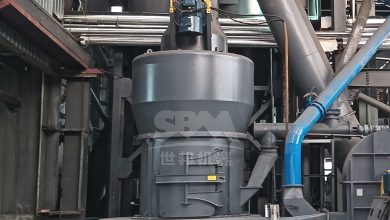
Lithium Extraction Process Overview and Application of Spodumene Grinding Mills in Spodumene Lithium Production
1. Introduction: The Critical Role of Spodumene in the Lithium Supply Chain
The global transition towards electrification and renewable energy has propelled lithium, a key component in lithium-ion batteries, to the forefront of critical minerals. Among the various lithium-bearing ores, spodumene (LiAlSi2O6) stands as the most commercially significant hard-rock source due to its relatively high lithium content (theoretically up to 8.03% Li2O). The efficient and cost-effective extraction of lithium from spodumene is a multi-stage process, with comminution—specifically the grinding stage—being a pivotal operation that directly influences downstream recovery rates, energy consumption, and overall project economics. This article provides a comprehensive overview of the spodumene lithium extraction process, with a detailed focus on the application and selection of advanced grinding mill technologies.
2. Overview of the Spodumene Lithium Extraction Process
The conversion of raw spodumene concentrate into battery-grade lithium compounds typically follows a pyrometallurgical pathway, which can be broken down into several key stages:
2.1. Mining and Beneficiation
After mining, the ore undergoes crushing and grinding to liberate spodumene crystals from the gangue minerals. Subsequent beneficiation processes, such as dense media separation (DMS) and flotation, are employed to produce a high-grade spodumene concentrate (typically 5.5-7.5% Li2O).
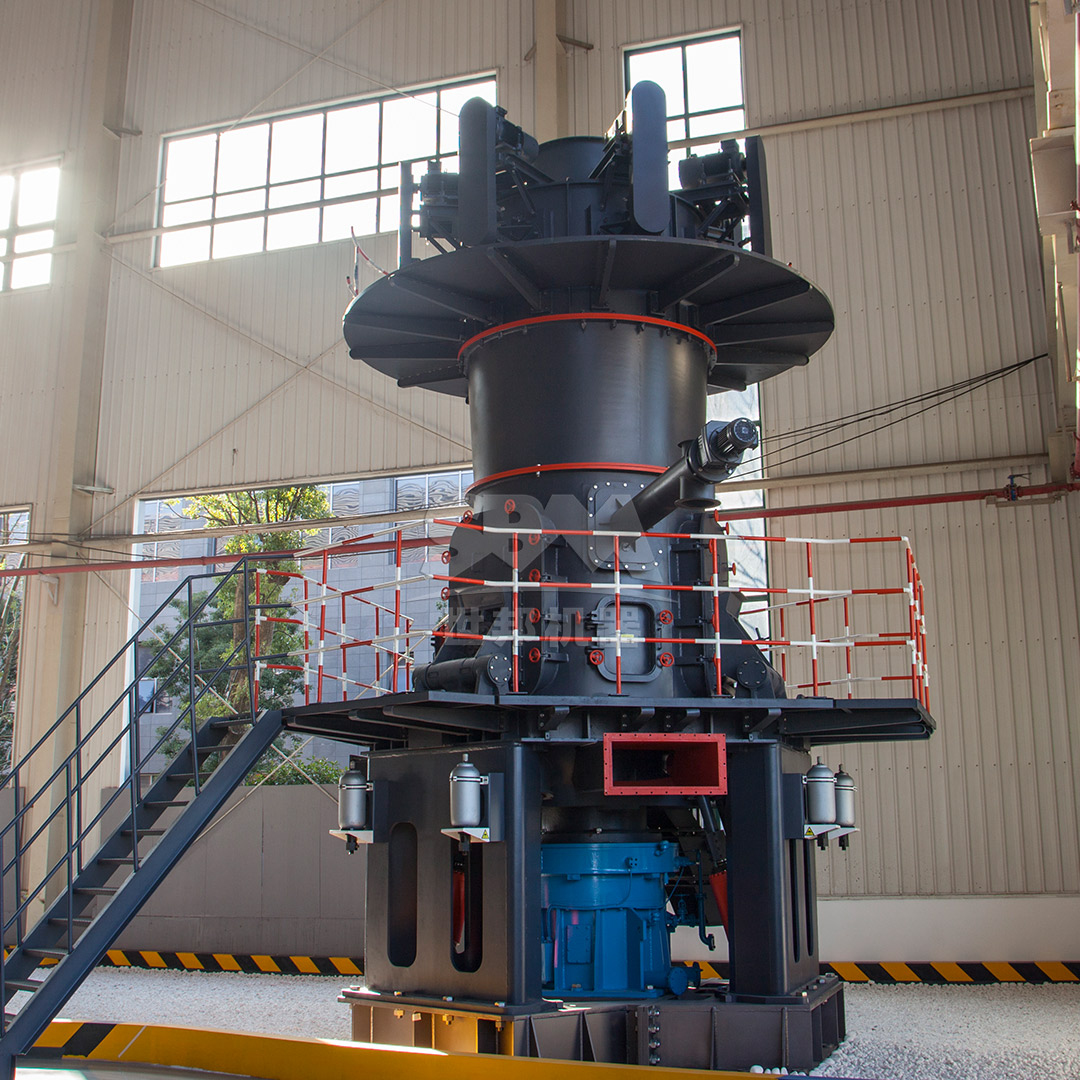
2.2. The Crucial Grinding Stage for Concentrate Preparation
The spodumene concentrate must be finely ground to a specific particle size distribution (PSD) before the next thermal treatment. Optimal fineness ensures a high surface area, which is critical for the subsequent phase transformation. Inadequate grinding can lead to incomplete conversion, while over-grinding wastes energy and may create ultrafines that cause operational issues. This stage demands mills capable of precise particle size control, high throughput, and robust performance against abrasive materials.
2.3. Calcination (Phase Conversion)
The finely ground concentrate is heated in a rotary kiln to approximately 1050-1100°C. This process converts the natural alpha-spodumene crystal structure into a more reactive, metastable beta-spodumene. The phase transformation is essential as alpha-spodumene is virtually inert to chemical attack.
2.4. Acid Roasting and Leaching
The calcined beta-spodumene is mixed with concentrated sulfuric acid and roasted again at 200-250°C. This acid roasting step converts lithium into water-soluble lithium sulfate. The roasted material is then water-leached to dissolve the lithium sulfate.
2.5. Purification and Precipitation
The lithium-bearing solution undergoes a series of purification steps (e.g., pH adjustment, precipitation of impurities) to remove contaminants like iron, aluminum, and magnesium. Finally, lithium carbonate or lithium hydroxide is precipitated, filtered, washed, and dried to produce a battery-grade product.
3. Key Requirements for Spodumene Grinding Mills
Selecting the right grinding technology for spodumene concentrate is paramount. The ideal mill must address several specific challenges:
- Abrasion Resistance: Spodumene is a hard and abrasive mineral (6.5-7 on the Mohs scale). Mill components in contact with the material must exhibit exceptional wear resistance to minimize downtime and maintenance costs.
- Precise Particle Size Control: The target fineness for calcination feed is typically in the range of 75-150 microns (200-100 mesh), with a narrow PSD. Efficient classification is as important as grinding itself.
- Energy Efficiency: Comminution is energy-intensive. Mills with superior grinding efficiency and lower specific energy consumption (kWh/ton) significantly reduce operational expenses.
- Reliability & Availability: Continuous operation is crucial for downstream process stability. The mill design must ensure high operational availability with minimal unplanned stops.
- Environmental Compliance: Dust control and low noise emissions are non-negotiable in modern mineral processing plants.
4. Application of Advanced Grinding Mill Technologies
While traditional ball mills have been used, advanced grinding technologies offer superior performance for spodumene applications. Two standout solutions are Vertical Roller Mills (VRMs) and European Trapezium Mills.
4.1. Vertical Roller Mill (VRM) for Large-Scale, Efficient Grinding
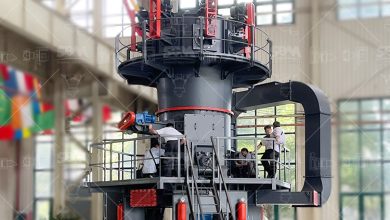
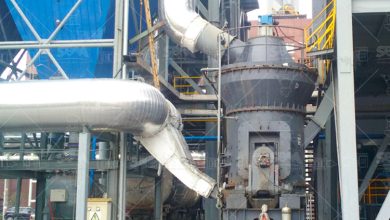
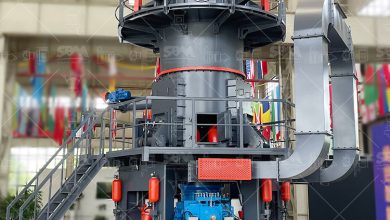
The LM Series Vertical Roller Mill represents a paradigm shift in dry grinding technology, offering distinct advantages for processing spodumene concentrate.
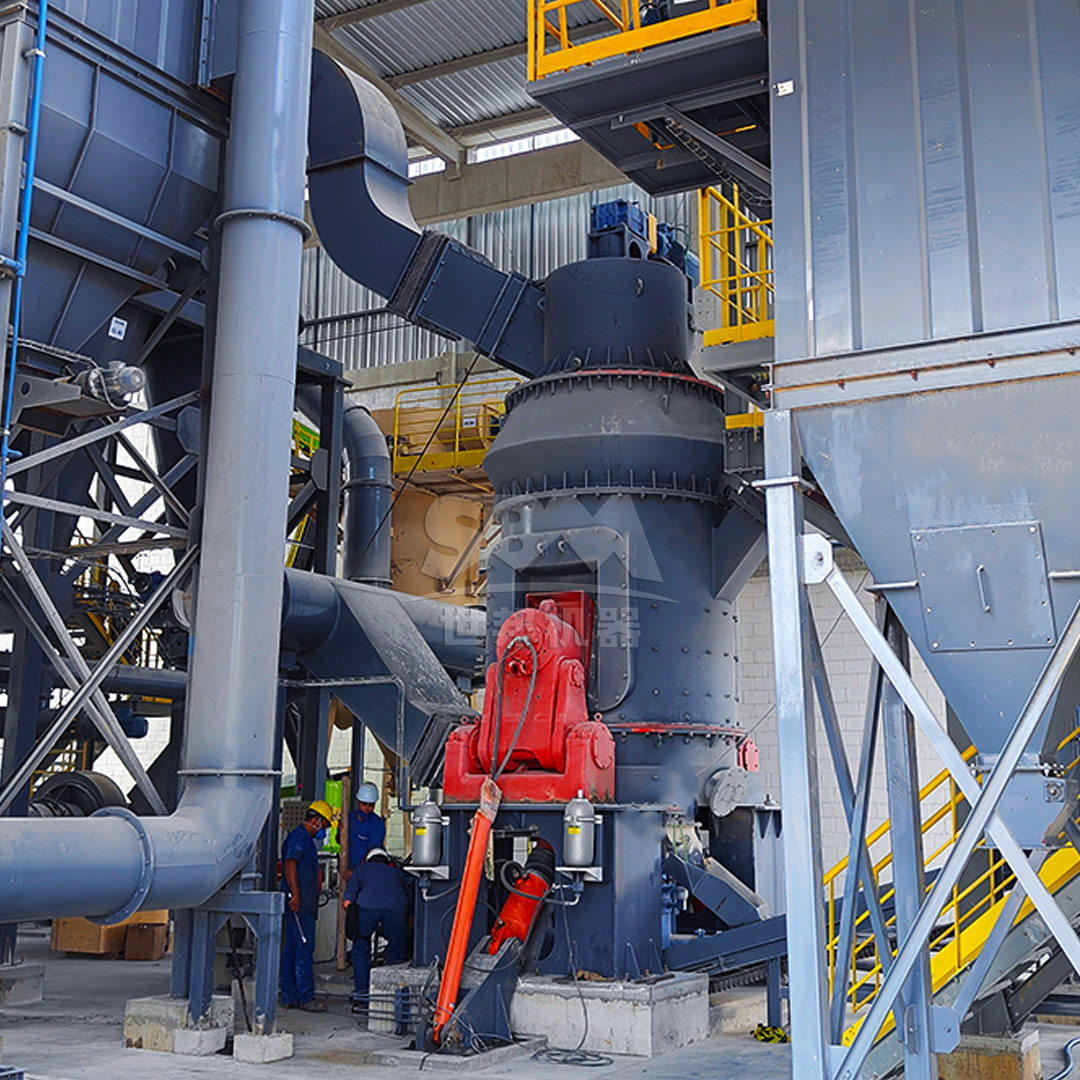
Its integrated design combines crushing, grinding, drying (if needed), and classification in a single compact unit, reducing plant footprint by up to 50%. The bed grinding principle, where material is ground between rollers and a rotating table, is highly energy-efficient, consuming 30-40% less power than a ball mill system for the same output. This is a critical factor given the energy demands of a lithium plant.
For spodumene, the wear-resistant design is crucial. The non-contact design between rollers and table, coupled with specially hardened rollers and liners, extends service life by multiples compared to conventional systems. Furthermore, the intelligent control system allows for precise, automated control over grinding parameters and finished product fineness, ensuring a consistent feed for the calcination kiln. Models like the LM190K (capacity 23-68 t/h) or LM220K (capacity 36-105 t/h) are ideally suited for medium to large-scale spodumene processing lines, providing the reliability and efficiency required for continuous production.
4.2. European Trapezium Mill for Precise and Flexible Grinding
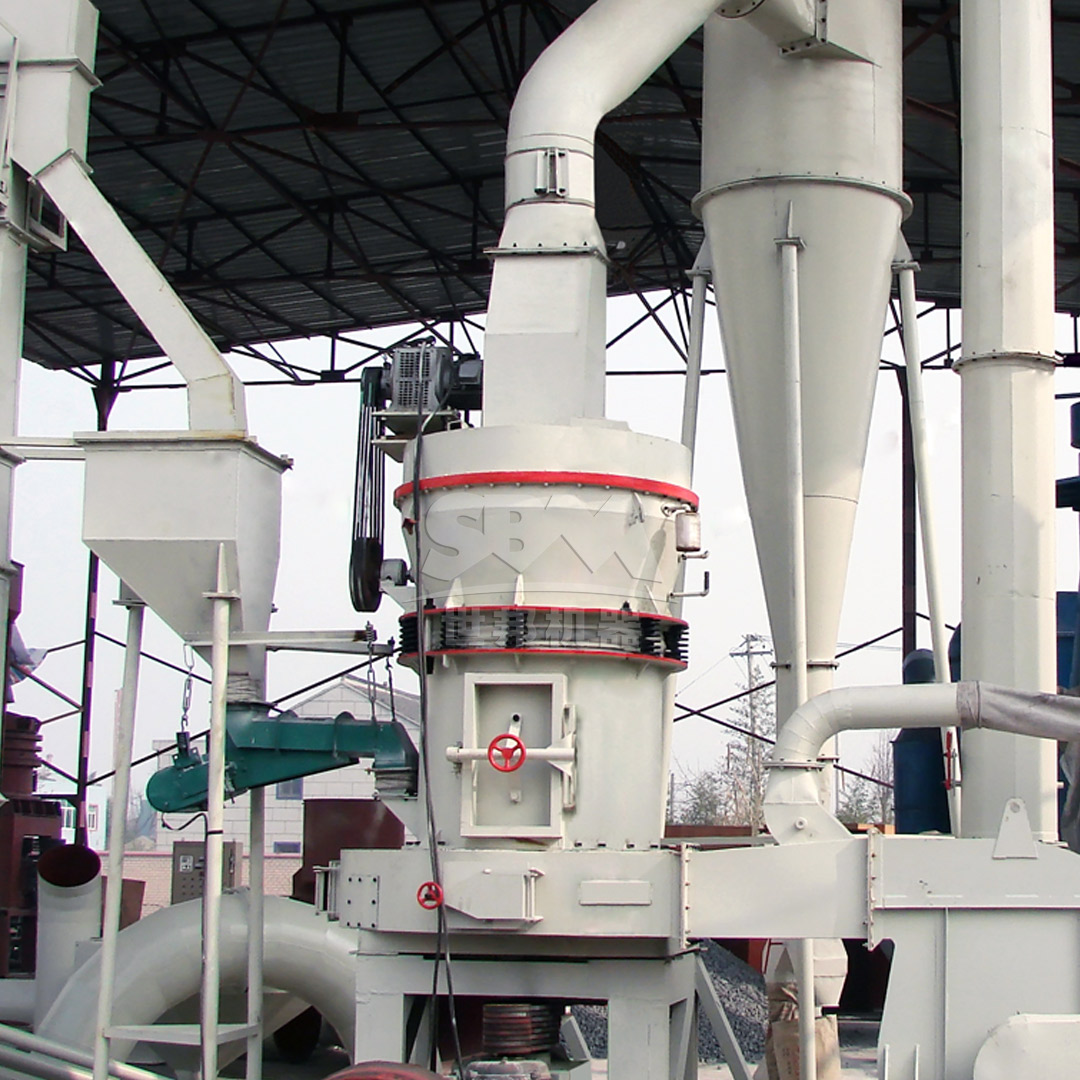
For projects requiring exceptional flexibility and precise classification within the fine to medium-fine range, the MTW Series European Trapezium Mill is an excellent choice. This mill is engineered for reliability and ease of maintenance, key considerations for abrasive materials.
Its innovative design features include an anti-wear shovel with a curved profile that efficiently feeds material into the grinding zone while maximizing component life. The integral bevel gear main drive boasts a transmission efficiency of up to 98%, ensuring powerful and smooth operation with lower energy loss. The wear-resistant volute structure and optimized arc air duct work in tandem with a high-efficiency turbine classifier to achieve sharp particle size cuts from 30 to 325 mesh (600 to 45 microns).
This makes the MTW series perfect for producing the precisely sized spodumene concentrate needed for calcination. A model such as the MTW175G, with a capacity range of 9.5-25 tons per hour, offers a robust and efficient grinding solution for many spodumene concentrators. Its modular design and accessible wear parts also contribute to lower lifetime operating costs.
5. Conclusion
The journey from spodumene ore to battery-grade lithium is complex and capital-intensive. Within this flowsheet, the grinding operation is not merely a size reduction step but a critical determinant of thermal process efficiency and overall project viability. Investing in advanced, purpose-built grinding technology—such as the energy-efficient and reliable LM Series Vertical Roller Mill or the precisely classifying MTW Series European Trapezium Mill—pays significant dividends. These technologies deliver the necessary abrasion resistance, particle size control, and energy savings to ensure a competitive, sustainable, and profitable spodumene lithium production operation, thereby powering the future of clean energy storage.