Large Coal Grinding Mill Equipment: Types and Applications
Introduction to Coal Grinding Technology
Coal grinding represents a critical process in numerous industrial applications, from power generation to cement production and metallurgical operations. The efficiency and reliability of coal grinding equipment directly impact operational costs, product quality, and environmental compliance. Modern coal grinding mills have evolved significantly, incorporating advanced technologies to meet the demanding requirements of contemporary industrial processes. This comprehensive guide explores the primary types of large coal grinding equipment, their operational principles, and specific application scenarios, providing valuable insights for industry professionals seeking optimal grinding solutions.
Major Types of Coal Grinding Mills
Vertical Roller Mills (VRM)
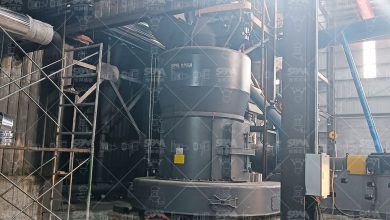
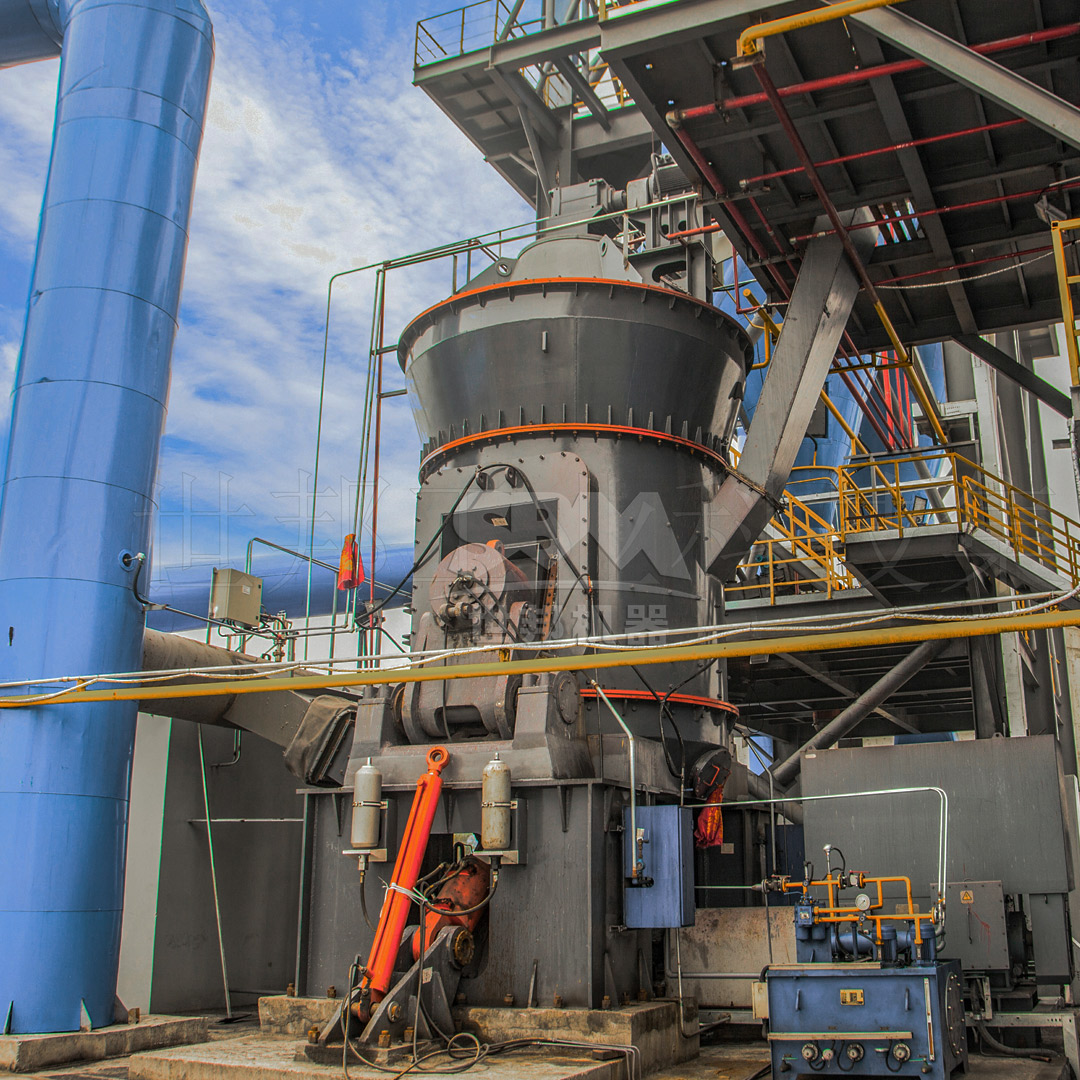
Vertical Roller Mills have emerged as the dominant technology in modern coal grinding applications due to their exceptional efficiency and compact design. These mills utilize large-diameter grinding tables and multiple grinding rollers to achieve precise particle size reduction through a combination of compression and shear forces. The integrated classification system within VRMs ensures consistent product quality while minimizing energy consumption. Modern VRMs feature advanced control systems that optimize grinding pressure, table speed, and air flow to maintain peak performance across varying feed conditions.
The operational principle involves feeding raw coal onto a rotating grinding table, where hydraulic or spring-loaded rollers exert controlled pressure to crush the material. Simultaneously, hot gas flows through the mill, drying the coal and transporting the ground particles to an integrated classifier. The classifier separates fine particles (product) from coarse material, which returns to the grinding table for further processing. This closed-circuit operation ensures high grinding efficiency and precise control over final product fineness.

Ball Mills and Tube Mills
Ball mills represent the traditional workhorse of coal grinding, particularly in older power plants and industrial facilities. These rotating cylindrical chambers contain grinding media (typically steel balls) that cascade and impact the coal particles, reducing them to the desired fineness. While generally less energy-efficient than vertical roller mills, ball mills offer exceptional reliability and can handle a wide range of coal types and moisture contents. The simplicity of their design translates to lower maintenance complexity and longer operational lifespans in many applications.
Tube mills, a variant of ball mills with multiple compartments, provide staged grinding that can optimize particle size distribution. The first compartment typically contains larger balls for coarse grinding, while subsequent compartments feature progressively smaller media for fine grinding. This compartmentalized approach can enhance overall grinding efficiency and provide more control over the final product characteristics. However, the higher energy consumption compared to VRMs has limited new installations in recent years.
Medium-Speed Mills
Medium-speed mills, including bowl mills and roller-race designs, occupy an important position in coal grinding applications, particularly for direct firing systems in power generation. These mills operate at rotational speeds between low-speed ball mills and high-speed impact mills, striking a balance between wear characteristics and grinding efficiency. The typical configuration includes a rotating grinding bowl or table with stationary or spring-loaded rollers that crush the coal fed from above.
The grinding mechanism in medium-speed mills combines compression with a slight shearing action, making them well-suited for a broad spectrum of coal hardness and abrasiveness. Their compact footprint and relatively quick response to load changes make them ideal for pulverized coal injection in blast furnaces and fluidized bed combustion systems. Modern designs incorporate dynamic classifiers that allow real-time adjustment of product fineness to match combustion requirements.
Key Selection Criteria for Coal Grinding Equipment
Coal Characteristics and Grindability
The selection of appropriate coal grinding equipment must begin with a thorough analysis of the coal’s physical and chemical properties. The Hardgrove Grindability Index (HGI) serves as the primary metric for assessing how easily a particular coal can be pulverized, with higher values indicating easier grinding. Beyond HGI, moisture content, volatile matter, ash composition, and abrasiveness significantly influence mill selection and sizing. High-moisture coals may require more robust drying systems, while abrasive coals demand wear-resistant materials in critical components.
Particle size distribution of the feed material represents another crucial consideration. Mills must accommodate the maximum expected feed size while maintaining efficient operation. The presence of hard impurities, such as pyrite or rocks, may necessitate pre-crushing or the selection of mills with higher tolerance for foreign materials. Understanding these coal characteristics ensures the selected equipment will deliver consistent performance throughout its operational life.
Capacity and Product Fineness Requirements
Determining the required grinding capacity involves analyzing both current needs and future expansion plans. Equipment selection must balance capital investment against operational efficiency, with consideration for partial load operation and turndown capability. The relationship between capacity and product fineness is particularly important, as finer grinding typically reduces throughput while increasing energy consumption. Modern classification systems help optimize this balance by ensuring only properly sized particles exit the grinding circuit.
Product fineness requirements vary significantly based on the application. Pulverized coal combustion typically demands 70-80% passing 200 mesh (75μm), while specialized applications like carbon injection or synthetic fuel production may require substantially finer products. The selected mill must consistently achieve the target fineness across the full range of expected operating conditions, with minimal oversize particles that could compromise downstream processes.
Energy Efficiency and Operational Costs
Energy consumption represents the single largest operational cost in coal grinding, making efficiency a paramount consideration in equipment selection. Advanced grinding technologies can reduce specific energy consumption by 30-50% compared to conventional approaches, with substantial financial and environmental benefits. Beyond the grinding process itself, auxiliary systems such as classifiers, feeders, and dust collectors contribute significantly to overall energy usage and must be evaluated holistically.
Operational costs extend beyond energy to include maintenance, wear part replacement, and system availability. Mills with longer maintenance intervals and easily replaceable wear components can substantially reduce lifetime costs, even with higher initial investment. The trend toward predictive maintenance, enabled by advanced monitoring systems, further optimizes operational expenditures by preventing unplanned downtime and extending component life.
Advanced Coal Grinding Solutions
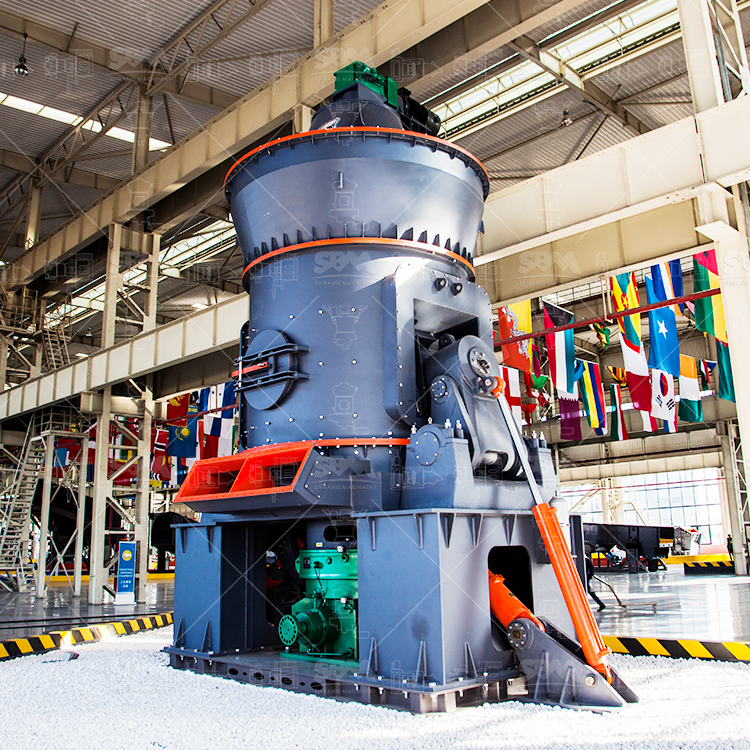
LM Series Vertical Roller Mill for Coal Applications
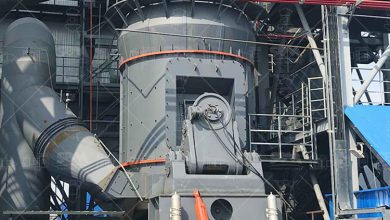
Our LM Series Vertical Roller Mills represent the pinnacle of coal grinding technology, combining decades of engineering expertise with innovative features that maximize performance and minimize operational costs. Specifically designed for coal grinding applications, these mills feature optimized grinding geometry, advanced material selection, and intelligent control systems that adapt to varying coal characteristics. The integrated drying capability handles feed moisture up to 15% without requiring separate drying equipment, simplifying the overall system layout.
The LM Series employs a patented grinding roller design that ensures uniform pressure distribution across the grinding bed, resulting in consistent product quality and reduced vibration. The segmented grinding table and rollers facilitate maintenance by allowing replacement of worn sections without dismantling the entire mill. With capacities ranging from 3 to 90 tons per hour and product fineness adjustable between 5% and 20% residue on 90μm, these mills cover the complete spectrum of industrial coal grinding requirements.
Key technical advantages of our LM Vertical Coal Mills include:
- Compact Design: Integrated system with crushing, grinding, and separation functions reduces footprint by 50% compared to traditional systems
- Low Operating Costs: Non-contact design between grinding rollers and table extends wear part life up to 3 times, with 30-40% lower energy consumption versus ball mill systems
- Intelligent Control: Expert automatic control system supports remote/local operation switching with real-time parameter monitoring
- Environmental Compliance: Fully sealed negative pressure operation ensures dust emissions below 20mg/m³ with operating noise ≤80dB(A)
With models specifically engineered for coal applications, including the LM130M (10-17 t/h), LM150M (16-22 t/h), and LM190M (26-40 t/h), our LM Series provides tailored solutions for operations of any scale. The modular design allows for straightforward capacity expansion as production requirements evolve.
MTW Series Trapezium Mill for Coal Preparation
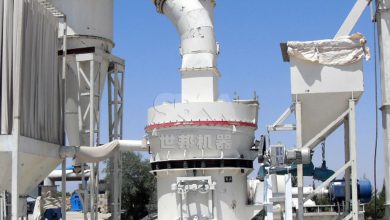
For applications requiring precise control over product fineness with moderate capacity requirements, our MTW Series Trapezium Mill offers an exceptional balance of performance, reliability, and operational flexibility. The innovative curved air channel design minimizes turbulence and pressure loss, enhancing classification efficiency while reducing fan power consumption. The combined blade design of the grinding shovel reduces maintenance frequency and costs, while the specially formulated wear-resistant materials in critical components ensure extended service life even with abrasive coal varieties.
The MTW Series incorporates a bevel gear overall transmission system that achieves remarkable 98% transmission efficiency, significantly higher than conventional designs. This direct drive approach eliminates alignment issues and reduces space requirements, resulting in a more compact installation footprint. The intelligent pressure adjustment system automatically compensates for roller and ring wear, maintaining consistent grinding pressure and product quality throughout the maintenance cycle.
Notable features of our MTW Trapezium Mills include:
- Anti-Wear Shovel Design: Combined shovel blades reduce maintenance costs with curved design extending roller life
- Optimized Air Channel: Curved air passage reduces energy loss with high-strength guard plates protecting working surfaces
- Integrated Bevel Gear Transmission: 98% transmission efficiency with space-saving design that reduces installation costs
- Wear-Resistant Volute Structure: Non-blocking design improves air classification efficiency, reducing maintenance costs by 30%
Available in multiple configurations including the MTW138Z (6-17 t/h) and MTW175G (9.5-25 t/h), these mills provide reliable performance across diverse coal grinding applications with product fineness adjustable between 30-325 mesh.
Application-Specific Considerations
Power Generation
Coal grinding for power generation demands exceptional reliability and rapid response to load changes, as mill performance directly impacts boiler efficiency and emissions. The trend toward supercritical and ultra-supercritical steam parameters has increased the importance of consistent coal fineness, with modern plants typically targeting 75-80% passing 200 mesh. Mills must maintain this specification while accommodating wide variations in coal quality, particularly in regions where fuel sourcing flexibility provides economic advantages.
Direct firing systems, where coal is ground and immediately injected into the boiler, require particularly precise control over the air-to-coal ratio and particle size distribution. Advanced classification systems with real-time adjustment capabilities have become essential for optimizing combustion efficiency while minimizing unburned carbon and NOx emissions. The integration of mill dynamics with overall plant control systems enables coordinated response to grid demand fluctuations.
Cement and Lime Production
In cement production, coal grinding serves the dual purpose of preparing fuel for kiln firing and, in some cases, producing pulverized coal for other process heating applications. The specific requirements vary significantly based on kiln technology, with precalciner systems typically demanding finer coal than traditional long kilns. Product moisture content represents a critical parameter, as excessive moisture can negatively impact combustion efficiency and increase heat consumption.
Coal grinding systems in cement plants often operate in parallel with raw material and cement grinding circuits, creating opportunities for operational synergies. Shared auxiliary systems, maintenance schedules, and operational expertise can reduce overall costs while improving system availability. The abrasiveness of coal ash components necessitates careful material selection in mill internals, particularly when processing coals with high quartz or pyrite content.
Metallurgical Applications
Pulverized coal injection (PCI) into blast furnaces represents a sophisticated application with stringent requirements for coal fineness and consistency. Typically targeting 80-85% passing 200 mesh, PCI systems demand precise control over particle size distribution to ensure optimal combustion in the raceway and maximum coke replacement rates. The high injection rates in modern blast furnaces (200 kg/ton of hot metal) necessitate reliable grinding systems with minimal downtime.
Beyond PCI, coal grinding supports various other metallurgical processes including direct reduction, sintering, and heat treatment operations. Each application presents unique challenges regarding product specifications, system availability, and integration with upstream and downstream processes. The selection of appropriate grinding technology must consider these specific requirements alongside more general factors such as coal characteristics and capacity needs.
Future Trends in Coal Grinding Technology
The evolution of coal grinding technology continues to focus on enhancing efficiency, reliability, and environmental performance. Digitalization represents a particularly promising direction, with advanced sensors and data analytics enabling predictive maintenance, optimized operation, and reduced energy consumption. Machine learning algorithms can identify subtle patterns in operational data to anticipate maintenance needs or optimize grinding parameters in response to changing coal characteristics.
Material science innovations continue to extend the service life of wear components, particularly in high-stress areas such as grinding elements and classifier blades. Advanced ceramics and metal matrix composites offer promising alternatives to traditional materials, potentially doubling component life in abrasive applications. Meanwhile, system-level innovations, such as the integration of grinding with downstream processes, create opportunities for holistic optimization that transcends traditional equipment boundaries.
As environmental regulations tighten globally, coal grinding systems must increasingly address emissions beyond the traditional focus on particulate matter. Technologies for mercury capture, SO3 reduction, and carbon sequestration integration are becoming important considerations in system design. The coal grinding equipment of the future will likely feature enhanced capabilities in these areas while maintaining the operational excellence that industrial processes demand.
Conclusion
Selecting the appropriate coal grinding equipment requires careful consideration of multiple factors, including coal characteristics, capacity requirements, product specifications, and operational constraints. Vertical roller mills have established themselves as the preferred technology for most new installations, offering superior energy efficiency, compact footprint, and operational flexibility. However, specific applications may benefit from alternative technologies such as medium-speed mills or ball mills, particularly when dealing with unusual coal properties or existing plant configurations.
Our LM Series Vertical Roller Mills and MTW Series Trapezium Mills represent cutting-edge solutions that address the diverse needs of modern coal grinding applications. With their advanced features, robust construction, and intelligent control systems, these mills deliver exceptional performance across the spectrum of industrial requirements. As coal continues to play a vital role in global energy and industrial production, advancing grinding technology remains essential for maximizing efficiency while minimizing environmental impact.