Key Performance Indicators of Graphite Anode Materials for Lithium-ion Batteries
Introduction
The relentless pursuit of higher energy density, faster charging, longer cycle life, and enhanced safety in lithium-ion batteries (LIBs) has placed unprecedented demands on anode materials. Among various candidates, graphite remains the dominant commercial anode material due to its excellent balance of electrochemical performance, cost, and processability. The quality and performance of graphite anodes are not inherent properties of the raw material alone but are critically determined by the precision and consistency of the processing technology. This article delves into the key performance indicators (KPIs) of graphite anode materials and explores how advanced grinding and milling technologies are fundamental to achieving these benchmarks.
1. Core Performance Indicators of Graphite Anode Materials
1.1 Particle Size and Distribution (D50, Span)
Particle size is a foundational KPI. A smaller particle size (typically D50 ranging from 10-20 μm for artificial graphite and 15-25 μm for natural flake graphite) shortens the lithium-ion diffusion path, improving rate capability. However, excessively fine particles can reduce tap density and increase specific surface area, leading to higher irreversible capacity loss in the first cycle. More critical than the average size is the particle size distribution (PSD). A narrow PSD (low span value) ensures uniform electrochemical reactivity across all particles, leading to stable voltage profiles and prolonged cycle life. Broad distributions cause uneven current distribution, localized over-lithiation, and accelerated degradation.
1.2 Specific Surface Area (SSA)
Specific Surface Area, measured in m²/g, directly impacts the formation of the Solid Electrolyte Interphase (SEI). A high SSA provides more sites for electrolyte decomposition, consuming more lithium ions to form a thicker SEI layer, which reduces first-cycle Coulombic efficiency and overall capacity. For optimal performance, graphite anodes require a controlled, moderate SSA. Advanced milling techniques must achieve the target particle size without creating excessive fresh, reactive surfaces through abrasive or fracturing mechanisms.
1.3 Tap Density and Electrode Density
Tap density influences the volumetric energy density of the final battery. Denser graphite particles allow for thicker, more compact electrode coatings with less porosity, packing more active material into the same volume. Achieving high tap density often requires spherical or near-spherical particle morphology, which is engineered through specialized shaping and classification processes during milling.
1.4 Crystal Structure and Degree of Graphitization
The electrochemical capacity of graphite is tied to its ability to form lithium intercalation compounds (LiC6). A high degree of graphitization, indicated by a large crystallite size (Lc) and low interlayer spacing (d002), is essential for achieving a theoretical capacity close to 372 mAh/g. Processing must not introduce excessive amorphous carbon or disrupt the crystalline order through mechanical damage.
1.5 Impurity Content
Metallic impurities (e.g., Fe, Cu, Cr) can catalyze electrolyte decomposition and promote lithium dendrite growth, posing severe safety risks. Other impurities like sulfur and oxygen can lead to gas generation and cell swelling. High-purity milling systems constructed with wear-resistant materials and featuring fully enclosed, contamination-controlled designs are non-negotiable for producing battery-grade graphite.
2. The Critical Role of Processing Equipment in Achieving KPIs
Transforming raw graphite into battery-grade anode material is a sophisticated engineering challenge. The choice of grinding, milling, and classification technology directly dictates the final particle morphology, surface chemistry, and consistency—all of which underpin the KPIs discussed above.
2.1 The Need for Precision and Flexibility
An ideal processing system must offer:
Precise Classification: To achieve the narrow PSD required for high-performance anodes.
Controlled Particle Morphology: To optimize tap density and SSA.
High Purity & Low Contamination: To meet stringent impurity standards.
Energy Efficiency: To reduce the overall cost and carbon footprint of production.
Scalability and Stability: To ensure batch-to-batch consistency in large-scale manufacturing.
3. Recommended Solutions for Graphite Anode Processing
Based on the stringent KPIs for graphite anode materials, we recommend our advanced milling systems designed specifically for high-value, precision mineral processing.
3.1 For Ultrafine Grinding (Final Stage): SCM Series Ultrafine Mill
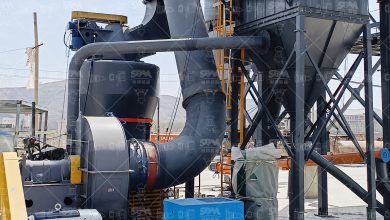
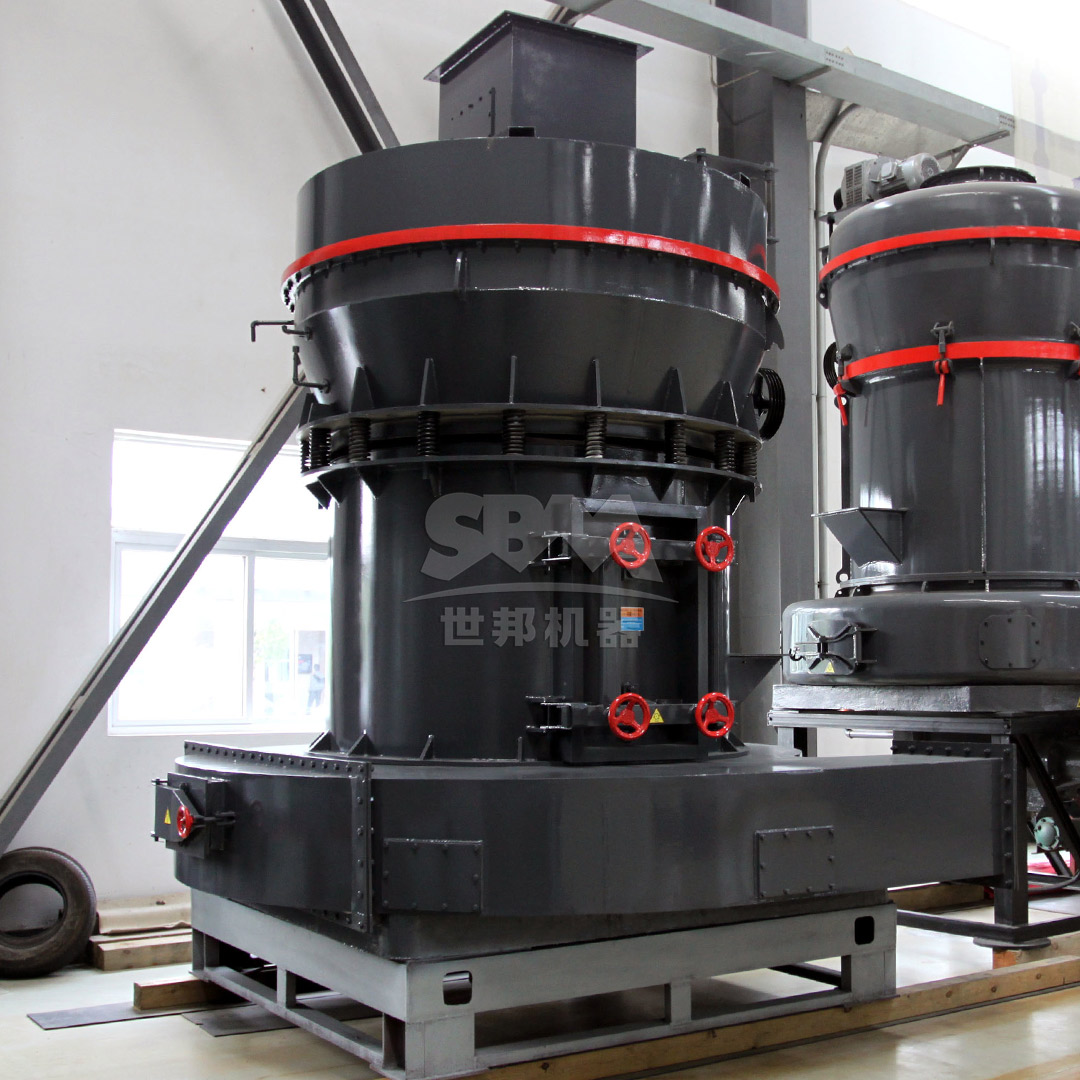
For producing the final, coated spherical graphite or ultrafine artificial graphite powders, the SCM Series Ultrafine Mill is an industry-leading solution. Its technical advantages align perfectly with anode material requirements:
- High-Precision Classification: The integrated vertical turbine classifier provides exceptional particle size cutting accuracy, enabling the production of graphite powders with a D50 as fine as 5μm and a very narrow distribution, which is crucial for rate performance and cycle life.
- Superior Product Uniformity: The design ensures no coarse powder mixing, resulting in a highly consistent finished product essential for stable electrode slurry processing and electrochemical performance.
- Eco-friendly & Contamination-Free: The pulse dust collection system exceeds international standards, ensuring a completely sealed, negative-pressure operation. This prevents product loss and, more importantly, eliminates environmental contamination and cross-contamination between batches. The special material rollers and rings minimize wear-induced metallic contamination.
- High Efficiency: With capacity reportedly 2x that of jet mills and 30% lower energy consumption, the SCM series offers a cost-effective path to high-quality ultrafine graphite. Models like the SCM1000 (1.0-8.5 t/h, 325-2500 mesh) are ideally suited for large-scale anode material production lines.
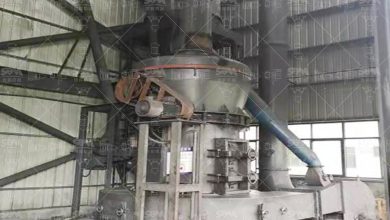
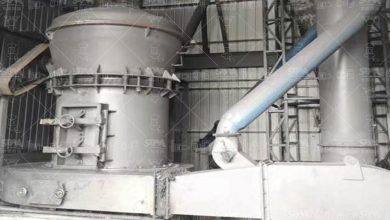
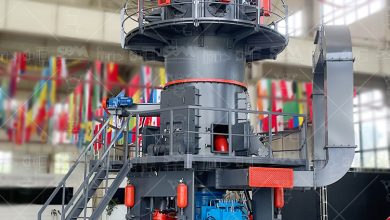
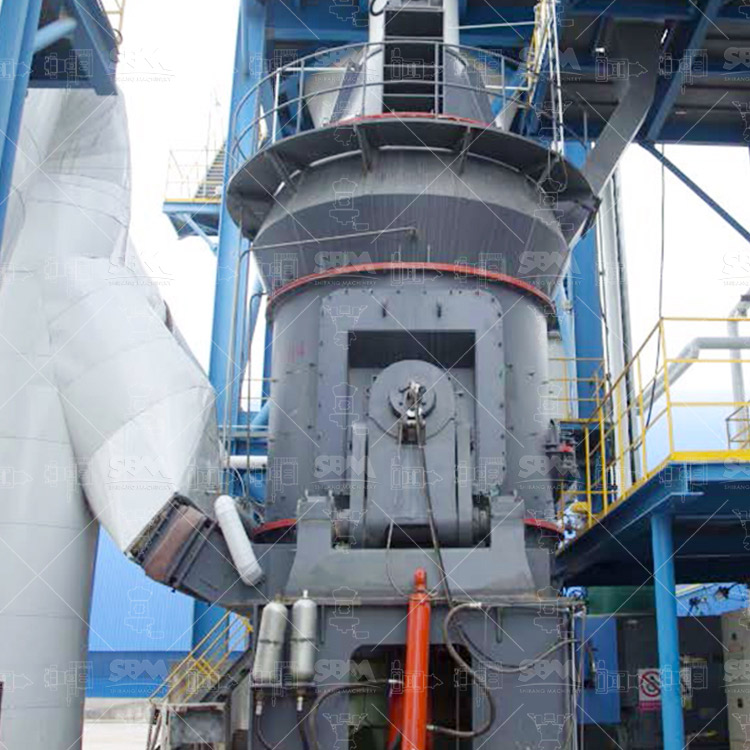
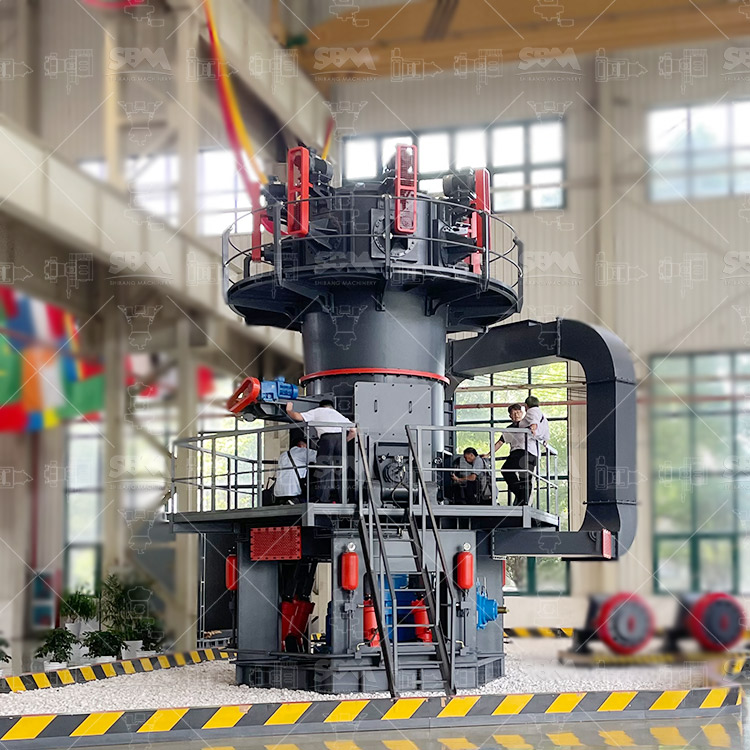
3.2 For Pre-grinding and High-Capacity Processing: LM Series Vertical Roller Mill
For the initial size reduction of natural graphite flakes or artificial graphite precursors, the LM Series Vertical Roller Mill offers unparalleled efficiency and control.
- Integrated & Efficient Design: The system integrates crushing, grinding, drying, and classification in a single unit, reducing footprint by 50%. Its bed grinding principle is highly energy-efficient, consuming 30-40% less power than traditional ball mills, which significantly lowers operational costs.
- Excellent Particle Morphology Control: The grinding mechanism promotes a more spherical particle shape compared to impact-based mills, contributing to higher tap density—a key KPI for volumetric energy density.
- Intelligent Operation: The expert-level automatic control system allows for real-time monitoring and adjustment of key parameters like grinding pressure and classifier speed. This ensures consistent product fineness (adjustable from 30-325 mesh, up to 600 mesh for special models) despite variations in feed material, which is vital for process stability.
- Robust and Low-Wear: The non-contact design between rollers and the grinding table, along with wear-resistant materials, extends service life and minimizes maintenance downtime. Models such as the LM190K (23-68 t/h capacity) provide the high throughput needed for modern gigafactories.
4. Conclusion
The performance of lithium-ion batteries is inextricably linked to the quality of their graphite anode materials, which is defined by a strict set of KPIs including particle size distribution, specific surface area, tap density, and purity. Achieving and consistently meeting these KPIs at a commercial scale requires more than just high-quality raw graphite; it demands advanced, precision-engineered processing equipment. Technologies like the SCM Series Ultrafine Mill for final precision grinding and the LM Series Vertical Roller Mill for high-efficiency pre-grinding are not merely tools but enabling platforms. They provide the necessary control over particle morphology, size distribution, and production environment to transform raw graphite into the high-performance anode material that powers the future of electric mobility and energy storage. Investing in the right processing technology is, therefore, a critical strategic decision for any company aiming to lead in the competitive battery materials market.