Key Features of Guilin Limestone Grinding Mills: A Comprehensive Overview
Introduction to Limestone Grinding Technology
The processing of limestone into fine powders requires specialized grinding equipment capable of handling the unique physical and chemical properties of this abundant sedimentary rock. Guilin-based grinding mills have established themselves as industry leaders in this field, combining innovative engineering with practical operational efficiencies. This comprehensive overview examines the key technological features that make these mills particularly well-suited for limestone processing applications across various industries including construction materials, industrial fillers, environmental desulfurization, and chemical production.
Fundamental Principles of Limestone Comminution
Limestone grinding operates on several fundamental principles of size reduction, each optimized for different final product requirements. Impact crushing, compression grinding, and attrition milling represent the primary mechanisms employed across various mill designs. The selection of appropriate grinding technology depends on multiple factors including feed size distribution, desired product fineness, production capacity requirements, and energy consumption targets. Modern limestone grinding systems integrate these principles with advanced classification technologies to achieve precise particle size distributions while maximizing operational efficiency.
Critical Technical Parameters in Mill Selection
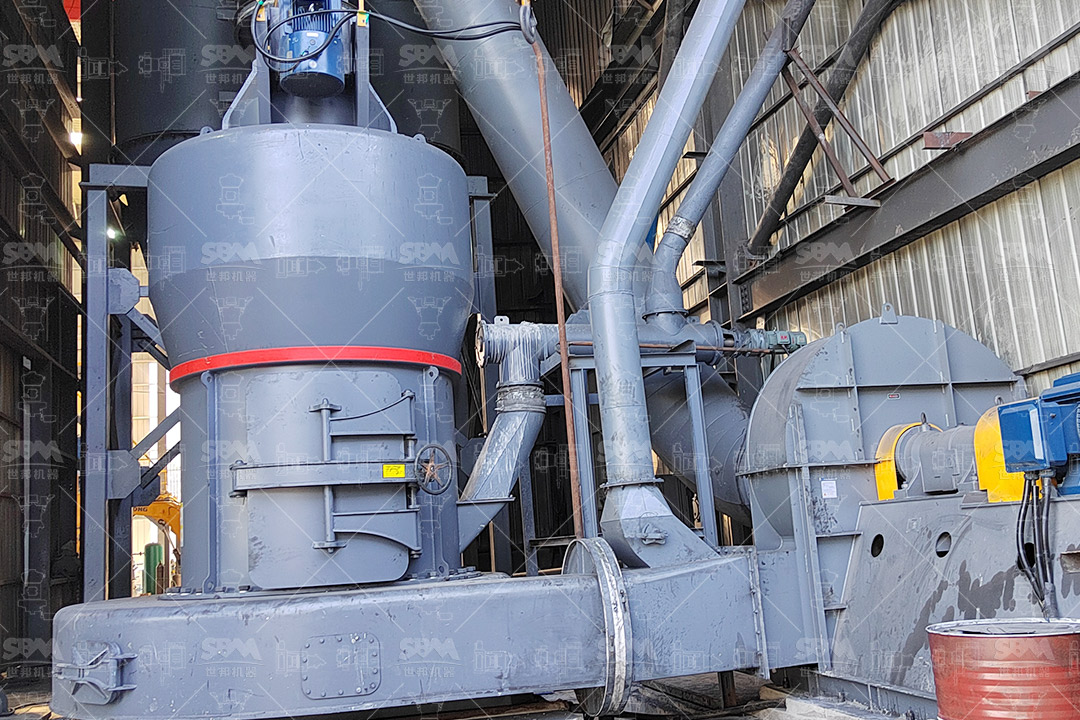
When selecting grinding equipment for limestone processing, several technical parameters demand careful consideration. Feed size limitations directly impact preliminary crushing requirements, while product fineness specifications determine the appropriate grinding mechanism and classification system. Production capacity must align with operational targets, and energy consumption per ton of product represents a significant operational cost factor. Additional considerations include wear part longevity, maintenance requirements, installation footprint, and environmental compliance capabilities. Understanding the interplay between these parameters enables optimal equipment selection for specific application requirements.
SCM Series Ultrafine Mill: Precision in Fine Grinding
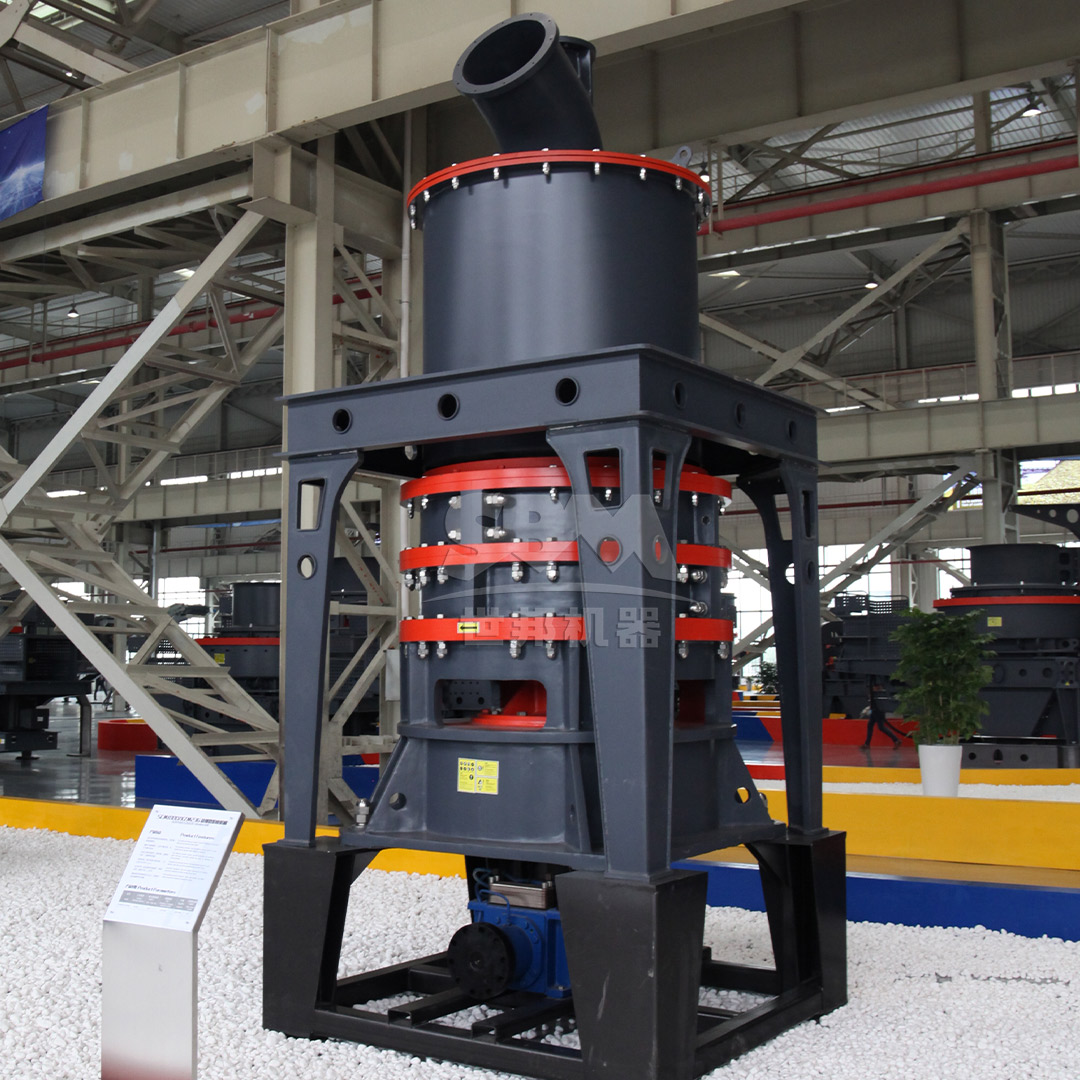
For applications requiring exceptionally fine limestone powders, the SCM Series Ultrafine Mill represents the pinnacle of grinding technology. With the capability to produce powders ranging from 325 to 2500 mesh (D97≤5μm), this mill series excels in high-value applications where particle size distribution consistency is critical. The technological foundation of the SCM series incorporates a vertical turbine classifier that enables precise particle size cuts without coarse powder contamination. This ensures uniform product quality batch after batch, making it ideal for industrial fillers, high-grade coatings, and specialized chemical applications.
The operational efficiency of the SCM Ultrafine Mill stems from its innovative grinding chamber design, which features special material rollers and grinding rings that significantly extend service life compared to conventional components. The absence of bearing screws in the grinding cavity enhances operational stability while reducing maintenance requirements. With capacity reaching 25 tons per hour depending on model selection and energy consumption approximately 30% lower than jet mills with double the output, the SCM series represents a significant advancement in ultrafine limestone processing technology.
MTW Series Trapezium Mill: Versatility in Medium-Fine Grinding
The MTW Series Trapezium Mill addresses the broad middle range of limestone grinding applications with exceptional versatility and reliability. Capable of processing feed materials up to 50mm in size and producing powders from 30 to 325 mesh, this mill series finds application across construction materials, industrial fillers, and agricultural supplements. The distinctive curved air channel design minimizes airflow resistance, enhancing transmission efficiency while reducing energy consumption. Combined wear-resistant components, including specially designed shovel blades and grinding rollers, significantly reduce maintenance frequency and operational costs.
Among its notable technical features, the MTW series incorporates an integrated conical gear transmission system that achieves remarkable 98% transmission efficiency. This innovative approach not only saves installation space but also reduces overall project costs. The wear-resistant volute structure employs a non-blocking design that improves air classification efficiency while lowering maintenance costs by approximately 30%. With capacities ranging from 3 to 45 tons per hour across different models, the MTW series offers scalable solutions for operations of varying sizes.
LM Series Vertical Roller Mill: High-Capacity Processing Solution
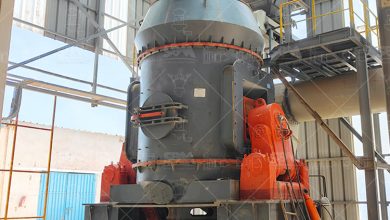
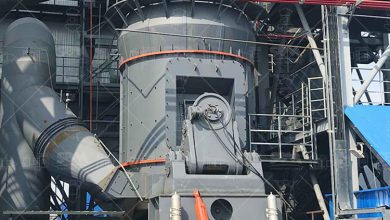
For large-scale limestone processing operations, the LM Series Vertical Roller Mill provides an integrated solution that combines crushing, grinding, and classification within a single compact unit. This integrated approach reduces the installation footprint by up to 50% compared to traditional grinding systems, with some models capable of outdoor installation to further minimize construction costs. The non-contact design between grinding rollers and the grinding table extends wear part life up to three times that of conventional systems, while energy consumption reductions of 30-40% compared to ball mill systems represent significant operational savings.
The intelligent control system featured in LM series mills incorporates expert-level automation with remote/local operation switching capabilities. Real-time monitoring of operational parameters minimizes manual intervention while optimizing performance. Environmental compliance is ensured through fully sealed negative pressure operation that maintains dust emissions below 20mg/m³, with operational noise levels not exceeding 80dB(A). With capacities extending to 250 tons per hour in larger models, the LM series represents the forefront of high-volume limestone processing technology.
MTM Series Medium-Speed Trapezium Mill: Balanced Performance Characteristics
The MTM Series Medium-Speed Trapezium Mill strikes an optimal balance between production capacity, energy efficiency, and operational stability for medium-fine limestone grinding applications. Its intelligent pressure regulation system automatically compensates for roller wear through spring-loaded mechanisms, extending the service life of roller and ring components by approximately 30%. The innovative grinding roller assembly features a horizontal pull rod connection structure that protects main shaft bearings while the radial force design efficiently processes larger feed materials.
Vibration and noise reduction represent another area where the MTM series demonstrates technical excellence. The incorporation of damping springs combined with sealing strips provides dual noise reduction, while specialized resonance elimination technology ensures smooth operation across the entire speed range. Environmental compliance is achieved through configurable multi-stage dust collection options that exceed national emission standards. With capacities ranging from 3 to 22 tons per hour, the MTM series offers reliable performance for operations requiring consistent medium-fine limestone powders.
Ball Mill Technology: Traditional Approach with Modern Enhancements
While newer grinding technologies have emerged, ball mills maintain relevance in specific limestone processing applications due to their exceptional versatility and proven reliability. Capable of operating in both dry and wet modes, ball mills accommodate diverse processing requirements across cement production, metallurgical applications, and chemical industries. The high reduction ratio of 300:1 enables significant size reduction in a single pass, with continuous fineness adjustment capabilities throughout the operational range.
Large-capacity designs represent a particular strength of modern ball mills, with maximum effective volumes reaching 79m³ in the largest models to support continuous large-scale production. The mature technological foundation of ball mill systems contributes to exceptional operational reliability, with documented reductions in failure-related downtime of up to 40% compared to earlier generations. Voltage adaptability ranges from 380V for smaller units to 6-10KV high-voltage motors for industrial-scale installations, providing flexibility across different power supply scenarios.
Advanced Auxiliary Equipment for Complete Grinding Systems
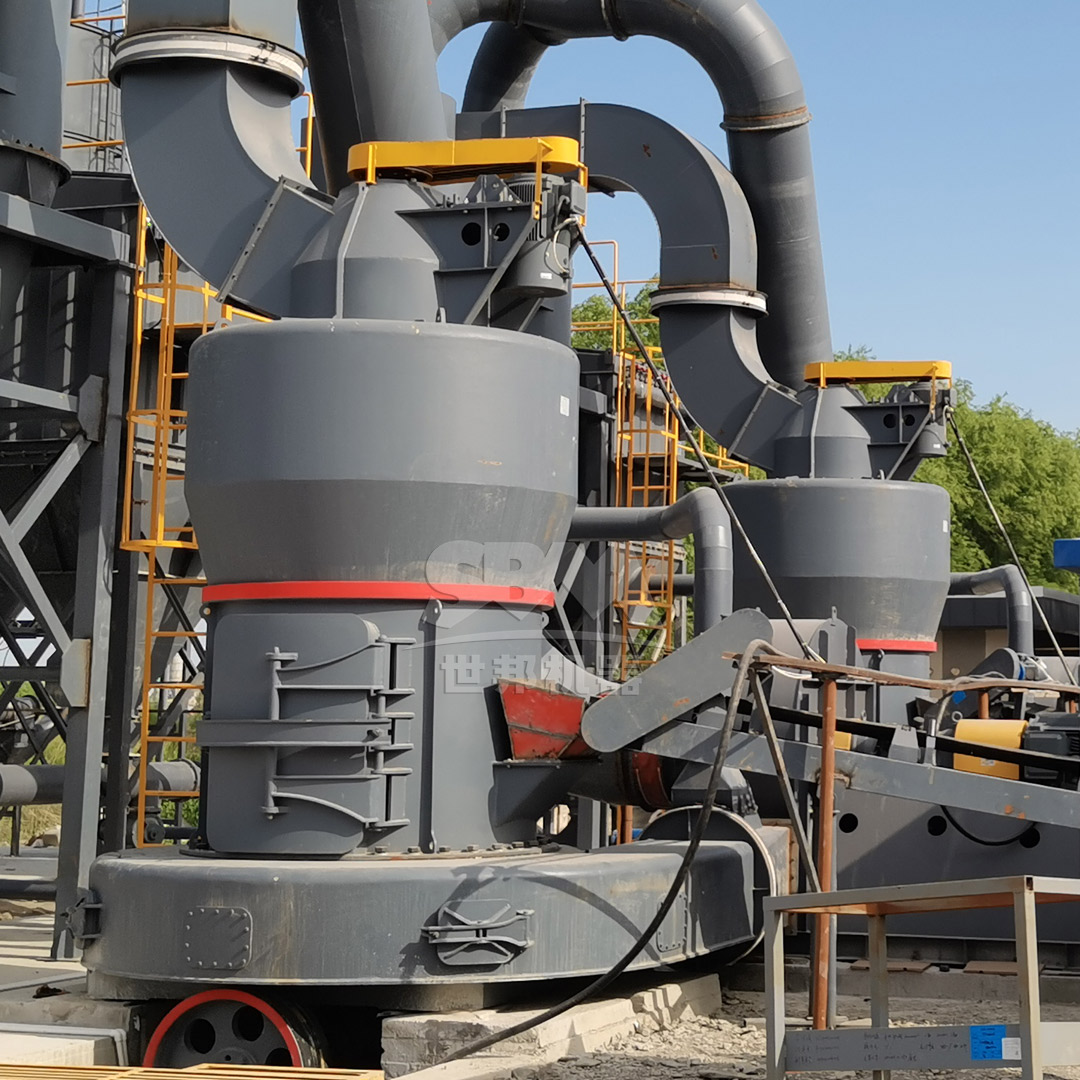
Beyond the core grinding machinery, complete limestone processing systems incorporate various auxiliary equipment that significantly impacts overall operational efficiency. Hammer mills provide preliminary size reduction for larger feed materials, with models capable of processing 40mm input to 3mm output in a single stage. The optimized crushing chamber design and unique working principle of these units ensure stable operation with high throughput capacity and reduction ratios.
For applications requiring the finest powder specifications, the LUM Ultrafine Vertical Mill incorporates multiple rotor classification technology to eliminate coarse particles from finished products. The PLC-based automation system ensures stable operation while full-sealed negative pressure operation prevents dust leakage. Specialized pendulum mills with innovative oil lubrication systems reduce maintenance requirements while square collection pipes minimize air resistance to extend equipment service life.
Environmental Considerations and Compliance
Modern limestone grinding installations must address increasingly stringent environmental regulations regarding dust emissions, noise pollution, and energy consumption. Pulse jet dust collectors with efficiency exceeding international standards represent the current technological benchmark for emission control. Soundproof room designs maintain operational noise below 75dB, ensuring compliance with workplace safety regulations while minimizing community impact for facilities located near residential areas.
Energy efficiency has become a critical design consideration, with advanced mills incorporating intelligent control systems that automatically adjust operational parameters based on real-time feedback regarding product fineness. Heat recovery systems capture and reuse thermal energy that would otherwise be wasted, while optimized mechanical designs reduce friction losses throughout the grinding and classification process. These environmental considerations not only ensure regulatory compliance but also contribute significantly to operational cost reduction.
Future Development Trends in Limestone Grinding Technology
The evolution of limestone grinding technology continues to focus on several key areas including further reductions in specific energy consumption, enhanced particle size distribution control, increased operational automation, and improved wear resistance of critical components. The integration of artificial intelligence and machine learning algorithms enables predictive maintenance and real-time optimization of grinding parameters based on feed material characteristics and product specifications.
Modular design approaches facilitate quicker component replacement and reduce maintenance downtime, while advanced material science continues to deliver improved wear resistance for grinding elements. The ongoing digital transformation of mineral processing operations includes remote monitoring capabilities, digital twin simulation for process optimization, and integrated quality control systems that automatically adjust operational parameters to maintain product consistency despite variations in feed material properties.
Conclusion: Selecting the Optimal Grinding Solution
The selection of appropriate limestone grinding equipment requires careful consideration of multiple factors including production capacity requirements, product fineness specifications, energy efficiency targets, and environmental compliance needs. The diverse range of available technologies, from ultrafine mills capable of producing powders as fine as 5μm to high-capacity vertical roller mills processing hundreds of tons per hour, ensures that suitable solutions exist for operations of all scales and specifications.
Technological advancements continue to push the boundaries of what is possible in limestone comminution, with ongoing improvements in efficiency, reliability, and environmental performance. By understanding the key features and operational characteristics of different mill types, processors can make informed decisions that optimize their specific operations while positioning themselves for future technological developments in this critical field of industrial processing.