Key Features of a 1250 Mesh Calcium Carbonate Grinding Mill Production Line
Introduction to High-Precision Calcium Carbonate Grinding
The production of ultra-fine calcium carbonate powder, particularly at 1250 mesh (approximately 10-12μm), represents one of the most technologically advanced processes in mineral processing. This fine powder finds extensive applications in plastics, paints, coatings, rubber, and paper industries, where particle size distribution and purity significantly impact final product quality. A specialized grinding mill production line for this purpose must integrate precision engineering, advanced classification technology, and robust operational reliability to meet the stringent requirements of modern industrial applications.
Technical Requirements for 1250 Mesh Calcium Carbonate Production
Producing calcium carbonate at 1250 mesh demands equipment capable of achieving consistent particle size distribution with minimal contamination. The grinding system must handle feed materials with varying moisture content and hardness while maintaining stable operation across extended production cycles. Key technical parameters include precise temperature control to prevent thermal degradation, efficient classification to eliminate oversize particles, and comprehensive dust collection to ensure environmental compliance and product recovery.
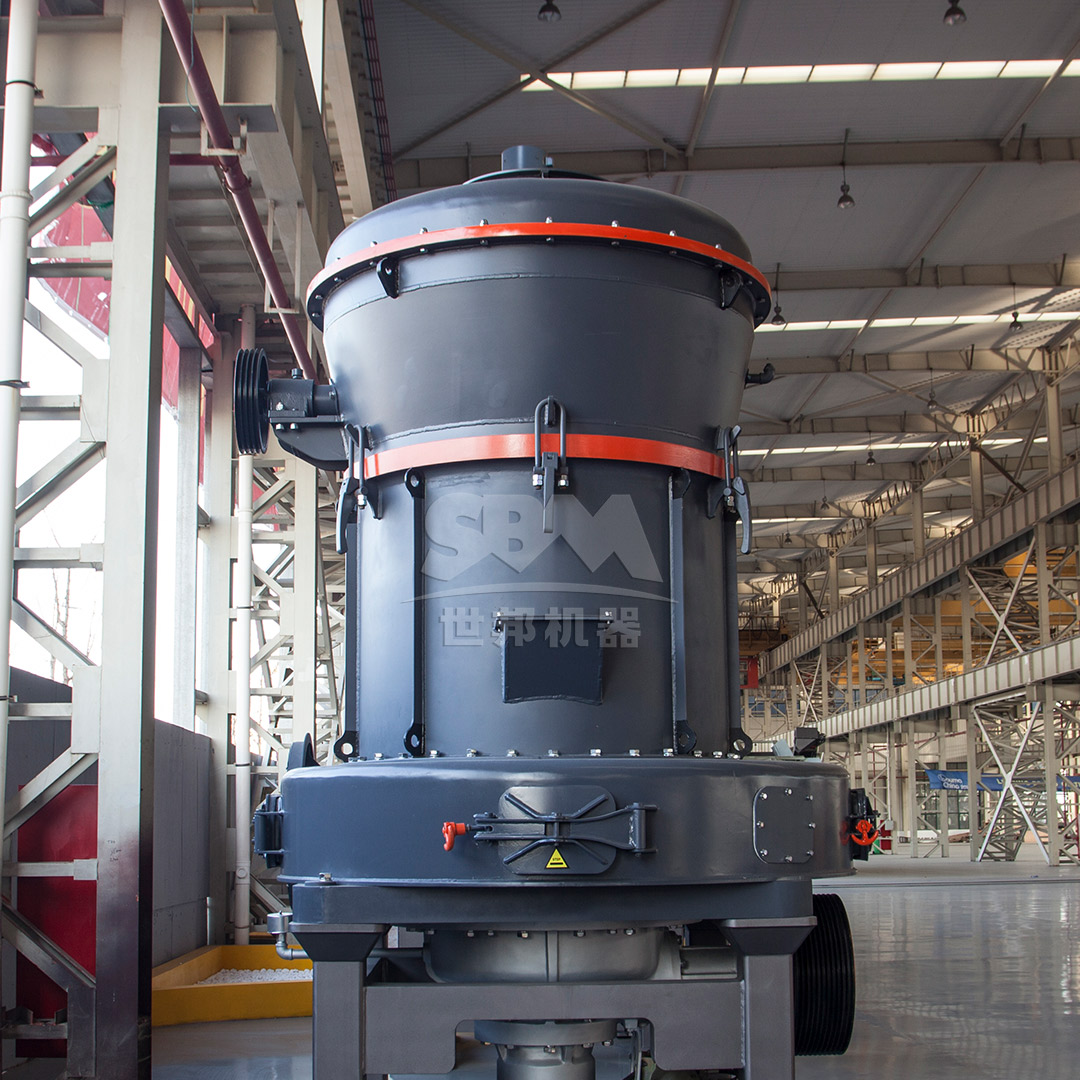
Core Components of a 1250 Mesh Grinding Production Line
Primary Crushing and Pre-Processing Systems
Before fine grinding, raw calcium carbonate must be reduced to appropriate feed size. Jaw crushers and hammer mills typically handle initial size reduction to below 20mm. For operations requiring particularly uniform feed, our PC Series Hammer Mills offer excellent performance with their high manganese steel components and optimized chamber design, ensuring consistent pre-crushed material for downstream processing.
Material Handling and Feeding Systems
Precise material feeding is critical for maintaining stable grinding conditions. Vibrating feeders with variable frequency drives ensure consistent material flow to the grinding mill. Belt conveyors with weighing systems provide real-time monitoring of feed rates, while metal detectors and magnetic separators protect grinding components from tramp metal contamination.
Grinding Mill Selection for Ultra-Fine Applications
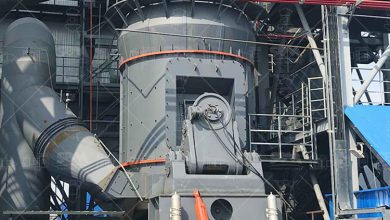
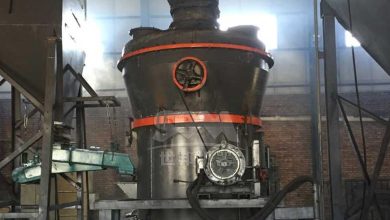
The heart of any calcium carbonate production line is the grinding mill itself. For 1250 mesh production, conventional ball mills struggle with efficiency and particle size control. Modern vertical roller mills and specialized ultra-fine grinding systems offer significantly better performance. Among these, our SCM Ultrafine Mill stands out as an ideal solution for 1250 mesh calcium carbonate production, with its unique combination of grinding efficiency, precise classification, and operational reliability.
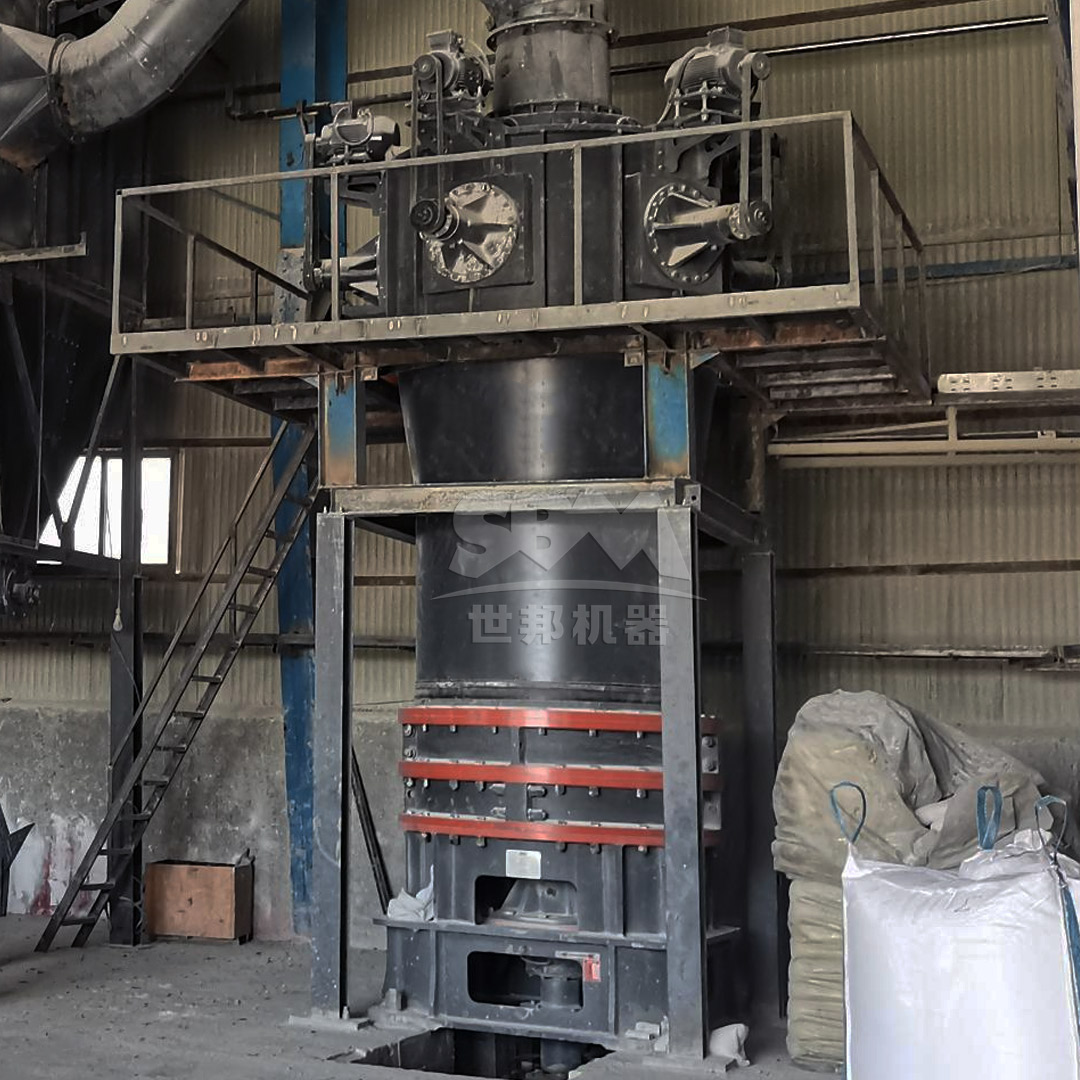
SCM Ultrafine Mill: Optimal Solution for 1250 Mesh Calcium Carbonate
Technical Superiority for Fine Grinding Applications
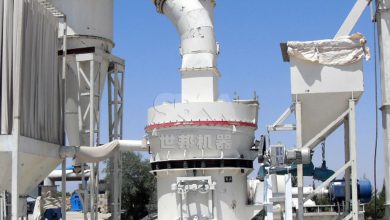
The SCM Ultrafine Mill represents the pinnacle of grinding technology for materials requiring ultra-fine particle sizes. With an output fineness range of 325-2500 mesh (D97≤5μm), it comfortably exceeds the requirements for 1250 mesh calcium carbonate production. The mill’s vertical turbine classifier ensures precise particle size cuts, eliminating coarse particle contamination in the final product. This precision is maintained across the entire production range of 0.5-25 tons per hour, depending on specific model selection.
Energy Efficiency and Operational Economy
Compared to traditional grinding systems, the SCM Ultrafine Mill demonstrates remarkable energy efficiency, consuming approximately 30% less power while delivering twice the capacity of jet mills. This efficiency translates directly to lower operating costs and reduced environmental impact. The intelligent control system automatically monitors and adjusts operational parameters to maintain optimal grinding conditions, further enhancing energy utilization.
Durability and Maintenance Advantages
Engineered for continuous operation in demanding environments, the SCM series features specially formulated grinding rollers and rings that significantly extend service life. The innovative bearing-free screw grinding chamber design eliminates common failure points, ensuring stable operation with minimal unscheduled downtime. Regular maintenance requirements are substantially reduced compared to conventional grinding systems.
Classification Technology for Precision Particle Control
Advanced Air Classification Systems
Achieving consistent 1250 mesh product quality requires sophisticated classification technology. Modern production lines employ high-efficiency dynamic classifiers with adjustable rotor speeds to precisely control the cut point. The classifier’s ability to separate particles based on both size and mass ensures uniform product quality even with variations in feed material density.
Multi-Stage Classification Approaches
For the most demanding applications, multi-stage classification systems provide superior particle size control. Primary classification occurs within the grinding mill itself, while secondary and tertiary classifiers further refine the product. This approach minimizes energy consumption by preventing over-grinding of already acceptable particles while ensuring the final product meets strict specifications.
Product Collection and Handling Systems
Efficient Powder Recovery Technology
After classification, the fine calcium carbonate powder must be efficiently collected and transported. Cyclone collectors provide primary recovery, while pulse-jet baghouse filters capture the finest particles. Modern filter media with PTFE membrane coatings ensure high collection efficiency while maintaining low pressure drop across the system.
Intermediate Storage and Final Product Handling
Intermediate silos with fluidizing bottoms prevent compaction and ensure consistent material flow to packaging systems. For operations requiring product blending, specialized mixing silos with rotating arms create homogeneous batches. Automated packaging systems with precision weighing ensure accurate filling of bags, super sacks, or bulk containers.
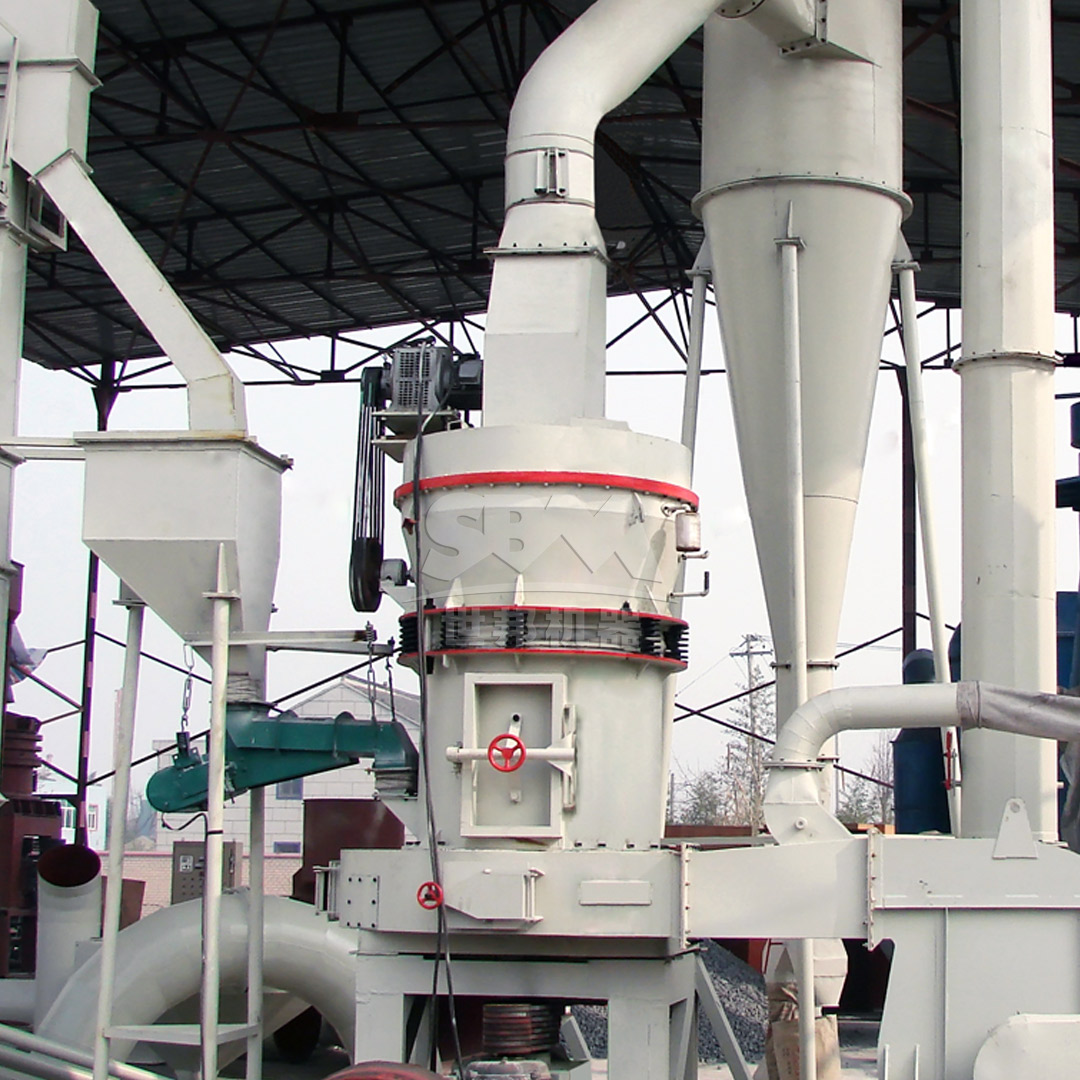
Automation and Process Control
Integrated Control Systems
Modern calcium carbonate grinding lines employ comprehensive automation systems that monitor and control every aspect of the process. PLC-based control systems with SCADA interfaces provide operators with real-time visibility into production parameters, while historical data logging facilitates process optimization and troubleshooting.
Key Process Parameters Monitoring
Critical parameters including mill motor load, classifier speed, system pressure drop, and product fineness are continuously monitored. Advanced control algorithms adjust operational setpoints to maintain product quality despite variations in feed material characteristics. Remote monitoring capabilities enable technical support and diagnostics without requiring on-site presence.
Environmental Considerations and Compliance
Dust Emission Control
Producing ultra-fine powders presents significant dust control challenges. Modern production lines employ comprehensive dust containment systems with pulse-jet baghouse filters that exceed international emission standards. The SCM Ultrafine Mill’s integrated pulse dust collector achieves filtration efficiency above 99.9%, ensuring minimal environmental impact.
Noise Reduction Measures
Grinding operations can generate significant noise, but proper engineering controls maintain acceptable levels. The SCM series incorporates sound insulation enclosures that reduce operational noise to ≤75dB, creating a safer working environment while meeting regulatory requirements.
Complementary Equipment for Complete Production Lines
Pre-Grinding Solutions for Enhanced Efficiency
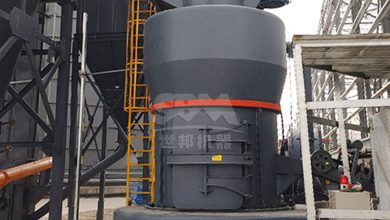
For operations processing larger quantities or harder materials, pre-grinding systems can significantly improve overall efficiency. Our LM Series Vertical Roller Mills serve as excellent pre-grinding solutions, reducing energy consumption by 30-40% compared to traditional systems. With their integrated crushing, grinding, and separation functions, these mills reduce footprint requirements by 50% while delivering throughput capacities from 3-250 tons per hour.
Auxiliary Systems Integration
Complete production lines require carefully integrated auxiliary systems including compressed air for instrumentation and cleaning, cooling water for equipment protection, and material transport between process stages. Proper engineering of these supporting systems ensures smooth operation and maximizes overall equipment effectiveness.
Economic Considerations and Return on Investment
Capital and Operating Cost Analysis
While advanced grinding systems require significant capital investment, their operational advantages deliver compelling returns. The energy efficiency of modern mills like the SCM series reduces power consumption, while their durability minimizes maintenance costs and production interruptions. Automated operation reduces labor requirements, further improving economic performance.
Product Quality and Market Value
Beyond operational savings, the ability to consistently produce high-quality 1250 mesh calcium carbonate commands premium pricing in many markets. The precise particle size control and minimal contamination achieved with advanced grinding systems open opportunities in specialty applications where conventional products cannot compete.
Conclusion: Optimizing 1250 Mesh Calcium Carbonate Production
The production of 1250 mesh calcium carbonate demands specialized equipment capable of precise particle size control, energy-efficient operation, and reliable performance. Modern grinding mills like the SCM Ultrafine Mill provide the technological foundation for successful operations, delivering the product quality and operational economy required in competitive markets. When integrated with proper classification, collection, and control systems, these advanced grinding solutions enable producers to meet the exacting requirements of diverse industrial applications while maintaining environmental compliance and economic viability.