Key Factors Affecting Vertical Roller Mill Performance and Efficiency
Introduction
Vertical Roller Mills (VRMs) have become the cornerstone of modern industrial grinding for minerals, cement raw materials, coal, and slag. Their dominance is attributed to superior energy efficiency, higher throughput, and lower operational noise compared to traditional ball mills. However, achieving and maintaining optimal performance is not automatic; it depends on a complex interplay of design, operational, and material factors. This article delves into the critical elements that govern VRM performance and efficiency, providing a framework for operators and plant managers to maximize their grinding assets’ potential.
1. Material Characteristics: The Foundation of Grinding
The properties of the feed material are the primary determinants of VRM behavior. Understanding these is essential for proper mill selection and operation.
1.1 Grindability and Hardness
The Work Index (Wi) or Bond Index quantifies a material’s resistance to grinding. Higher hardness requires greater grinding pressure and energy, directly impacting roller wear and mill power consumption. Materials like clinker and quartzite are more abrasive than limestone, necessitating mills built with superior wear-resistant components.
1.2 Moisture Content
Excessive moisture can lead to material agglomeration, clogging the feed system and grinding bed. It reduces classification efficiency as fine particles stick together. VRMs integrate hot gas generators to dry materials during grinding, but the inlet gas temperature and volume must be precisely controlled based on initial moisture. Typically, VRMs can handle moisture contents up to 15-20% with integrated drying.
1.3 Feed Size Distribution
A consistent and optimally sized feed is crucial. Oversized particles (typically >5% of roller diameter) can cause vibration and unstable grinding bed formation. A well-designed upstream crushing circuit to ensure a maximum feed size of ≤50mm is vital for smooth operation and high efficiency.
2. Operational Parameters: The Levers of Control
Once the mill is commissioned, daily performance is managed through key operational variables.
2.1 Grinding Pressure
This is the hydraulic pressure applied to the grinding rollers, directly influencing the compressive force on the material bed. Insufficient pressure leads to poor grinding efficiency and high recirculation rates. Excessive pressure increases power draw, wear rates, and vibration risk. The optimal pressure is material-specific and must be balanced with other parameters.
2.2 Mill Feed Rate
The stability of the feed rate is paramount. Fluctuations disrupt the material bed thickness on the grinding table. A bed that is too thin causes metal-to-metal contact (roller and table), leading to severe vibration and damage. A bed that is too thick reduces grinding efficiency and increases power consumption. Modern VRMs use expert control systems to maintain a constant bed thickness by modulating the feed rate.
2.3 Classifier Speed and Airflow
The dynamic classifier is the brain of the product fineness control. Its rotational speed determines the cut size: higher speed yields finer product. The mill fan creates the internal airflow that transports ground material to the classifier. Insufficient airflow results in poor material transport and mill buildup, while excessive airflow wastes energy and can carry coarse particles into the product. The synergy between classifier speed and airflow volume is critical for achieving target fineness with minimal energy.
3. Mechanical and Design Factors: Built-in Performance
The inherent design of the VRM sets the ceiling for its performance capabilities.
3.1 Grinding Roller and Table Liners
The geometry, material, and wear condition of rollers and the grinding table are critical. Advanced alloys and composite materials (e.g., high-chrome cast iron, ceramic inserts) significantly extend service life. The profile of the rollers and table must maintain an efficient grinding angle even as wear occurs. Some modern designs feature replaceable roller segments and table liners to minimize downtime during maintenance.
3.2 Drive System and Power
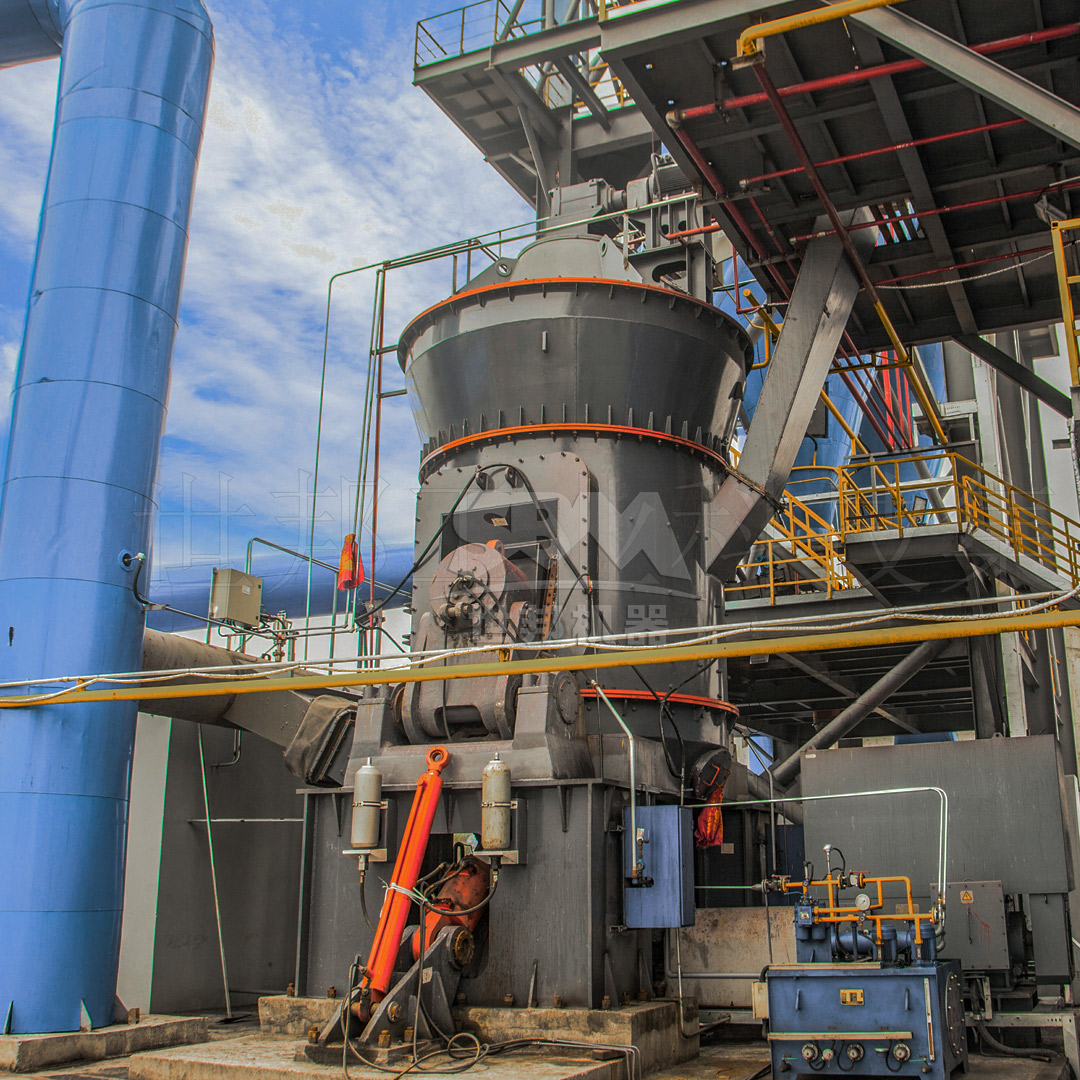
The mill’s main reducer and motor must provide smooth, reliable torque. Gearbox efficiency and the mill’s specific power consumption (kWh/ton) are key metrics. An integrated design with a planetary gearbox is common for its compactness and high power transmission efficiency.
3.3 Sealing System
Effective sealing at the roller pivots and mill housing prevents ingress of false air and egress of dust. Poor sealing disrupts the internal airflow balance, reduces drying efficiency, and creates environmental issues. Labyrinth seals and positive pressure sealing systems are standard in high-performance mills.
4. System Integration and Ancillary Equipment
A VRM does not operate in isolation. Its performance is tied to the entire grinding circuit.
4.1 Feed System
A consistent and controllable feeder, such as a weighfeeder or rotary valve, is essential to maintain stable mill operation.
4.2 Product Collection
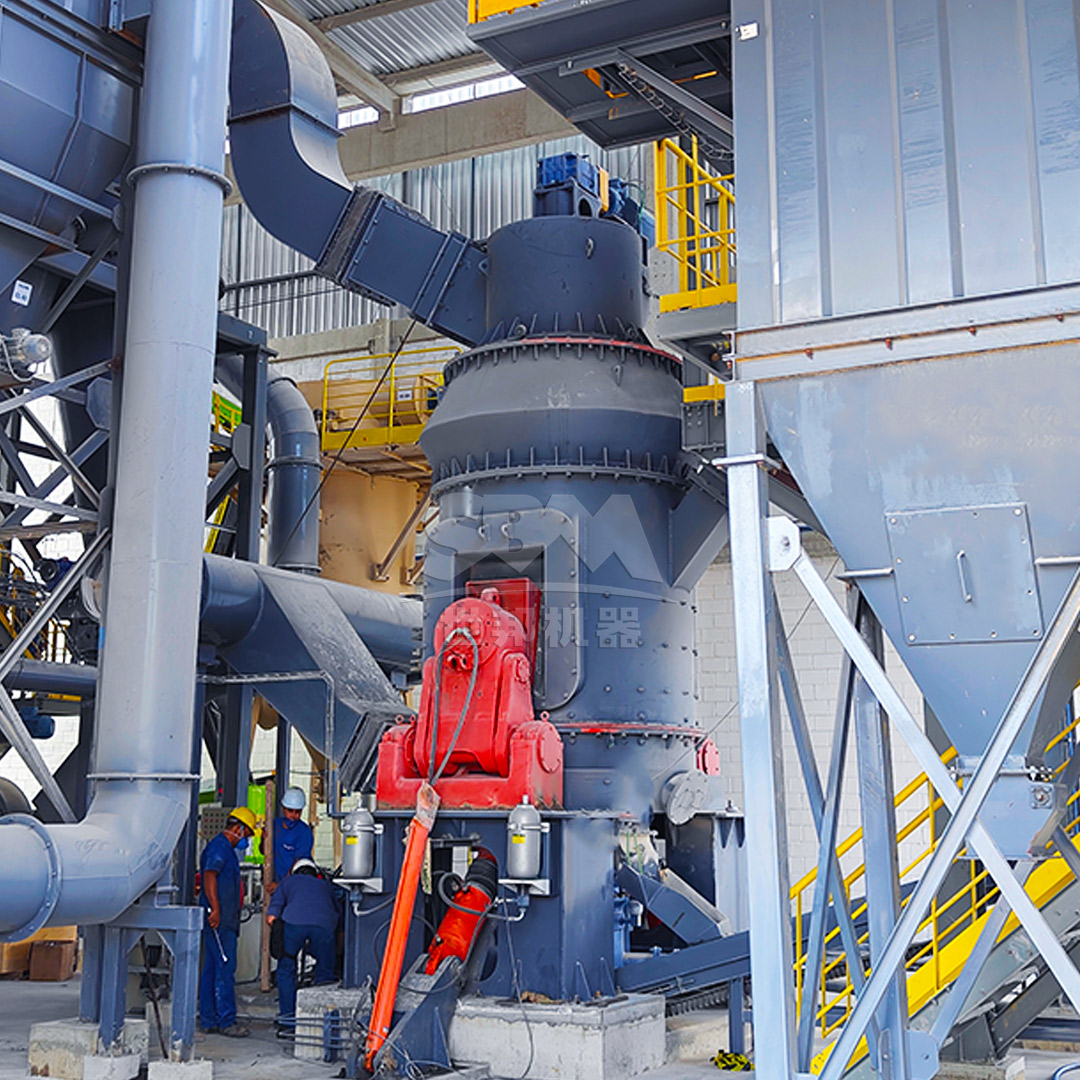
Efficient cyclones and baghouse filters are required to separate the final product from the transport air. High collection efficiency (>99.9%) is necessary for product yield and environmental compliance.
4.3 Process Control and Automation
Modern Distributed Control Systems (DCS) with VRM-specific expert optimization packages are no longer a luxury but a necessity. They automatically adjust grinding pressure, feed rate, classifier speed, and fan damper to maintain target production and fineness while minimizing energy use and stabilizing the mill against disturbances.
Optimizing Performance with Advanced Mill Solutions
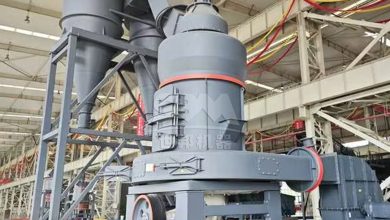
Selecting the right VRM technology from the outset is the most significant step toward long-term high performance and low operational cost. For operators seeking a balance of high capacity, remarkable energy savings, and intelligent operation for medium to fine grinding applications (30-325 mesh), the MTW Series European Trapezium Mill represents an optimal solution.
Engineered with an integral bevel gear drive achieving 98% transmission efficiency, it directly translates to lower power consumption. Its anti-wear shovel design and wear-resistant volute structure are specifically engineered to combat abrasion, reducing maintenance costs by up to 30%. The optimized arc air duct minimizes pressure loss, ensuring efficient material conveying and classification. For projects requiring throughput from 3 to 45 tons per hour with exceptional reliability, the MTW Series provides a future-proofed grinding platform.
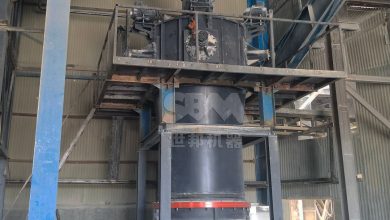
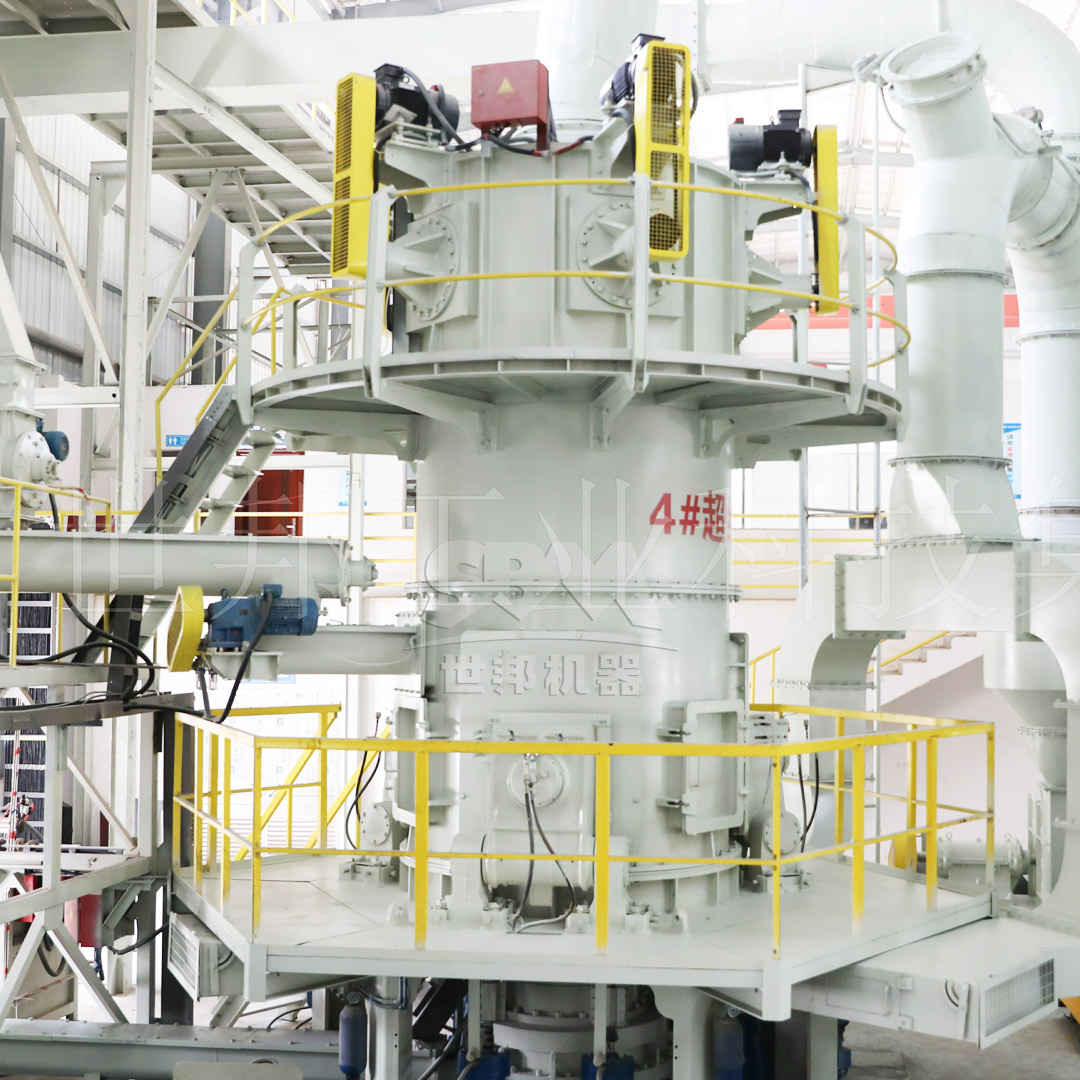
For applications demanding ultra-fine powders (325-2500 mesh), the SCM Series Ultrafine Mill is the technology of choice. It excels in high-precision classification via its vertical turbine classifier, ensuring a narrow particle size distribution without coarse powder contamination. Its design offers twice the capacity of jet mills while consuming 30% less energy. The robust construction, featuring special material rollers and rings, guarantees extended service life and stable operation. With models ranging from 0.5 to 25 tons per hour, the SCM Series is ideal for high-value mineral processing and advanced material production where fineness and purity are paramount.
Conclusion
Maximizing the performance and efficiency of a Vertical Roller Mill is a multidimensional challenge. It requires a deep understanding of material characteristics, precise control of operational parameters, reliance on robust mechanical design, and seamless integration within a well-engineered grinding circuit. By meticulously addressing these key factors—from feed consistency and grinding pressure to classifier optimization and wear management—operators can unlock the full potential of VRM technology. Investing in advanced mill designs that incorporate energy-efficient drives, intelligent automation, and durable wear protection, such as the MTW and SCM series, provides a solid foundation for achieving lower total cost of ownership, higher product quality, and sustainable production goals in the competitive industrial landscape.