Key Applications and Characteristics of Talcum Powder in Industry
Introduction: The Versatile Mineral
Talcum powder, derived from the mineral talc (a hydrated magnesium silicate), is one of the most versatile and widely used industrial minerals globally. Its unique combination of properties—including softness (it is the softest mineral on the Mohs scale), chemical inertness, hydrophobicity, high thermal stability, and excellent lubricity—makes it an indispensable additive across a vast spectrum of industries. The value of talc in final products is critically dependent on its purity and, most importantly, its particle size distribution and morphology. This is where advanced milling technology becomes paramount. Producing talc powder with consistent fineness, high whiteness, and specific particle shapes requires precision-engineered grinding equipment capable of handling the mineral’s platy structure without degrading its inherent qualities.
Fundamental Properties and Industrial Value
The industrial utility of talc stems from a core set of physical and chemical characteristics:
- Softness & Lubricity: Its lamellar (plate-like) structure allows platelets to slide over one another, providing excellent lubricating properties, reducing friction, and improving machinability in composites.
- Chemical Inertness: Talc is largely unreactive, making it stable in various chemical environments and suitable for use in plastics, paints, and pharmaceuticals.
- Hydrophobicity: Its natural water-repellency enhances moisture resistance in paper, coatings, and polymer applications.
- High Thermal Stability: Talc can withstand high temperatures without decomposition, a key asset in ceramics and high-temperature plastics.
- Opacity & Brightness: High-purity, finely ground talc acts as a functional filler, improving brightness, opacity, and smoothness.
The transformation of raw talc ore into a high-value industrial product hinges on a processing chain of crushing, milling, classification, and sometimes surface treatment. The milling stage is the heart of this process, defining the final product’s performance.
Major Industrial Applications of Talcum Powder
1. Plastics and Polymers
In the plastics industry, talc is a premier reinforcing filler. Its platy particles act as a barrier, improving stiffness (modulus), heat resistance (Heat Deflection Temperature), dimensional stability, and creep resistance in polypropylene (PP), polyethylene (PE), and polyamide (nylon). Fine-grade talc (e.g., D97 < 10µm) provides better dispersion and surface finish. For high-performance applications, achieving a consistent ultra-fine grind is essential.
2. Paints and Coatings
Talc serves multiple functions in paints: as an extender pigment to reduce cost, a flattening agent to control sheen, and a suspension aid to prevent settling. Its lamellar shape improves the durability of paint films, enhances brushability, and provides corrosion and moisture resistance. Fineness and particle size distribution directly impact opacity, gloss control, and film integrity.
3. Paper Industry
As a filler in papermaking, talc improves brightness, opacity, smoothness, and printability. Its hydrophobicity makes it particularly effective as a pitch control agent, adsorbing sticky wood resins that can disrupt paper machine operations and paper quality.
4. Cosmetics and Pharmaceuticals
Here, purity and ultra-fineness are non-negotiable. Talc’s softness, absorbency, and lubricity make it ideal for face powders, body powders, and compressed products like eye shadow. It must meet stringent pharmacopeial standards for heavy metals and microbial content, requiring milling in ultra-clean, dedicated systems.
5. Ceramics
In ceramics, talc is used in wall and floor tiles, sanitaryware, and electrical insulators. It acts as a flux in the firing process, lowering vitrification temperatures, and contributes to the thermal expansion and mechanical strength of the final product. Controlled particle size ensures uniform sintering.
6. Rubber
Similar to plastics, talc reinforces rubber compounds, improves processing (extrusion and calendering), and enhances resistance to heat aging and weathering in products like hoses, gaskets, and automotive parts.
The Critical Role of Milling Technology
The broad application range demands equally broad milling capabilities. Different industries require talc powders ranging from coarse (45-100 mesh for ceramics) to fine (325 mesh for paints) to ultra-fine (1250-2500 mesh for high-end plastics and cosmetics). Selecting the right mill is crucial for product quality, energy efficiency, and operational cost.
- For Coarse to Medium Grinding (30-325 mesh): Robust, high-capacity mills like trapezium mills or vertical roller mills are ideal. They offer high throughput and energy efficiency for producing filler-grade talc.
- For Fine to Ultra-Fine Grinding (325-2500 mesh): This is the domain of advanced ultra-fine grinding mills. The challenge is to achieve the target fineness (often down to D97 = 5µm) while maintaining the lamellar structure of talc to preserve its reinforcing properties, and doing so with acceptable energy consumption.
Traditional ball mills, while versatile, are often inefficient for ultra-fine grinding, generating excessive heat and having high energy consumption. Modern solutions focus on bed compression grinding (like vertical roller mills) and ring-roller milling with integrated high-efficiency classifiers.
Recommended Milling Solutions for Talc Processing
Based on the diverse needs of the talc industry, we recommend two of our flagship grinding systems, each excelling in a specific fineness range and production scale.
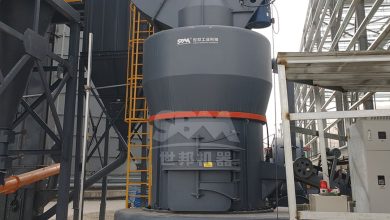
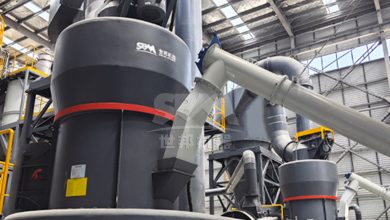
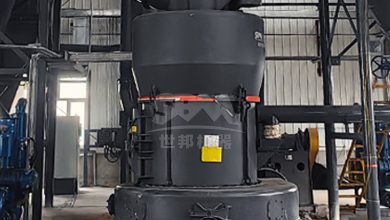
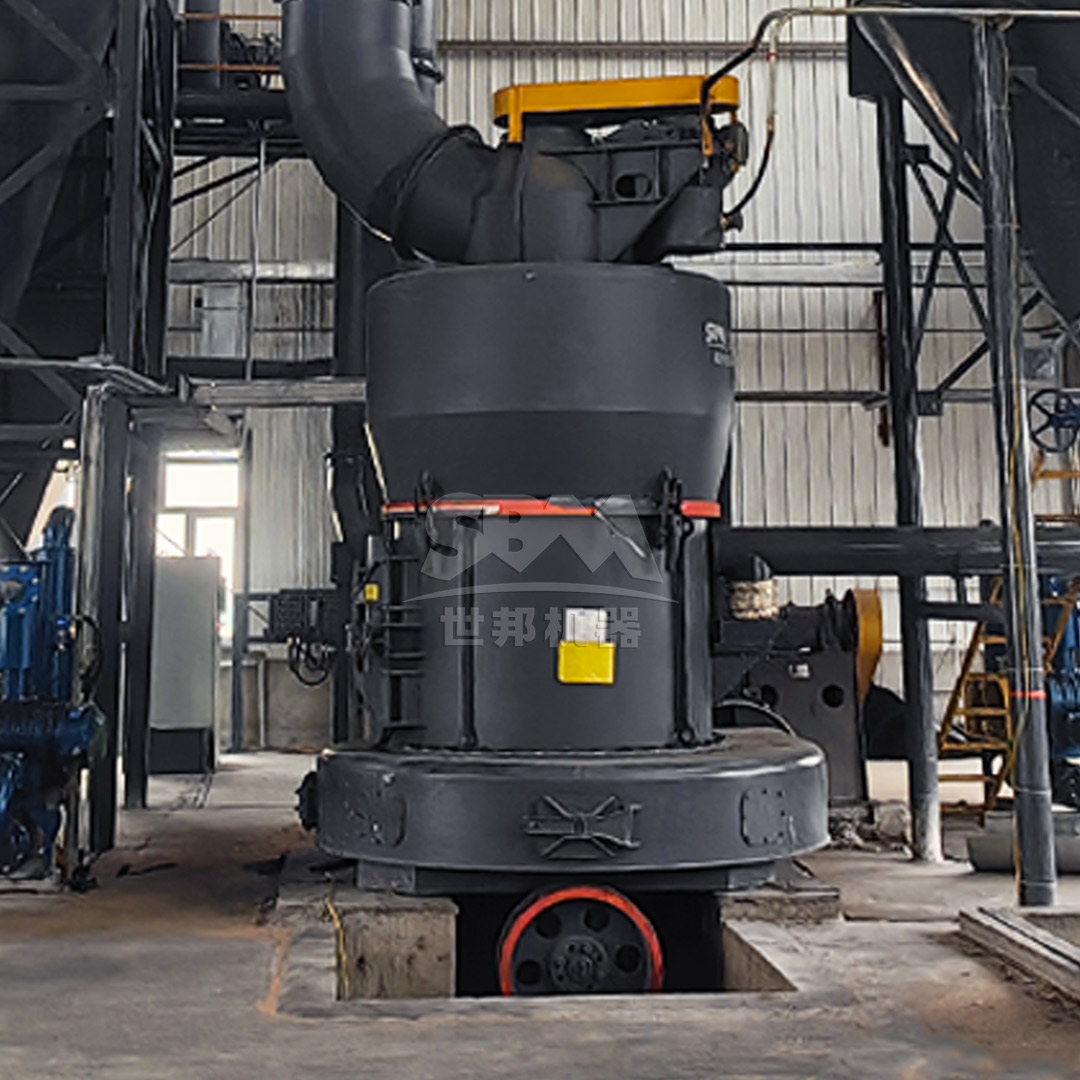
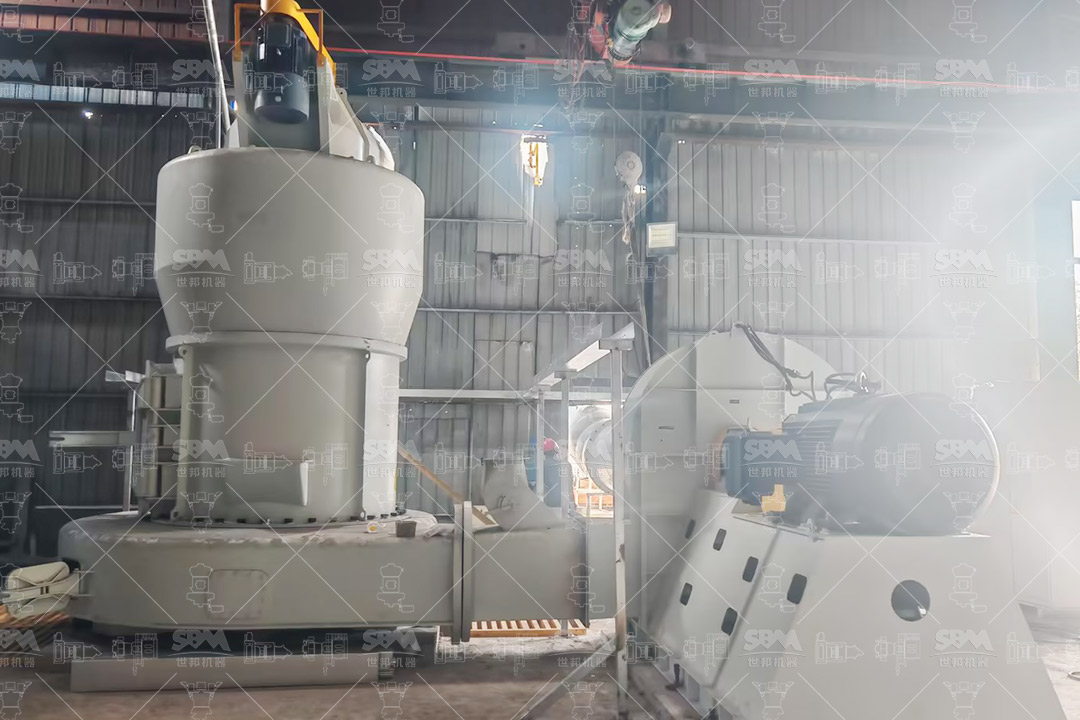
1. For High-Capacity, Fine to Medium Grinding: The MTW Series Trapezium Mill
For talc processing plants requiring high output in the 30-325 mesh range, the MTW Series Trapezium Mill represents a technological leap. Its design directly addresses the limitations of older pendulum mills. Key advantages for talc producers include:
- High Efficiency & Capacity: With a capacity range of 3-45 tons/hour, it handles large-scale production. The curved air duct and optimized blade design reduce airflow resistance and recirculation load, boosting overall system efficiency.
- Superior Wear Protection: The modular wear parts and curved shovel design significantly extend the service life of critical components when processing abrasive minerals, lowering maintenance costs.
- Precise Classification: An efficient internal classifier ensures a sharp particle cut, producing talc powder with a consistent and controllable fineness suitable for paints, rubber, and paper.
- Environmental Compliance: The integrated pulse dust collector system ensures clean operation with emissions well below international standards.
For a mid-to-large scale talc operation aiming for high-quality filler-grade powder, the MTW138Z or MTW175G models offer an excellent balance of power, capacity, and finished product control.
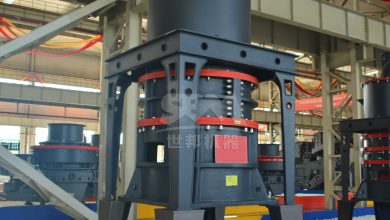
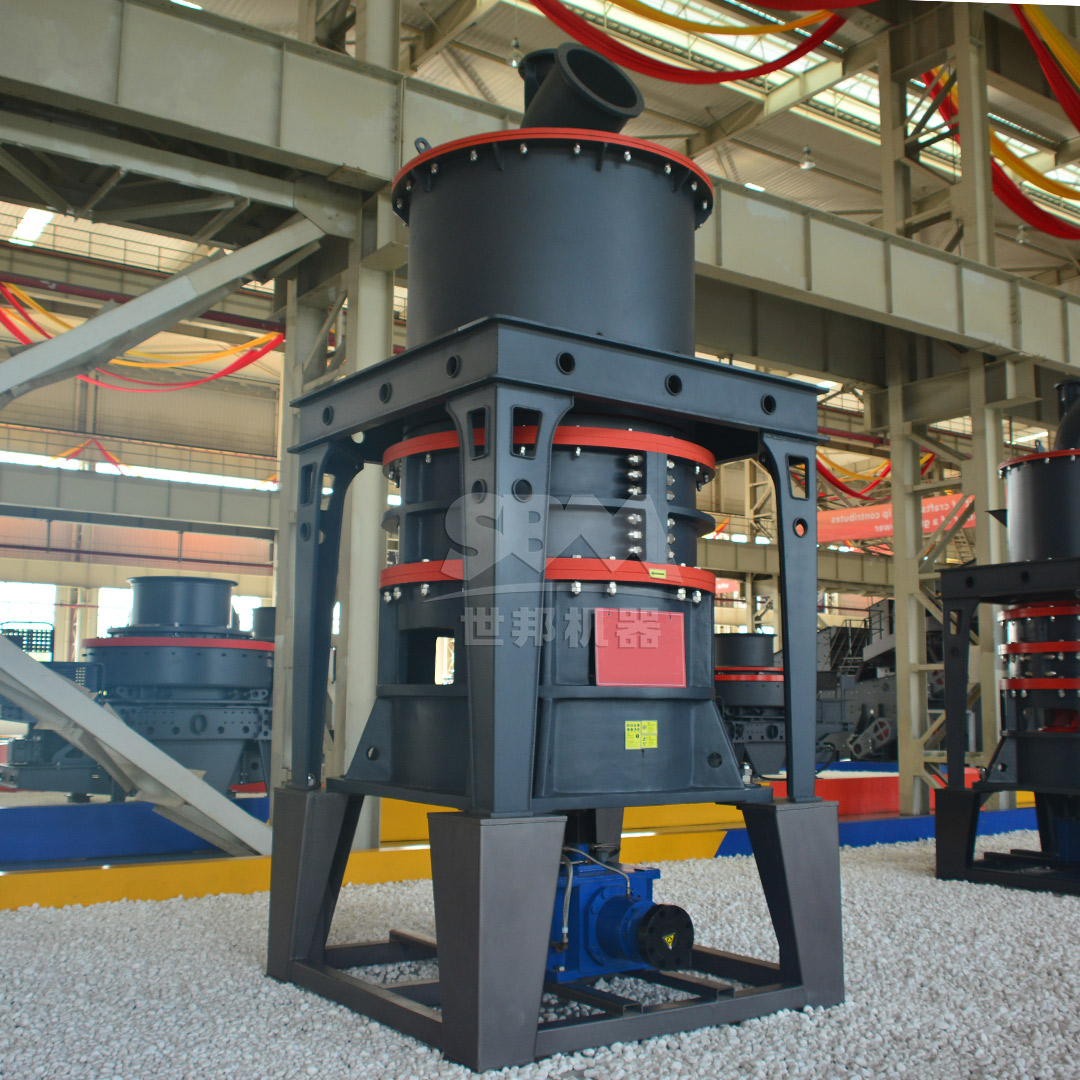
2. For Premium Ultra-Fine Grinding: The SCM Ultrafine Mill
When the application demands the finest talc powders—for high-performance engineering plastics, masterbatches, or cosmetic grades—the SCM Ultrafine Mill is the industry benchmark. Engineered specifically for the 325-2500 mesh (D97 ≤ 5µm) range, it delivers unparalleled performance:
- Ultra-Fine Precision: Its vertical turbine classification system is the core of its success. It enables precise particle size切割, producing talc with a narrow, consistent distribution and absolutely no coarse grit contamination. This is critical for surface finish in plastics and the smooth feel in cosmetics.
- Energy Efficiency: Compared to traditional jet mills, the SCM mill can achieve similar or finer fineness with approximately 30% lower energy consumption and double the capacity per unit of energy input. This dramatically reduces the operating cost of producing high-value ultra-fine talc.
- Product Quality Preservation: The grinding principle applies layered grinding and compression, which is more conducive to preserving the lamellar structure of talc compared to impact-based methods, maintaining its reinforcing functionality.
- Intelligent & Stable Operation: Features like smart control for automatic fineness feedback, a bearing-less grinding chamber design for stability, and special alloy wear parts ensure continuous, reliable production of premium product.
For producers targeting the high-end market, the SCM1000 (1.0-8.5 ton/h, 132kW) or SCM1250 (2.5-14 ton/h, 185kW) models provide scalable solutions to produce talc that commands a premium price.
Conclusion: Partnering with the Right Technology
The industrial significance of talcum powder continues to grow, driven by demands for lighter, stronger materials and higher-performance coatings. Unlocking the full value of talc deposits is no longer just about mining; it is fundamentally about advanced processing. The choice of milling technology directly determines product portfolio, market reach, and profitability.
Investing in modern, efficient mills like the MTW Series for high-volume fine grinding or the SCM Ultrafine Mill for the premium ultra-fine segment is a strategic decision. It ensures the ability to meet stringent customer specifications, reduces specific energy consumption in line with sustainability goals, and provides the operational reliability required for continuous production. By matching the sophisticated properties of talc with equally sophisticated grinding solutions, producers can fully capitalize on the opportunities this remarkable mineral presents across the global industrial landscape.