Is Vertical Mill Effective for Desulfurization? Performance Analysis
Introduction: The Critical Role of Grinding in Desulfurization
Flue Gas Desulfurization (FGD) is a cornerstone technology for reducing sulfur dioxide (SO₂) emissions from industrial processes, particularly in coal-fired power plants and metallurgical operations. The efficiency of the entire desulfurization system, whether using wet limestone-gypsum, semi-dry, or dry processes, hinges significantly on the preparation of the absorbent material. The fineness, particle size distribution, and reactivity of the ground limestone or lime directly impact the SO₂ removal rate, absorbent utilization, and overall operational costs. This analysis delves into the effectiveness of vertical roller mills (VRMs) for desulfurization applications, evaluating their performance against traditional grinding systems and highlighting key technological advantages.
The Desulfurization Grinding Challenge
Effective desulfurization requires absorbent powder with specific characteristics. For limestone, a fineness of 325 mesh (45μm) with a high proportion of particles below 20μm is often targeted to maximize surface area and reaction kinetics. The grinding system must deliver this consistently, with high throughput, low energy consumption, and minimal downtime. Traditional ball mills, while reliable, suffer from high energy intensity (typically 20-30 kWh/t for 325 mesh product), large footprint, and difficulty in precisely controlling particle size distribution.
Vertical Roller Mill Technology: A Tailored Solution
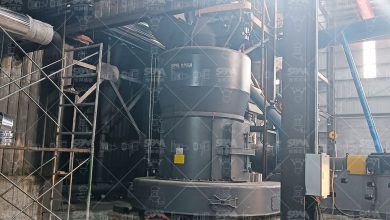
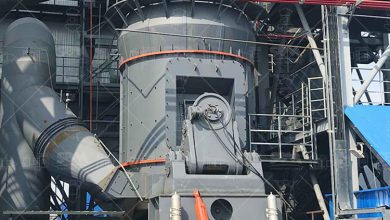
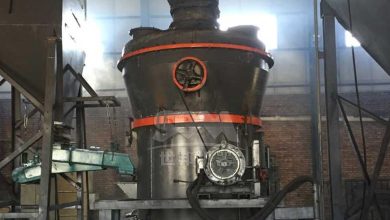
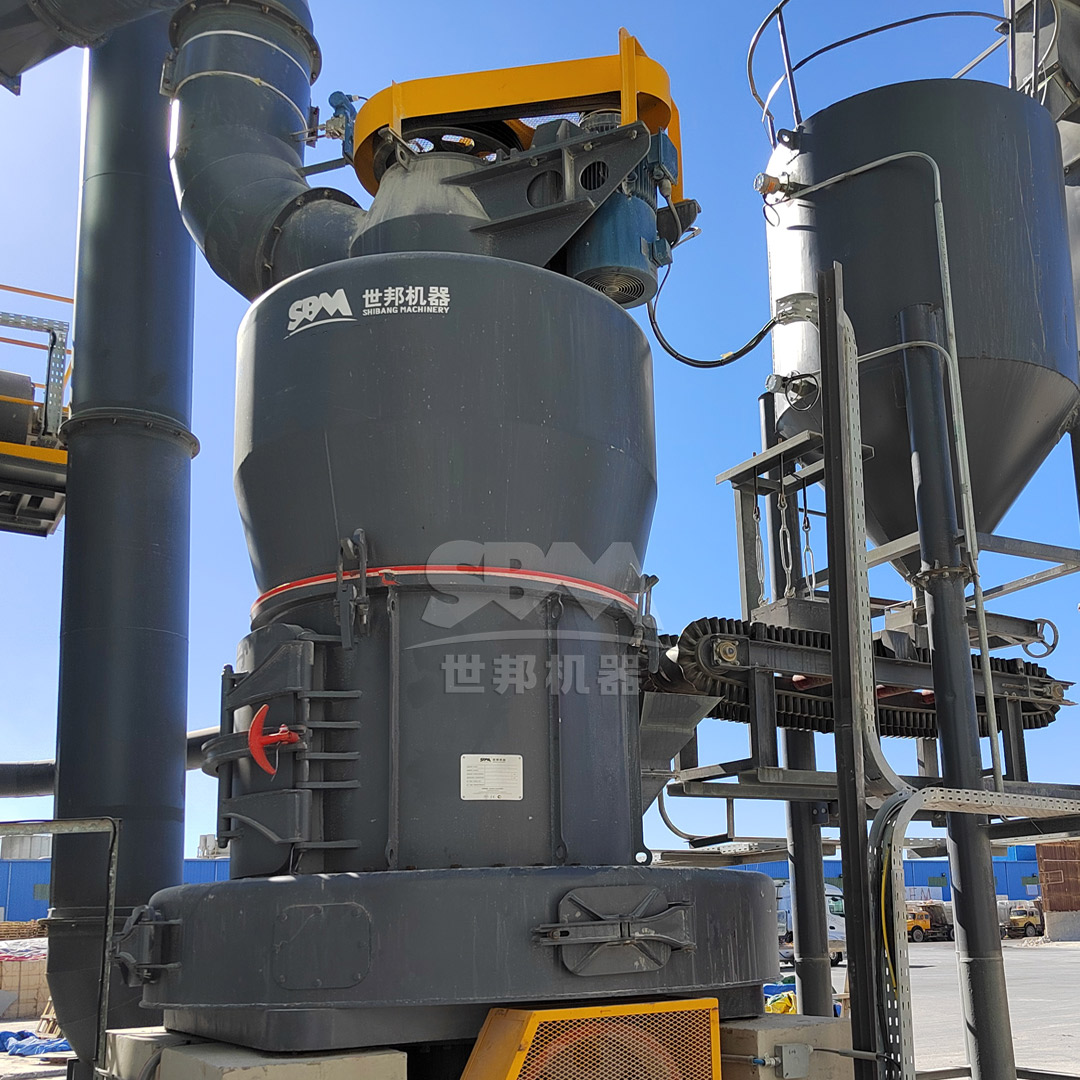
Vertical roller mills have emerged as the preferred technology for large-scale desulfurization projects. Their working principle is inherently suited for producing fine powders efficiently. Material is fed onto a rotating grinding table and crushed under pressure from hydraulically loaded rollers. The ground material is transported by an air stream to an integrated dynamic classifier, where oversized particles are separated and returned for further grinding, while the合格 product is collected by a downstream dust collector.
Performance Advantages for Desulfurization
1. Superior Energy Efficiency: VRMs operate on the principle of bed compression grinding, which is far more efficient than the impact and attrition of ball mills. Energy savings of 30% to 50% are commonly achieved for the same product fineness, translating to massive operational cost reductions over the lifespan of a power plant.
2. Excellent Particle Size Control: The integrated high-efficiency classifier allows for precise control over the top cut size and a steep particle size distribution. This ensures a high percentage of highly reactive fine particles, improving SO₂ capture rates and reducing limestone consumption.
3. High Availability & Low Maintenance: VRMs feature robust construction with wear-resistant rollers and table segments. Their design allows for the grinding of materials with moderate moisture content without needing prior drying in many cases. Maintenance is simplified, often with the ability to replace wear parts while the mill is running.
4. Compact Footprint & System Integration: The vertical design and integration of crushing, grinding, drying, classifying, and conveying into a single machine reduce the plant’s footprint by up to 50% compared to a ball mill circuit, lowering civil engineering costs.
Recommended Solutions for Desulfurization Applications
Selecting the right mill model is crucial for optimizing desulfurization performance. Based on the specific requirements of absorbent preparation—ranging from coarse grinding for circulating fluidized bed (CFB) boilers to ultra-fine grinding for high-efficiency wet FGD—our portfolio offers targeted solutions.
For High-Capacity, Standard Fineness Grinding: LM Series Vertical Roller Mill
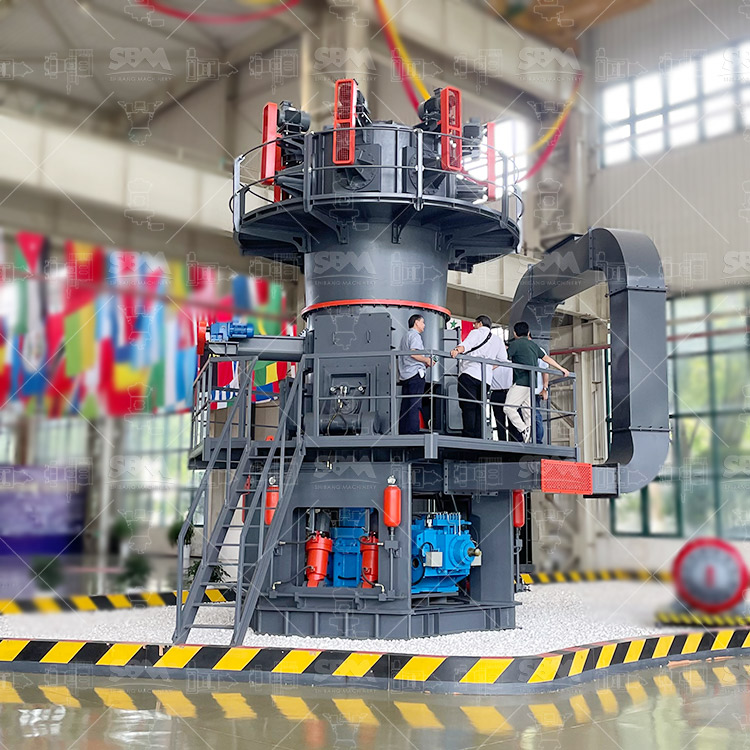
Our LM Series Vertical Roller Mill is the industry workhorse for large-scale desulfurization limestone preparation. With capacities ranging from 3 to 250 tons per hour and the ability to produce powder from 30 to 325 mesh (adjustable up to 600 mesh), it covers the vast majority of FGD needs. Its integrated design and intelligent control system make it ideal for modern, automated power plants. Key models like the LM190K (23-68 t/h) and LM220K (36-105 t/h) offer the perfect balance of output, energy efficiency (30-40% lower consumption than ball mills), and environmental compliance with fully sealed, low-noise operation. The mill’s ability to handle feed sizes up to 50mm and its durable, non-contact grinding design ensure high availability and low operating costs.
For Ultra-Fine Grinding and Maximum Reactivity: SCM Series Ultrafine Mill
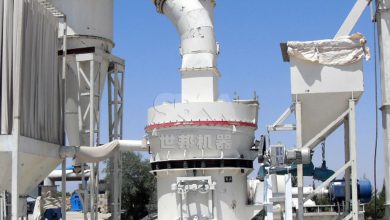
When the desulfurization process demands exceptionally high absorbent reactivity or when processing alternative materials, achieving a finer product is essential. Our SCM Series Ultrafine Mill is engineered precisely for this purpose. Capable of producing powder from 325 to an impressive 2500 mesh (5μm), it significantly increases the specific surface area of limestone, leading to faster reaction rates and potentially higher SO₂ removal efficiency. Despite its ultra-fine output, the SCM mill maintains remarkable energy efficiency, consuming 30% less energy than traditional jet mills while offering double the capacity. Models such as the SCM1250 (2.5-14 t/h) are particularly effective for specialized or high-performance desulfurization applications where premium absorbent quality is paramount.
Case Analysis and Operational Considerations
In practical applications, VRMs have demonstrated clear benefits. A typical case study might involve a 600 MW power plant switching from a ball mill system to an LM series vertical mill for limestone grinding. The results often show: a reduction in specific power consumption from ~22 kWh/t to ~15 kWh/t for a 325 mesh product; a more consistent product with a steeper particle size curve, improving limestone utilization by 2-5%; and a significant reduction in plant noise and dust emissions.
Operational success depends on proper mill selection based on Bond Work Index of the limestone, required moisture handling, and integration with the plant’s material handling and FGD system. Modern VRMs with expert control systems can automatically adjust grinding pressure and classifier speed to maintain constant product fineness despite variations in feed material.
Conclusion
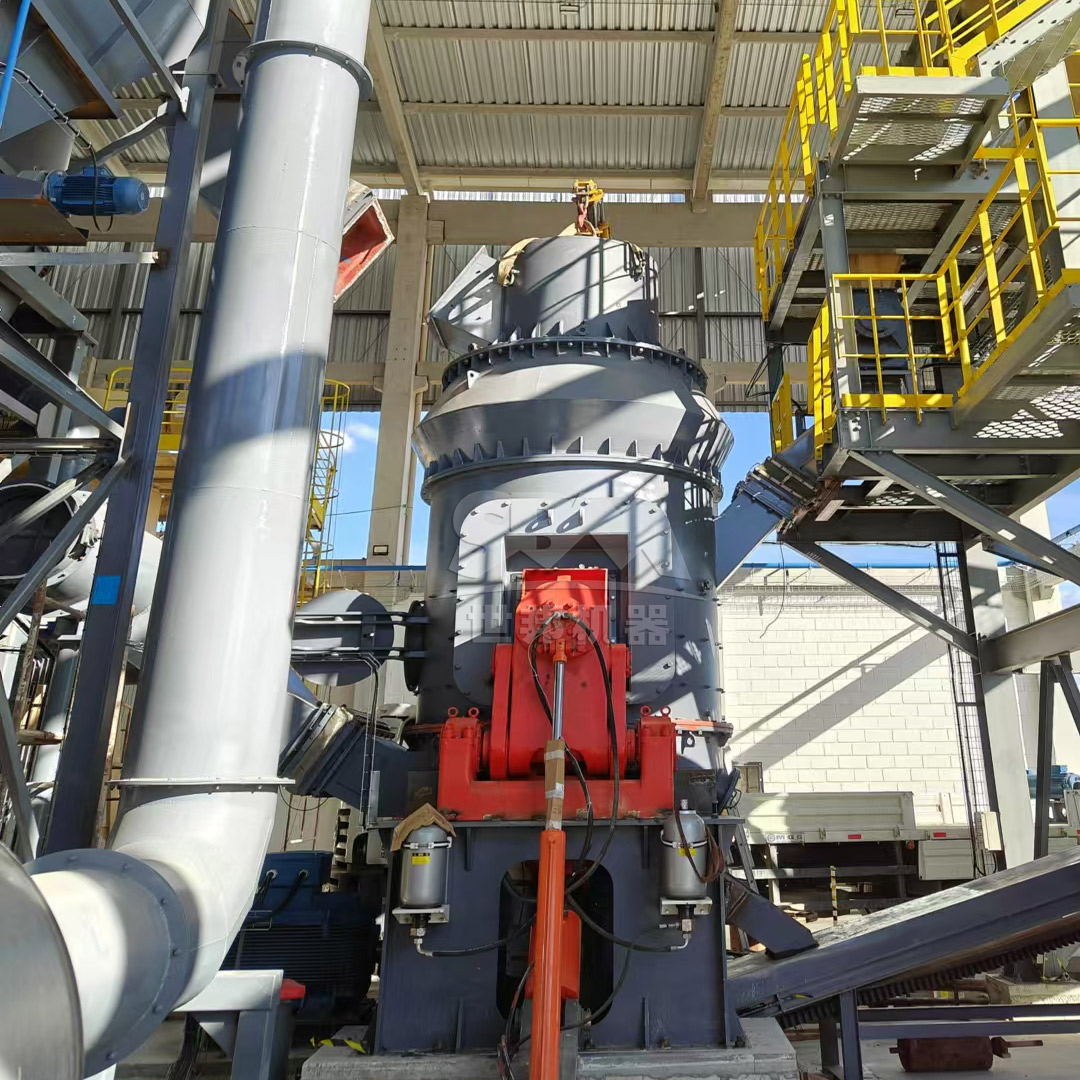
The question of whether the vertical mill is effective for desulfurization can be answered with a resounding yes. Its performance advantages in energy efficiency, product quality control, system reliability, and environmental footprint make it a technologically and economically superior choice over traditional grinding systems. For project planners and plant operators aiming to optimize their desulfurization efficiency and minimize lifecycle costs, investing in advanced vertical roller mill technology, such as our robust LM series for standard applications or the high-precision SCM series for ultra-fine requirements, represents a strategic decision that pays dividends in both operational performance and environmental compliance.